Newsletters


Kyoto, Japan’s former imperial capital, unfolds as a city where centuries-old ritual spaces stand side by side with tightly packed urban streets, and where daily life flows quietly between temples, gardens and modern storefronts.
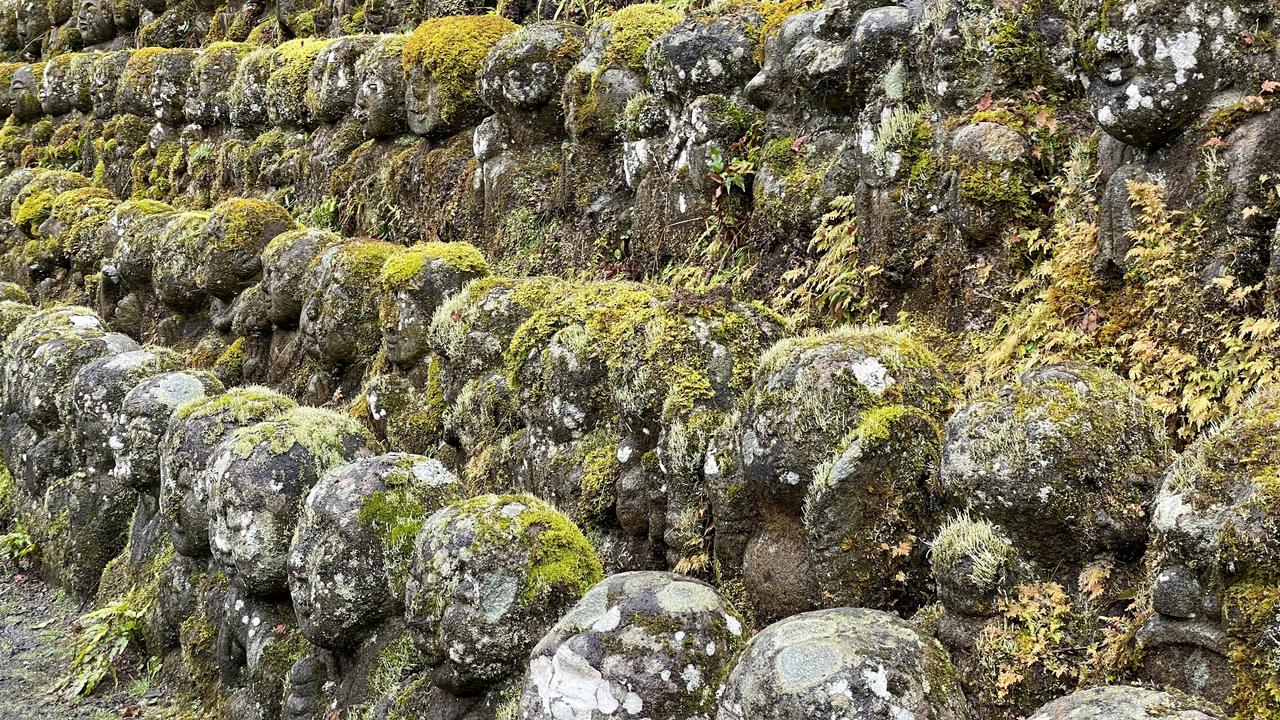
Otagi Nenbutsu-ji, located in Kyoto’s western hills, is known for its hundreds of carved stone figures known as rakan. In Buddhist tradition, rakan are enlightened disciples of the Buddha who have reached spiritual insight.
Arranged in dense rows along the hillside, these statues highlight a devotional culture in which sculpture becomes part of the landscape itself.
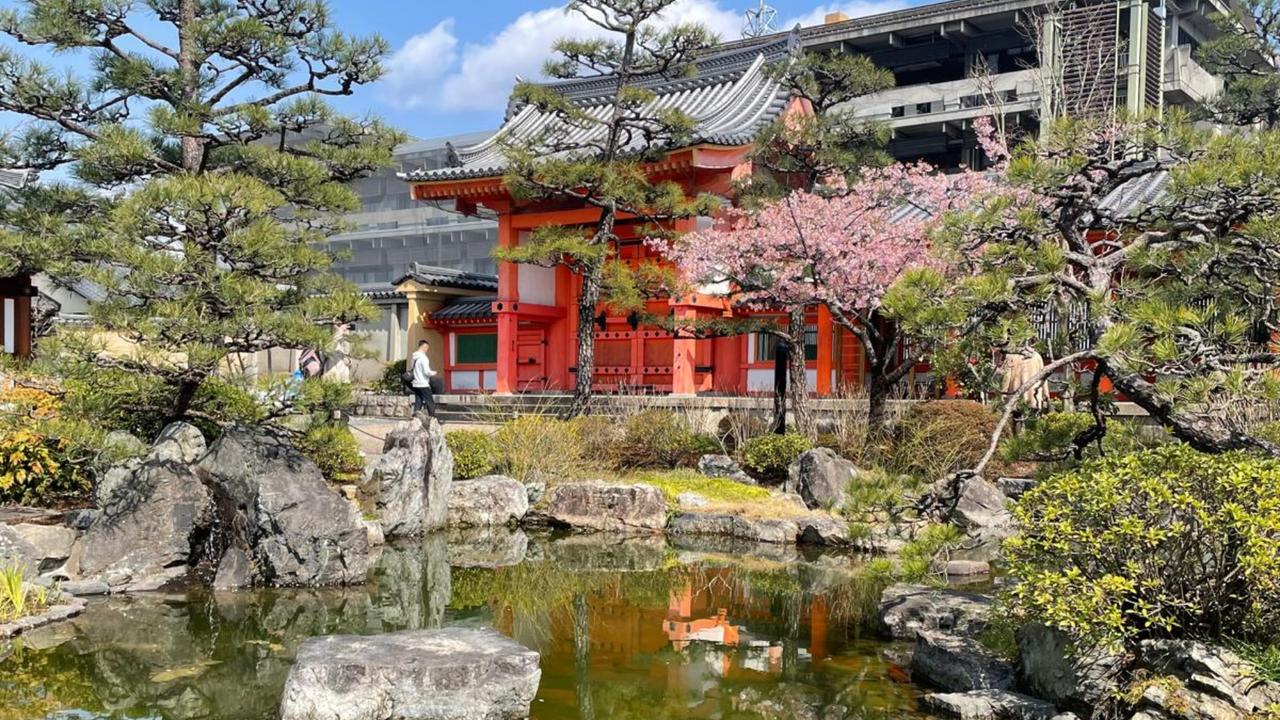
Sanjusangendo, formally known as Rengeo-in, is a Buddhist temple in eastern Kyoto. The name means “Hall with Thirty-Three Bays,” referring to the measured spaces between the building’s support columns, a detail that defines its architectural rhythm.
Originally established in the 12th century, the structure reflects the refined wooden architecture associated with Japan’s Heian period, when Kyoto functioned as the imperial court’s political and cultural center. The long, low silhouette of the hall and its tiled roof show how religious design in Japan often emphasizes proportion and continuity rather than monumental height.
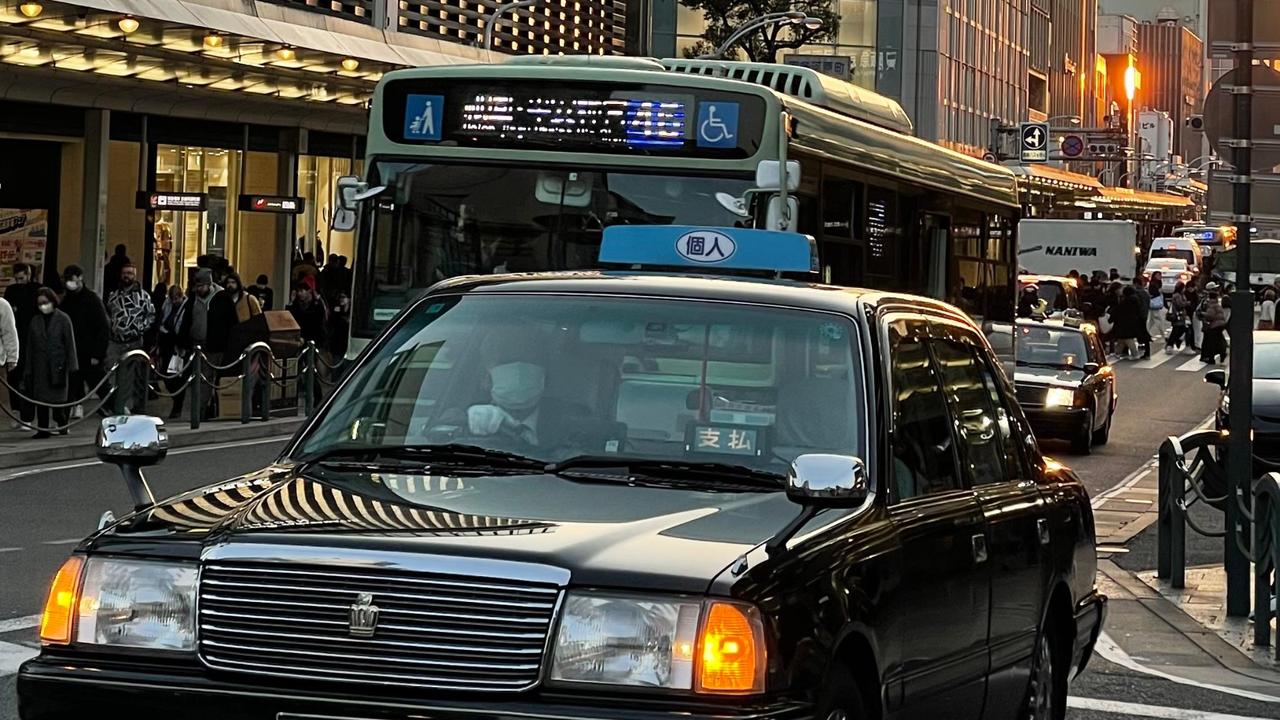
Central Kyoto, particularly around Kawaramachi, reveals a different rhythm. Department stores, transport hubs and commercial buildings stand alongside historic districts.
This area reflects Japan’s highly organized urban planning culture, where public transport, pedestrian zones and retail districts are carefully structured to handle both residents and international visitors.
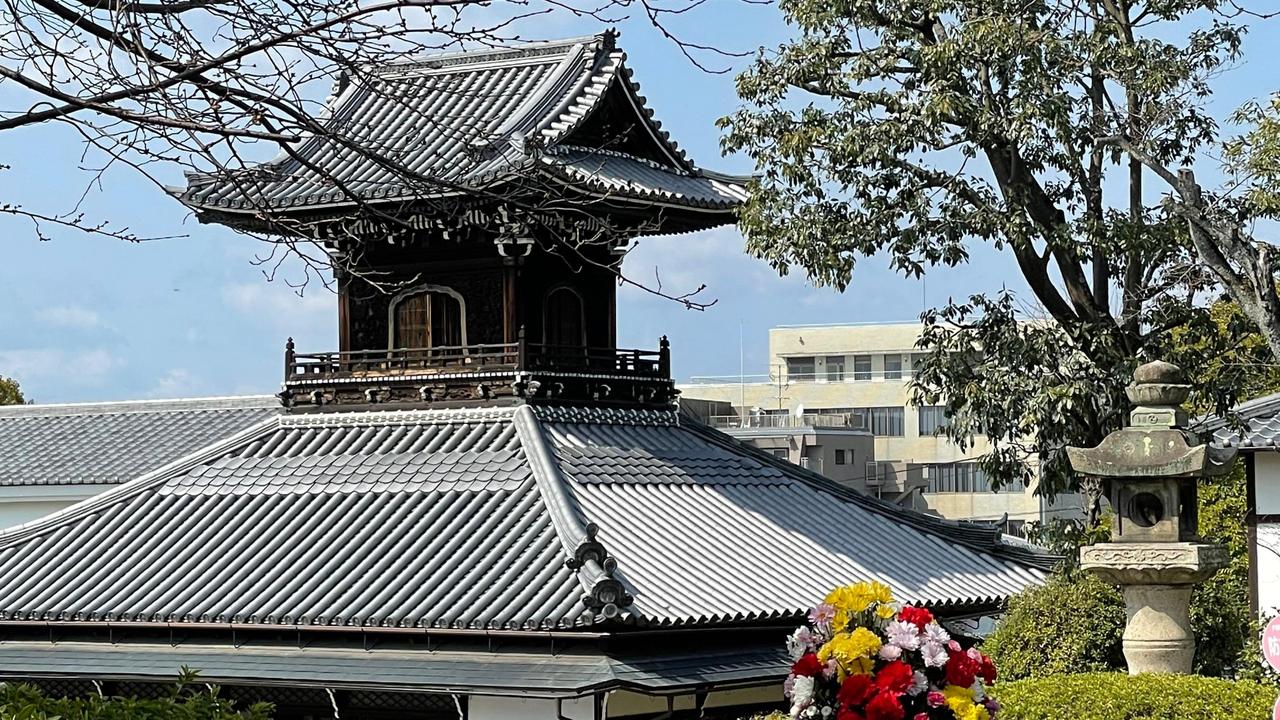
Otani Hombyo serves as a mausoleum complex linked to one of Japan’s major Buddhist traditions. A mausoleum is a building constructed to house the tomb of a significant religious or historical figure.
In Kyoto, such memorial sites are integrated directly into the city’s urban layout, illustrating how remembrance and daily activity often coexist within the same spatial framework. Traditional tiled roofs and timber construction remain central features, even as modern buildings rise in the background.
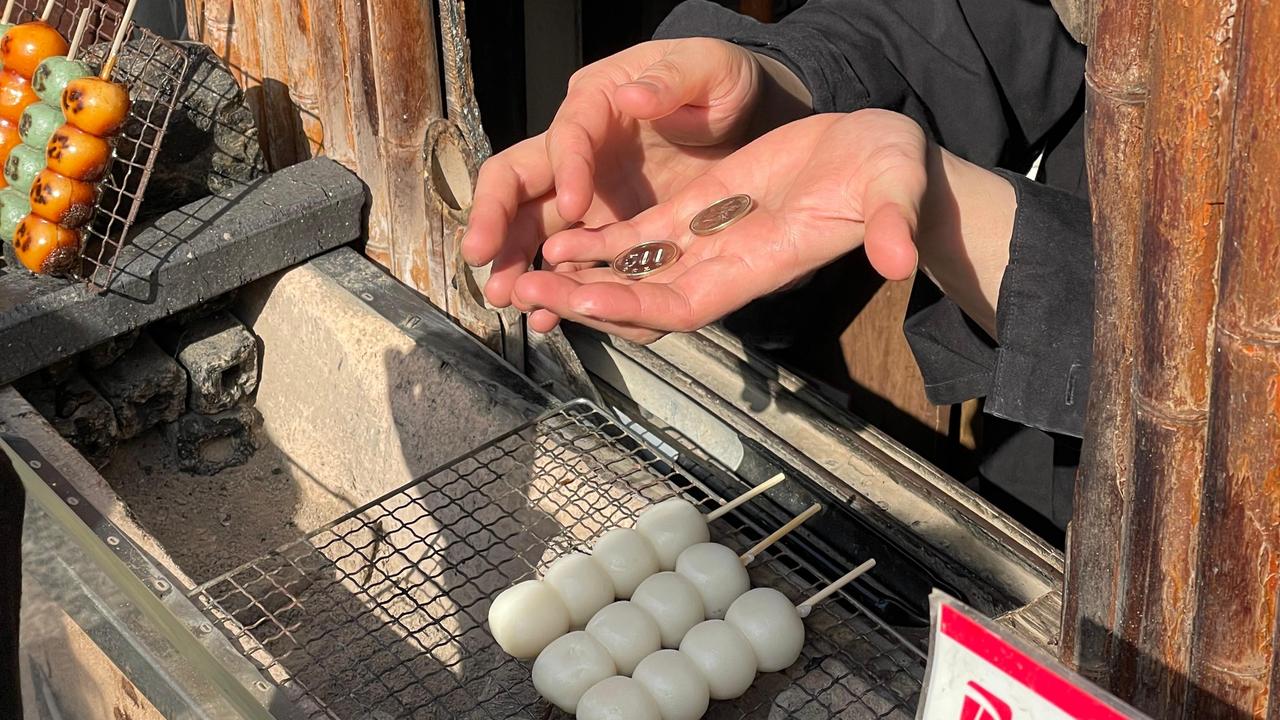
In neighborhoods such as Shimokawaracho and Omiyacho, narrow streets define the everyday texture of Kyoto life. Speed limits are clearly marked, and residential buildings sit close to the road, reinforcing a compact urban scale.
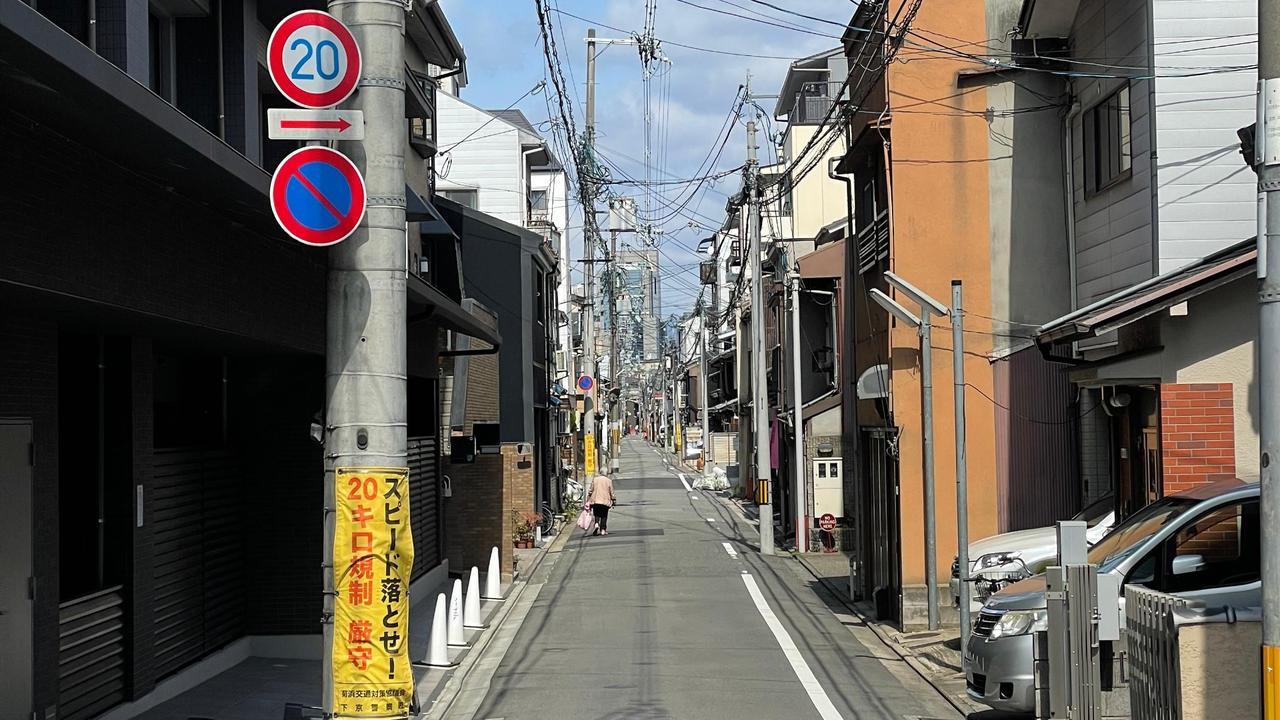
Overhead utility lines, modest facades and small-scale storefronts illustrate how Kyoto’s residential districts remain function-driven rather than monumental. These streets show how the city’s historical core extends beyond temples and tourist landmarks into ordinary daily routines.
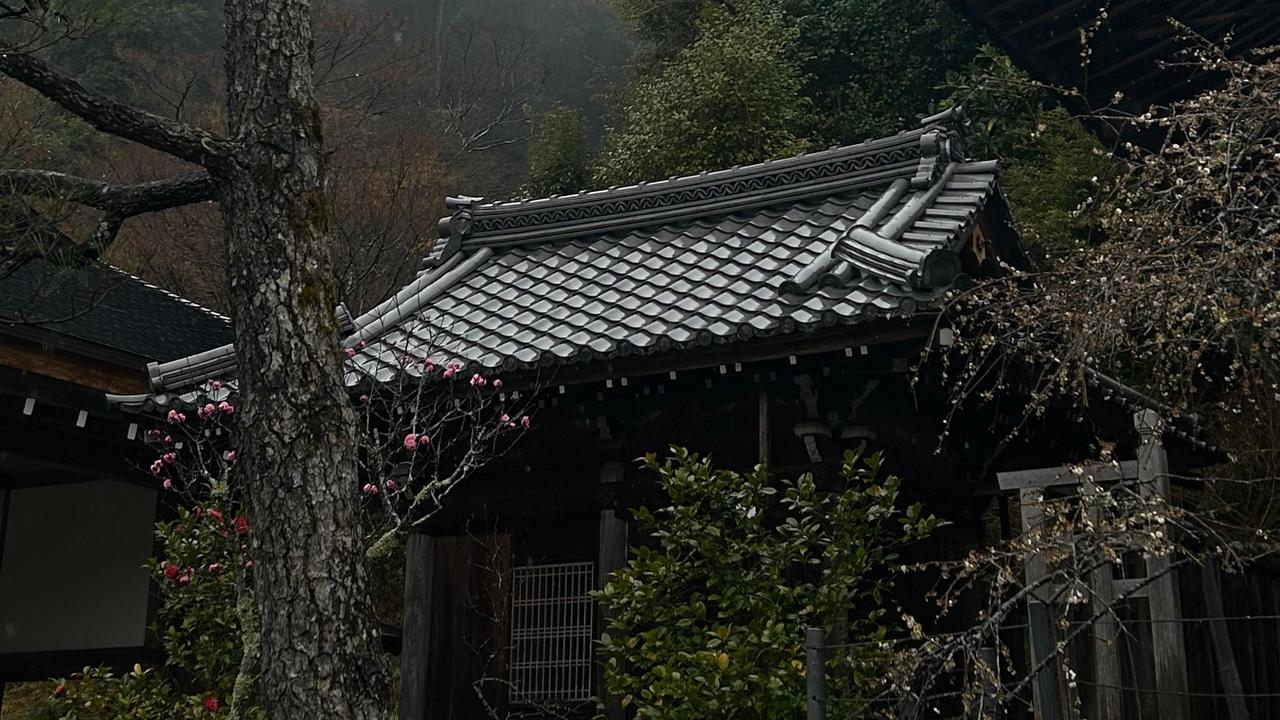
Nison-in, another temple complex in western Kyoto, derives its name from “two revered figures,” referring to the temple’s principal images of Shakyamuni Buddha and Amida Buddha.
Temple compounds in Kyoto typically include multiple halls, gates and landscaped paths, creating a sequence of spaces rather than a single focal structure.

 1 min read
 2 min read


 Set as preferred source