Newsletters


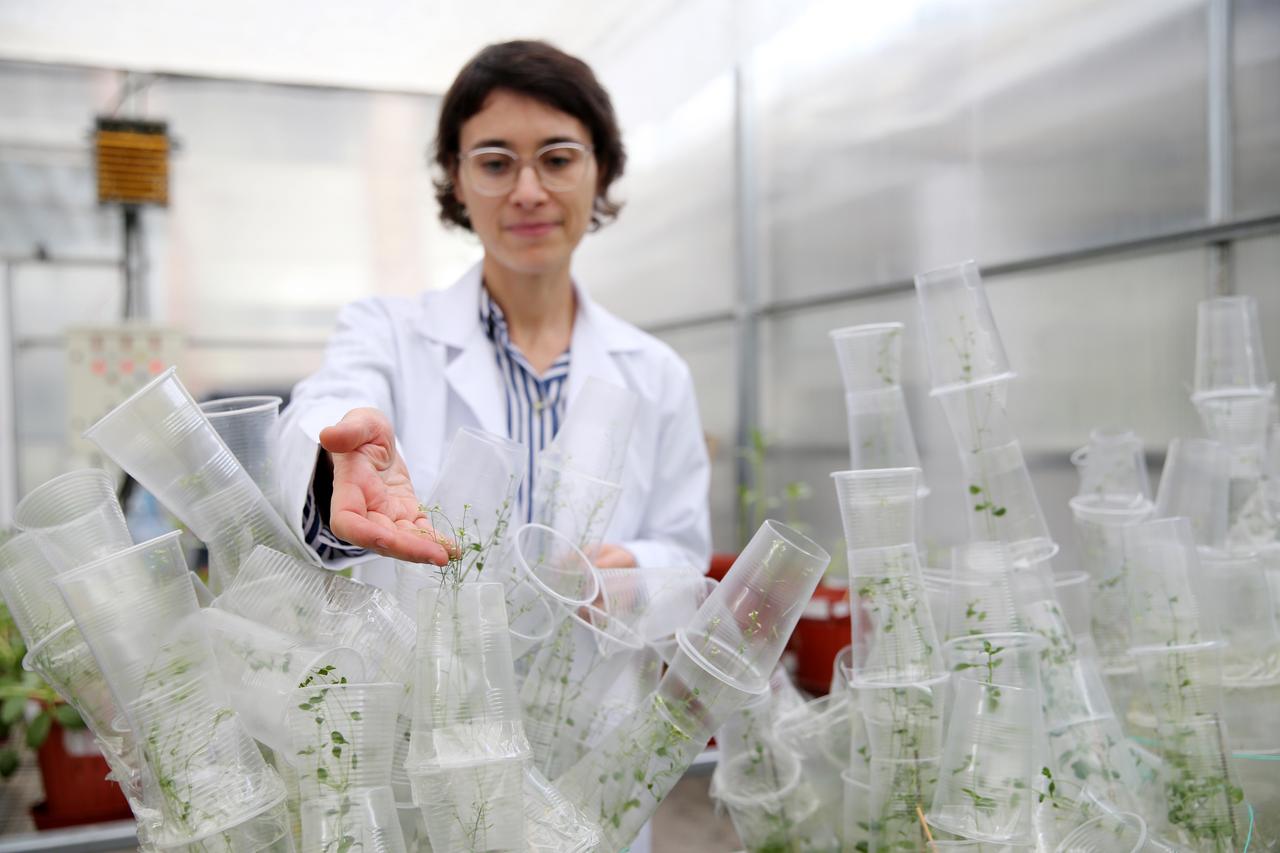


A Turkish scientist at Ege University is helping to move space biology forward by focusing on how plants can be grown and strengthened under microgravity, building on research tied to Turkiye’s first astronaut-led experiments aboard the International Space Station (ISS).
Assoc. Prof. Rengin Ozgur Uzilday, a faculty member at Ege University Faculty of Science, Department of Biology in Izmir, has been working on plant molecular biology and plant physiology, with a recent emphasis on cultivating plants in space-like conditions and developing more resilient varieties.
Uzilday graduated from Ege University’s Biology Department in 2006 and later completed her master’s degree at Kumamoto University in Japan.
After returning to Ege University in 2010 to begin doctoral studies, she continued research in plant molecular biology and physiology, and in 2021 worked as a researcher in a microgravity laboratory at Tohoku University in Japan.
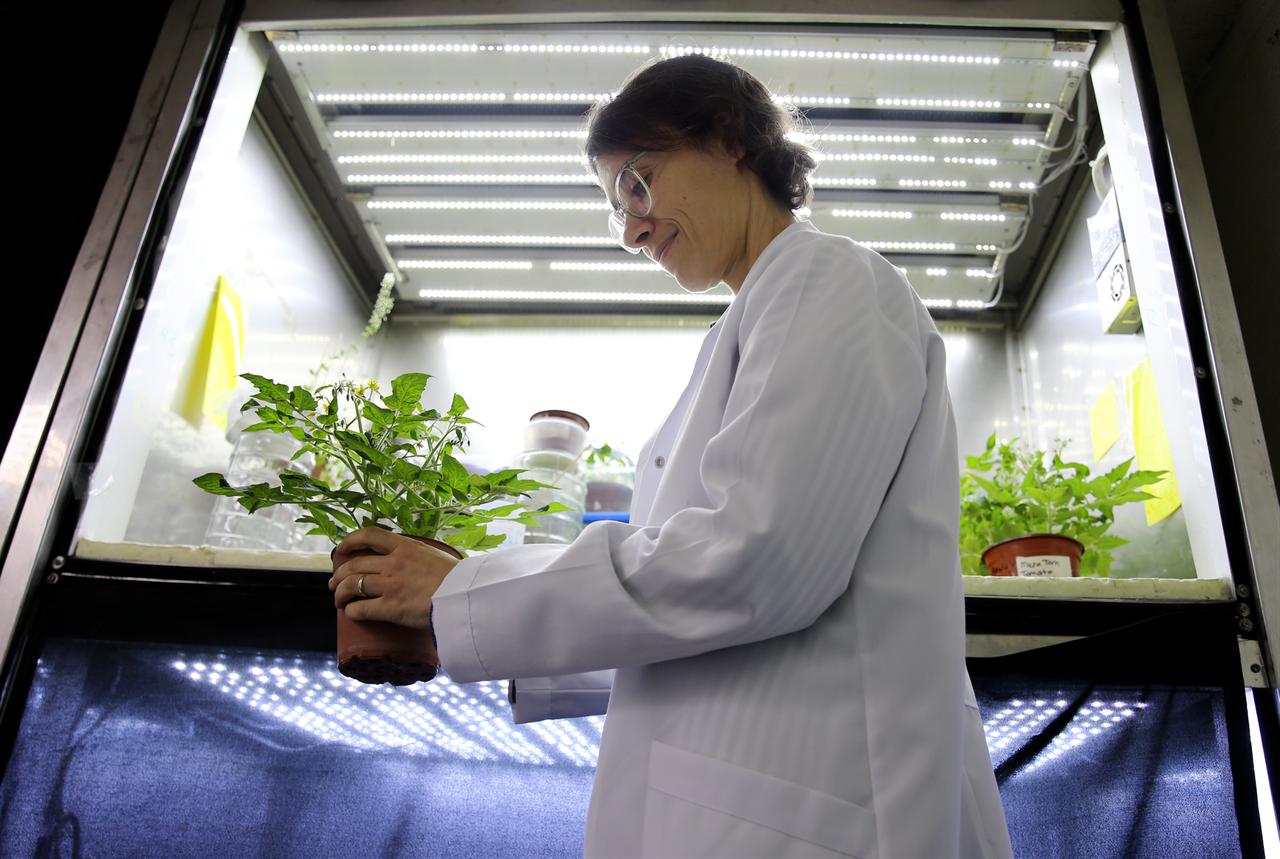

Through work linked to TUBITAK’s efforts in space biology, Uzilday, together with her spouse, Assoc. Prof. Baris Uzilday from the same department, was among the coordinators of the first of the experiments carried out by Turkiye’s first astronaut, Alper Gezeravci, on the ISS.
The experiment, titled “Investigating Responses of the Extreme Halophyte Schrenkiella parvula to Salt Stress in the Space Environment,” looked into how plants respond when exposed to salt stress.
A halophyte is a plant adapted to grow in highly salty environments, while “salt stress” describes the strain on plant growth and physiology caused by high salt levels.
Uzilday’s space biology work has continued beyond the ISS-linked experiment.
Under projects coordinated by the Turkish Space Agency aimed at developing varieties resistant to disease and environmental stress, Arabidopsis seeds were sent into space via China National Space Administration’s “Shijian-19” satellite.
Arabidopsis is a small flowering plant widely used in biology research because it is easy to study in controlled conditions.
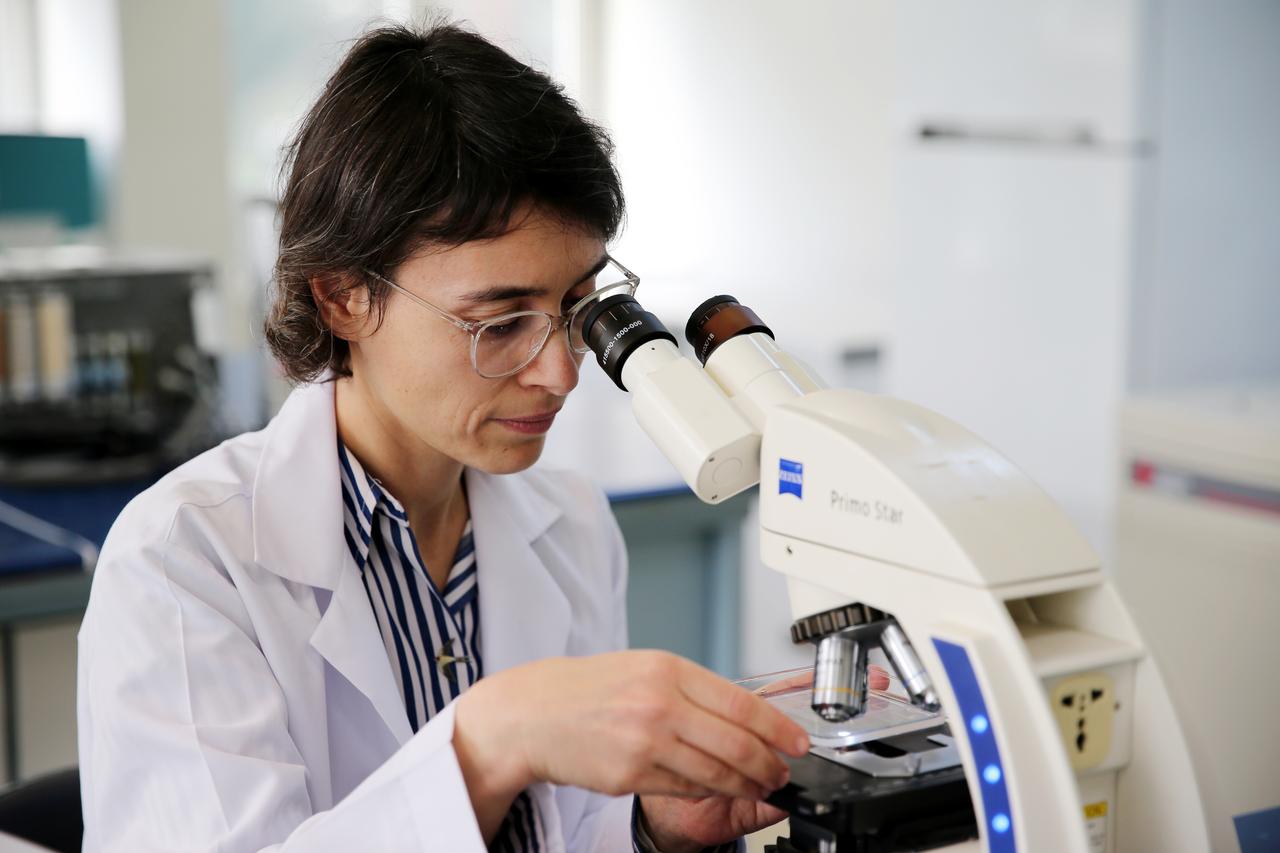
Uzilday has said her research is centered on growing plants under microgravity and identifying plant types that can hold up better under space-specific conditions. As part of this effort, she has been carrying out projects that involve growing plants using regolith-like material.
Regolith is a layer of loose material such as dust, soil, and broken rock that covers solid surfaces, and it is often used as a stand-in for the kind of ground found on the Moon or Mars in experimental setups.
She has explained that her team has been running laboratory studies and trials to explore whether plant species that thrive in extreme conditions on Earth could also grow in space, and that the data gathered are being made available for scientists working in agricultural biotechnology.
Uzilday has also pointed to the way “space breeding” research can feed back into agricultural production on Earth. She has indicated that natural mutations can arise in seeds sent to space without using an external radiation source.
In her account, this approach avoids radioactive waste that would otherwise need to be removed, while allowing researchers to obtain mutant plant lines more cheaply.
She has added that follow-up work then looks into whether these varieties can grow better on Earth and whether they can stand up more effectively to drought, heat, or other difficult conditions where plants may otherwise struggle to grow.


 Set as preferred source
 Set as preferred source



 2 min read