Newsletters


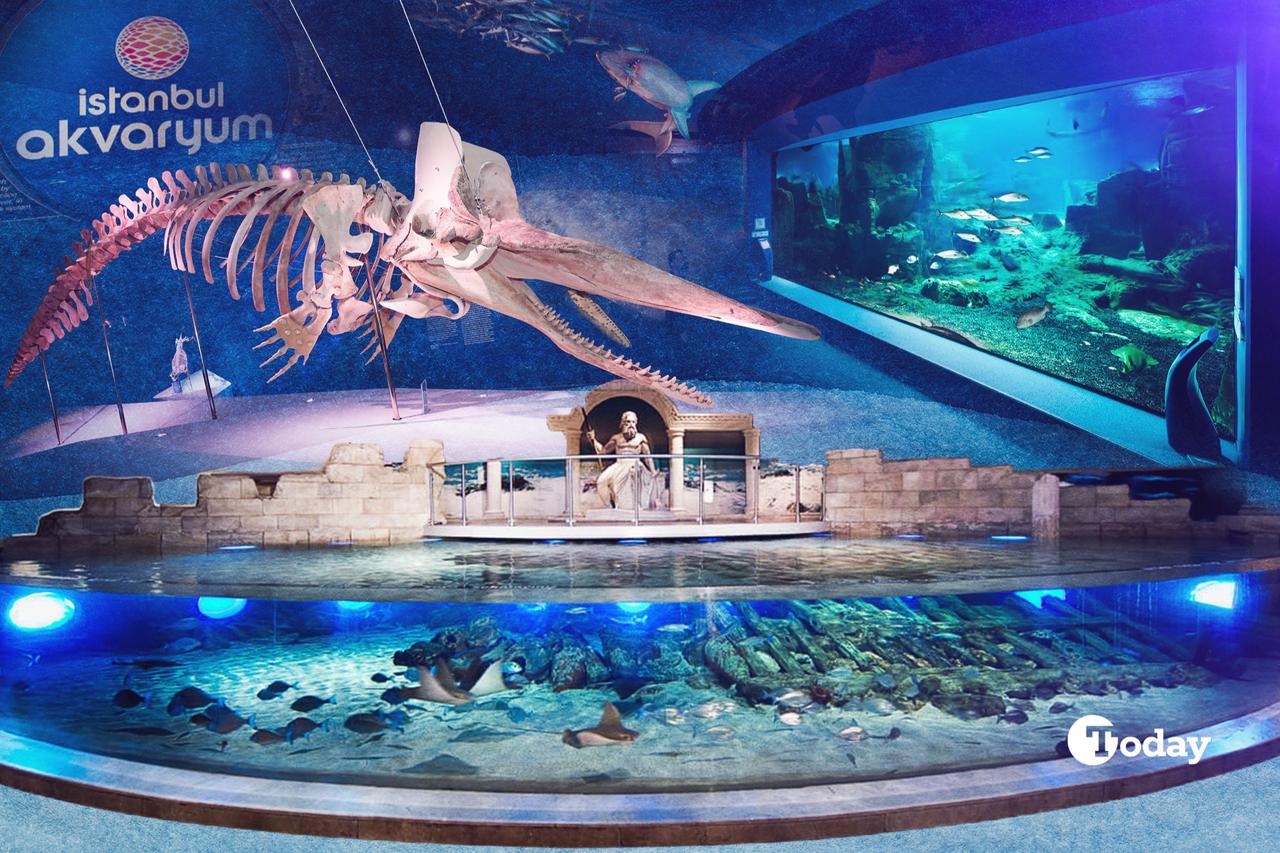


Opened in 2011 and located in the Florya district on the European side of Istanbul, Istanbul Akvaryum has operated for more than a decade as the national aquarium of Türkiye, welcoming nearly one and a half million visitors annually from around the world.
At the intersection of science, education, and public awareness, Istanbul Akvaryum has positioned itself not merely as an exhibition space for marine life, but as a living institution that brings together Türkiye’s marine biodiversity, global ocean ecosystems and urgent environmental challenges under one roof.
As the national aquarium of Türkiye, the facility plays a dual role: presenting the richness of aquatic life to a broad international audience while also functioning as a center for conservation, research and long-term ecological responsibility.
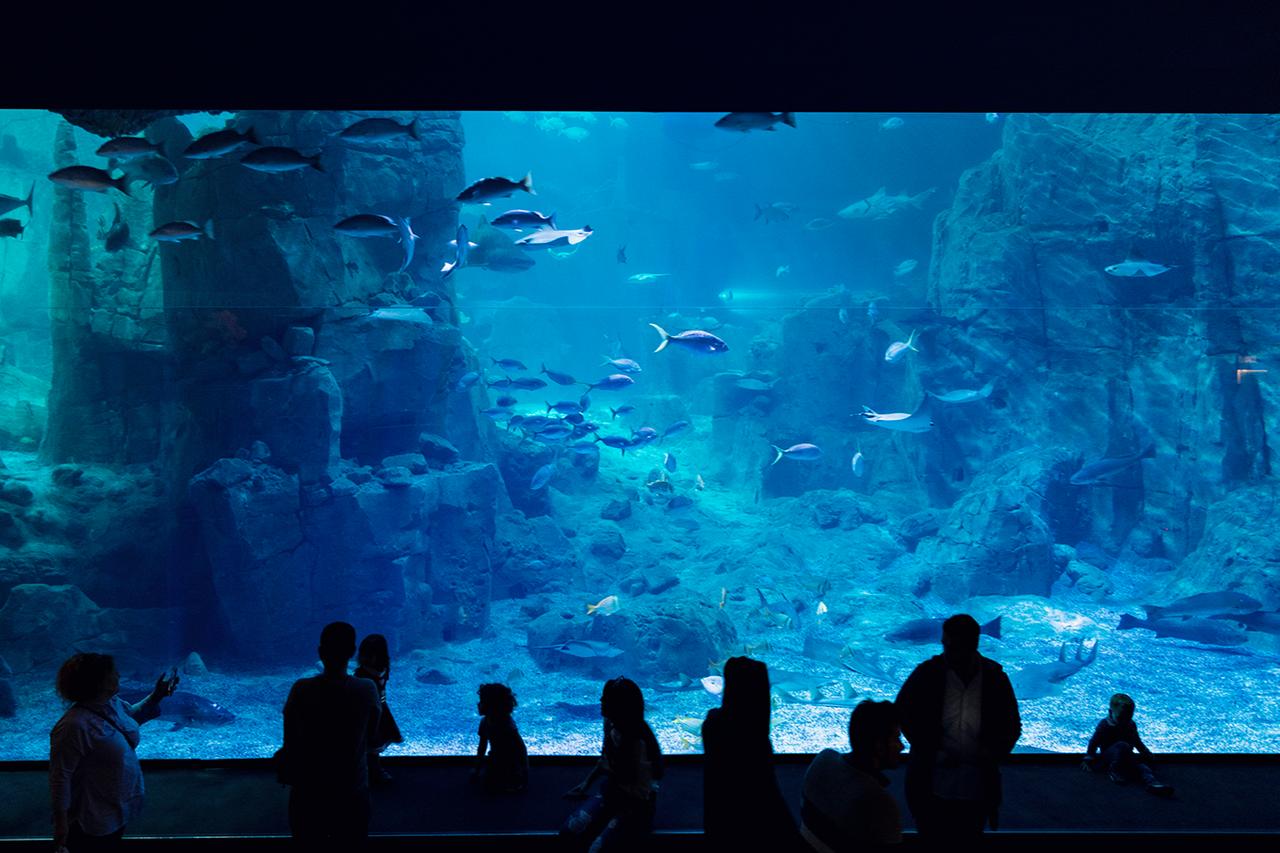

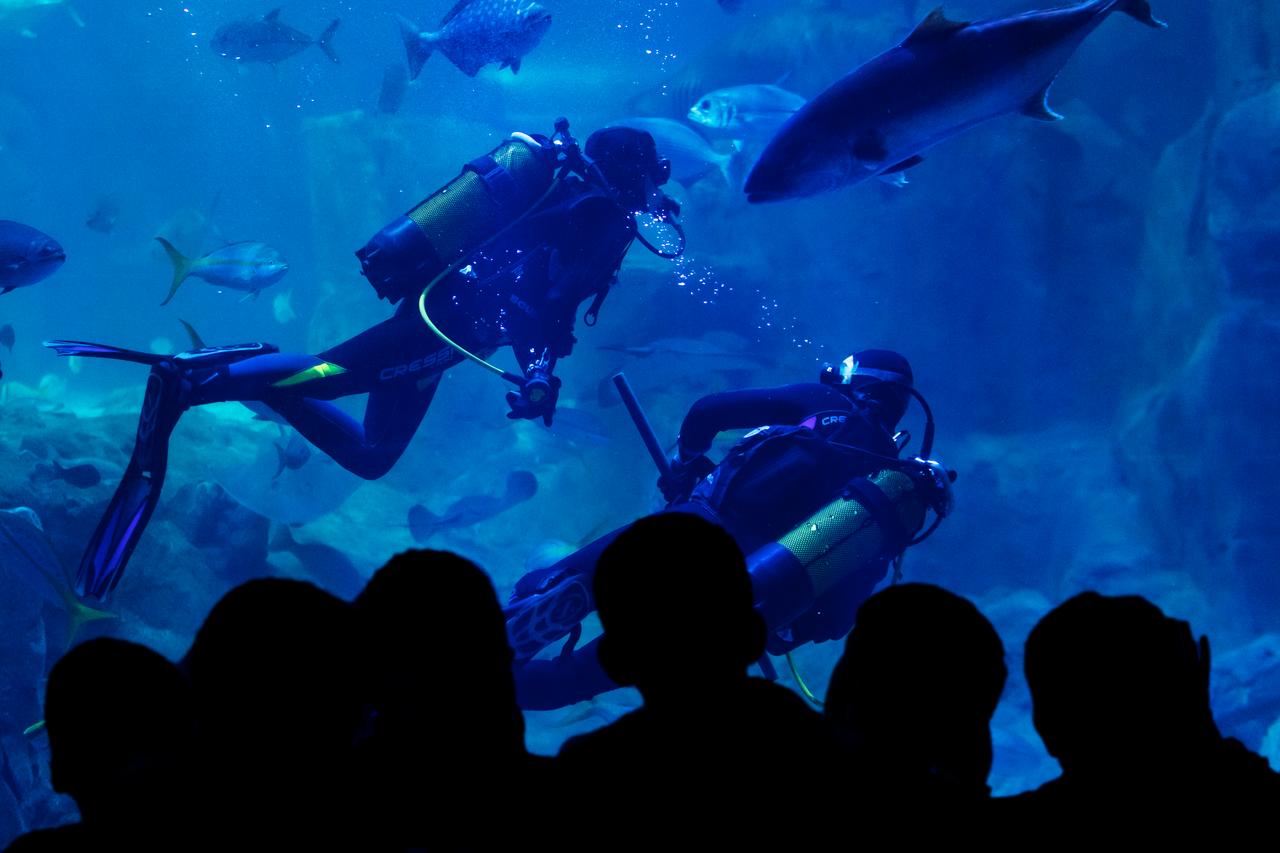
Located on the shores of the Marmara Sea, Istanbul Akvaryum hosts more than 17,000 living creatures from 1,500 species across 17 geographically themed zones, stretching from the Black Sea to the Pacific Ocean.
Beyond its scale, what defines the aquarium is its conceptual structure. Visitors follow a carefully designed narrative journey that begins with Türkiye’s own seas and gradually opens out to the wider oceans of the world, blending marine biology with history, culture, archaeology, and climate awareness.
This approach reflects a broader mission: helping people understand that protecting the seas begins with knowing them. In an era marked by climate change, pollution and biodiversity loss, Istanbul Akvaryum presents marine ecosystems not as distant spectacles, but as interconnected systems that directly affect human life.
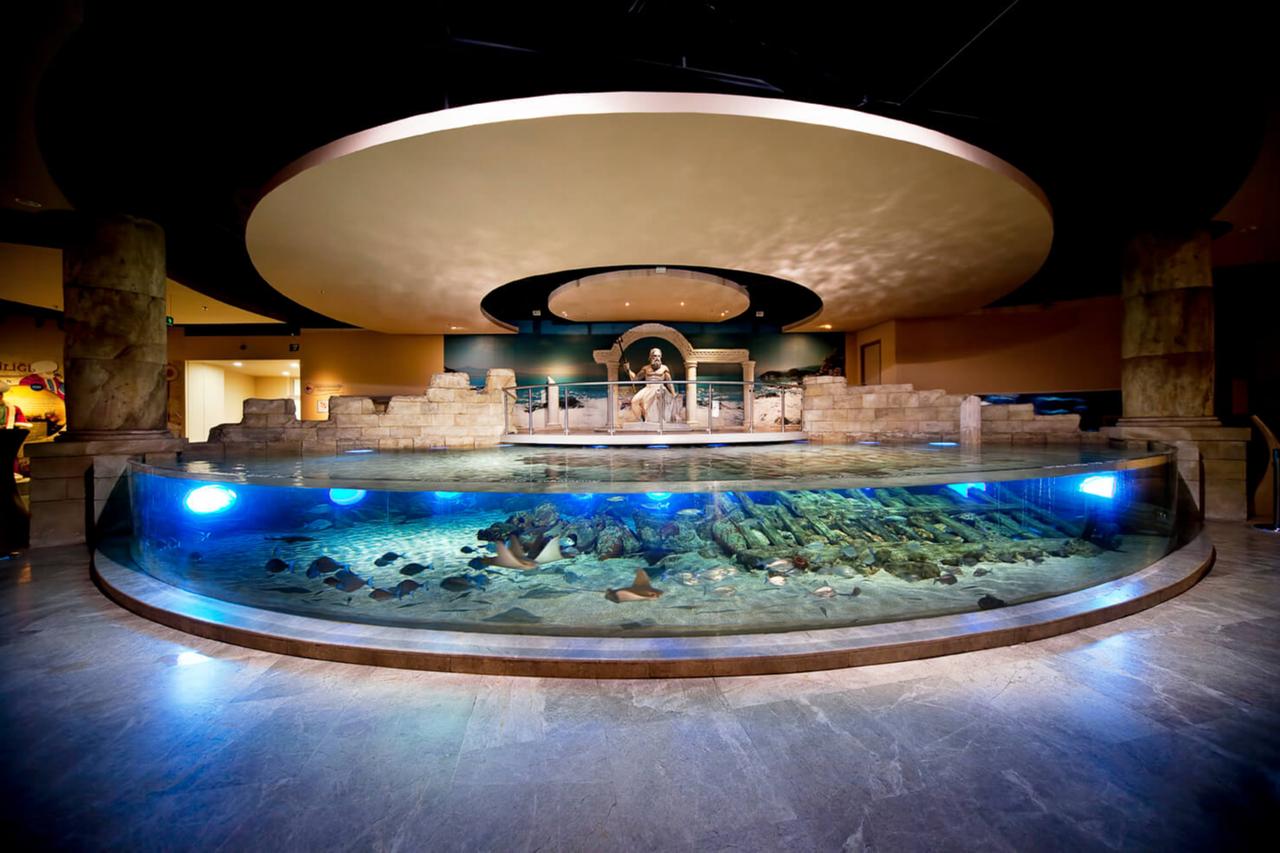
Unlike conventional aquariums organized purely by species, Istanbul Akvaryum is structured around geographic themes. Each zone recreates the environmental conditions, water parameters, and cultural context of a specific marine region.
Beginning with the Black Sea, visitors move through the Marmara, Canakkale Strait, Aegean, Mediterranean, Red Sea, and beyond, eventually reaching the Atlantic, Pacific and polar regions.
This geographic storytelling allows international visitors to place Türkiye within a global marine map while also recognizing similarities and contrasts between ecosystems.
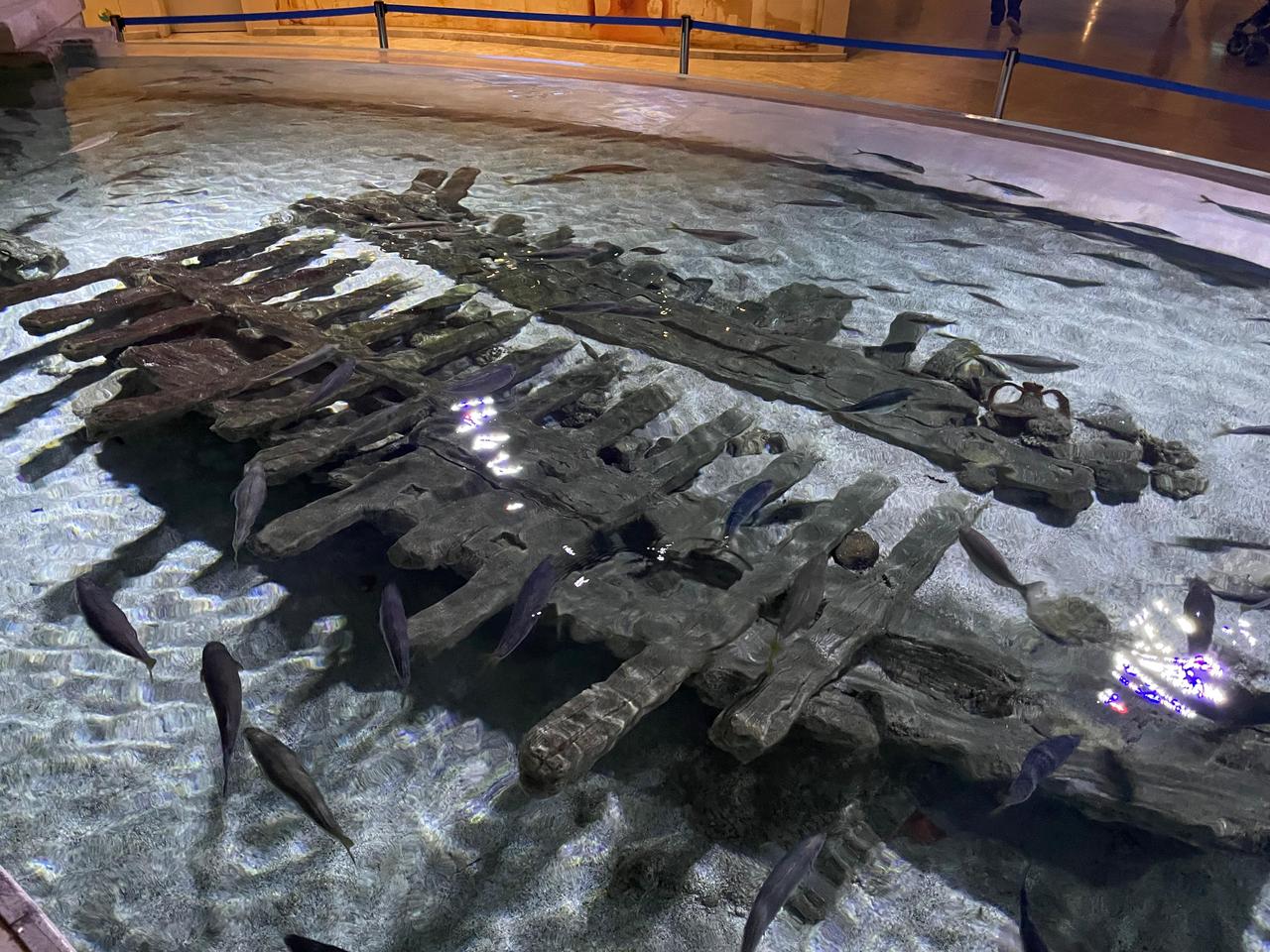
Cultural and historical references are embedded throughout the journey, turning the aquarium into a hybrid space where natural history meets human history.
Replicas of ancient shipwrecks, amphoras, and archaeological elements illustrate how seas have functioned as archives of civilization for centuries.
Istanbul Akvaryum General Manager Dilek Capanoglu, who spoke to Türkiye Today, explained how the facility was designed from the outset not simply to display marine life, but to recreate entire ecosystems within a cultural framework.
She underlined that Istanbul’s role as a global metropolis shaped this vision, since the city hosts visitors from nearly every part of the world and historically stands at the crossroads of the seas, trade routes, and civilizations.
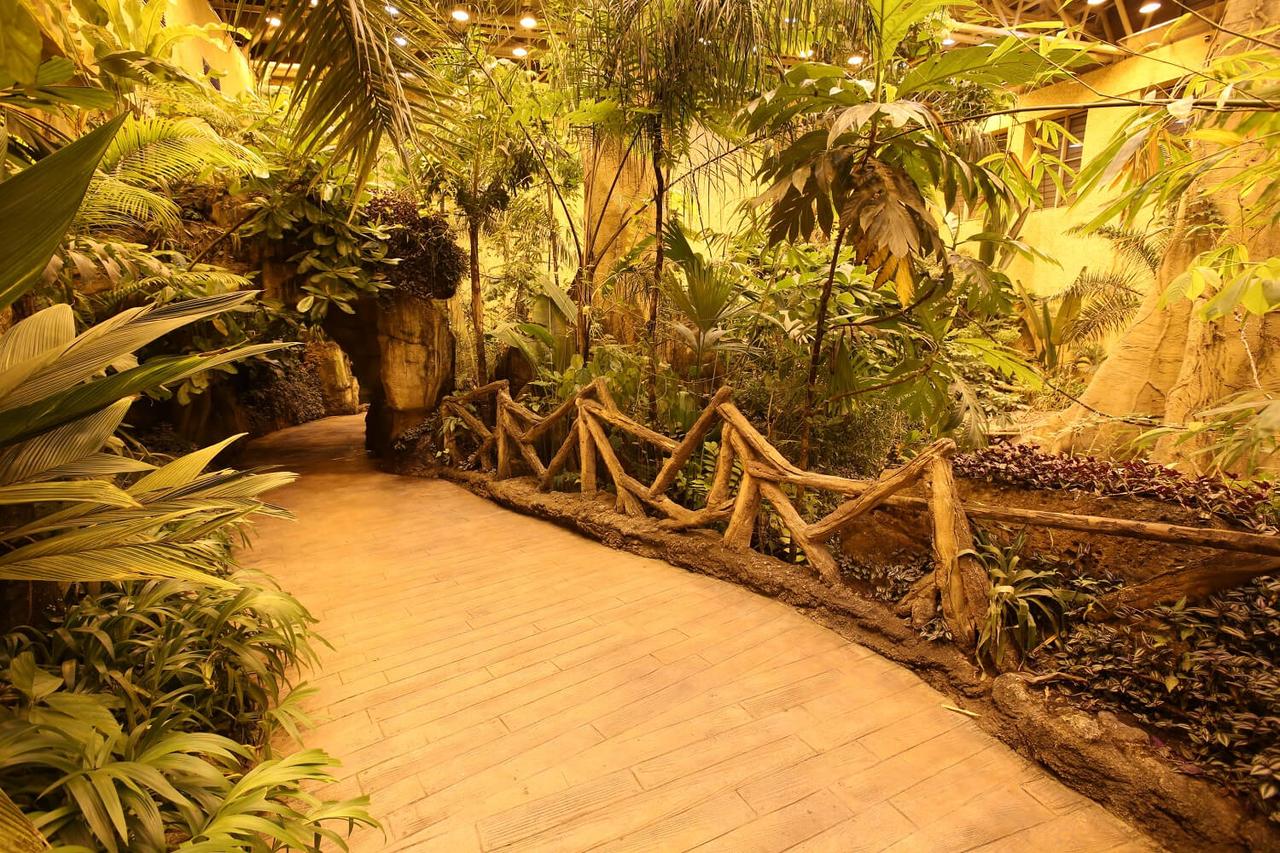
At its core, Istanbul Akvaryum operates as a complex ecosystem rather than a static exhibition. The facility contains approximately 8,000 tons of water and includes not only marine habitats but also a fully immersive Amazon Rainforest biome.
This rainforest spans around 1,000 square meters and hosts over 1,200 species of tropical plants, maintained under carefully controlled temperature, humidity, and rainfall conditions.
The Amazon section allows visitors to experience a terrestrial ecosystem that mirrors South American climate conditions, demonstrating how land and sea ecosystems are deeply connected.
This integration reinforces a central message repeated throughout the aquarium: Environmental systems cannot be understood in isolation.
From poisonous stonefish and moray eels to sharks, rays, penguins, and endangered amphibians, visitors encounter species that many will never see in the wild. The facility is home to the first and only gentoo penguins in Türkiye, as well as lemon sharks, sand tiger sharks, and numerous coral species.

Maintaining such biodiversity requires complex logistical and ethical frameworks. Istanbul Akvaryum’s marine creatures consume approximately 25 tons of food annually, a figure that increases each year as animals grow and age.
Feeding protocols are tailored to each species and habitat, with daily diets prepared according to scientifically defined nutritional requirements.
All animals are kept under continuous care, following standards set by international organizations such as the World Association of Zoos and Aquariums (WAZA) and the European Association of Zoos and Aquaria (EAZA), of which Istanbul Akvaryum is an official member. These memberships reflect compliance with strict ethical, veterinary, and welfare guidelines.
Capanoglu explained that one distinctive feature of the facility is its closed-loop water system. Despite being located next to the Marmara Sea, Istanbul Akvaryum does not use seawater directly. Instead, it produces all marine water in-house, adjusting chemical parameters separately for each ecosystem.
This approach was adopted due to pollution concerns in the Marmara Sea, where heavy metals pose serious risks to marine life. Only around 10% of the total water volume is renewed annually, primarily due to evaporation.
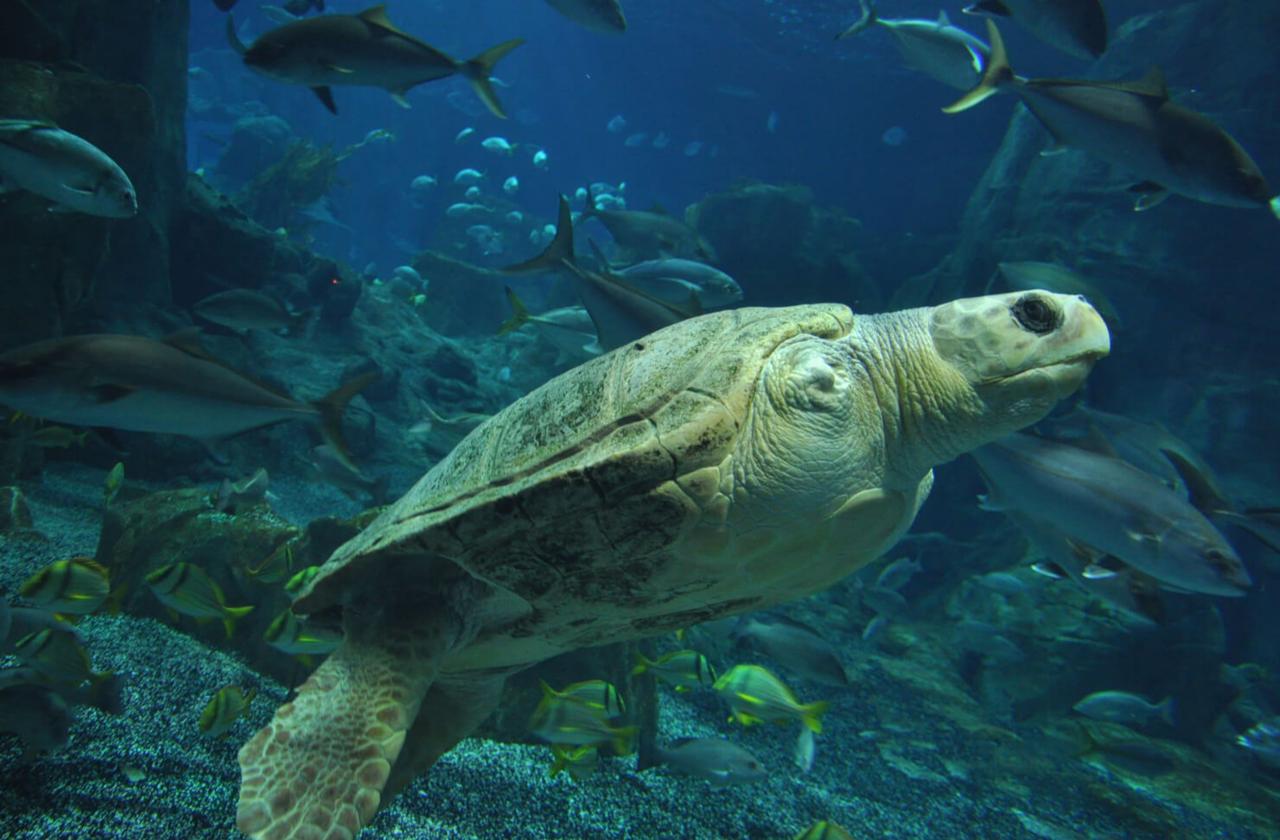
Conservation is not presented as a secondary theme but as a foundational mission. Istanbul Akvaryum functions as a marine life treatment, care, and rehabilitation center, officially licensed since 2013 to rescue sea turtles. Over the past decade, many injured Caretta turtles have been treated and returned to the sea.
The aquarium has also achieved success in breeding endangered species whose populations are declining due to overfishing, habitat destruction, and pollution. These include spotted catsharks, thornback rays, discus fish, poison dart frogs, and gentoo penguins. Such breeding programs aim not only to maintain populations within the aquarium but also to contribute knowledge that supports species' survival more broadly.
Capanoglu emphasized that Istanbul Akvaryum operates with the mindset of a scientific facility rather than an entertainment venue. She highlighted that the facility views itself as a place where biology, history, and culture intersect, allowing visitors to understand the broader consequences of environmental degradation.
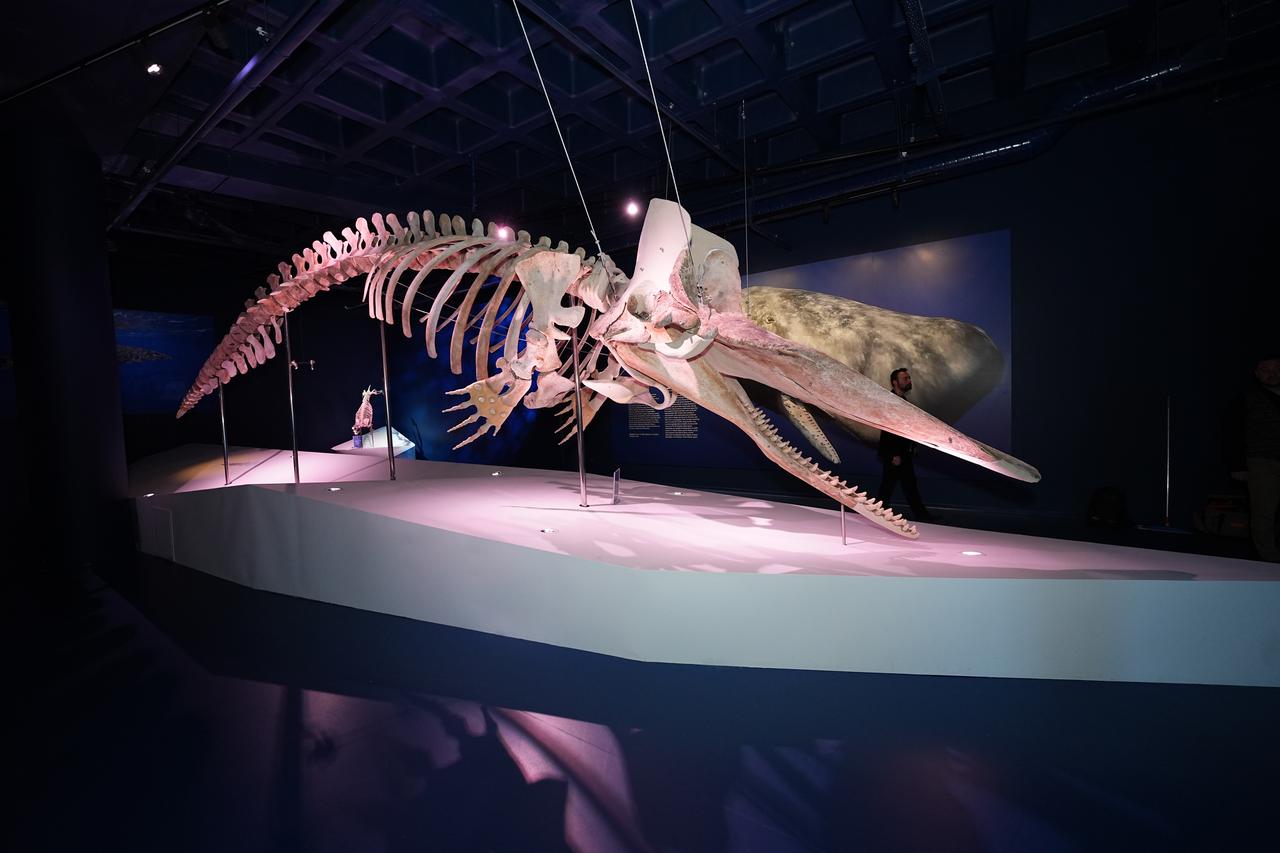
One of the most striking recent initiatives at Istanbul Akvaryum is the “Giants of the Ocean” exhibition, developed in collaboration with the Turkish Marine Research Foundation (TUDAV).
The exhibition brings together the skeletons of a sperm whale, a fin whale, and a Mediterranean monk seal, all of which were found stranded along Türkiye’s coasts in different years.
These marine mammals were carefully recovered, preserved, and restored by TUDAV experts over long periods. The sperm whale, measuring approximately sixteen meters, was found stranded in Antalya, while the fin whale, weighing over three tons, was found in Adana. The monk seal was recovered from the coast of Izmir. Each skeleton consists of hundreds of bones, meticulously cleaned, reconstructed, and assembled over several months.
According to Capanoglu, the exhibition marks the first time such a comprehensive collection of marine mammal skeletons has been displayed in Türkiye. It offers visitors a rare opportunity to observe the scale, anatomy, and physical presence of animals that are usually hidden beneath the ocean’s surface.
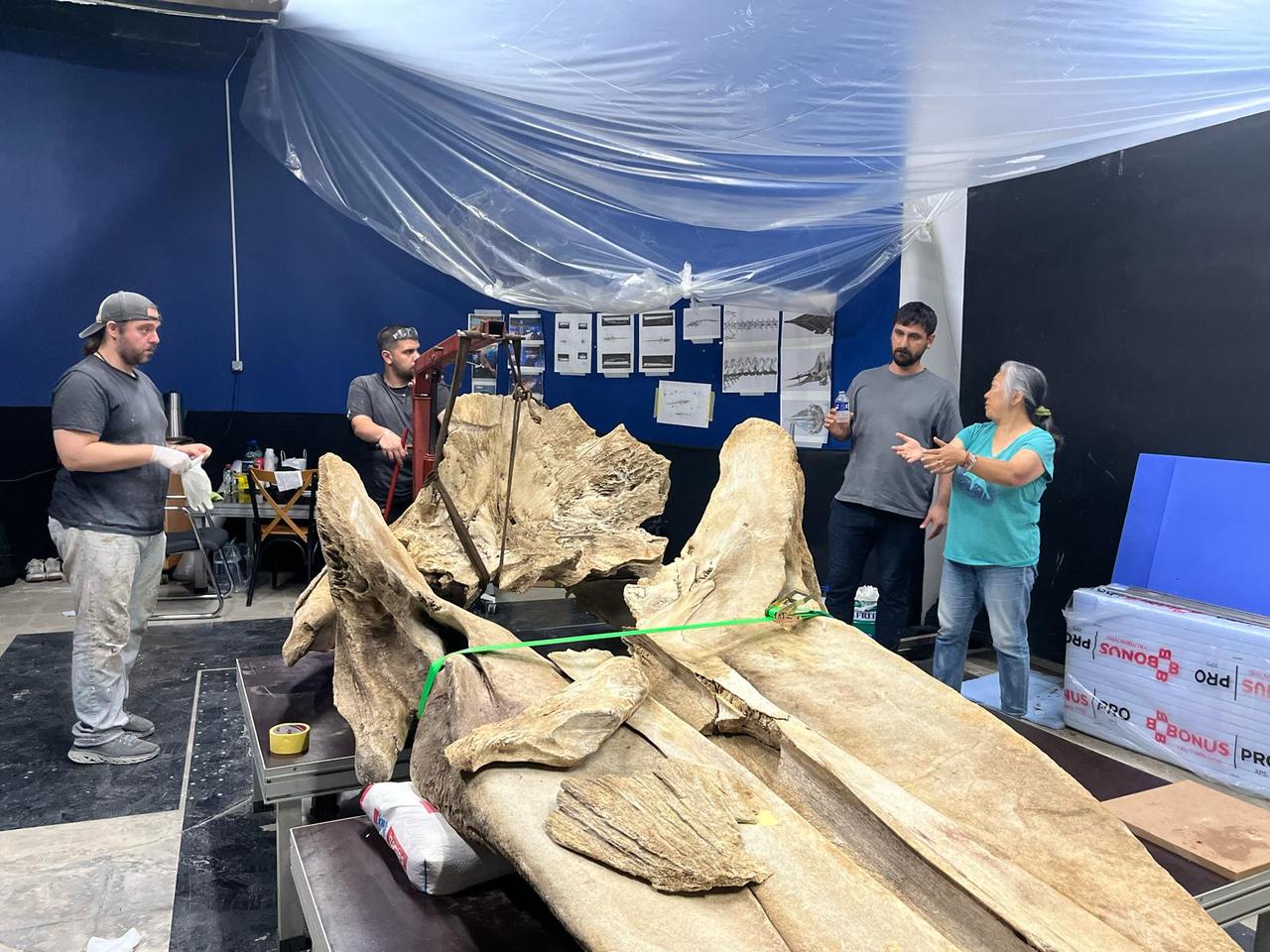
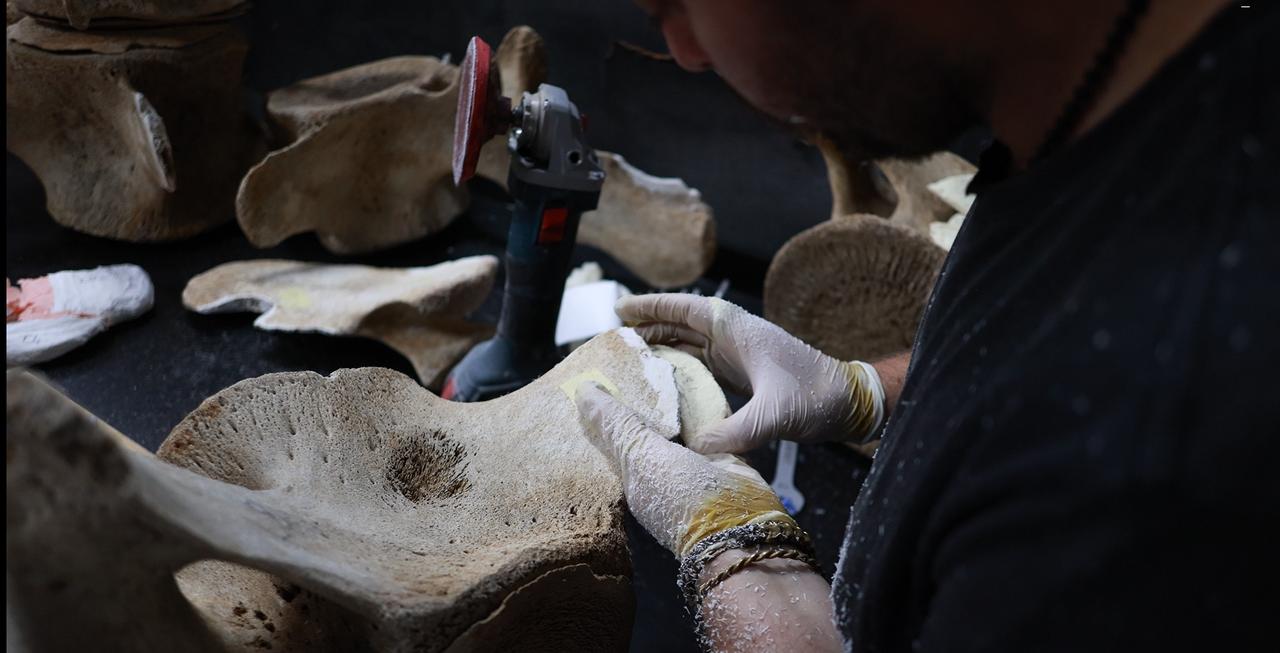
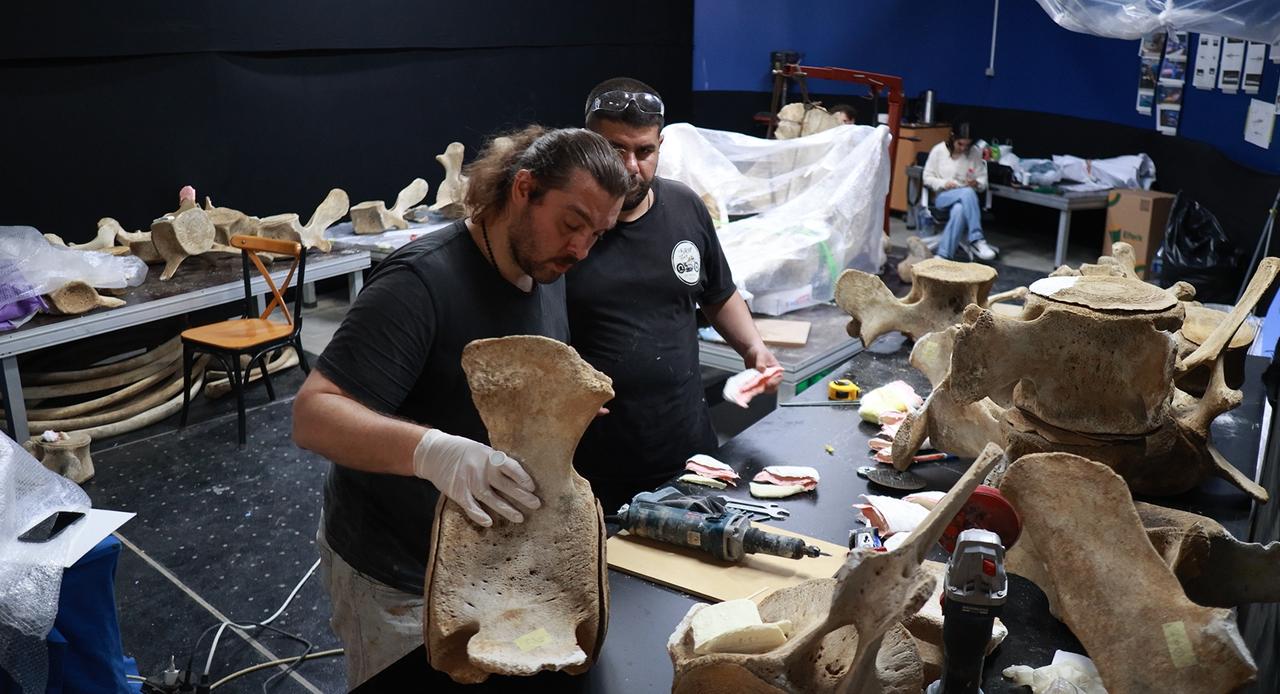
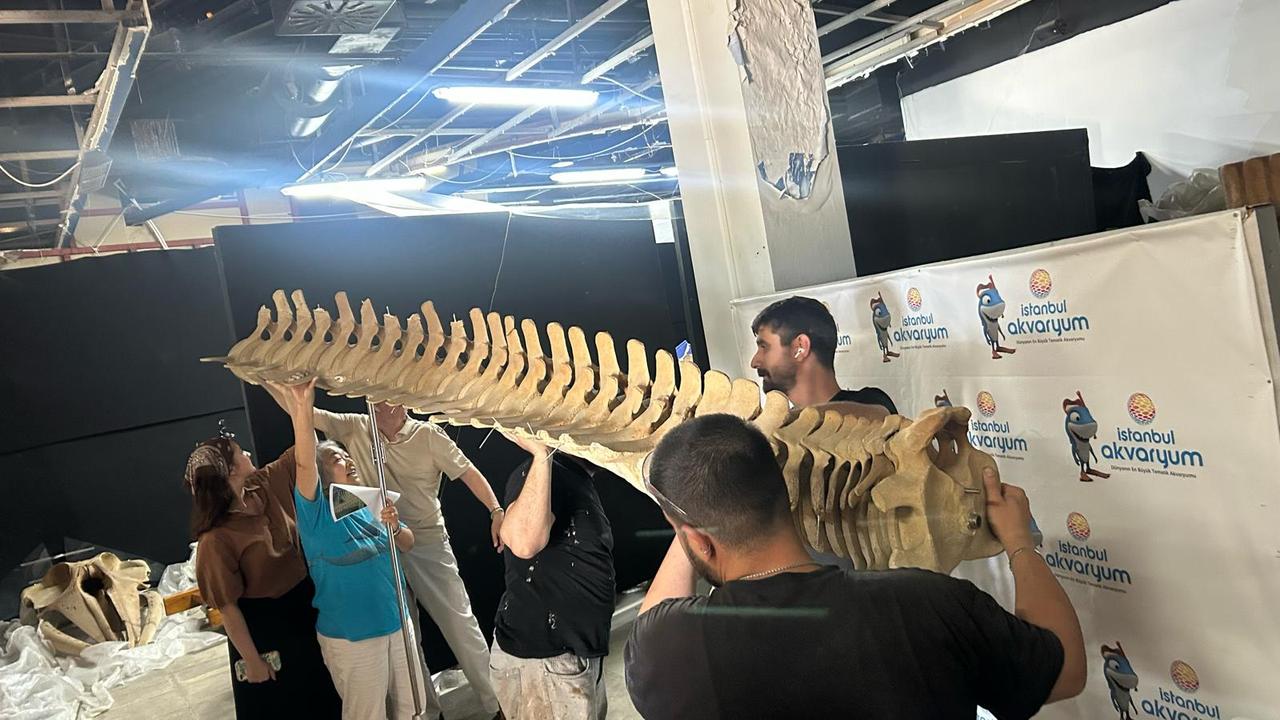
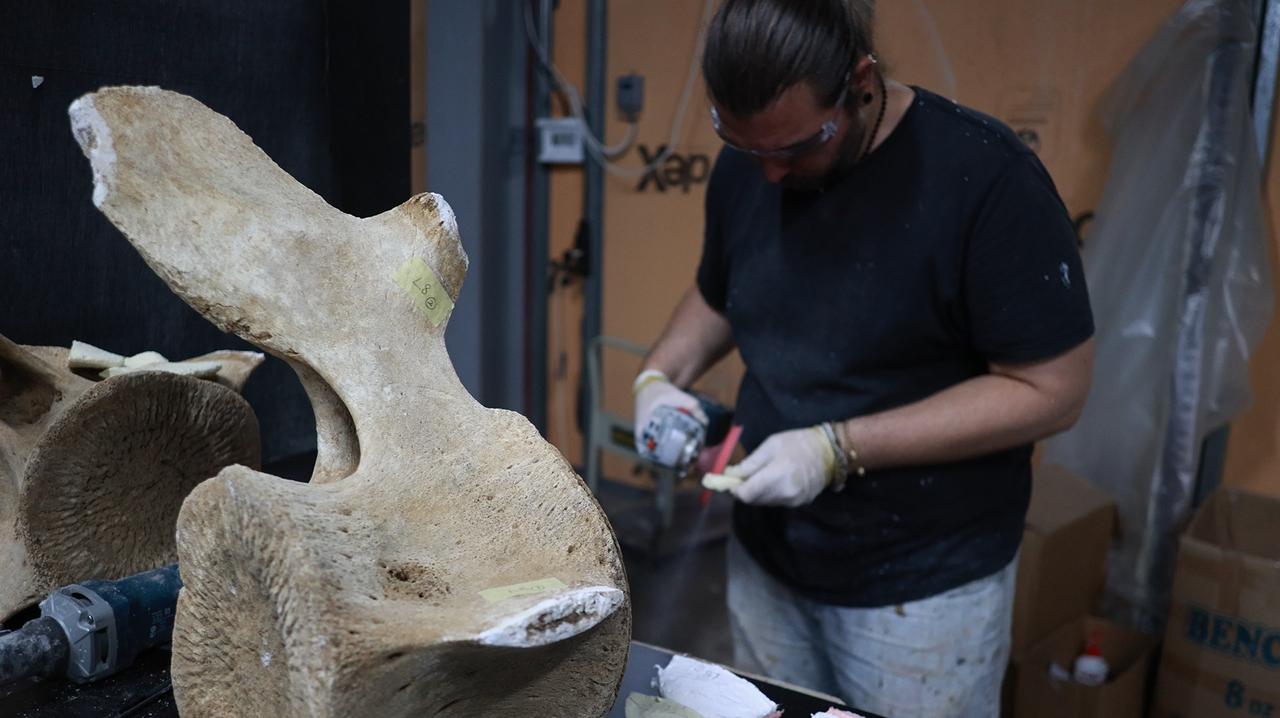
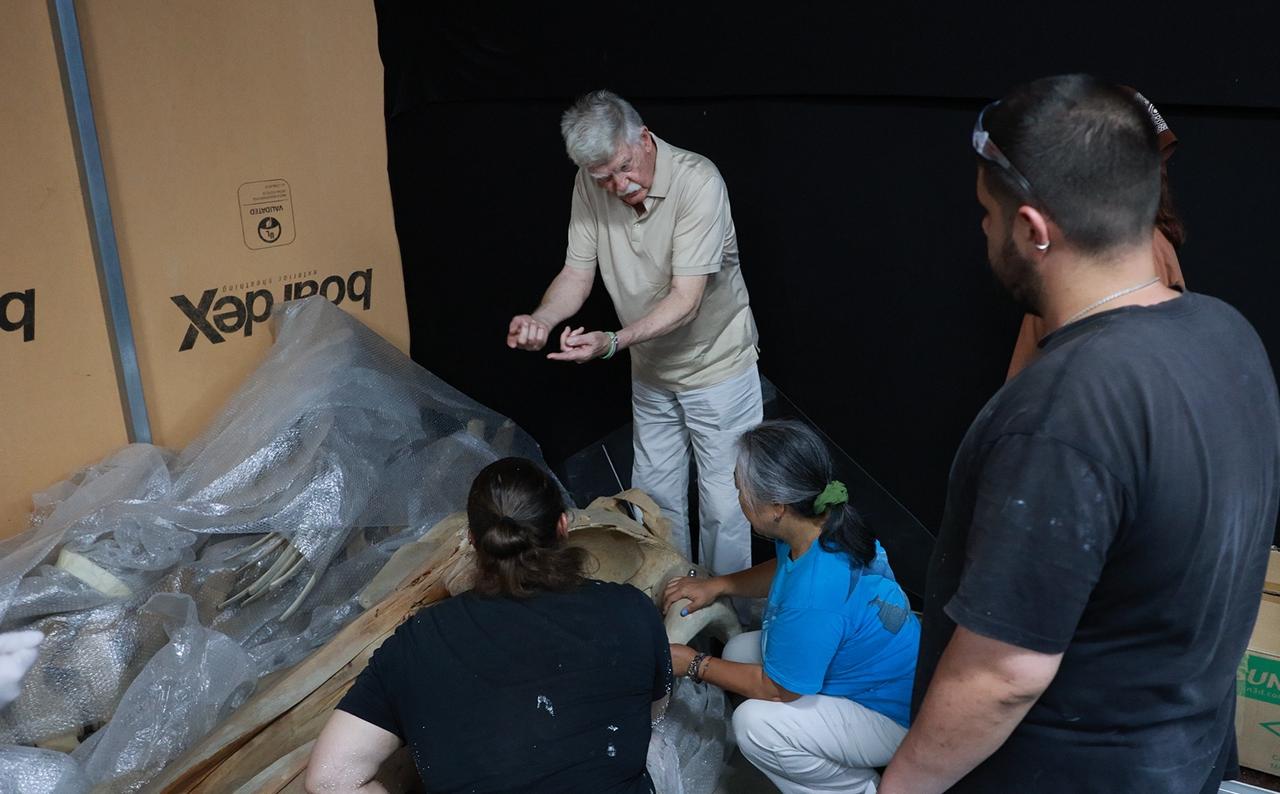
Beyond its visual impact, “Giants of the Ocean” serves a scientific and educational purpose. Professor Bayram Ozturk, President of TUDAV, explained that stranded marine mammals provide crucial data about ocean health. By conducting necropsies on these animals, researchers can identify causes of death, ranging from parasitic infections and pollution to climate-related stress and food chain disruptions.
Ozturk noted that many coastal communities in Türkiye remain unaware that whales inhabit and traverse nearby seas. According to him, exhibitions like this play a critical role in making marine biodiversity visible and understood. He stressed that protecting the seas begins with recognizing what lives within them, adding that the foundation has spent more than two decades building this unique scientific collection.
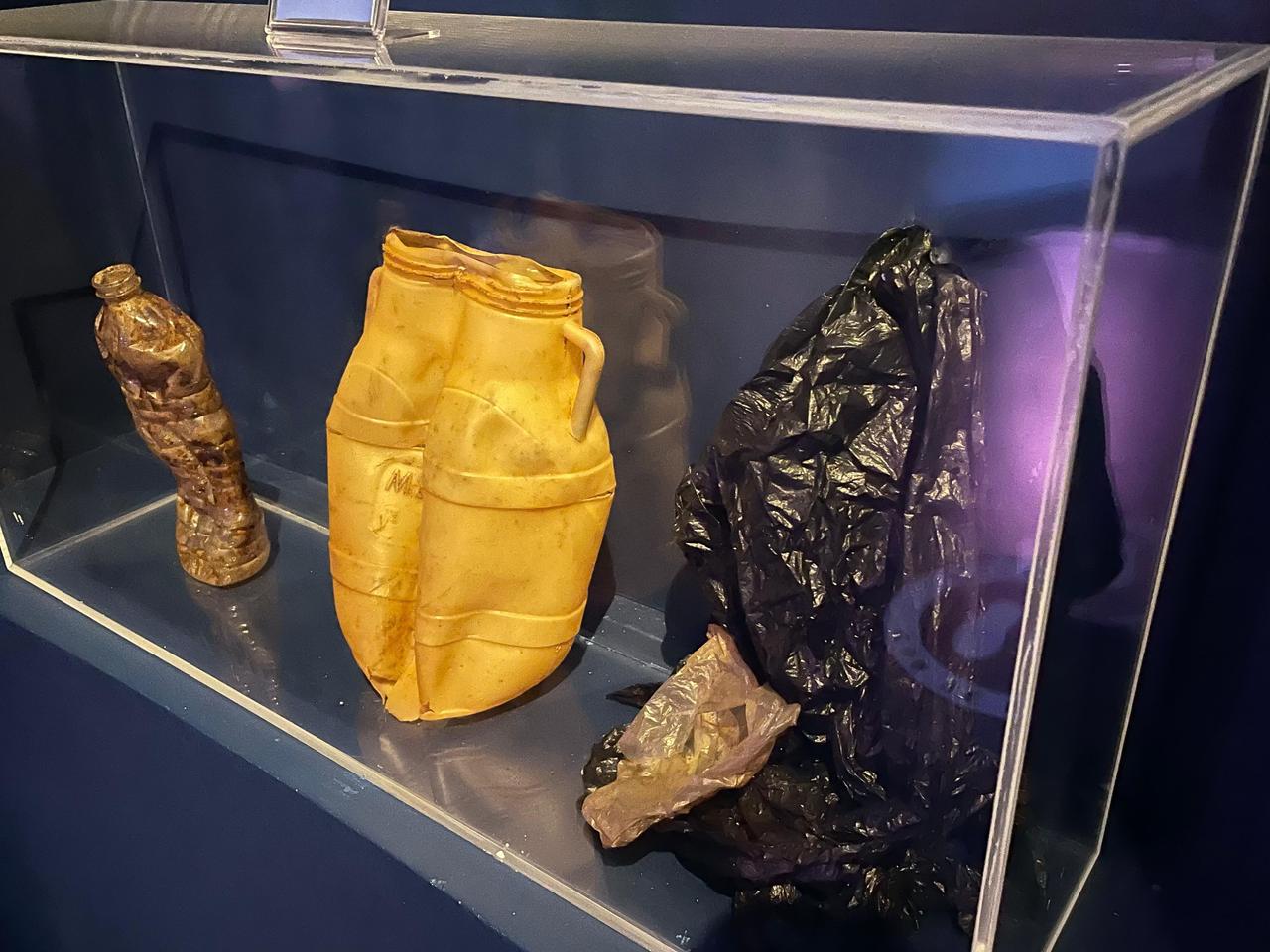
The exhibition also highlights threats such as plastic pollution, ghost nets, underwater noise, and habitat loss. In one particularly striking display, plastic waste recovered from the stomach of a stranded whale is exhibited alongside the skeleton, illustrating the direct impact of human activity on marine life.
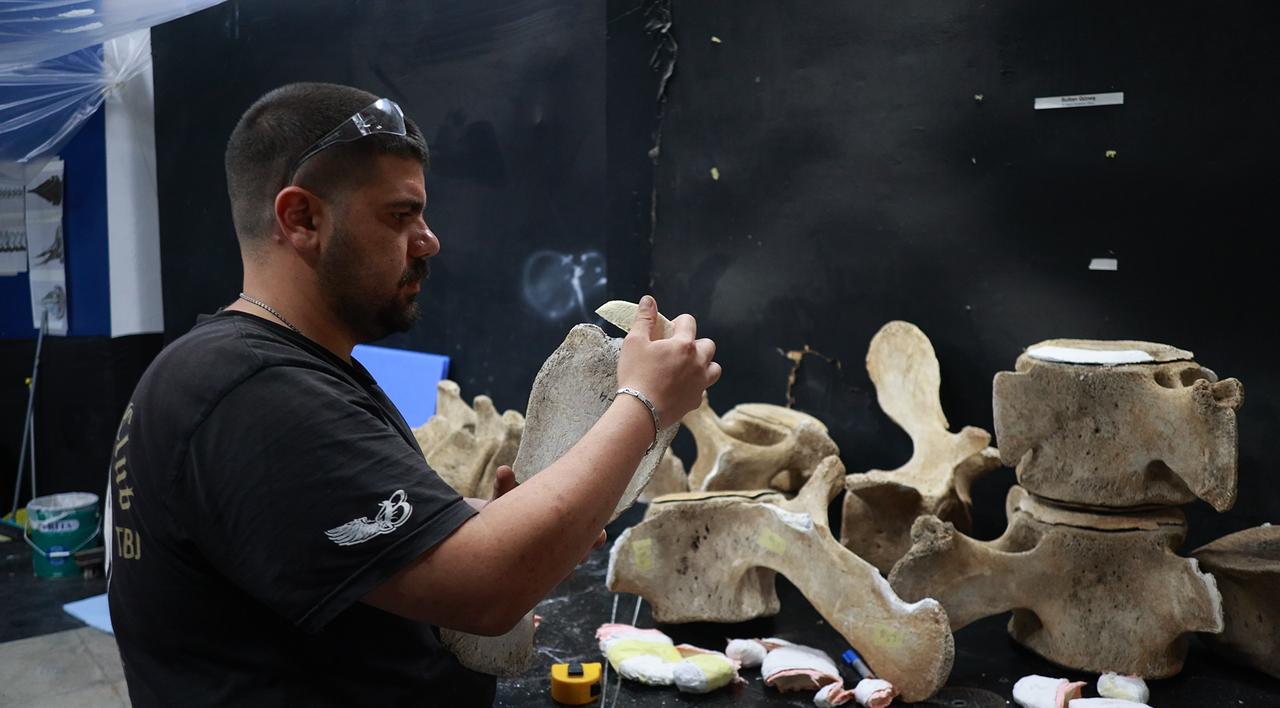
Ayaka Amaha Ozturk, the scientific consultant of the exhibition, pointed out that it is rare to encounter such animals even in the wild. Seeing their skeletons up close allows visitors to grasp their size and complexity while also reminding them of shared responsibility for ocean protection.
Capanoglu underlined that the exhibition aligns with Istanbul Akvaryum’s long-term vision of awareness-building. She explained that children often respond strongly to seeing tangible evidence of pollution, such as plastic objects removed from a whale’s stomach, which helps turn abstract environmental concepts into concrete realities.
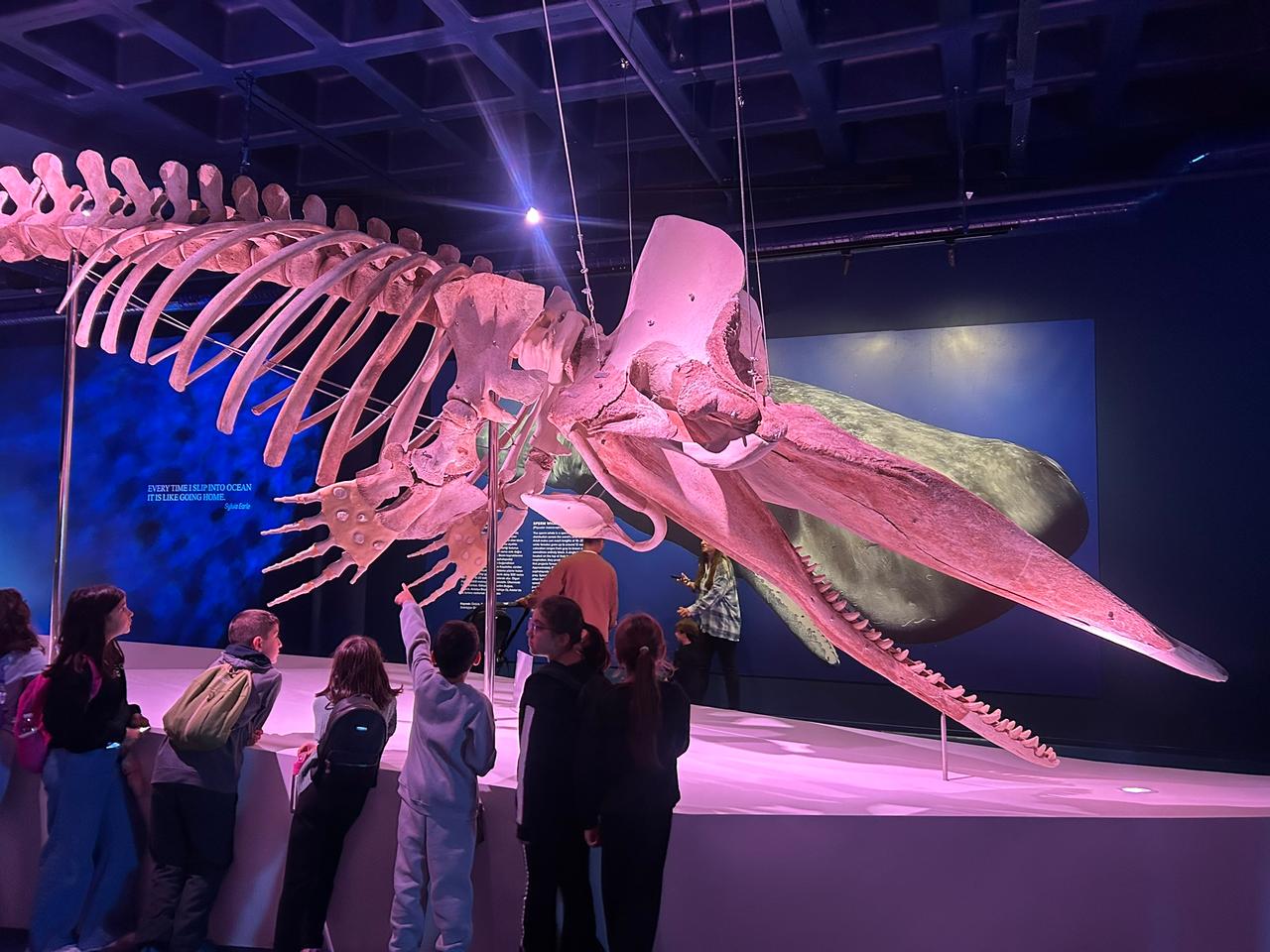
Each year, Istanbul Akvaryum welcomes nearly 1.5 million visitors, both domestic and international. Since its opening, it has hosted visitors from close to 190 countries, making it a platform for cross-cultural knowledge exchange. School groups form a significant part of this audience, with hundreds of thousands of students visiting annually as part of educational programs.
The aquarium’s contribution extends beyond education into tourism promotion.
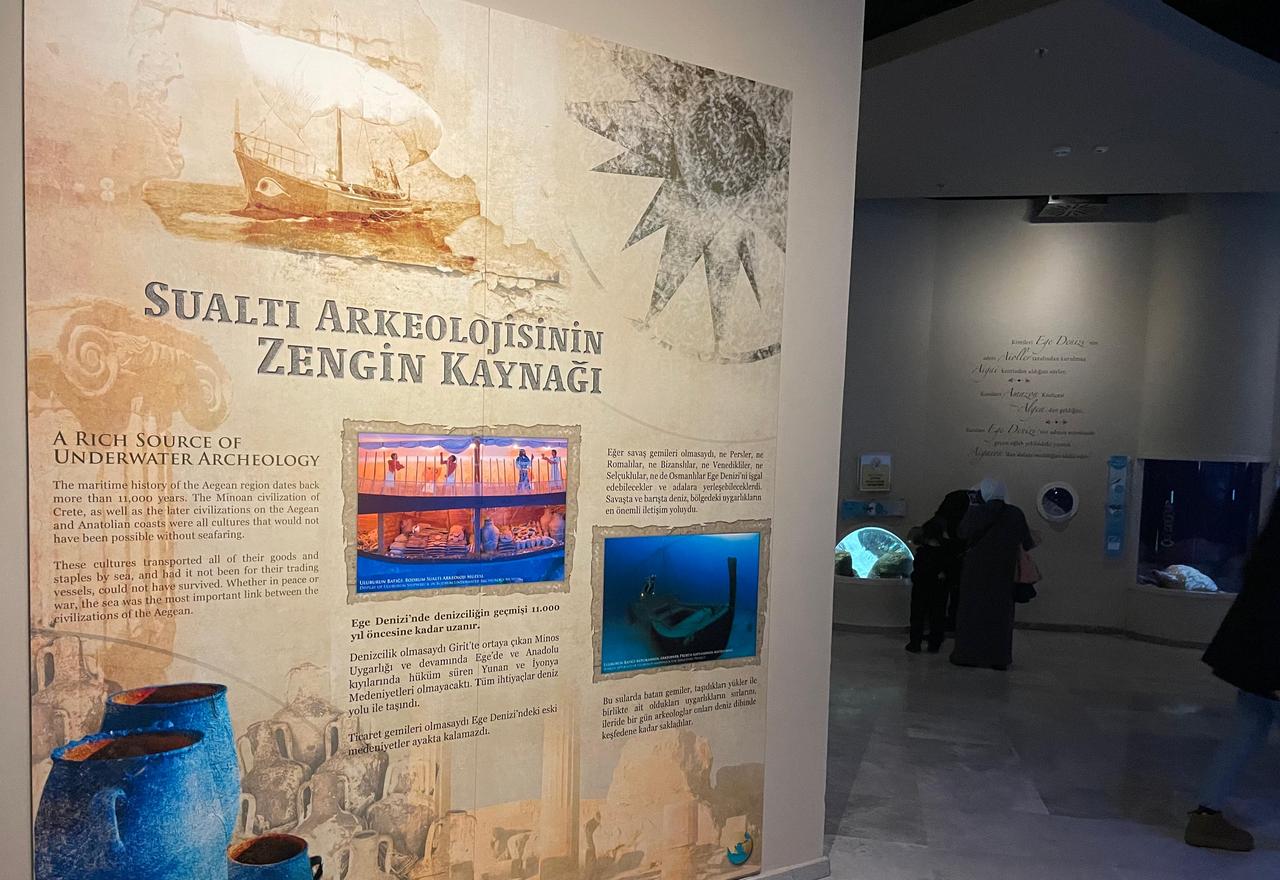
Through its geographic themes and historical narratives, it introduces visitors to Türkiye’s cultural heritage while positioning the country within a global environmental context.
This international role was further reinforced when Istanbul Akvaryum hosted the European Union of Aquarium Curators (EUAC) 2025 Conference, bringing together over 180 aquarium directors, curators, and marine experts from around the world. Held in Istanbul for the first time, the conference focused on sustainability, aquarium management, and environmental awareness, while also showcasing the city’s cultural richness.
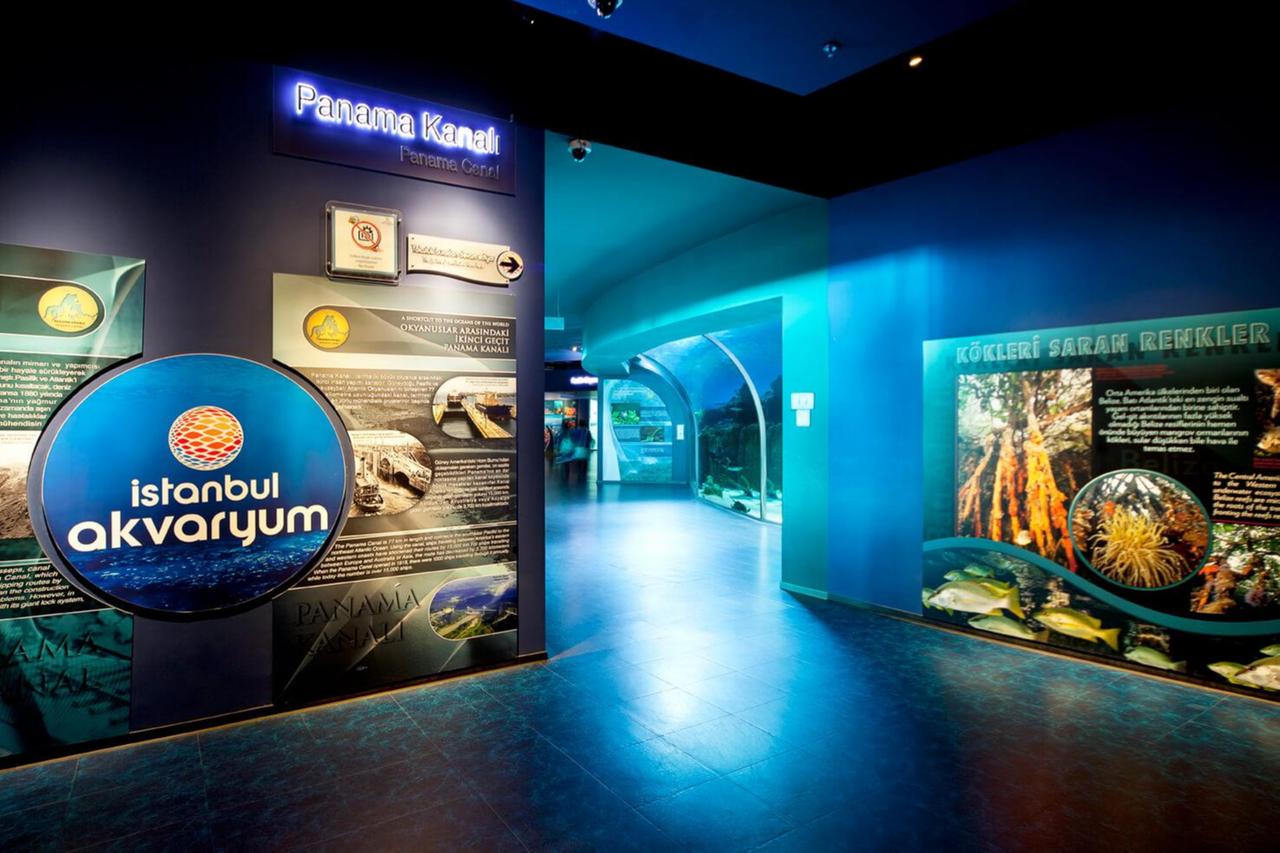
As climate change accelerates and marine ecosystems face unprecedented pressure, facilities like the Istanbul Akvaryum occupy an increasingly important space between science and society. By combining research, conservation, education, and cultural storytelling, the aquarium offers a model for how public aquariums can contribute to environmental resilience.
Rather than presenting nature as something separate from human life, Istanbul Akvaryum consistently emphasizes connection. Through living ecosystems, scientific exhibitions, and collaborative research, it invites visitors to recognize the oceans not as distant expanses, but as shared environments whose future depends on collective responsibility.
Views from the access routes to Istanbul Akvaryum and scenes from inside the facility highlight one of Türkiye’s leading marine education and conservation centers. (Video via Istanbul Akvaryum)
The Istanbul Akvaryum is located in the Florya district on the European side of Istanbul and is easily accessible by multiple public transportation options.
Visitors can reach the venue by taking the Marmaray suburban train and getting off at the Florya Akvaryum Station, which offers direct access to the complex.
Those using the Metrobus system can get off at the Besyol stop and continue by Florya minibuses to the final stop. Several public bus lines also serve the area, including the BN1 Halkali to Eminonu line, the 73Y Kuyumcukent to the Istanbul Akvaryum line, the 73B Bakirkoy to Florya line, and the 73F Taksim to the Florya line.
Sea transport is another option, with visitors arriving at the IDO Bakirkoy Pier and transferring to the BN1 bus line. Travelers using the metro can take the Ataturk Airport Metro Line, get off at the Sirinevler Station, and then transfer to either the 73B or 73F bus lines toward Florya.
The Istanbul Akvaryum is open on weekdays from 10:00 a.m. until 7:00 p.m., while weekend visiting hours extend from 10:00 a.m. to 8:00 p.m., allowing flexibility for both local and international visitors planning their trip.


 Set as preferred source
 Set as preferred source


 2 min read