Close
newsletters Newsletters
X Instagram Youtube

Ramadan in Türkiye: Shared tables, busier nights and what visitors need to know

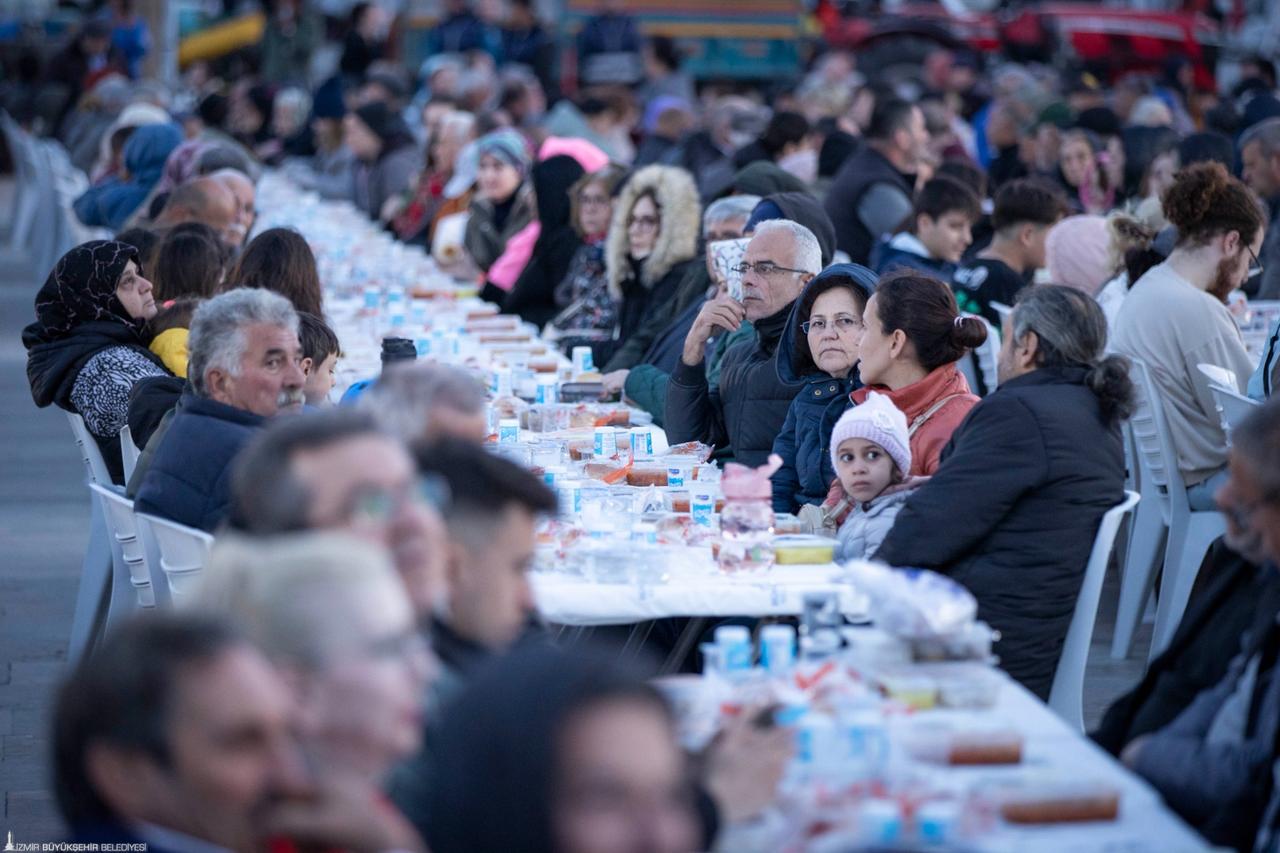
A public iftar table set up in Izmir, Türkiye, 2025. (AA Photo)
Photo
BigPhoto
A public iftar table set up in Izmir, Türkiye, 2025. (AA Photo)
February 19, 2026 12:26 PM GMT+03:00

In Türkiye, Ramadan started on Thursday. The holy month is less about a daytime shutdown and more about a rhythmic shift. While the sun is up, life in major cities and tourist hubs moves at its usual pace; once the sun sets, the country transforms into a vibrant, late-night social hub.

Across the country, the most visible official Ramadan layer tends to split into two tracks: national-scale charity and public dining, and city-level cultural calendars that become more active after sunset.

What you need to know:
  • Daily life does not stop during Ramadan, but evenings become significantly busier. Restaurants fill quickly around iftar, public squares come alive, and social activity often continues late into the night.
  • Across Türkiye, free community iftar tables organized by public institutions and municipalities are common. Visitors are generally welcome, making them one of the easiest ways to experience Ramadan culture firsthand.
  • There are no nationwide restrictions on tourists, but modest clothing in mosques, awareness during prayer times, and a discreet approach to eating or drinking in conservative areas help visitors navigate Ramadan smoothly.

A nationwide public iftar program, officially announced

The Directorate General of Foundations (VGM) has announced a 2026 Ramadan program framed as free public iftar gatherings across 81 provinces at 151 locations, run via regional directorates.

Their announcement also states the scale of daily and monthlong participation targets, and notes an international extension of iftar support to multiple countries and cities.

For travelers, the practical takeaway is simple: in many provinces, you can find organized, public-facing iftar setups that are not private or invite-only, although local details vary by city.

Other key dates travelers might want to keep in mind are Laylat al-Qadr on March 16, the last day of fasting known as "arefe" on March 19, and Eid al-Fitr, which runs from March 20 to 22.
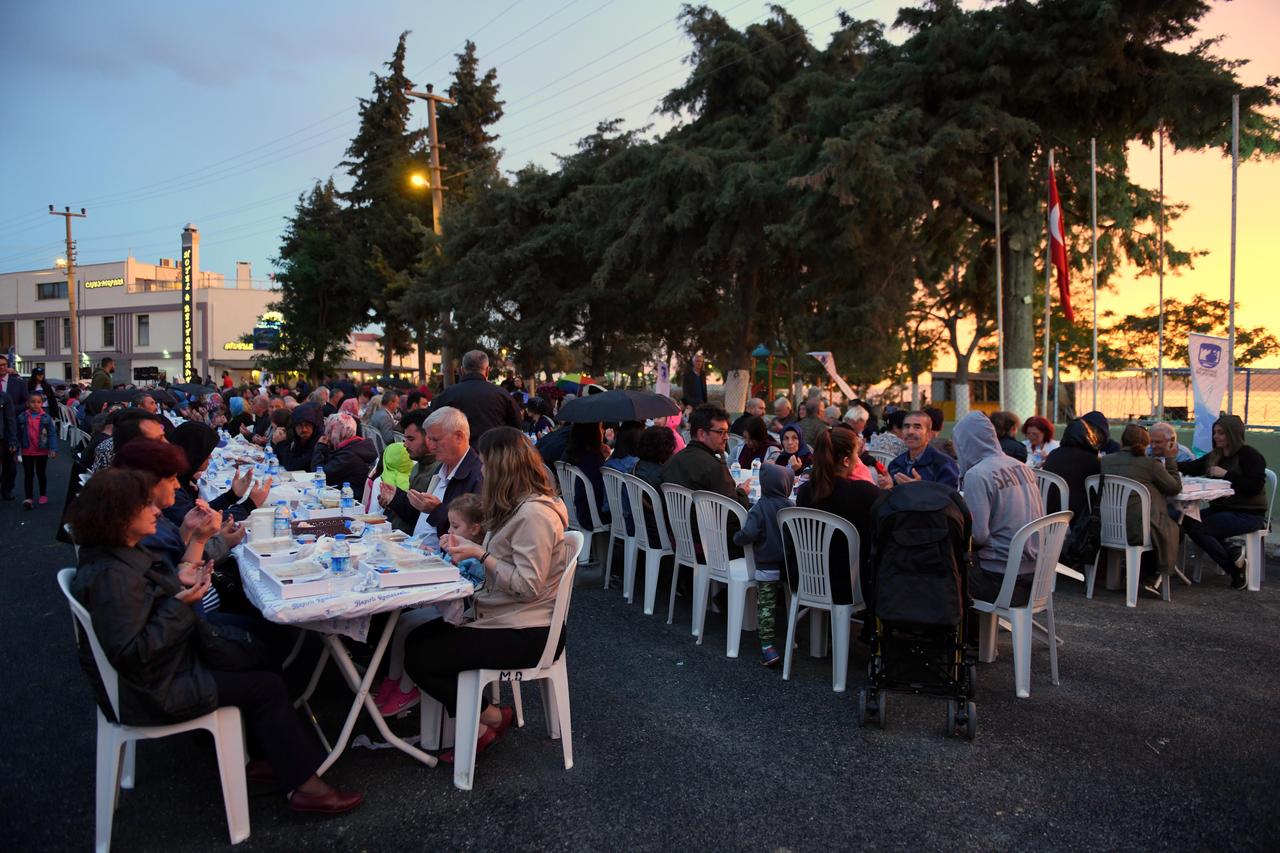
A public iftar table set up in Canakkale, Türkiye, 2025. (AA Photo)

What changes for tourists (and what usually does not)

  • Daytime life does not “stop” nationwide, especially in major tourist corridors, but routines can soften in some neighborhoods.
  • Evenings get busier: shopping streets, promenades, and public squares often feel more active after iftar.
  • Eid days can affect opening hours: some businesses may close or run shorter hours early in the holiday period, depending on the city and sector.

Etiquette and logistics: Few rules that prevent awkward moments

  • Eating in public during the day: not universally a problem, but a lower-profile approach is usually better in conservative areas.
  • Mosque visits: dress modestly and avoid entering during prayer if visitors are discouraged at that moment.
  • Alcohol rule: Türkiye’s law generally prohibits retail alcohol sales between 10 p.m. and 6 a.m., year-round.
February 19, 2026 12:26 PM GMT+03:00
More From Türkiye Today