Newsletters


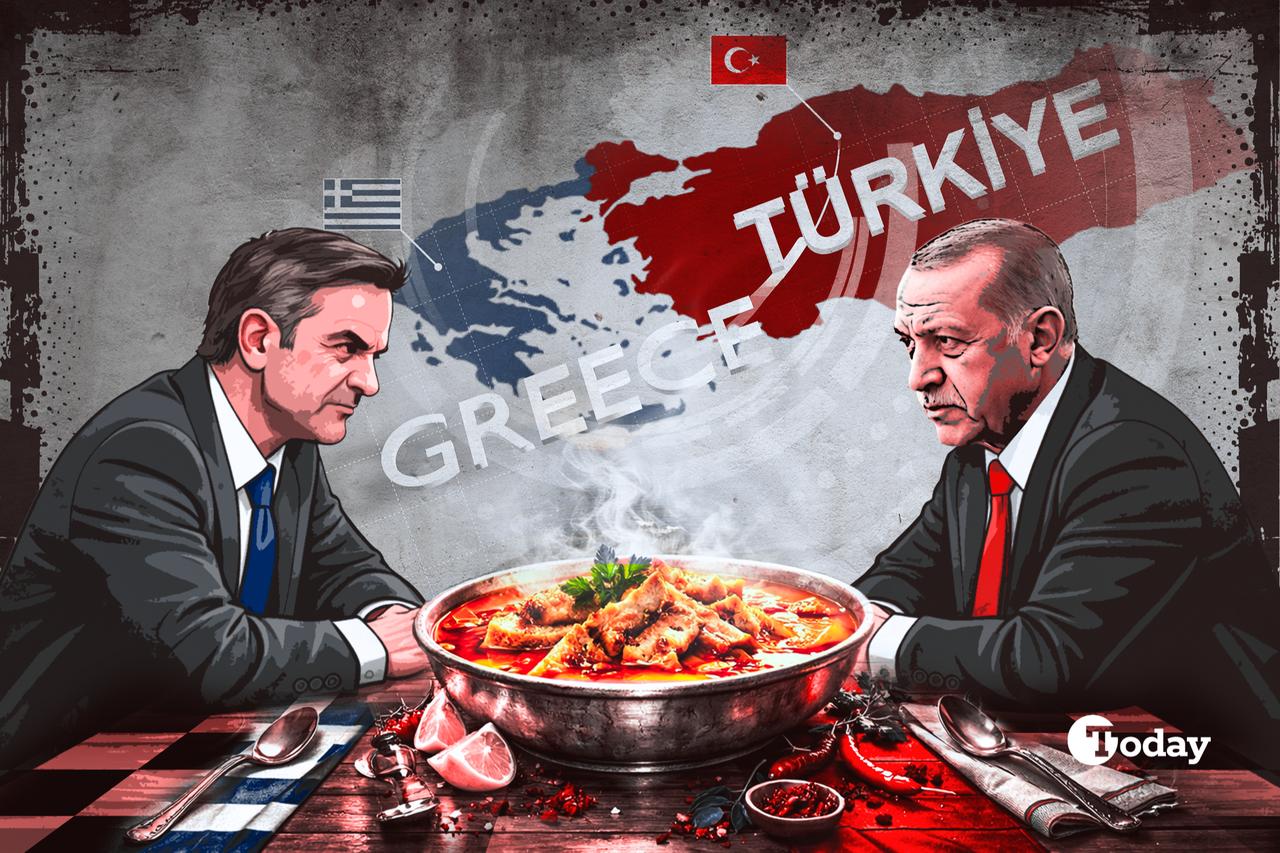


Somewhere between the steam rising off a bowl of tripe soup and the marble corridors of diplomacy, civilization has once again found a way to embarrass itself.
The government of Greece, in a fit of cultural assertiveness that smells faintly of oregano and brinkmanship, has reportedly embarked on the delicate bureaucratic ballet required to persuade UNESCO to recognize a particular variety of tripe soup, known in Turkish as iskembe, as Greek heritage. The Turks, who have been simmering the stuff since janissaries were a going concern for the West, are not amused.
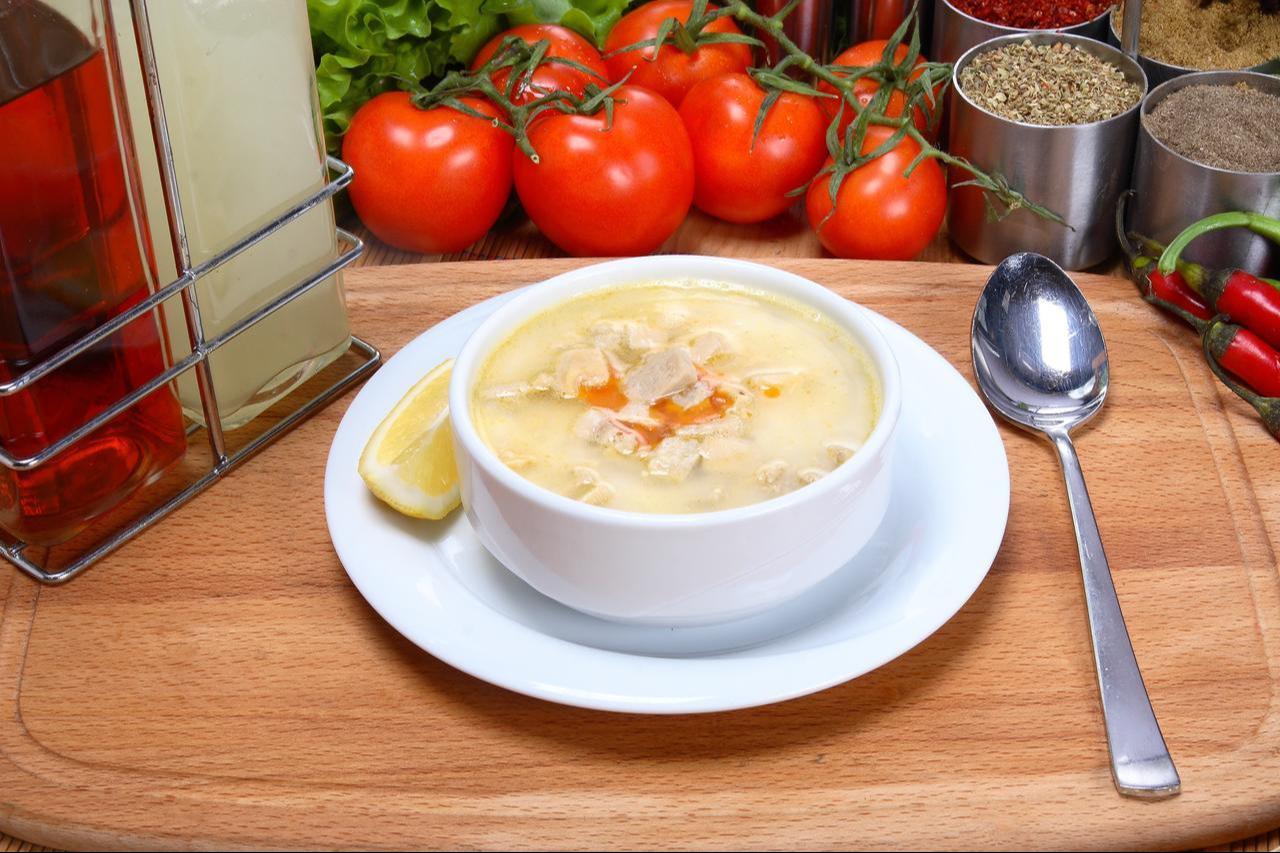
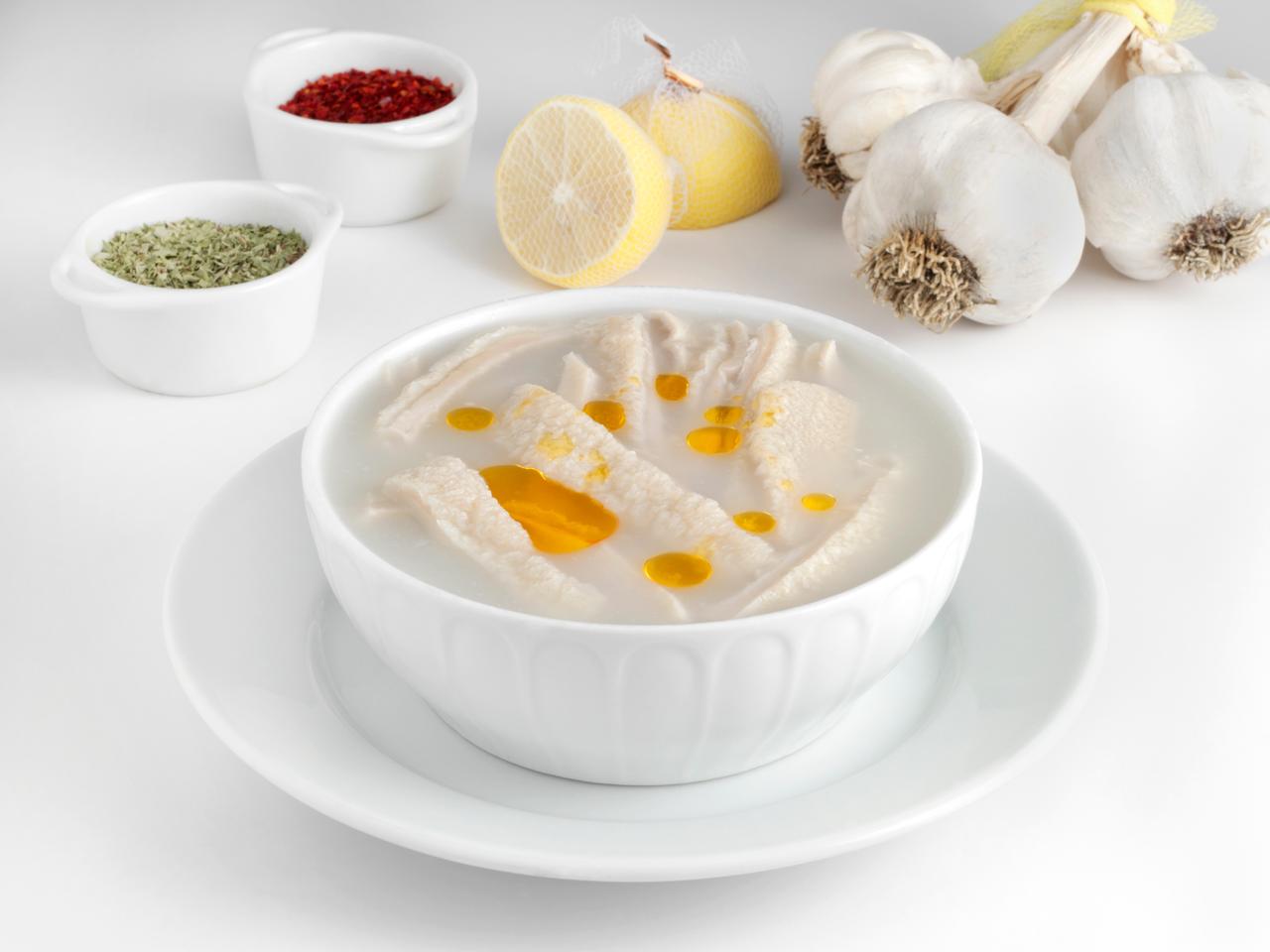
For readers unacquainted with the soup at the center of this Mediterranean melodrama, iskembe corbasi is a milky, garlicky broth built around cow stomach, vinegar, and a squeeze of lemon. It’s allegedly restorative, confrontational, and best consumed at 3 a.m., after a night of regrettable decisions.
In Greek kitchens, a similar preparation answers to patsas. The bowls look alike enough to trigger a Balkan identity crisis.

But a claim to culinary ancestry is no longer settled by grandmothers arguing over copper pots.
It requires forms, boxcar loads of them. To secure inscription on UNESCO’s Representative List of the Intangible Cultural Heritage of Humanity, a state must compile a nomination dossier that reads like a doctoral thesis crossed with a parish cookbook.
There must be a demonstration of “community consent,” evidence of intergenerational transmission, safeguarding plans, and a detailed explanation of how the practice contributes to cultural diversity and human creativity. There are advisory bodies, evaluation cycles, and intergovernmental committees. There are deadlines that arrive like winter.
Full disclosure. As a citizen of the Hellenic Republic with a preference for Turkish baklava and Greek coffee, I can vividly envision Greek civil servants hunched over glowing monitors in Athens, drafting a safeguarding plan for bovine stomachs.
Annex A: Historical documentation from the Byzantine era. Annex B: Testimonials from Thessaloniki night-shift taxi drivers. Annex C: A risk assessment addressing globalization, veganism, and the rise of quinoa.
Across the Aegean, in Ankara, I can guarantee someone is likely preparing a counter-dossier, citing Ottoman court records and the culinary cartography of empire. Because if history teaches anything, it’s that borders move, but recipes linger, and people grow territorial about both.
Wars have started over less digestible matters. The so-called Sausage War between Germany and Britain before World War I was not technically about sausages, but the tariffs and national pride surrounding them carried the same pungent notes.
In the 17th century, the Dutch and the English quarrelled over spice routes and the passage of nutmeg and cloves that flavored not just stews but geopolitics. Even the humble cod fueled centuries of maritime hostility between Britain and Iceland in the 20th century, the Cod Wars, in which fish became a proxy for sovereignty.
Food labeling, too, has drawn bloodless but bitter skirmishes. The European Union’s protected designation of origin (PDO) regime has turned feta cheese, Parma ham, and Champagne into legal minefields. When “feta” was declared exclusively Greek within the EU, Danish and German producers bristled. No artillery fired, but trade lawyers sharpened their knives and billed clients for overtime.
The Greek-Turkish tripe tussle belongs to this lineage of edible nationalism. It’s a reminder that cuisine is a palimpsest: layers of conquest, migration, and adaptation simmered together until ownership becomes a matter of perspective. The Balkans, in particular, are a casserole of empires—Byzantine, Ottoman, and Habsburg—each leaving behind spices and grudges in equal measure.
Yet UNESCO’s intangible heritage list is not meant to adjudicate ownership in the sense of patents. It is supposed to recognize practices as living traditions, often shared across borders.
In theory, Greece and Türkiye could submit a joint nomination, presenting tripe soup as a shared Aegean inheritance, a culinary ceasefire ladled into porcelain bowls. In practice, that would require a degree of diplomatic choreography rarely seen outside synchronized swimming.
Which brings us, improbably, to Washington.
This week, according to reports circulating in the capital’s echo chambers, U.S. President Donald Trump’s Gaza Board of Peace is meeting in the nation’s marble-shadowed corridors. The very phrase sounds like something assembled in a golf clubhouse after the ninth hole, a panel of dealmakers prepared to solve centuries-old conflicts between lunch and dinner.
Turkish Foreign Minister Hakan Fidan will be there. Dare he wade into the broth? On one hand, the dispute over tripe soup is precisely the kind of low-stakes, high-symbolism quarrel that lends itself to theatrical mediation. A photo-op featuring Greek and Turkish chefs shaking hands over a steaming tureen would cost less than a single F-35 engine and generate infinitely more goodwill.
On the other hand, inserting an American-led body into a culinary rivalry risks turning a regional spat into a geopolitical soufflé, as in overinflated and prone to collapse.
The appropriate forum for matters touching on international cultural recognition remains multilateral. The United Nations system, including UNESCO itself, exists precisely to absorb these contests into committees, subcommittees, and working groups where tempers cool beneath fluorescent lighting.
The U.N. Security Council is unlikely to convene an emergency session on the ontological status of tripe. One can safely assume that permanent members have other preoccupations. Yet the broader U.N. architecture is designed for the slow grind of consensus-building, the kind that can transform a shared soup into a shared story.
 2 min read
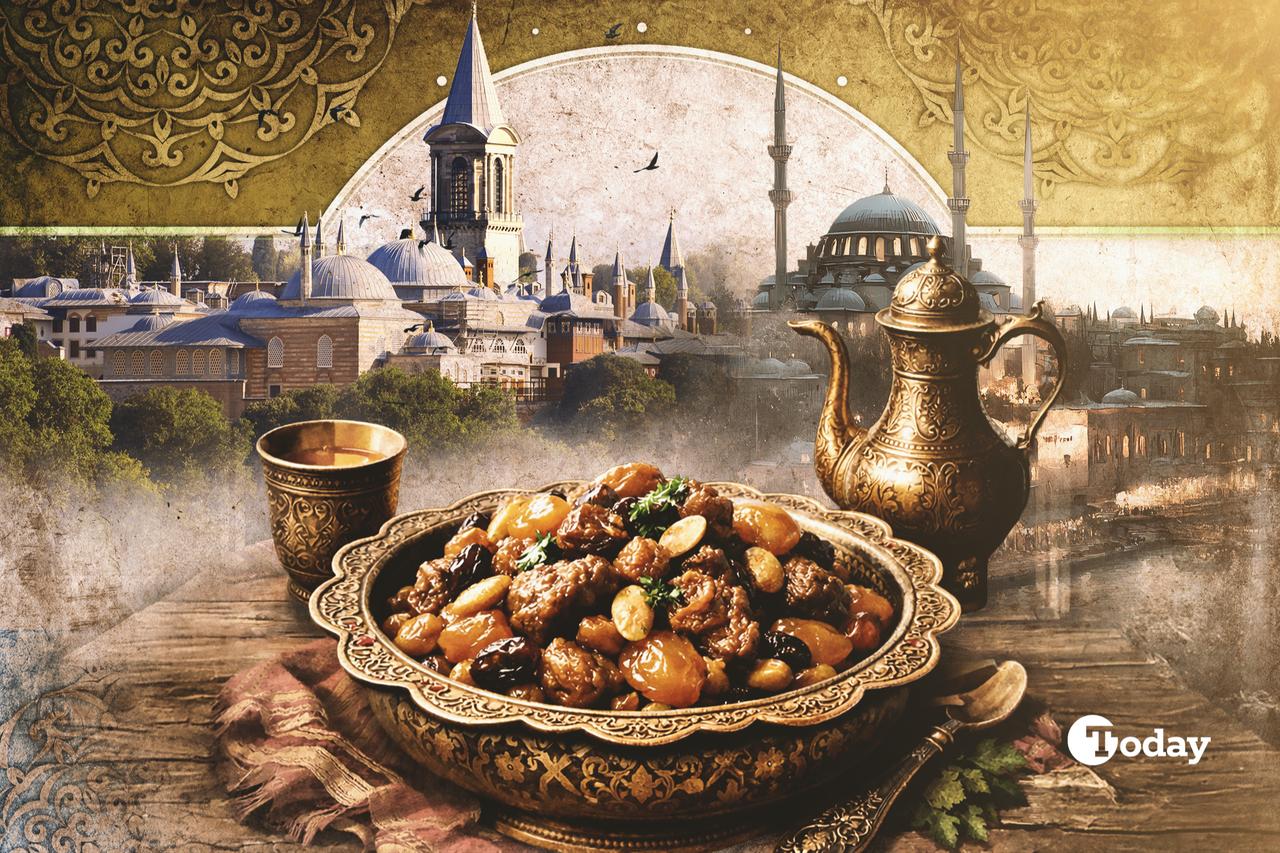
Perhaps the more interesting question is why nations care so deeply. The answer lies not in the stomach but in the archive. When a dish is inscribed on a UNESCO list, it becomes part of a nation’s officially curated narrative. It is tourism marketing, soft power, and identity politics distilled into consommé. For countries whose histories are entangled and whose borders have shifted like sandbars, recognition can feel like validation.
In a village taverna on a windy Greek island, an old man might shrug at the idea that tripe soup needs an international certificate. He knows who taught him to make it. In a late-night lokanta in Istanbul, a cook ladling garlic and vinegar into white broth might say the same.
The soup does not care what flag flutters outside.
Still, somewhere in Athens and Ankara, drafts are being revised, footnotes adjusted, and commas debated. The fate of fermented stomach lining now hinges on procedural compliance and diplomatic finesse.
Civilization, it seems, advances not only through treaties and technologies, but through arguments over what to call dinner. If peace can be brokered over the tripe, perhaps there is hope for us yet.
If not, there is always vinegar.


 Set as preferred source
 Set as preferred source



 1 min read