Newsletters


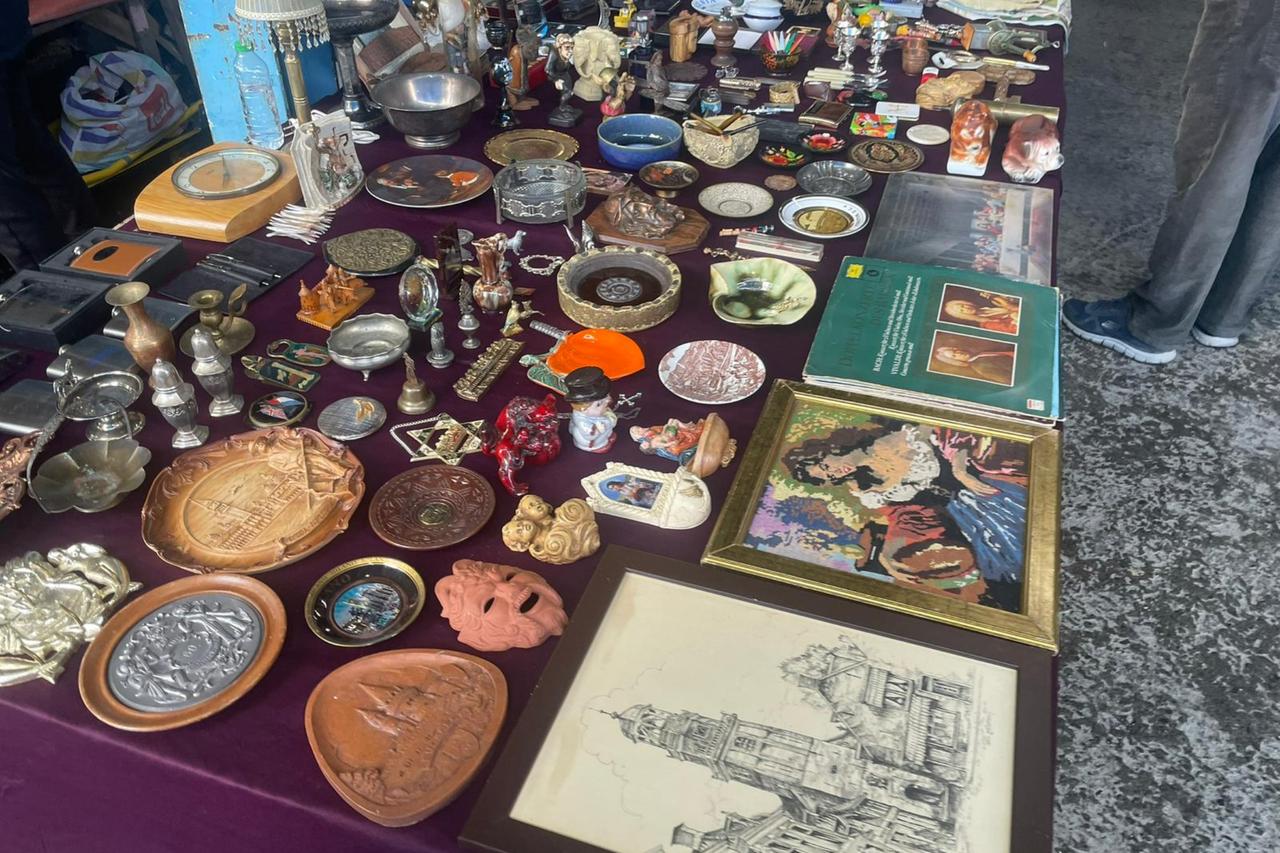


Istanbul’s antique scene does not revolve around a single standout destination; instead, it spreads across five distinct hubs, each serving a different type of buyer.
From the large-scale Sunday market in Ferikoy to the design-led streets of Cukurcuma and the furniture-heavy Horhor complex, the city’s structure rewards planning over chance.
The antique landscape in Istanbul breaks into five practical tiers. Ferikoy stands out as the most accessible entry point, offering a wide range of small, affordable items in a structured Sunday market format.
Horhor, by contrast, functions as a dense, multi-floor ecosystem focused on furniture, mirrors, and restoration-driven pieces, making it better suited to buyers looking for statement objects.
Cukurcuma shifts the tone toward curated collecting, with a concentration of galleries and shops known for midcentury furniture, textiles, and refined decorative items.
On the Asian side, Kadikoy’s Tellalzade Street offers a calmer and more local experience, supported by smaller dealers and auction-linked specialists. Mecidiyekoy, meanwhile, provides a practical indoor alternative, favored for its central location and weekday convenience.
This division also reflects how the markets operate over time. Sunday centers almost entirely on Ferikoy, while weekdays and Saturdays favor Horhor, Cukurcuma, Kadikoy, and Mecidiyekoy for more focused buying.
The most effective way to approach Istanbul’s antique markets is to plan around the calendar rather than geography. Ferikoy remains the only major market with a clearly defined Sunday schedule, running from morning to early evening, and it continues to attract both casual visitors and serious buyers seeking variety.
On other days, the balance shifts. Horhor becomes the strongest morning anchor for larger objects, while Cukurcuma works best later in the day when shops are open and the streets are active. Mecidiyekoy and Kadikoy then function as flexible add-ons, depending on whether convenience or atmosphere matters more.
A half-day Sunday route typically combines Ferikoy with Cukurcuma, allowing time for browsing and comparison. On a full weekday, a more structured sequence, Horhor followed by Cukurcuma and a final stop in Mecidiyekoy or Kadikoy, offers a clearer path for collectors.
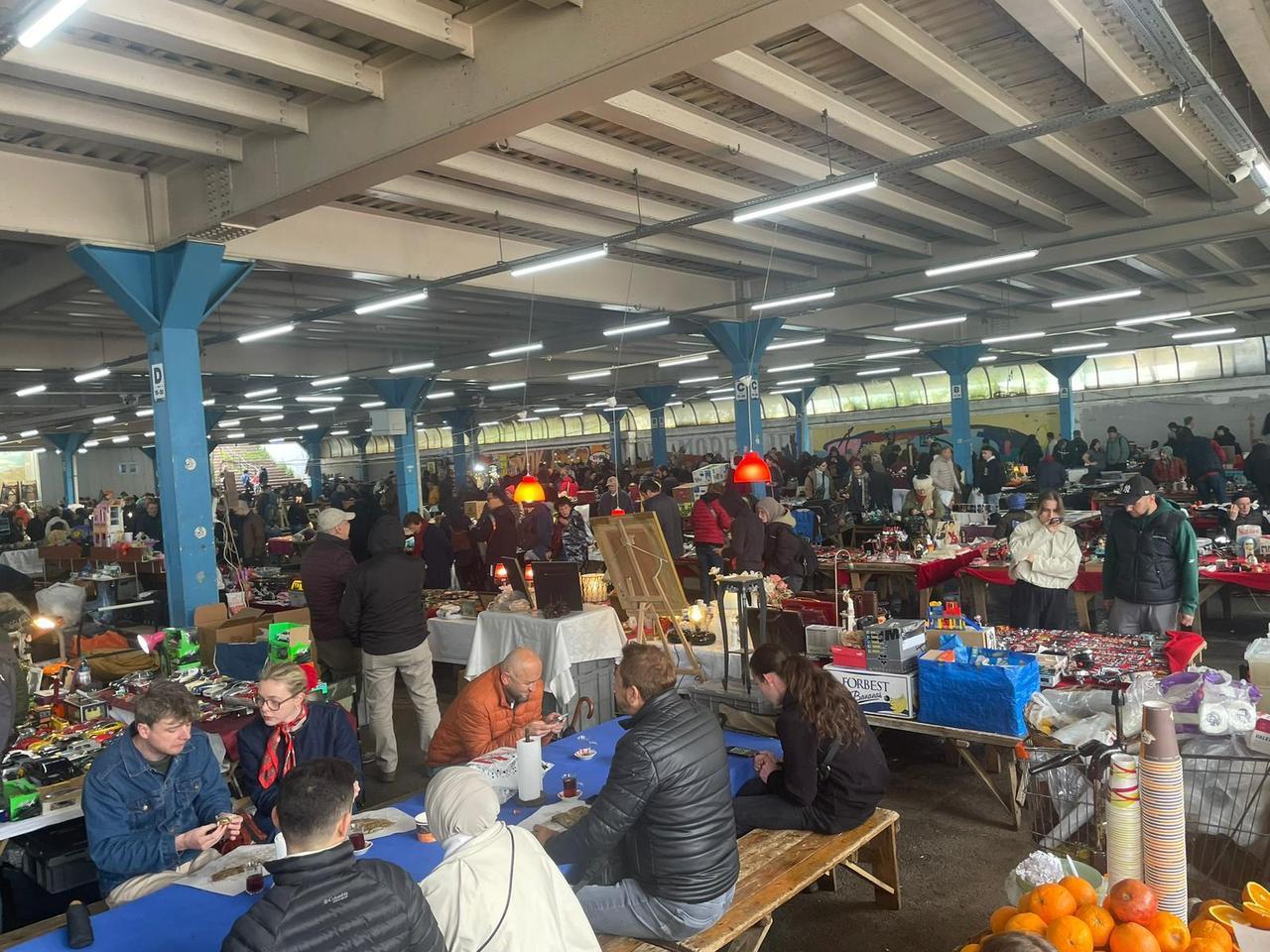

Prices vary widely, but they tend to follow the character of each area. Ferikoy remains the most accessible, with many small items reported between ₺100 ($2.21) and ₺500, while selected pieces such as watches or sets can rise into the low thousands.
Horhor moves into mid- to high-range territory, especially for furniture and chandeliers, where prices can reach into the tens of thousands depending on size and condition. Negotiation remains common, and buyers often reduce initial quotes through direct discussion.
Cukurcuma reflects a gallery-style spread, where entry-level auction lots may start modestly but curated pieces and artworks can climb significantly higher. Kadikoy offers a more moderate range for smaller collectibles, while Mecidiyekoy sits between convenience and quality, focusing on European decorative arts and early 20th-century objects.
The most effective approach depends on intent. For decorative purchases, a practical route is to begin in Ferikoy, where volume allows for comparison, then move to Cukurcuma for more curated options. Horhor is best reserved for those prepared to handle larger items or restoration work.
Bargaining remains part of the process, but recent visits emphasize that it works best as a conversation rather than a performance. Markets like Ferikoy and Horhor are more flexible, while higher-end Cukurcuma shops tend to hold firmer positions due to provenance and curation.
Payment practices also vary. Cash remains the safest option in open markets, although more formal dealers and auction houses increasingly accept cards and remote payments.
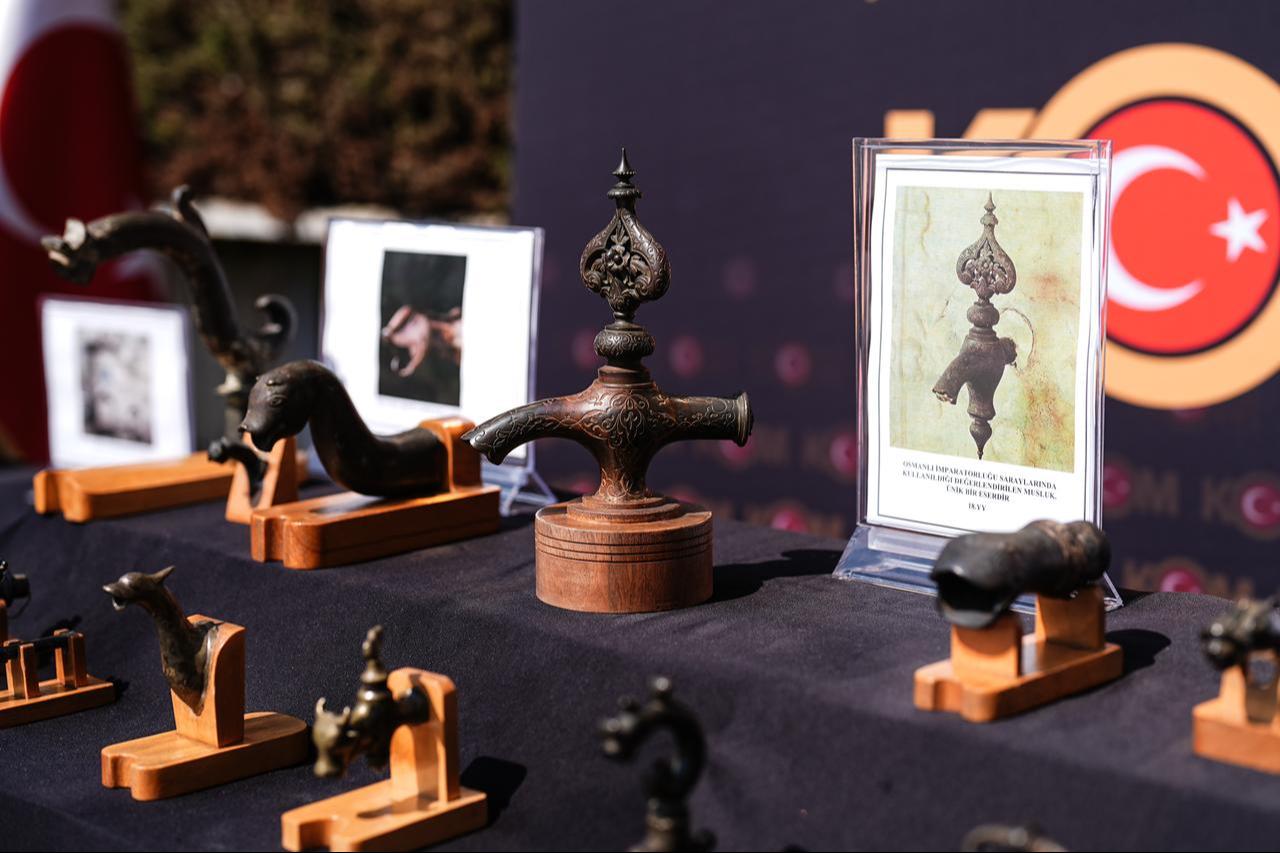
Antique buying in Türkiye is shaped by strict cultural heritage laws. Under Law No. 2863, a broad range of objects—including archaeological items, manuscripts, coins, and religious pieces—can be classified as protected cultural property.
In practical terms, this means that items with historical significance may not be exported without official approval. Customs authorities can request documentation, and objects may require an expertise report issued by state museums before leaving the country.
The safest assumption is that any item appearing historically significant could face restrictions. Buyers are advised to request detailed invoices and ask whether a museum expertise report can be provided if required. Recent enforcement underscores this approach, including a 2025 police operation in the Grand Bazaar area that resulted in the seizure of hundreds of historical objects.
Accessibility differs across the city’s antique hubs. Ferikoy and Mecidiyekoy are the easiest to reach via metro and offer straightforward layouts. Horhor is accessible but less polished on foot, while Cukurcuma provides a more atmospheric experience at the cost of steep, cobblestoned streets.
Kadikoy offers a balanced alternative, combining ferry access with a relaxed neighborhood setting and strong food options. This makes it particularly suitable as a final stop after a day of shopping on the European side.
A structured schedule produces better results than extended browsing. A half-day visit of around five hours is sufficient to cover Ferikoy and Cukurcuma on Sunday, while a full weekday itinerary of roughly eight hours allows for deeper engagement across multiple districts.
Antique shopping in Istanbul ultimately rewards focus and pacing. Rather than trying to cover every market, visitors benefit from selecting locations that match their interests and allowing enough time for inspection, negotiation, and comparison.
Visitors gather around a traditional gozleme stand as vendors prepare fresh flatbreads inside Ferikoy Antique Market in Istanbul, Türkiye. (Video via Instagram/@foodeverr)
One of the most memorable stops inside Ferikoy Organic and Antique Market is the gozleme stand run by local women vendors. Their handmade gozleme, prepared with organic whole-wheat flour, is a market favorite and works perfectly as a break between antique stalls. The herb, cheese, and potato versions are especially recommended, while the tomato borek is also worth trying with Turkish tea. Visitors can also pair it with fresh ayran.


 Set as preferred source
 Set as preferred source


 1 min read
 1 min read