Newsletters


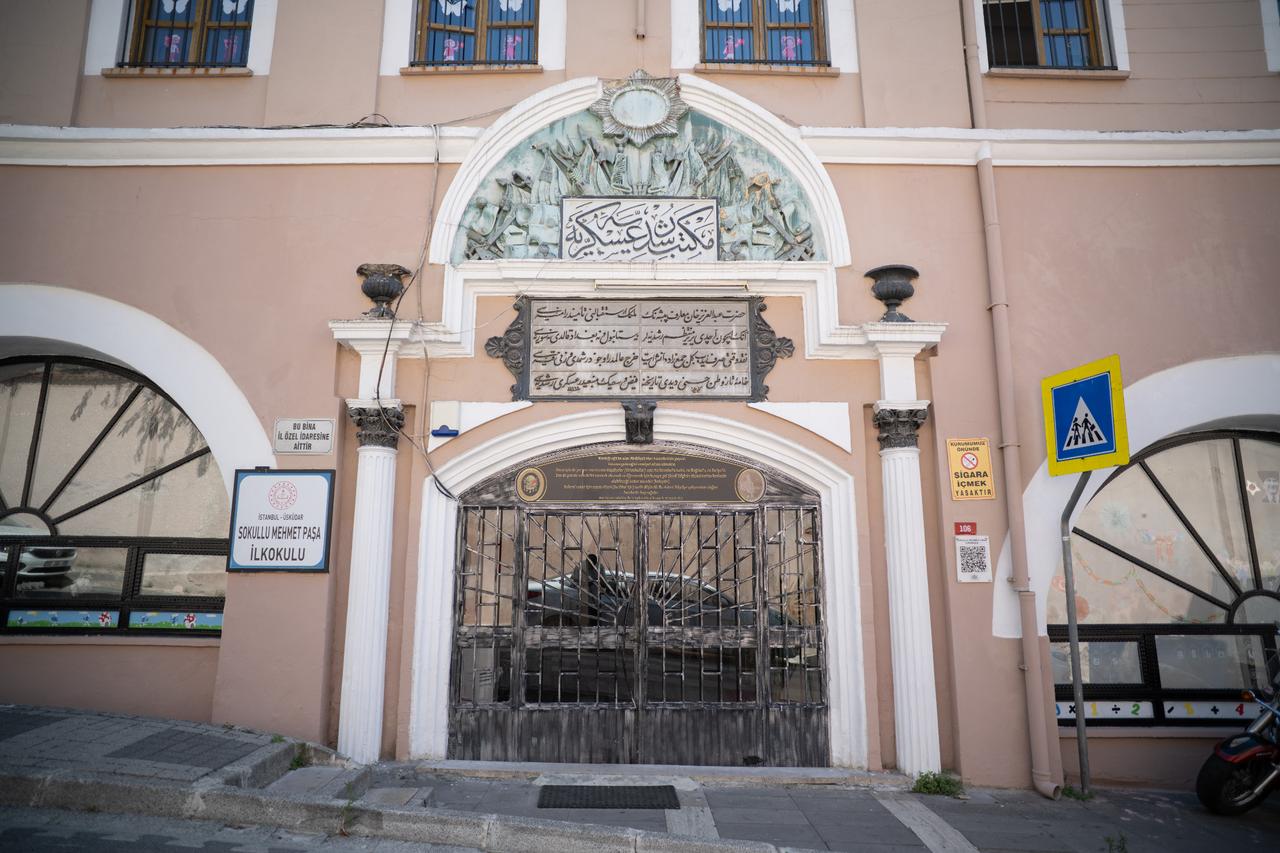


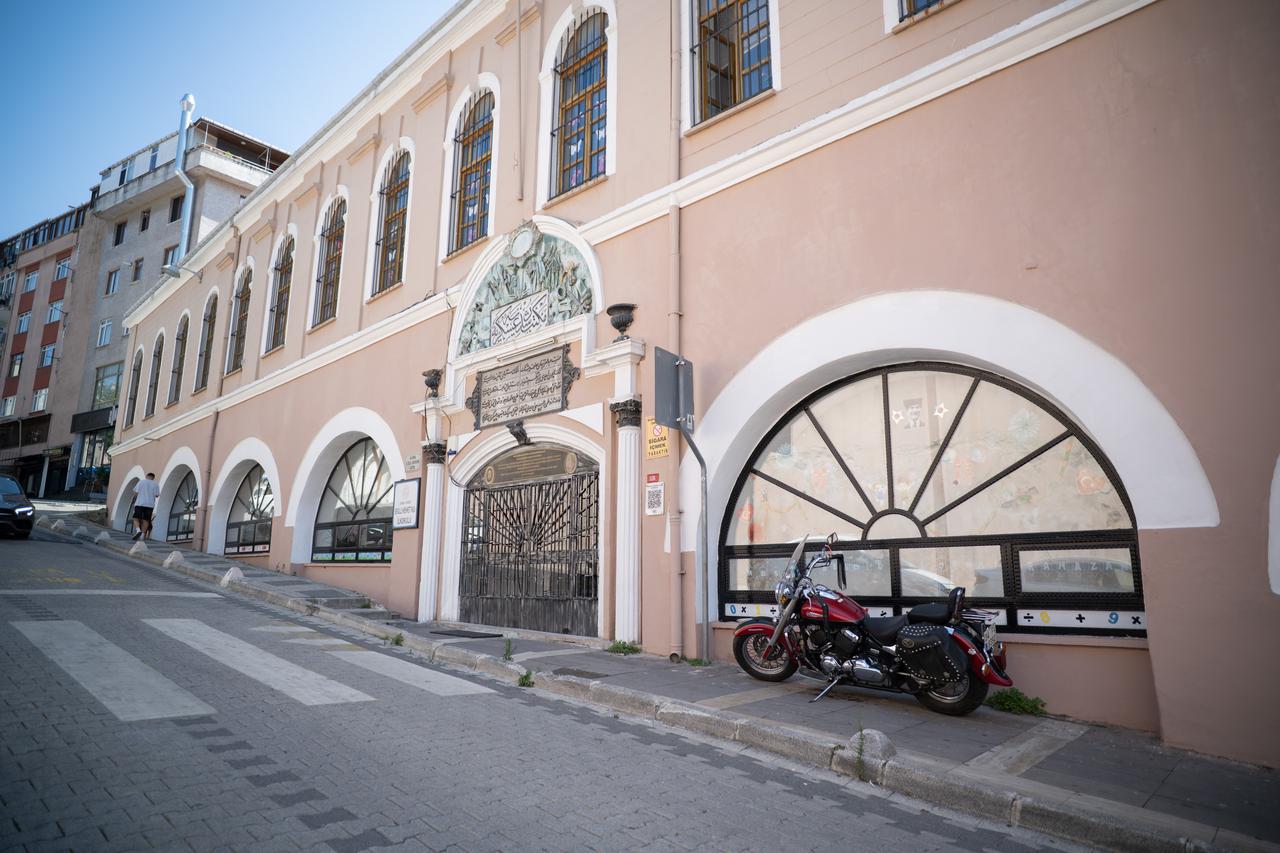
Sokullu Mehmet Pasa Primary School, which stands uphill from the Toptasi Bath in Istanbul's Uskudar district, has operated since 1875, when it opened as the Toptasi Military Rushdiye, an Ottoman military middle school.
For 151 years, the school has been part of the city's educational history.
Built on the grounds of the Atik Valide Sultan Complex, where a tabhane, a facility where patients recovered, once stood but has not survived, the school was among nine military rushdiyes established in Istanbul under Sultan Abdulaziz.
It operated as a four-grade day school in which students wore military uniforms and studied Arabic, Persian, French, and drawing.
The school had 148 students in 1876. After the Pasakapisi Military Rushdiye was converted into a different type of school in 1893, it became Uskudar's only military rushdiye and remained so until 1914.
As military rushdiyes were gradually abolished after the Second Constitutional Era, the school became a civilian institution and was renamed Sokullu Model School.
It became Uskudar (Toptasi) 15th Primary School in 1926 and took its current name in 1948. It was converted into an elementary school in 1997 and regained primary school status in 2013.
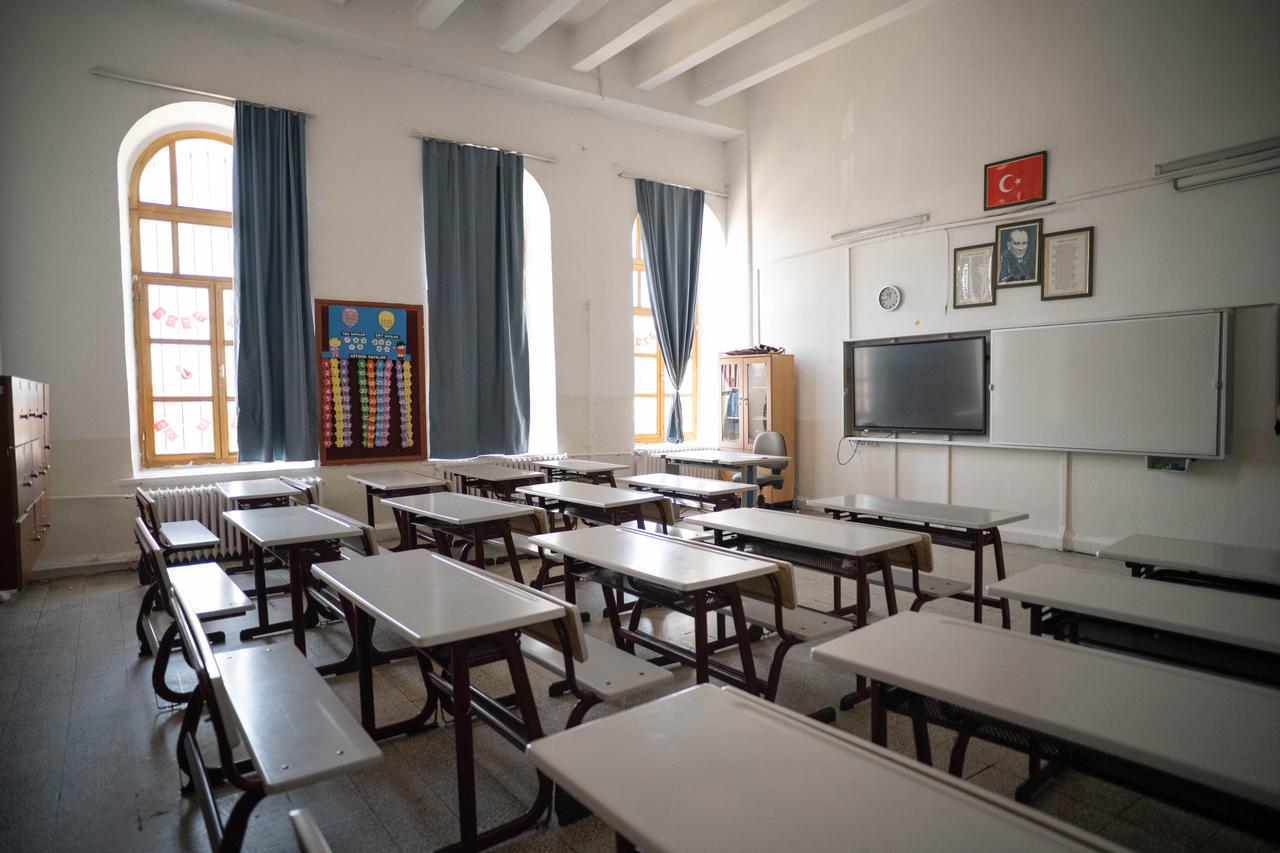

One of the most notable features of the two-story stone building is the historic inscription at its entrance. The top of the doorway bears the Ottoman coat of arms and Sultan Abdulaziz's tughra, with a plaque reading "Mekteb-i Rusdiye-i Askeriyye" (Military Rushdiye School) below.
An eight-line verse inscription sits between the plaque and the door arch. It describes the sultan's emphasis on education and the rushdiye schools he opened across the country.
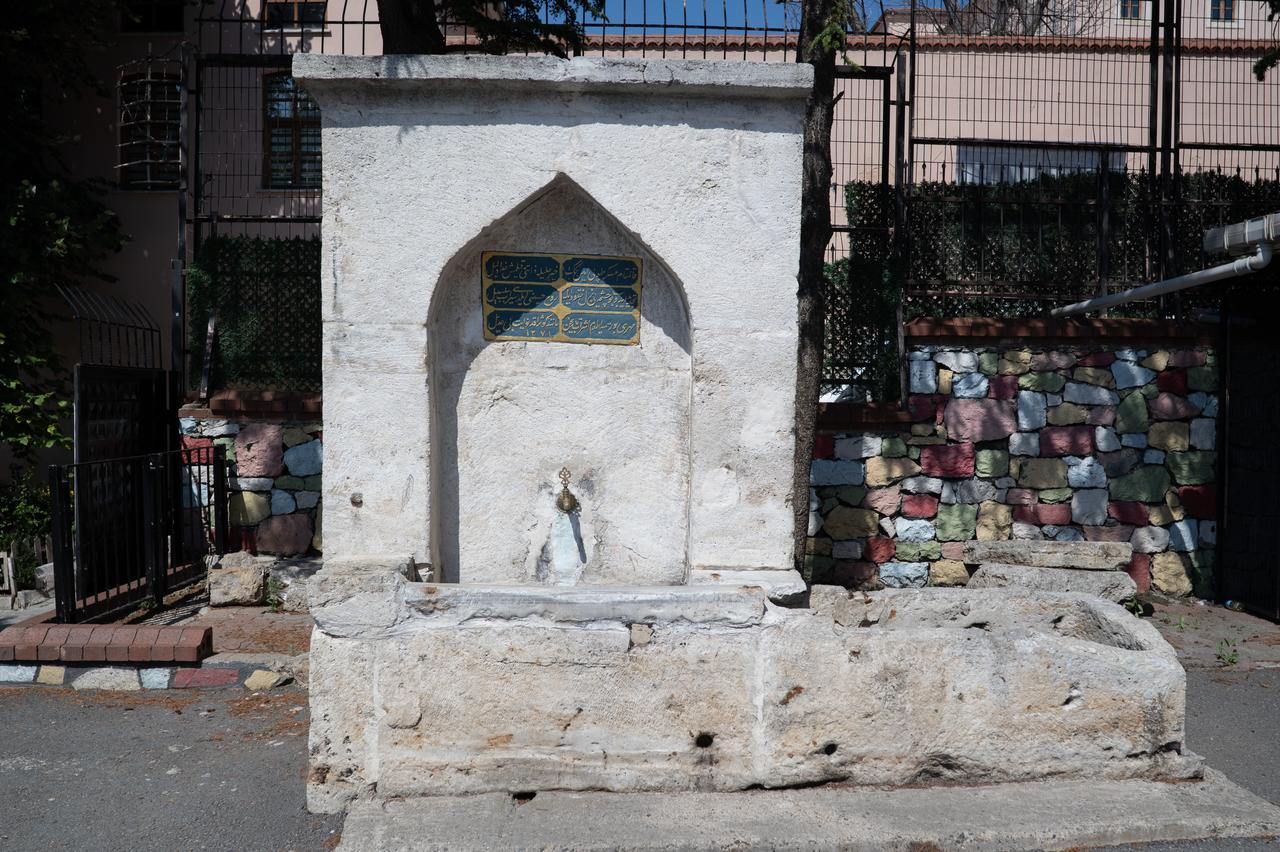
The school is one of the few with an original inscription and the only one with a verse inscription. The garden also contains the "Aci Fountain," named for the taste of its water.
District governor Emin Bey had it built in 1855 to replace an older fountain. Much of it was later buried under soil and asphalt before being uncovered and restored to its place in the garden. The building's high-ceilinged corridors, arched classroom doors and inner courtyard also date to the Ottoman period.
School principal Murat Ozgen told Anadolu Agency that the building was constructed with materials from the earlier tabhane, which he said was designed by the architect Mimar Sinan and served a role similar to a modern sanatorium. The school now has 350 students.
Ozgen said folk dancing is central to its extracurricular program, with six or seven teams formed each year to perform on national holidays and special occasions. With support from the public education center, the school also offers robotics coding, optional Quran lessons and drama classes.
Ozgen said working in a historic building brings excitement, but also a sense of responsibility.
"You see it as a trust first," he said, adding that staff regularly check the structure and obtain the necessary permits for any repairs. "We try to preserve originality and simplicity."


 Set as preferred source
 Set as preferred source


 3 min read