Newsletters


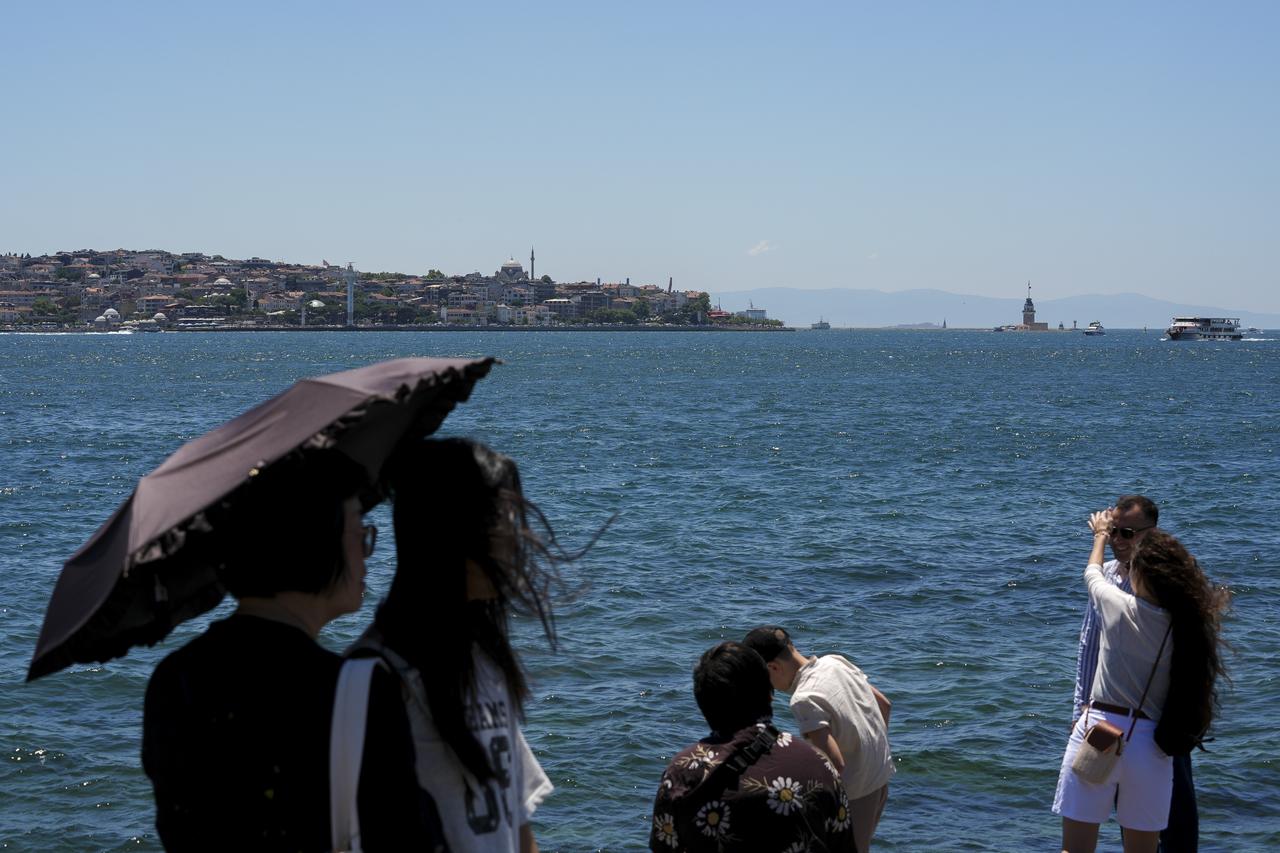


A warm air mass from the northwest is expected to raise Istanbul's actual temperature to 32 degrees Celsius (89.6 Fahrenheit) on Wednesday.
However, due to the city's high humidity, the heat index could reach 40°C, according to Dr. Deniz Demirhan from Istanbul Technical University's Department of Climate Science and Meteorological Engineering.
Demirhan told Anadolu Agency (AA) that the heat wave is affecting Edirne, Thrace, the Aegean, the Mediterranean, and the Marmara region. In Istanbul, the Asian side is expected to experience the highest temperatures.

Demirhan explained that high temperatures and humidity together make it hard for the body to cool down.
"When you go outside, the moisture on your body cannot evaporate. That sticky, damp feeling never goes away because the air is already humid. That's why the temperature feels much higher," he said. "This is dangerous weather."
Demirhan said that more evaporation from coastal areas increases humidity and raises the heat index.
He warned that these temperatures can easily affect sensitive people, including children, the elderly, and those with chronic health problems.

Demirhan said that Istanbul's many concrete, asphalt, and buildings make the risk worse. He described the city as stuck in an "urban heat island" effect, meaning built-up areas retain heat and do not cool down at night.
"Istanbul is a city that cannot cool down at night. Because it gets too hot during the day, it never gets a chance to breathe," he said. He added that having green spaces near buildings and paved areas is important for reducing this effect.
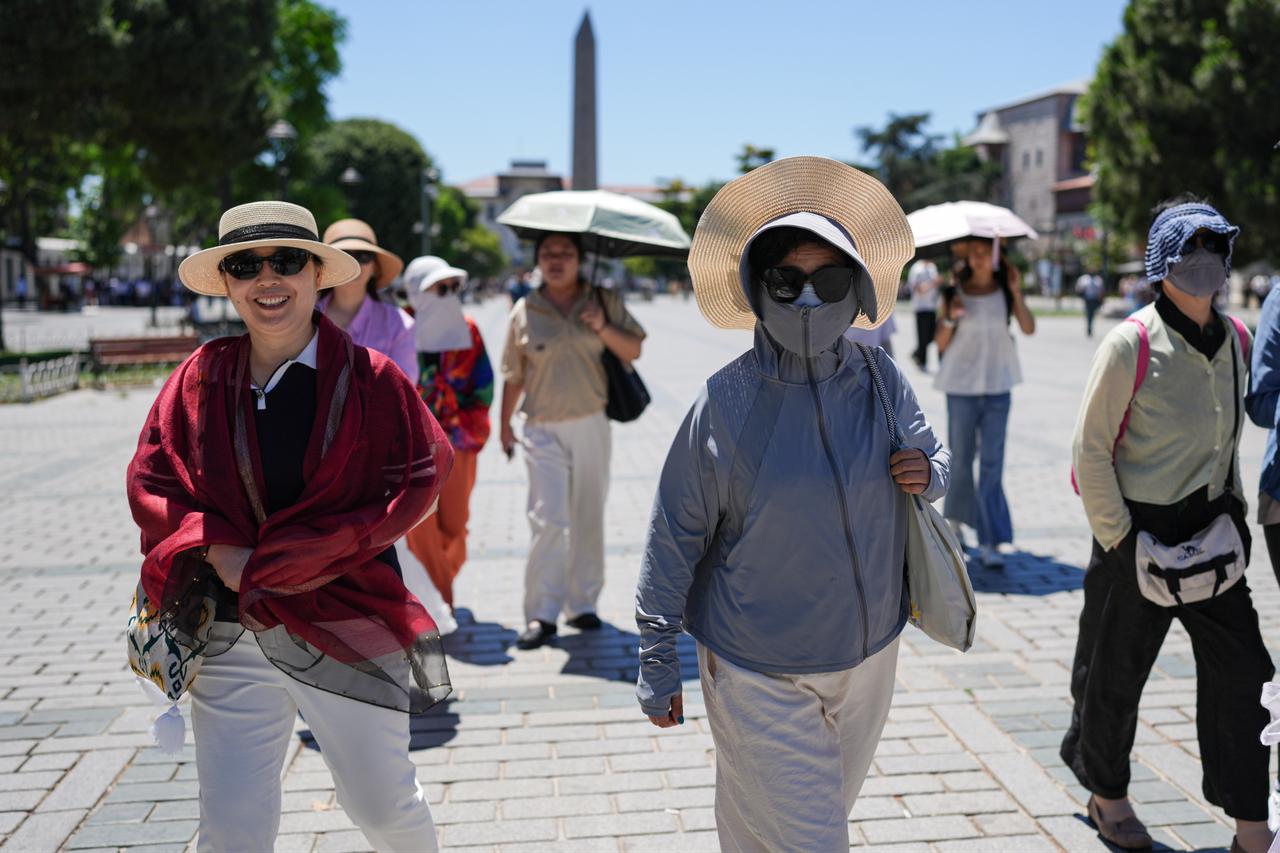
Demirhan advised people to stay out of the sun during the hottest parts of the day. He recommended wearing hats, carrying water, and choosing cotton or linen clothes to help keep cool.
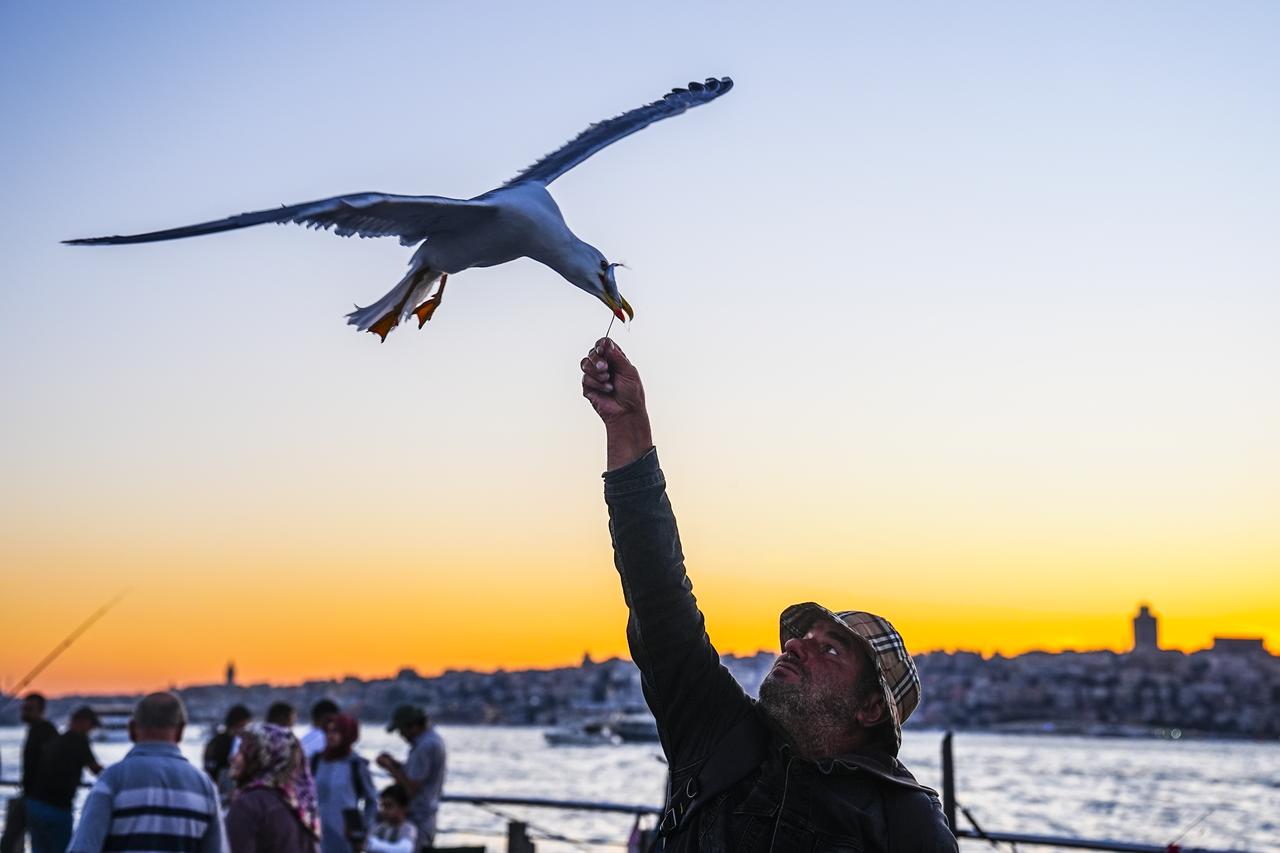
He also reminded everyone to look out for street animals, since they have no shade or shelter.
"Putting a bowl of water outside is very important," he said.
Demirhan also pointed out that the heat wave places additional strain on the environment. High temperatures cause more water to evaporate from reservoirs, leading to big water losses in summer.
He suggested using less water by taking shorter showers, running the washing machine and dishwasher only when they are full, and skipping things like washing cars.
The expert also warned that the risk of wildfires is higher now. He said that trash left in forests can catch fire easily in hot, sunny weather. He stressed the need to follow entry rules in forest areas and to clear away dry plants to help prevent human-caused fires.


 Set as preferred source
 Set as preferred source



 2 min read