Newsletters


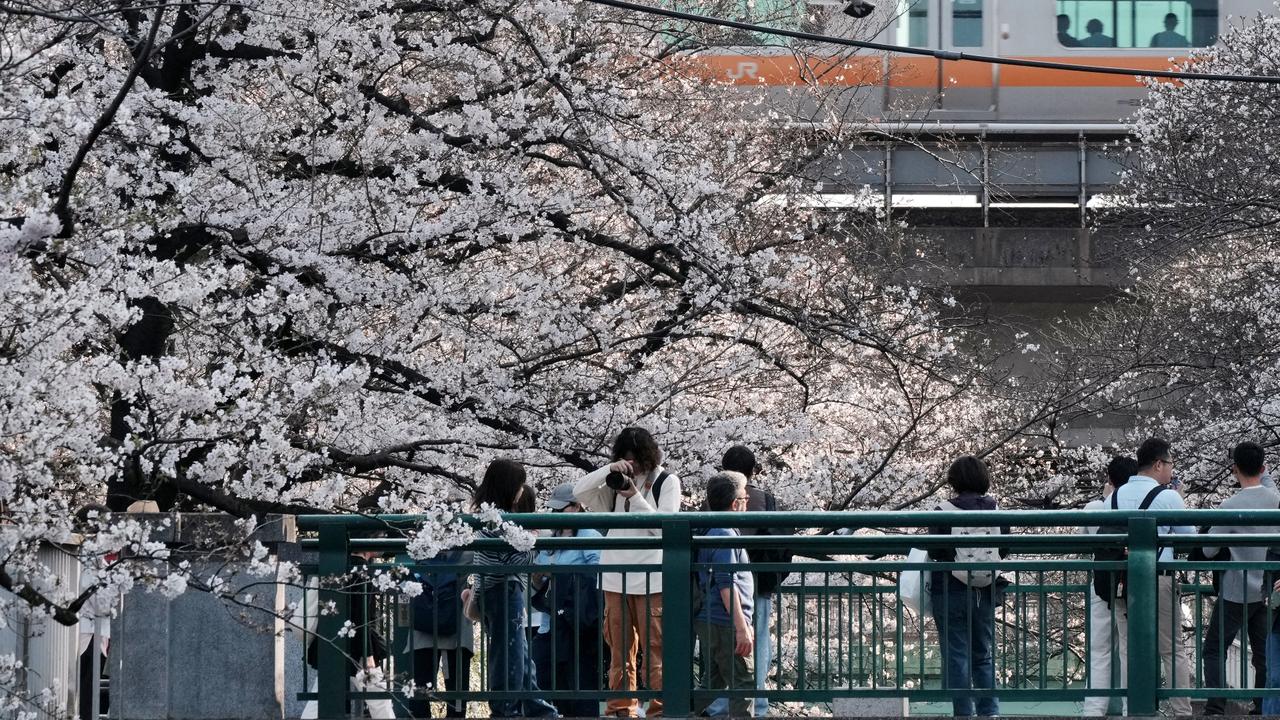
Spring in Japan arrives in a haze of white and pink as sakura draws locals and travelers to parks, temple grounds, and riverbanks.
For a brief stretch each year, the country seems to slow beneath the blossoms, and ordinary streets take on the soft, anticipatory mood of a seasonal ritual.
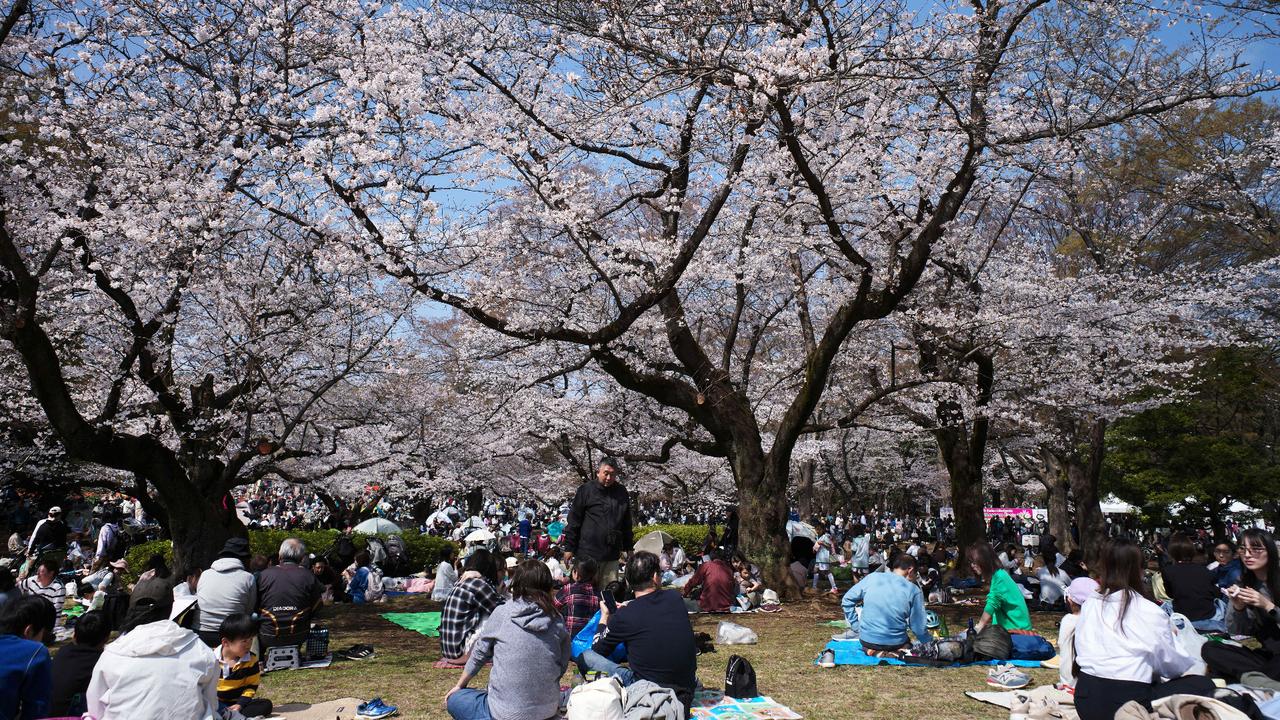
At the height of the season, some of Japan’s most famous blossom spots fill quickly with people eager to catch the trees at their brightest.
The crowds are part of the tradition: a shared act of looking up, lingering longer, and marking the moment when winter has fully given way.
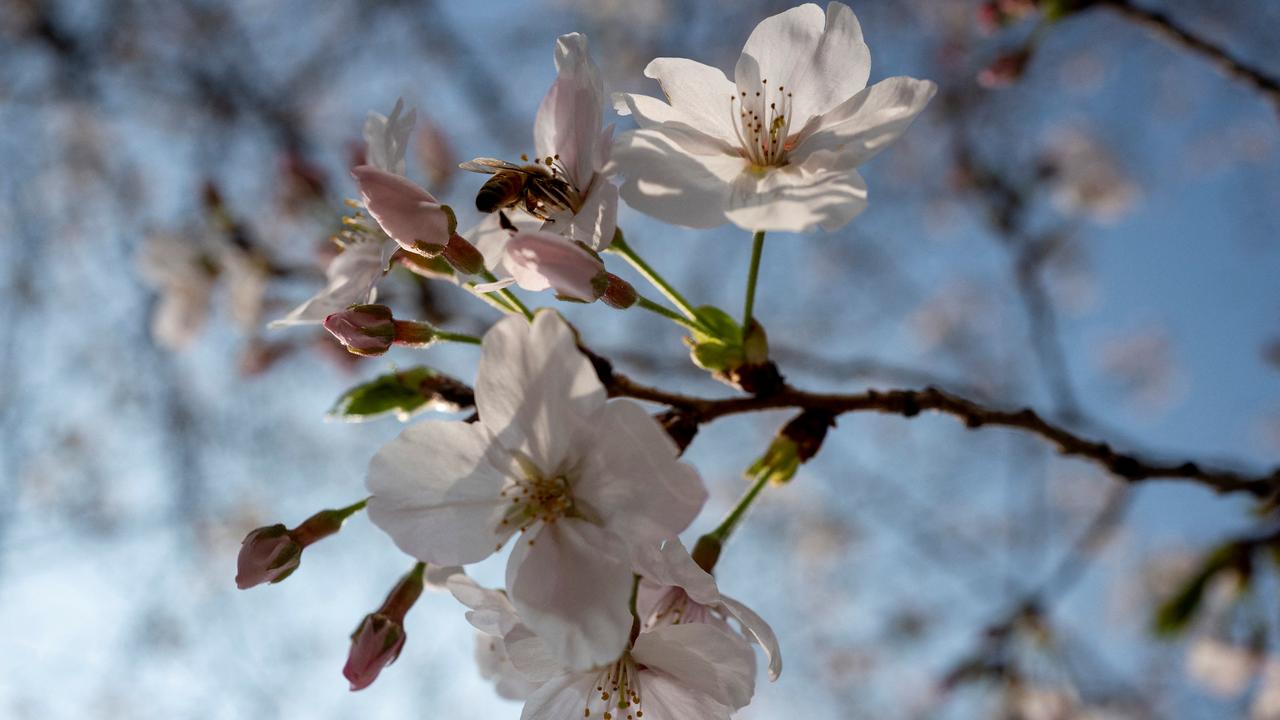
The sakura flowers are small, delicate, and light, with white and pink petals. Their arrival means more than just warmer weather in Japan. It marks the emotional start of spring, bringing a sense of renewal to both the scenery and everyday life.
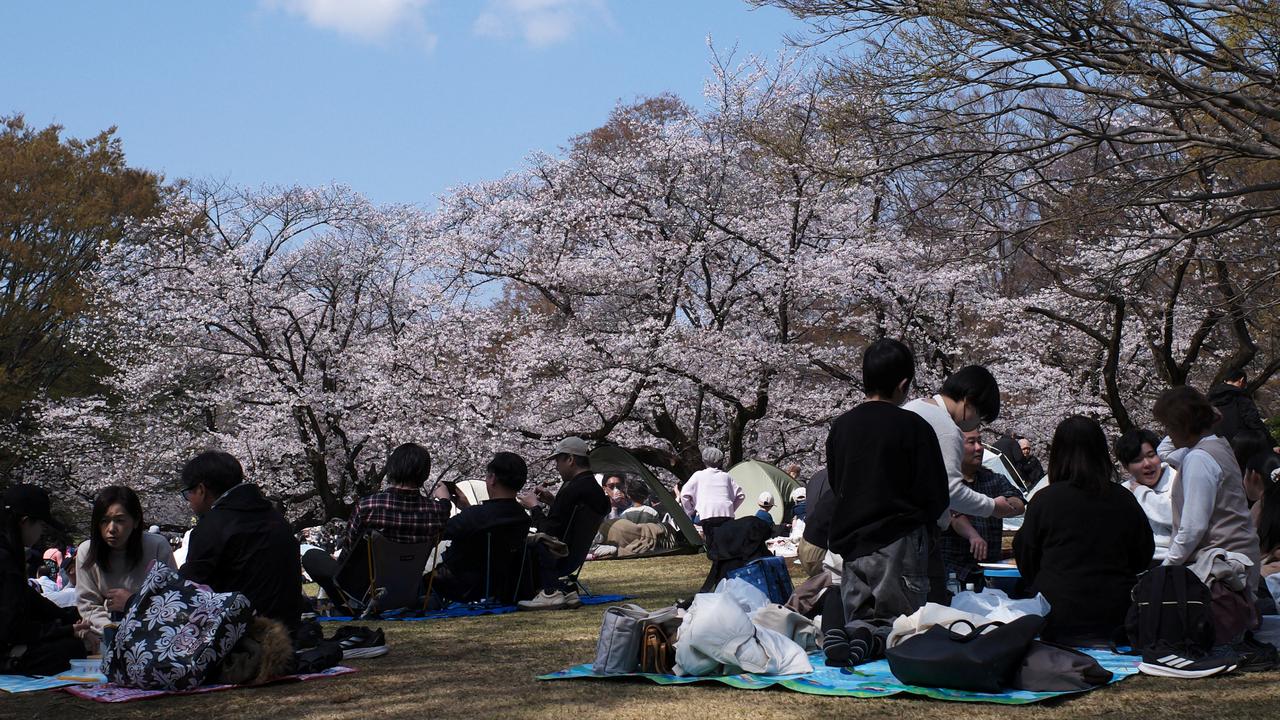
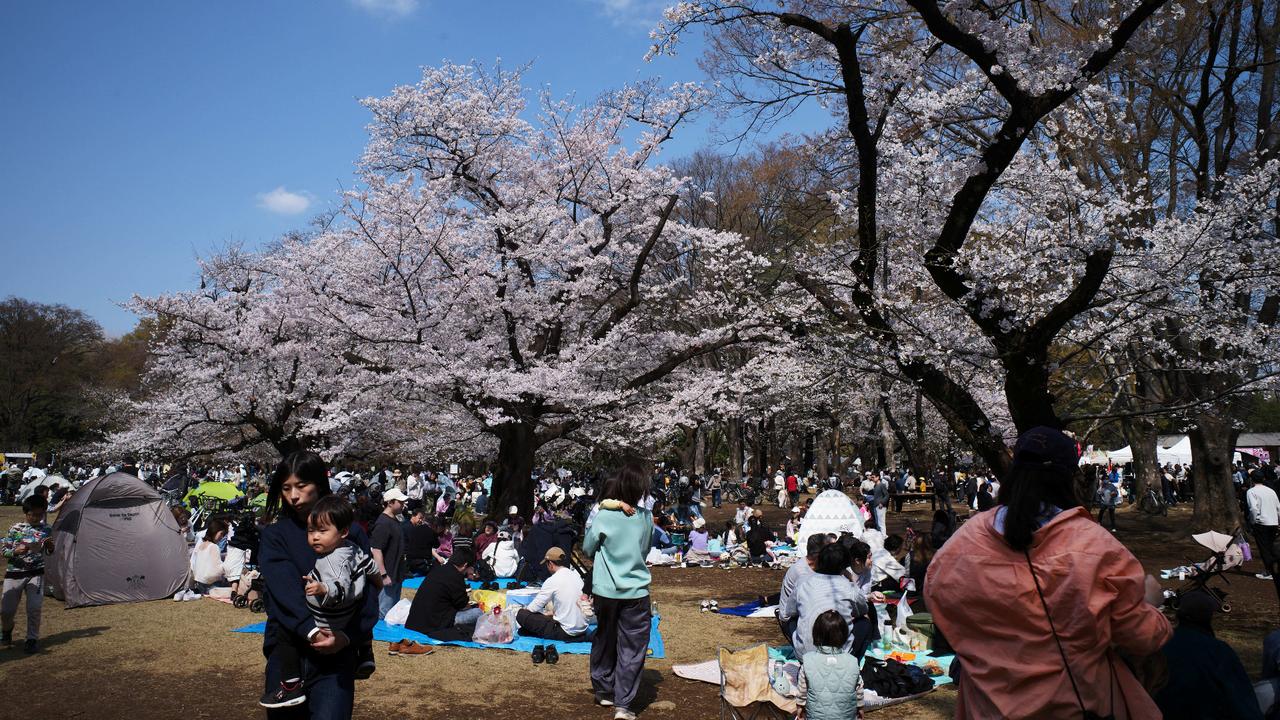
This feeling becomes a shared experience during hanami, when people gather under cherry trees to eat, drink, and enjoy the blossoms.
Blankets cover lawns, temple grounds, and quiet spots, turning each place into a temporary room filled with conversation, food, and spring sunlight.
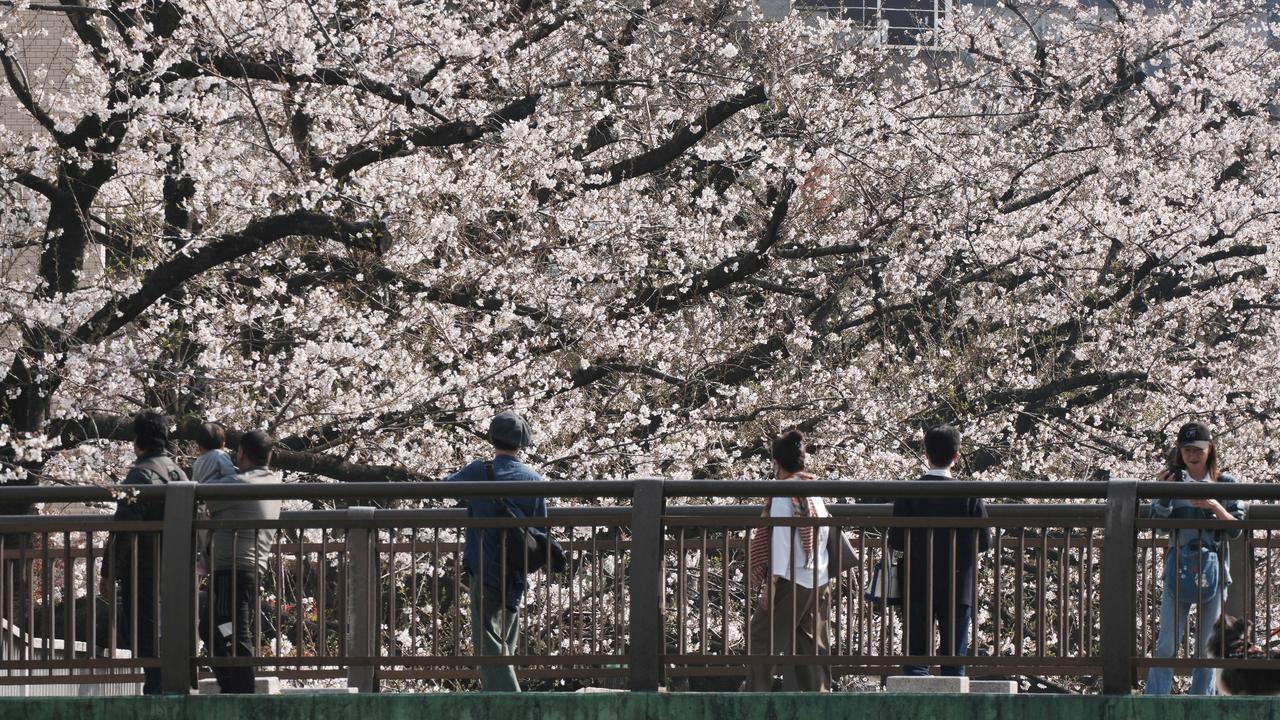
For many people in Japan, sakura feels personal and hard to put into words. Part of its magic is that the blossoms come back every year, but each season still feels unique. People pause to enjoy something familiar that never lasts long.
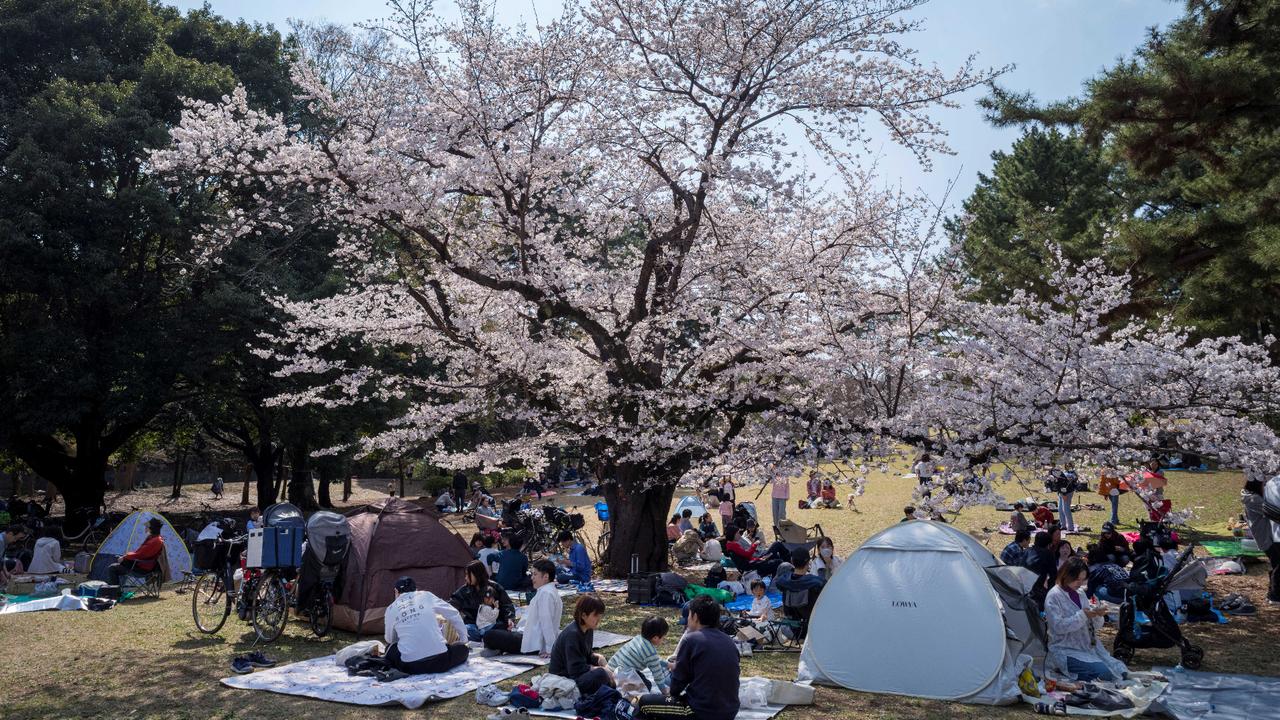
Since the blossoms last for such a short time, people across Japan track their progress like a moving calendar.
Forecasts are closely watched, peak dates are discussed with excitement, and picnic plans are made for the few precious days when the petals are at their fullest, and the weather is kind.
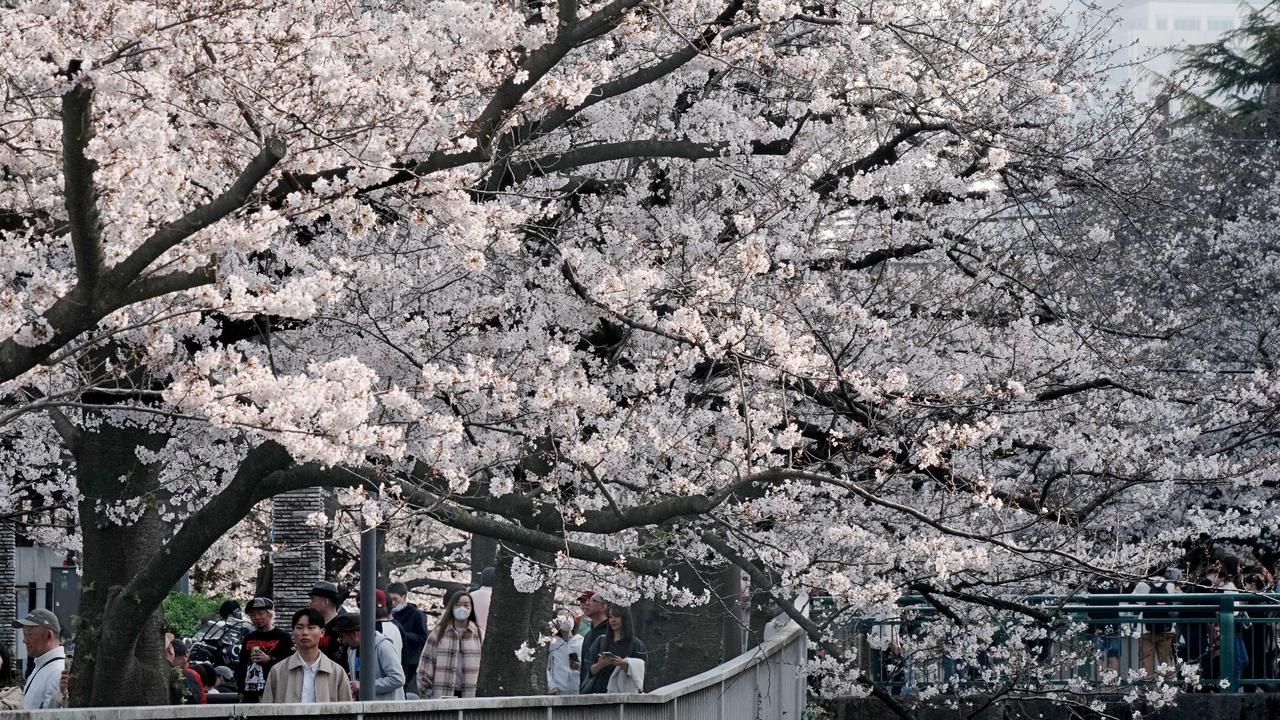
In Kyoto, the season feels even more special. People compare blossom updates to temple roofs, old stone paths, and historic places.
When full bloom is announced, it means more than just a change in the weather; it shows that one of Japan’s most famous spring scenes has arrived.
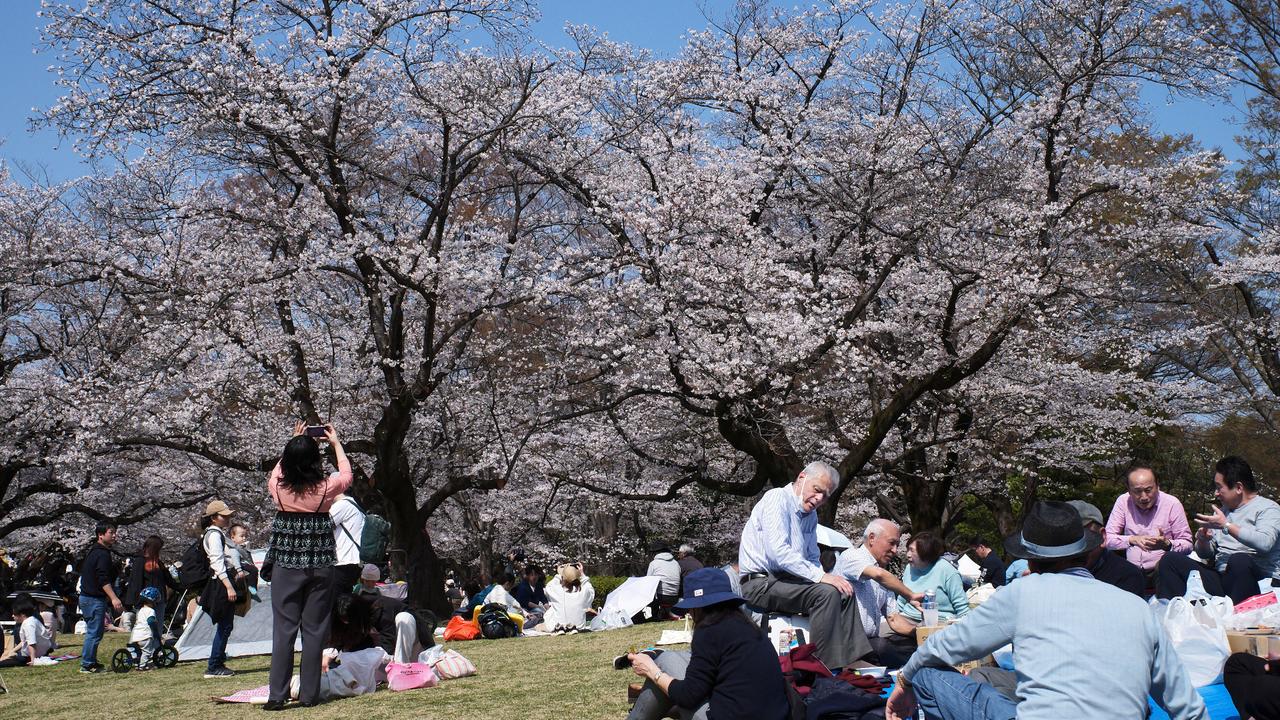
People visit not just to see the trees, but to experience the special atmosphere they create.
Around old shrines and gardens, the blossoms offer what many are looking for: beautiful scenes that feel peaceful, memorable, and closely tied to the place.
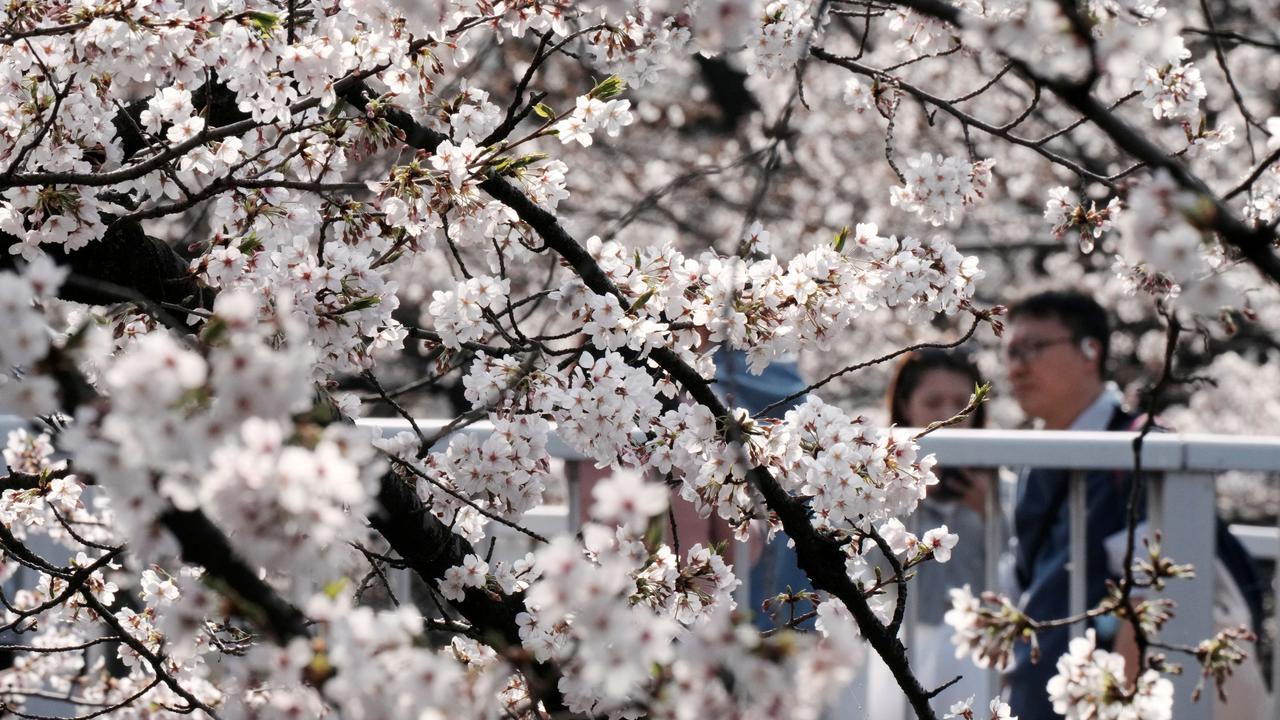
In Tokyo, the full bloom is bright and lively, but soon the petals start to fall like gentle flurries.
This short moment is part of what makes the season so special, reminding people that sakura is most touching because it is so brief.
The blossoms endure in Japanese culture as symbols of youth, beauty, and fragility, but the season also touches everyday life in practical ways.
It unfolds alongside graduations, departures, and new beginnings, making spring not just a spectacle to admire, but a threshold many people quietly cross.

 2 min read


 Set as preferred source