Newsletters


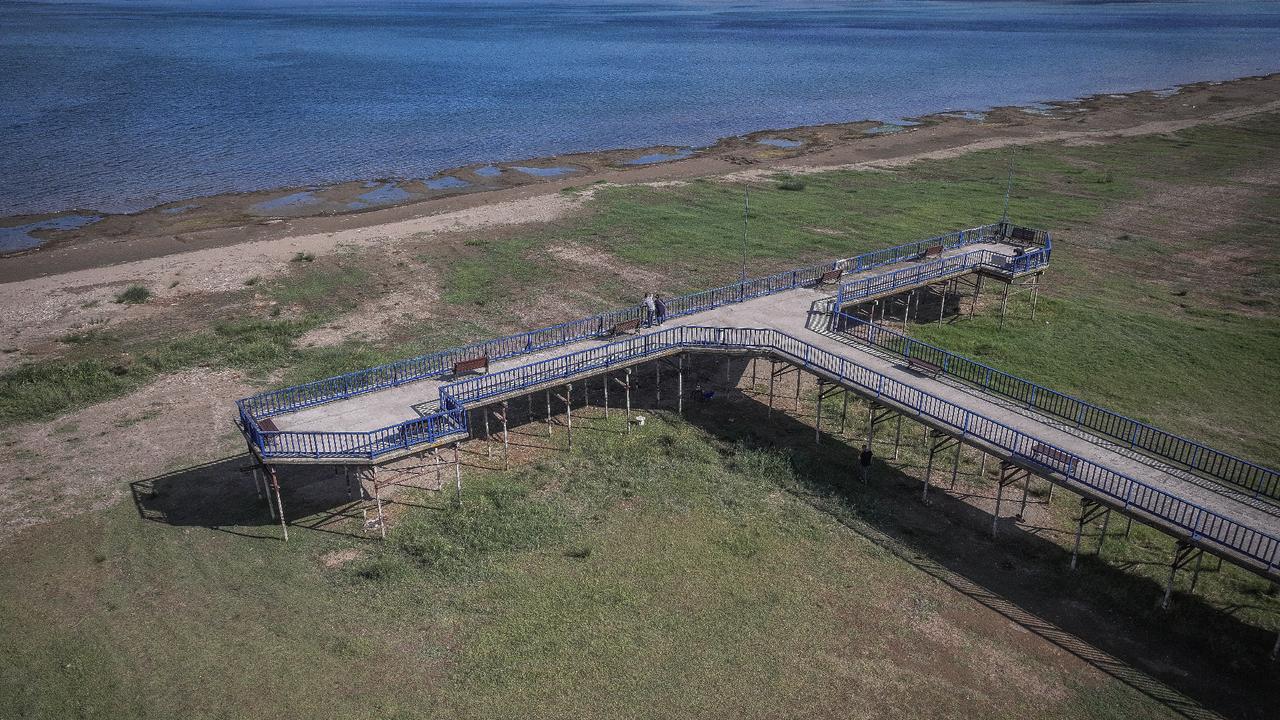
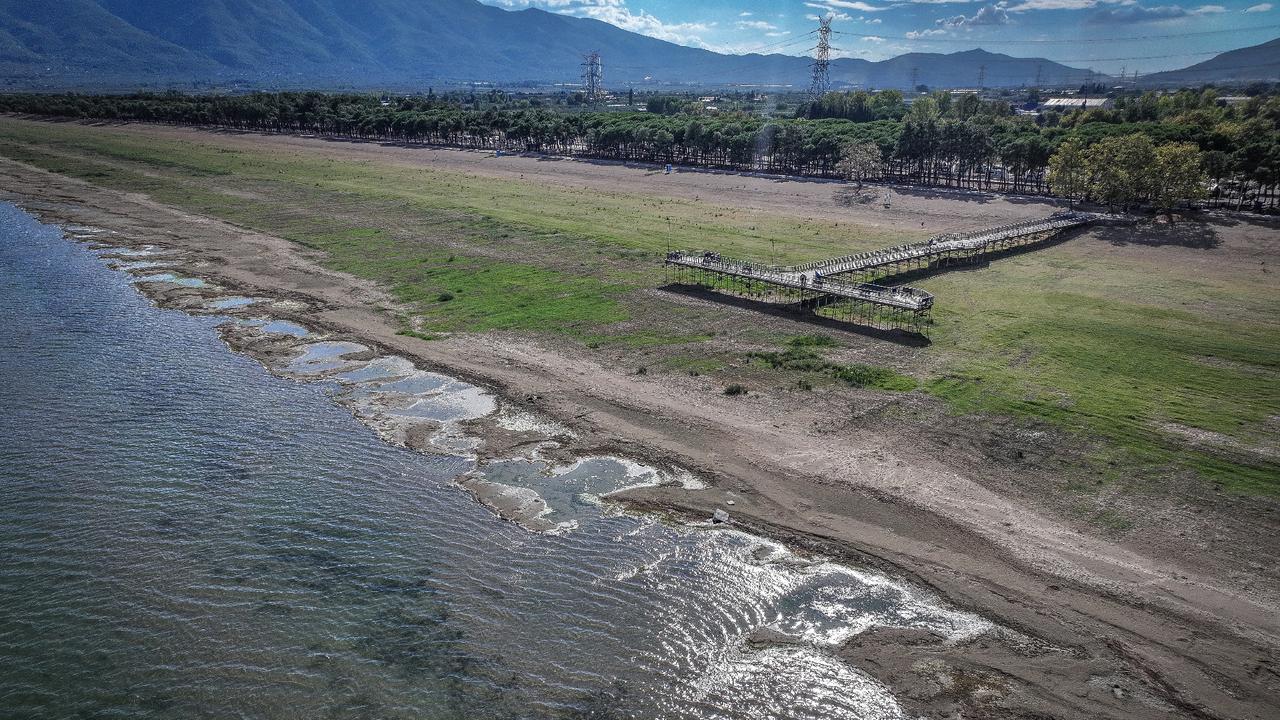
Water levels and the shoreline at Lake Iznik, Türkiye's fifth-largest natural lake, continue to recede at an increasing pace. The retreat at Lake Iznik, one of the country's key freshwater sources, has accelerated notably in recent years.
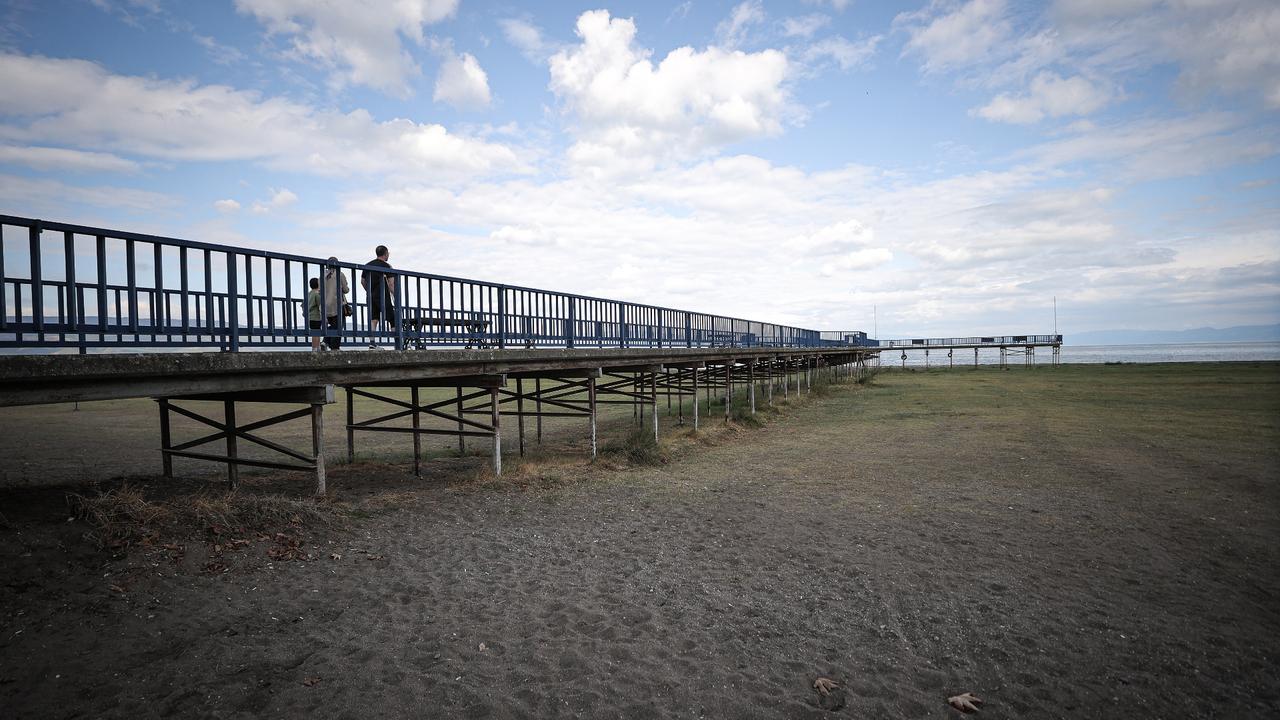
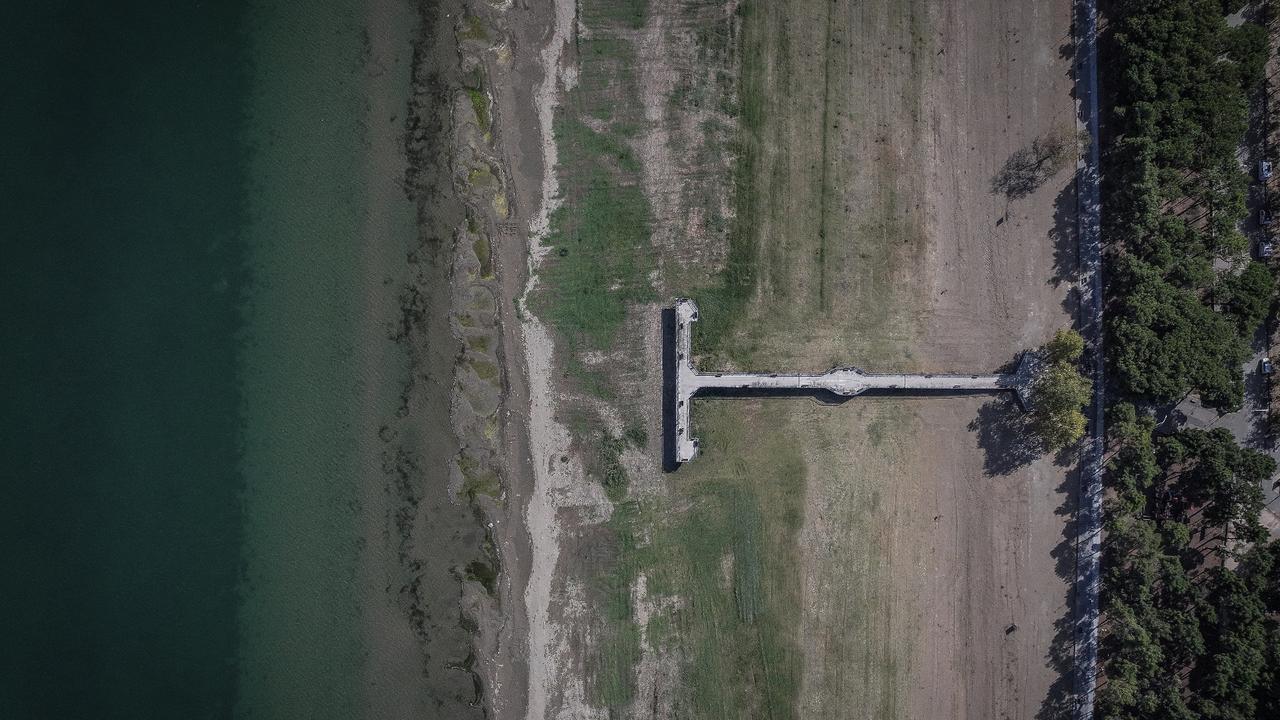
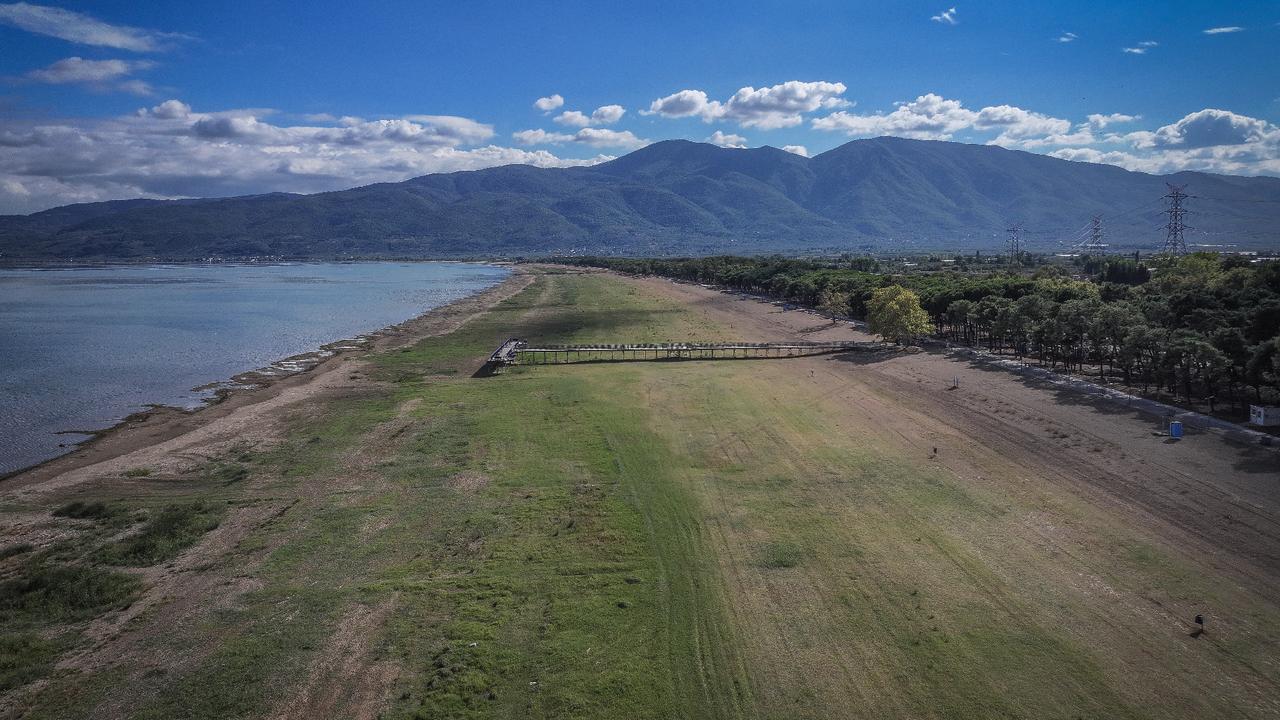
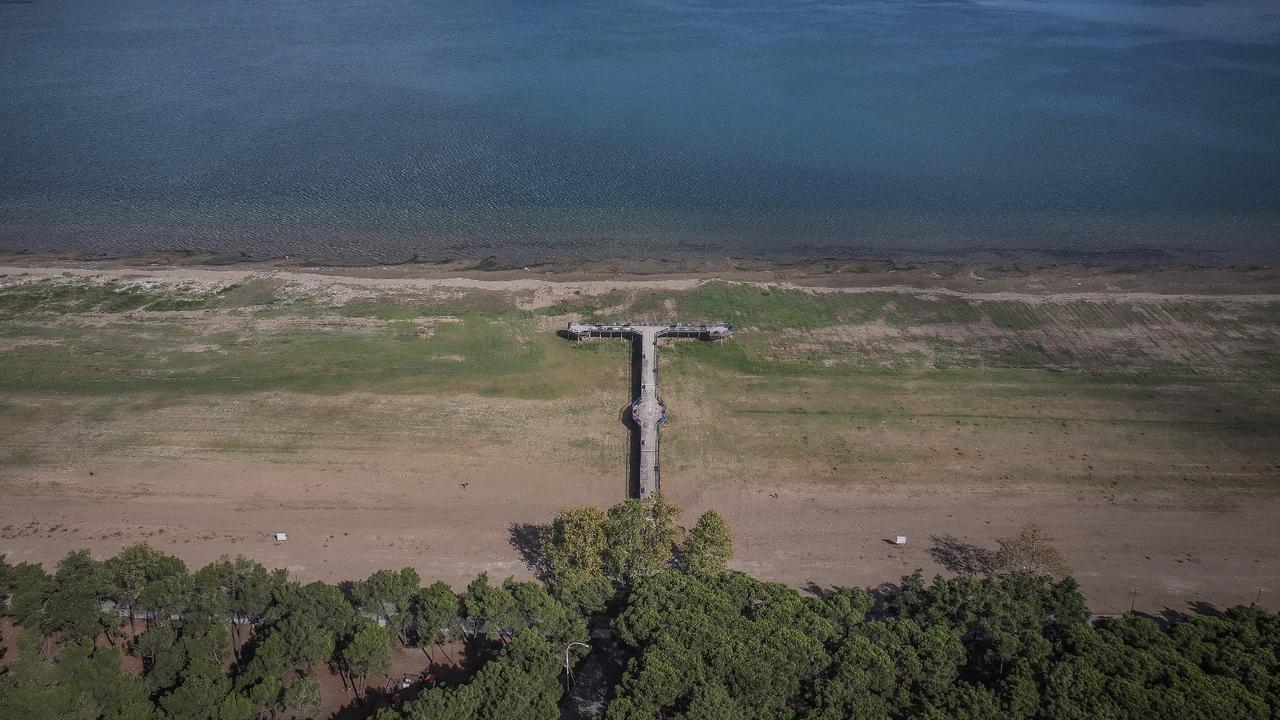
Piers that once hosted large boats now sit meters away from the water, and the lake has grown shallower this year despite winter and spring rains that filled dams elsewhere. Industrialization in the region, agricultural irrigation, and drought and evaporation linked to climate change are driving the lake's water level down further each year.
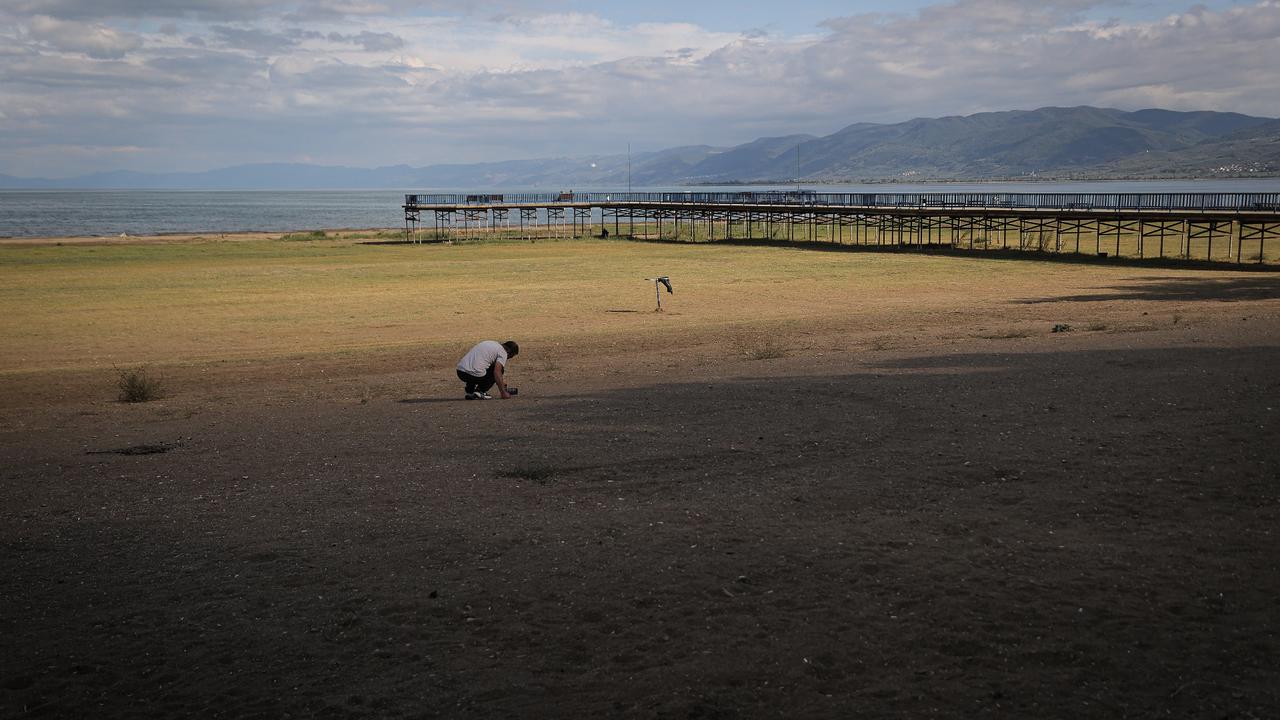
The scale of the retreat is evident at Orhangazi Pier, once used by the passenger ferry "Aksemseddin," which operated between the Orhangazi and Iznik district centers from 2015 to 2018 under the Bursa Metropolitan Municipality; the pier now sits meters from the water's edge.
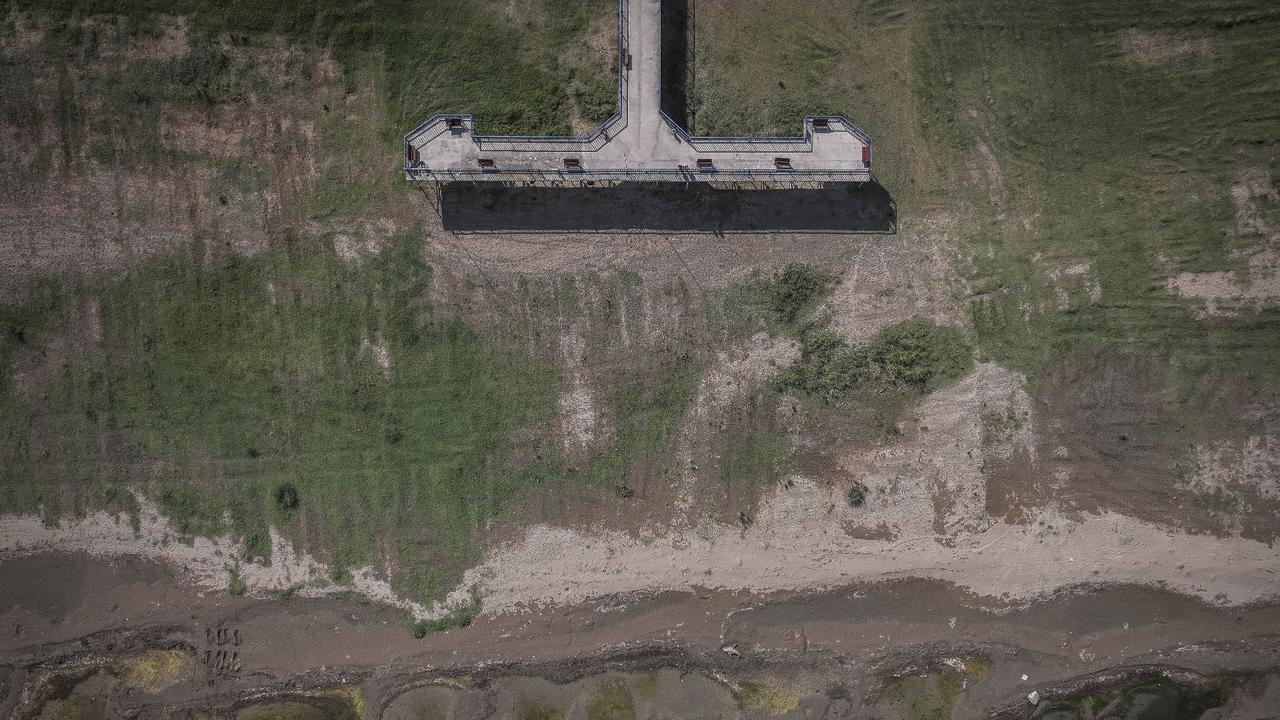
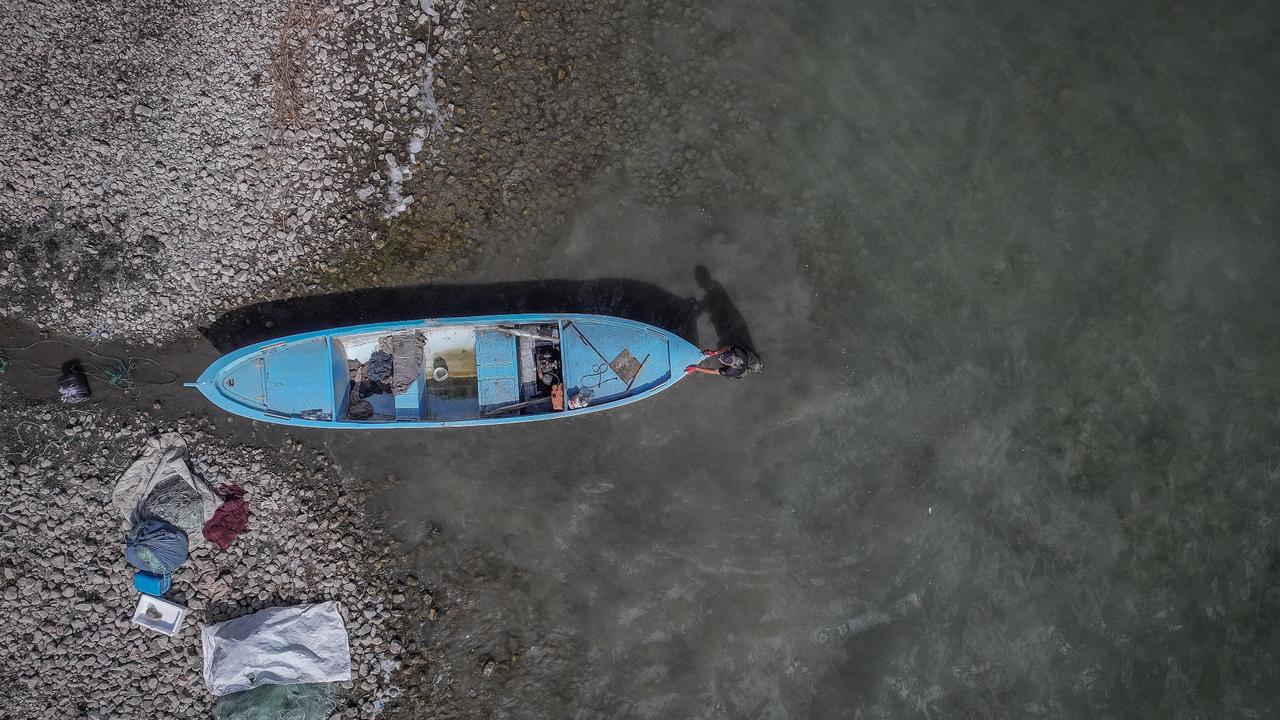
The shoreline, which had receded 150 meters by November 2024, has now pulled back nearly 200 meters, with the falling water level also hurting those who depend on fishing for their livelihood.
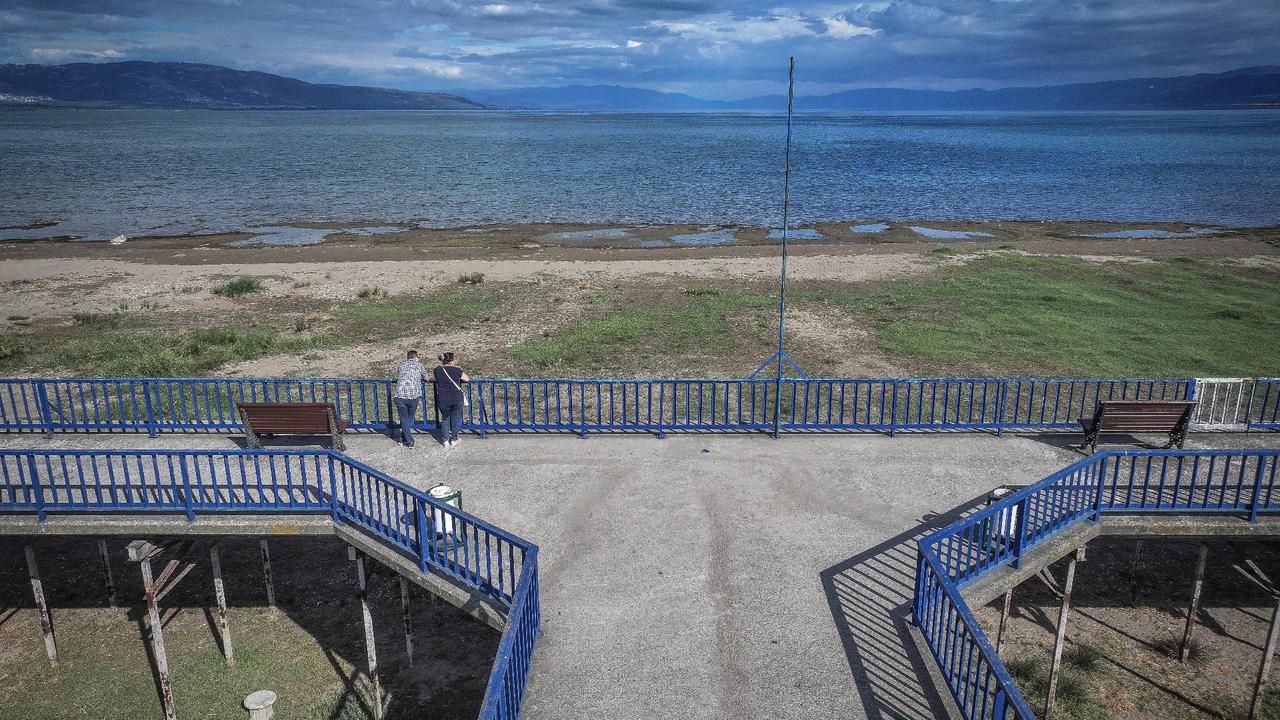
Professor Efsun Dindar, head of the Environmental Engineering Department at Bursa Uludag University's Faculty of Engineering, told Anadolu Agency (AA) that Lake Iznik serves as a valuable freshwater source for both the Marmara region and Türkiye as a whole.
He noted that the lake also holds significant historical, touristic, and biodiversity value, adding that water quality has deteriorated alongside the retreat. He explained that Lake Iznik is fed by rainfall, streams and groundwater, and said rainfall levels over the past 5 to 10 years have proven insufficient.
Dindar said water levels in lakes cannot rise from rainfall alone, adding: "When we consider that rainfall meets the soil and seeps into groundwater, not all of it converts into surface water. One year turns out very dry, and the next year builds on that dryness.“
“Meanwhile, both agricultural activity and groundwater use continue. Once water drops below a certain level, the lake can't recover through heavy rainfall in just a single year or season. Lake Iznik keeps receding, step by step," he continued.
Dindar added that under a new 5-year action plan set to take effect in 2027, measures targeting water use in agriculture and industry need to be expanded further.
Zelkif Bektas, head of the Orhangazi Aquatic Products Cooperative, said fish populations have also declined in the lake, which has retreated roughly 200 meters from the shore. Bektas said:
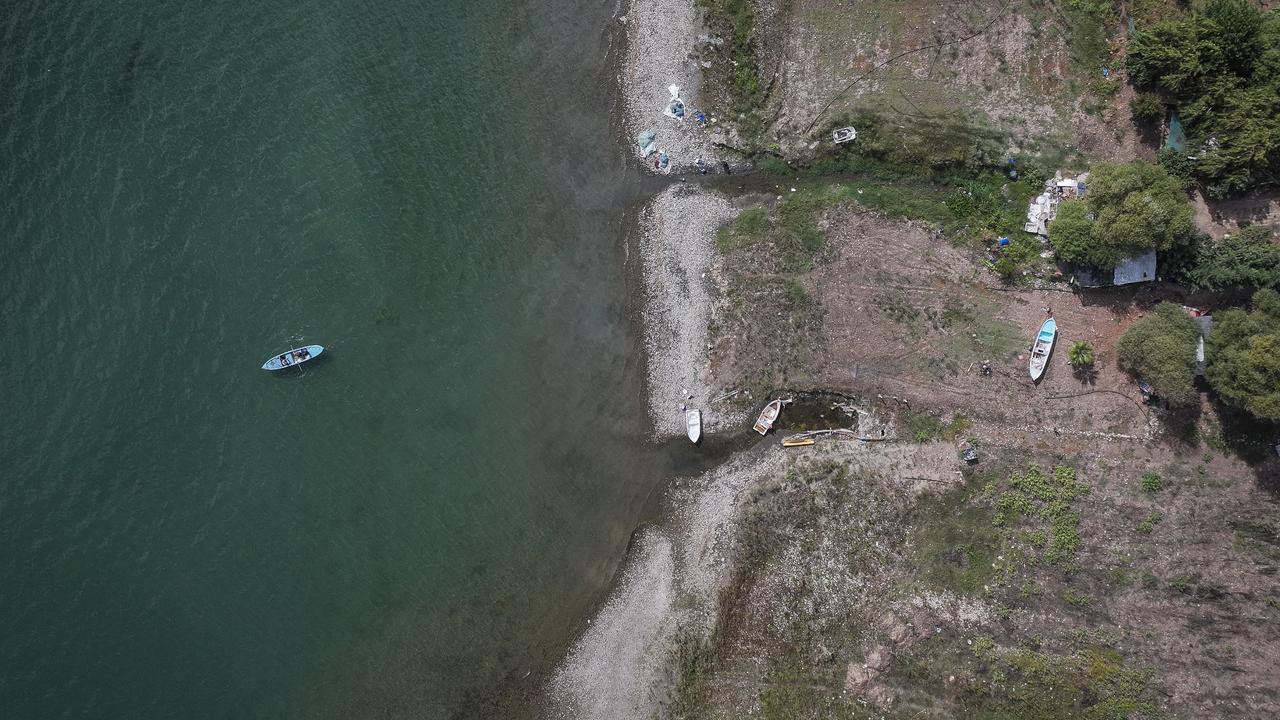
"Poison accumulates in the reed beds from fertilizers and pesticides tied to agricultural activity. Young fish released into the lake can't survive there; they die once they enter. When fish lay eggs, we can't get any offspring. I used to catch 2 tons of fish a day. For 6 years, I exported fish to Iraq. We used to fill a truck every 4 days."


 Set as preferred source


 8 min read