

 Newsletters


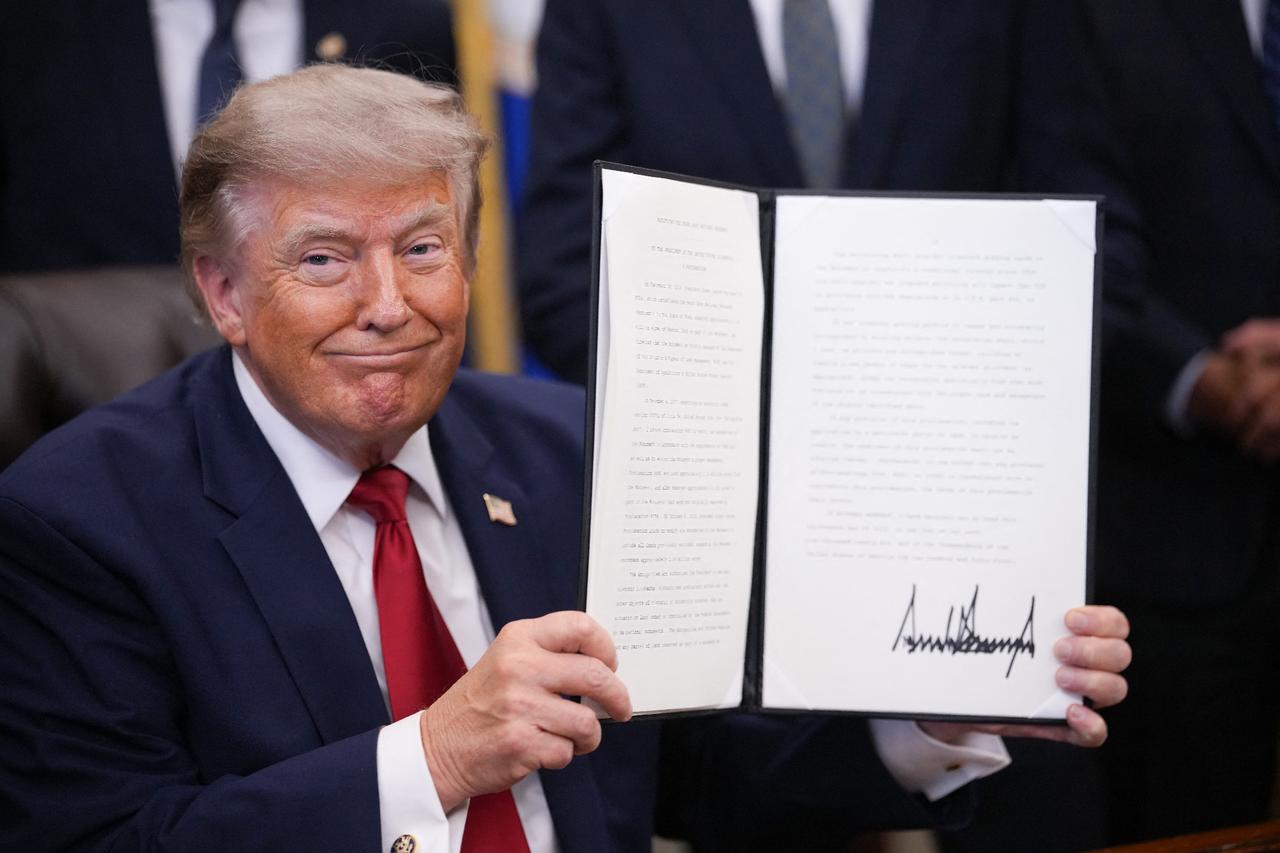


A coalition of environmental organizations initiated legal action against the administration of U.S. President Donald Trump on Tuesday, asserting that a vital safeguard within the Endangered Species Act (ESA) was dismantled by removing habitat destruction from the legal interpretation of "harm" to vulnerable plants and animals.
The U.S. Department of the Interior and the Department of Commerce finalized the regulatory rollback last week, overturning five decades of legal precedent. The Trump administration has argued that actions directly injuring or killing wildlife remain strictly prohibited. However, officials maintained that the prior definition of "harm" was overly broad, overreached federal authority, and infringed upon private property rights.
In their complaint, filed in the U.S. District Court in Seattle, Washington, groups represented by Earthjustice, including the Center for Biological Diversity and the Sierra Club, argued the government blatantly violated common sense, biological science, and federal law.
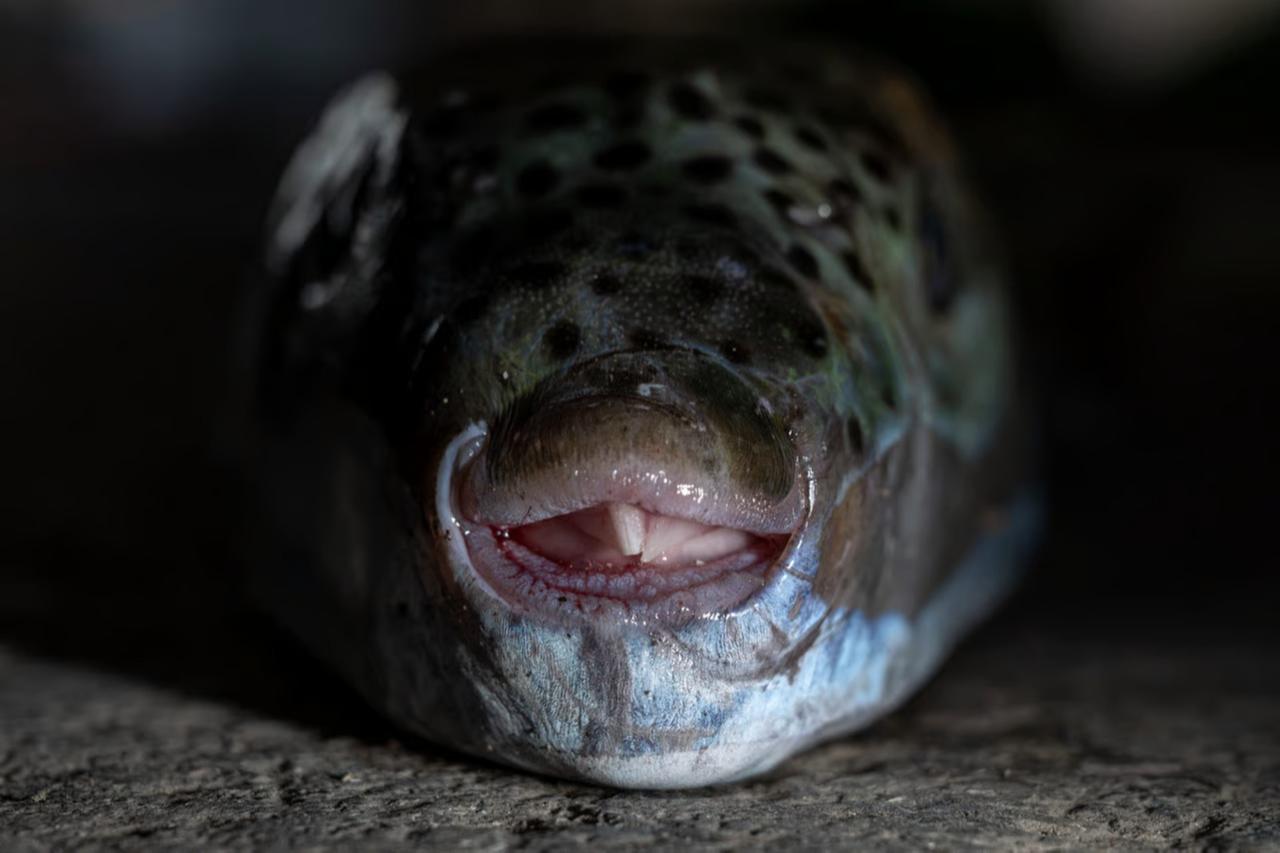
"When a dam blocks stream passage, threatened and endangered salmon suffer; when forests with nesting trees for marbled murrelets are logged, threatened murrelets slide closer to extinction," the legal complaint stated. "Destruction and degradation of habitat kills threatened and endangered species just as surely as shooting them."
 1 min read
In an accompanying statement, the environmental groups warned that the regulatory rollbacks pose an immediate threat to vulnerable wildlife.
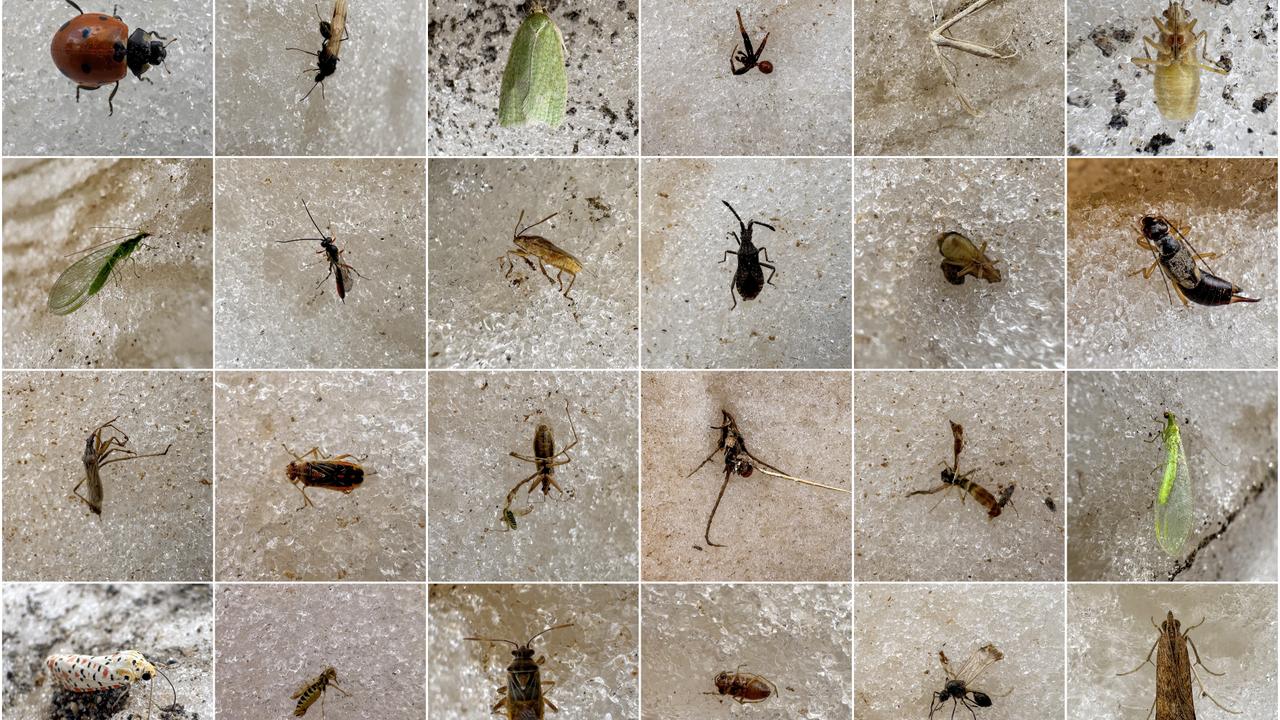
The changes endanger species such as Florida manatees, grizzly bears, salmon, steelhead trout, insect pollinators, and birds like the rufa red knot and golden-cheeked warbler. "Claiming that the Endangered Species Act does not protect the habitat of endangered species is beyond stupid, even for the Trump administration," Miles Johnson, legal director for Columbia Riverkeeper, said.
Enacted in 1973, the landmark Endangered Species Act is celebrated for saving American wildlife, including the bald eagle and the American alligator. The law explicitly prohibits the "taking" of endangered species, defining the term as harassing, harming, pursuing, hunting, shooting, wounding, killing, trapping, capturing, or collecting protected animals.
To implement this directive, the federal government historically interpreted "harm" to encompass significant habitat modification or degradation that kills or injures wildlife by disrupting essential behaviors like breeding, feeding, or sheltering.
That definition stood for decades, notably surviving a 1995 Supreme Court case focused on the protection of old-growth forests for spotted owls.
In proposing the revision last year, the Trump administration cited a 2024 ruling by the conservative-tilted Supreme Court that overrode the longstanding "Chevron doctrine," which empowered federal agencies to interpret ambiguous statutes.
Under this new legal landscape, the government argues it must strictly adhere to the single best meaning of the original statute "rather than contorting laws to fit a political agenda."
The narrow redefinition of harm fits into a broader legislative strategy aimed at scaling back conservation mandates. The administration previously proposed integrating economic considerations into decisions regarding whether a species qualifies for extinction protections.
The White House has exempted oil and gas operations in the Gulf of Mexico from certain compliance measures and recently downsized two massive protected public land areas in Utah by over 90% each.


 Set as preferred source
 Set as preferred source



 1 min read


