Newsletters


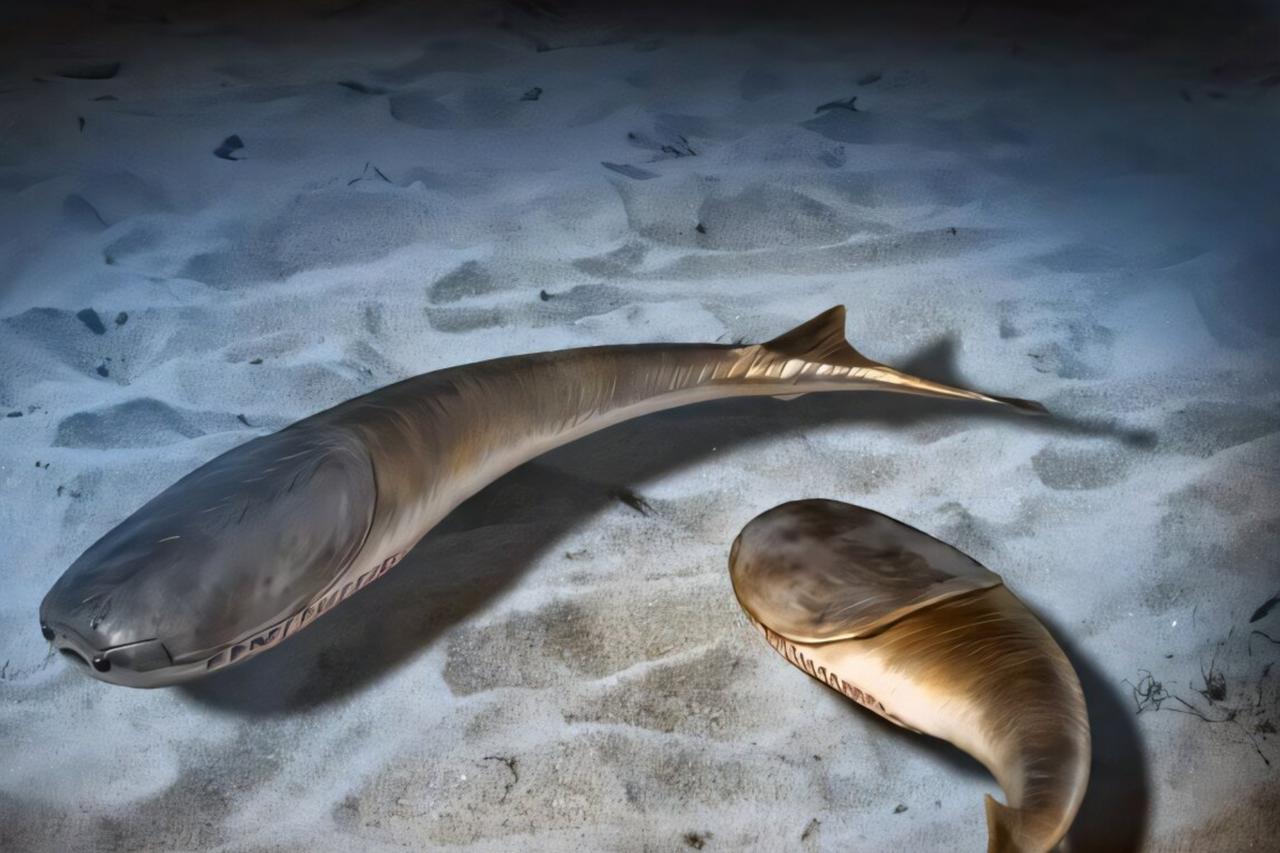


A catastrophic mass extinction nearly 445 million years ago did not just erase life from Earth’s oceans. According to a new fossil database analysis, it also cleared the ecological ground for the rise of jawed vertebrates, setting life on a path toward what scientists later called the “Age of Fishes.”
During the Late Ordovician period, Earth underwent one of its most severe biological crises. As glaciers spread across the southern supercontinent Gondwana, sea levels fell sharply, drying out vast shallow seas. This sudden shift from a warm “greenhouse” world to a cold “icehouse climate,” followed by dramatic changes in ocean chemistry, wiped out roughly 85% of marine species, which represented most life on the planet at the time.
This event, known as the Late Ordovician Mass Extinction, unfolded in two destructive pulses. First came widespread glaciation that eliminated shallow marine habitats. Millions of years later, as the climate swung back and ice melted, oceans were flooded with warm, oxygen-poor and sulfur-rich waters, overwhelming organisms that had adapted to colder conditions.
Researchers from the Okinawa Institute of Science and Technology say the fossil record shows a sharp contrast between life before and after this extinction. Prior to the crisis, early oceans were dominated by invertebrates such as trilobites, mollusks, and giant sea scorpions, alongside jawless vertebrates like conodonts. Jawed vertebrates, known scientifically as gnathostomes, existed but were rare and scattered.
After the extinction, that balance shifted. Senior author Lauren Sallan explains that jawed fishes only became dominant because the extinction occurred, fundamentally altering ecosystems and opening ecological space that had previously been occupied by other groups.
By compiling and reanalyzing about two centuries of paleontological research, the team built a global database of late Ordovician and early Silurian fossils. This allowed them to trace where species survived and how they spread afterward. Many vertebrates were pushed into isolated “refugia,” meaning geographically restricted safe zones separated by deep oceans that limited movement.
In these refugia, jawed vertebrates gained an advantage. Fossils show that in regions such as what is now South China, early jawed fishes related to modern sharks appeared and diversified while remaining confined for millions of years. Only after evolving the ability to cross open oceans did they spread into other ecosystems.
The study shows that jawed vertebrates did not immediately dominate after the extinction. Instead, there was a prolonged recovery lasting millions of years, marked by low overall biodiversity. During this time, jawless vertebrates continued to thrive in many regions, while jawed fishes diversified slowly within isolated habitats.
Over time, however, genus-level fossil data reveal a steady increase in jawed vertebrate diversity that coincided with a decline in jawless forms. This pattern suggests that extinction did not simply reset life to zero but triggered what researchers describe as a “diversity-reset cycle,” where ecosystems rebuilt themselves around similar ecological roles but with new groups filling them.
One of the study’s key questions was whether jaws evolved to create new ecological niches or whether early jawed fishes first occupied existing niches and later evolved jaws to exploit them better. The findings support the latter explanation.
In confined refugia with many vacant roles left by extinct species, early gnathostomes spread across different ways of life, and only later did jaws become a defining advantage.
By linking fossil evidence with geography, ecology, and morphology, the study provides a more detailed picture of how early vertebrate ecosystems recovered from extreme environmental disruption.
It helps explain why jawed vertebrates eventually prevailed and why modern marine life traces its roots back to survivors of this ancient crisis rather than to earlier dominant groups like trilobites or conodonts.


 Set as preferred source
 Set as preferred source



 1 min read