Newsletters


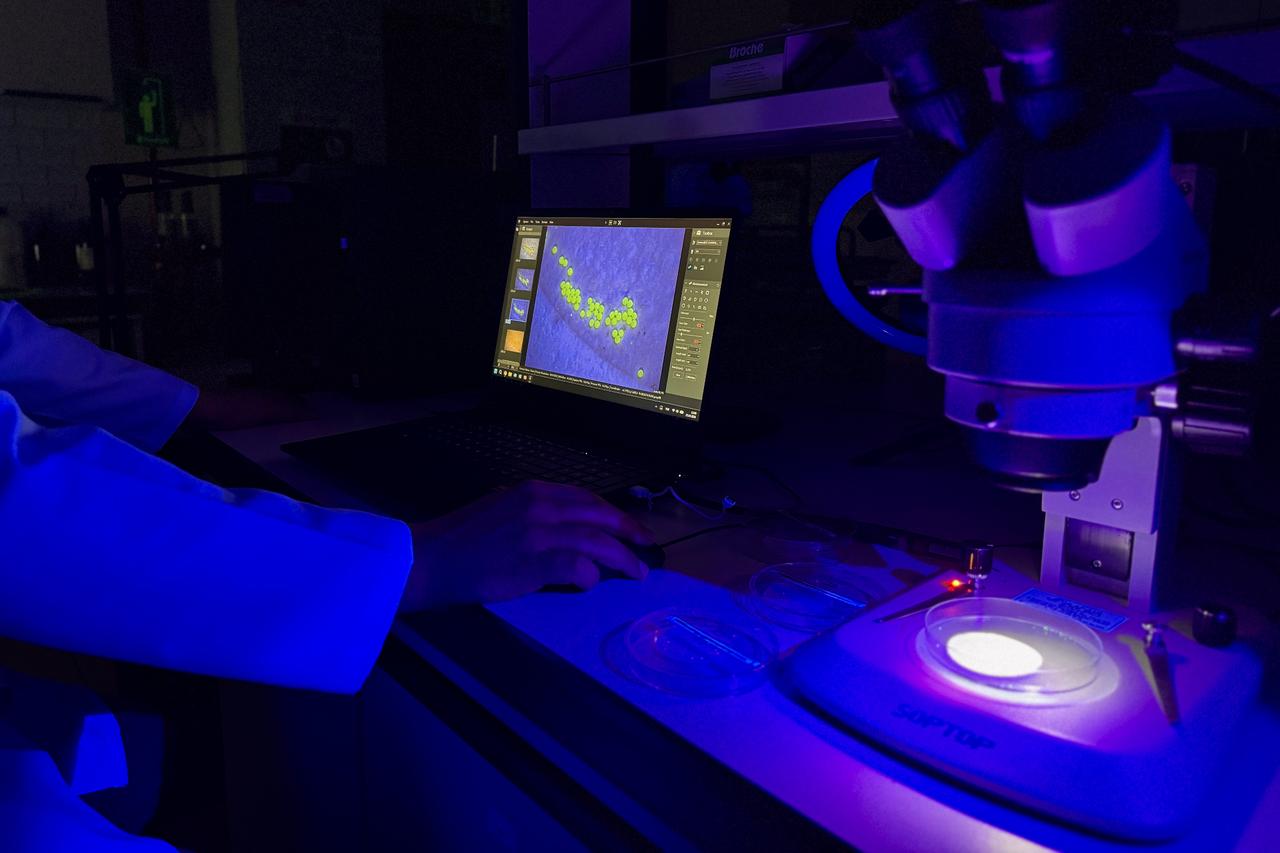


Microplastics can reduce production in aquaculture systems by as much as 18%, according to a new study by researchers from Istanbul University, who warn that urgent measures are needed to protect sustainable food production.
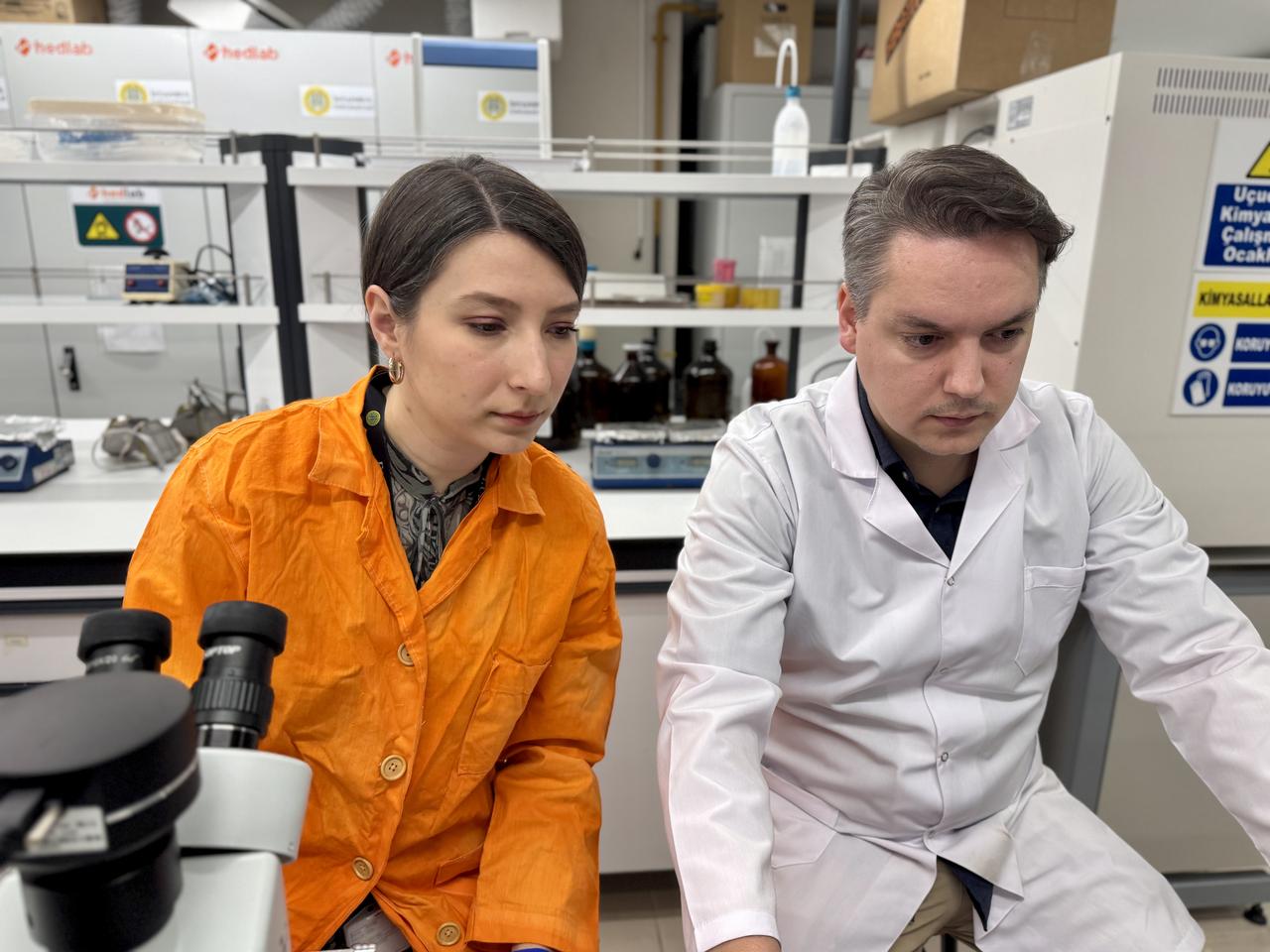
The research, carried out by Professor Nuray Erkan and Gokhan Tuncelli at Istanbul University’s Faculty of Aquatic Sciences, examined how microplastic exposure affects farmed aquatic species within a controlled production system.
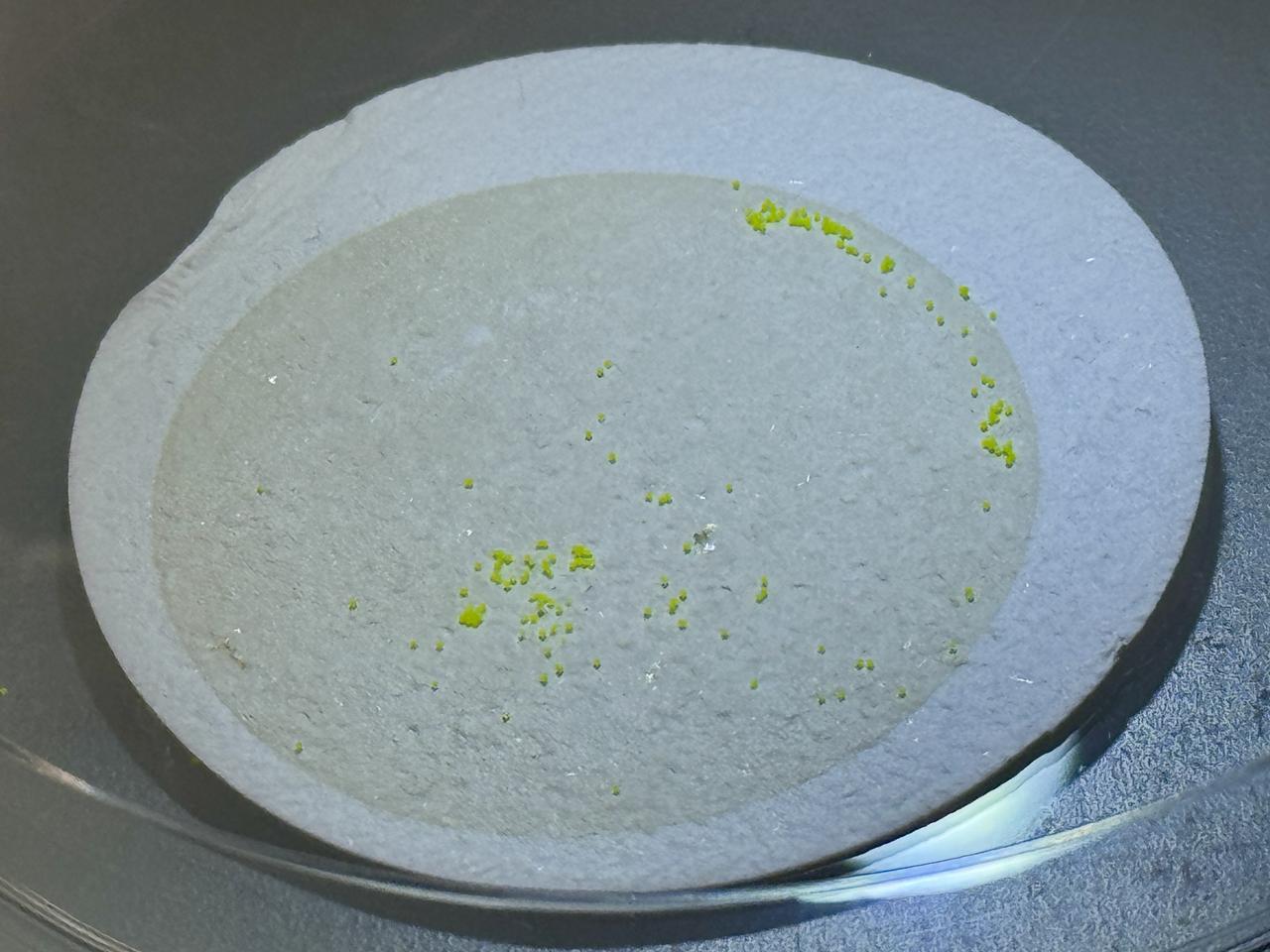
The team modeled an integrated multi-trophic aquaculture system, a method that combines different species across the food chain to mimic natural ecosystems and improve efficiency. In this setup, rainbow trout, freshwater mussels, and duckweed (a small floating aquatic plant) were cultivated together.

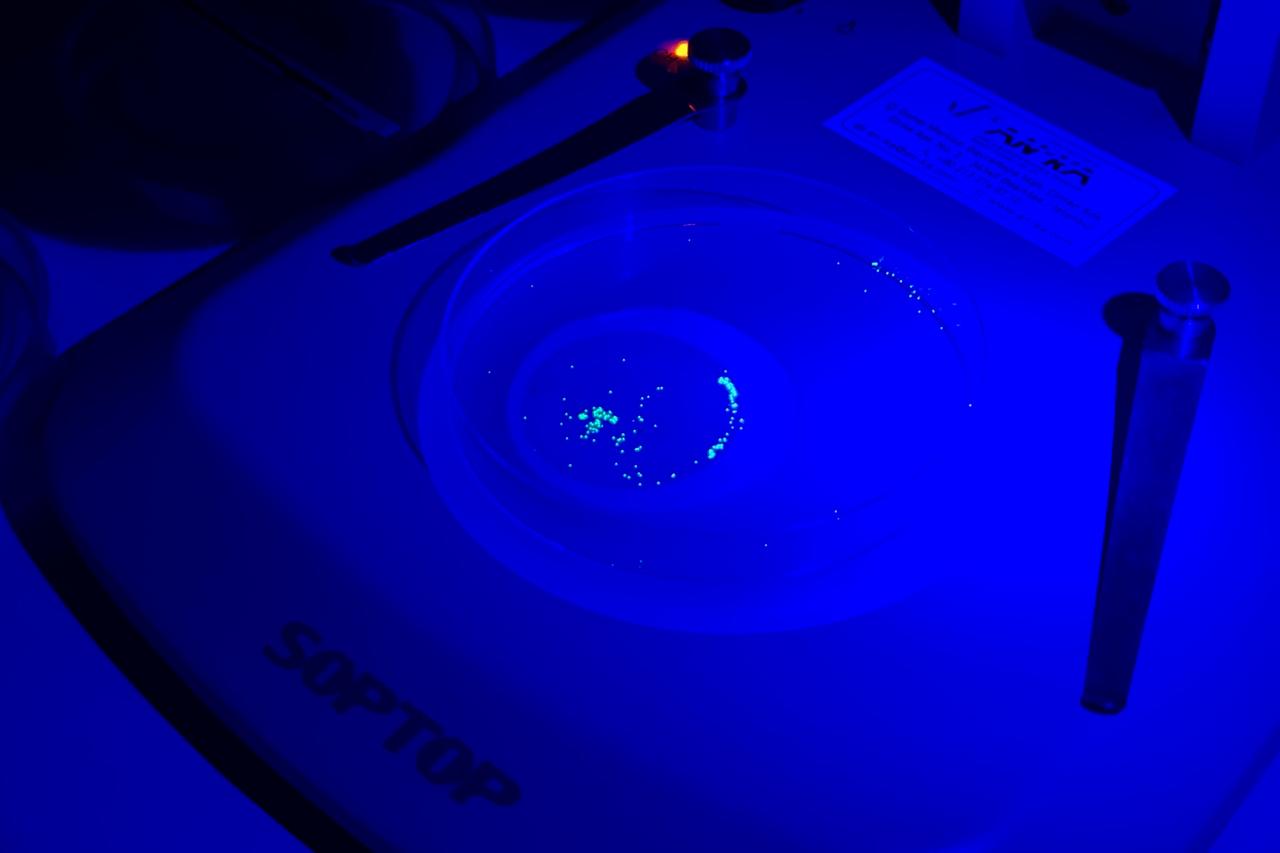
Published in Aquaculture International, the study exposed systems to 10–20 micrometer polyethylene microplastics through feed and water for 45 days. This was followed by a 45-day depuration phase to allow organisms to clear the contaminants.
When microplastics were present in both feed and water, the system’s total biomass production dropped by 18%. Researchers also observed that fish growth performance declined at certain stages compared to the control group, while duckweed production decreased as well.
Although mussels did not show a consistent drop in filtration capacity, the overall efficiency of the system was negatively affected, indicating that microplastics can disrupt production balance even when some species appear less impacted.
The study also found that microplastics could move between species through the food chain, altering how production is distributed within the system.
Researchers noted that while growth trends among organisms began to converge again after exposure ended, the presence of microplastics had already shifted the system’s performance and output patterns.
Speaking about the findings, Professor Erkan pointed to rising environmental pollution as a growing threat to aquatic food sources worldwide.
“This environmental pollution threatens our most important resources, aquatic food sources,” she said, emphasizing that microplastics largely originate on land before flowing into rivers, seas, and oceans.
She added that fish and other aquatic products remain essential components of the global food supply, meaning that contamination risks extend beyond ecosystems to human health.
The researchers highlighted that their integrated system was designed to reflect natural ecological cycles, allowing them to observe how pollutants affect different trophic levels simultaneously.
Erkan said the project’s results could help open up new pathways for sustainable food production, noting that the system may also contribute to water efficiency and safer production methods.
Tuncelli stressed that microplastic pollution is increasing and could begin to directly limit production if left unaddressed.
He underlined that the study initially focused on system efficiency, where the 18% loss emerged as a key finding, and added that future research will expand to include other types of plastics such as polypropylene and polystyrene.
According to Tuncelli, preventing microplastic pollution is essential, as its effects extend beyond fish to other organisms in the food chain, potentially disrupting growth, digestion and ultimately the nutritional value of aquatic products.


 Set as preferred source
 Set as preferred source


 3 min read