Newsletters





Collins Dictionary named “mogging,” a slang term for outshining or outperforming someone or something, its Word of the Year for 2026.
The British dictionary publisher said the term has increasingly entered mainstream language, particularly among Gen Z and Gen Alpha. It is often used online playfully or ironically to describe someone being upstaged.
Announcing the choice in an article for Collins, copywriter Rachel Quin said the word describes making someone or something look inferior in terms of appearance, confidence or status.
She said the term now covers all sorts of situations, from teenagers outdoing elite athletes to a new video game overshadowing an old one, and a friend’s sourdough bread making the loaf someone spent all weekend preparing look bad. “Basically, if someone or something has made you look a bit rubbish by comparison, you’ve been mogged,” Quin said.
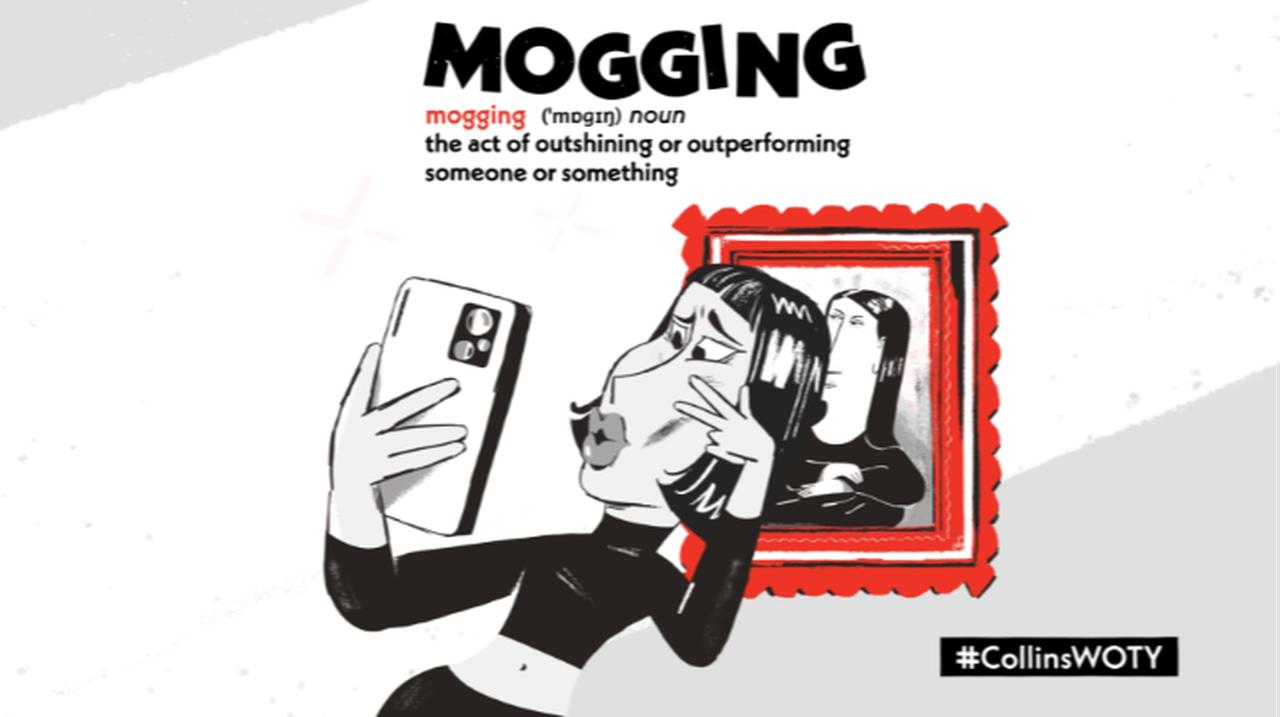

The word is believed to derive from “AMOG,” an acronym for “alpha male of the group,” and emerged around 2016 in bodybuilding culture to describe the most physically dominant man in a gym, according to Collins.
It later developed into a verb and spread through online communities before taking on a broader meaning, and someone might now be described as “mogging” another person by looking better, performing better or otherwise making them appear inferior by comparison.
Collins, which tracks changes in English through large databases of written and spoken language, said much of this year’s shortlist felt like “one big mogging contest,” with entries reflecting trends in transport, politics, climate, employment and culture.
In transport, “carspreading” describes the tendency of carmakers to produce longer, wider and heavier vehicles. Quin said sport utility vehicles, or SUVs, made up more than half of new car sales in 2025, which has left less room in parking spaces and on country lanes.
On the political side, the shortlist included “Manchesterism,” a philosophy associated with British Prime Minister Andy Burnham that centers on shifting power to the regions and pairing economic growth with social progress. Quin said Burnham revived the 19th-century term in a newspaper article in January, before replacing Keir Starmer as prime minister in July.
Environmental terms included “firewave,” coined by researchers at Imperial College London in 2025 to describe multiple wildfires breaking out within a short period during dry spells. Climate conditions also led organizers to introduce mandatory “hydration breaks” at every match of the 2026 World Cup, which was hosted across the United States, Mexico and Canada.
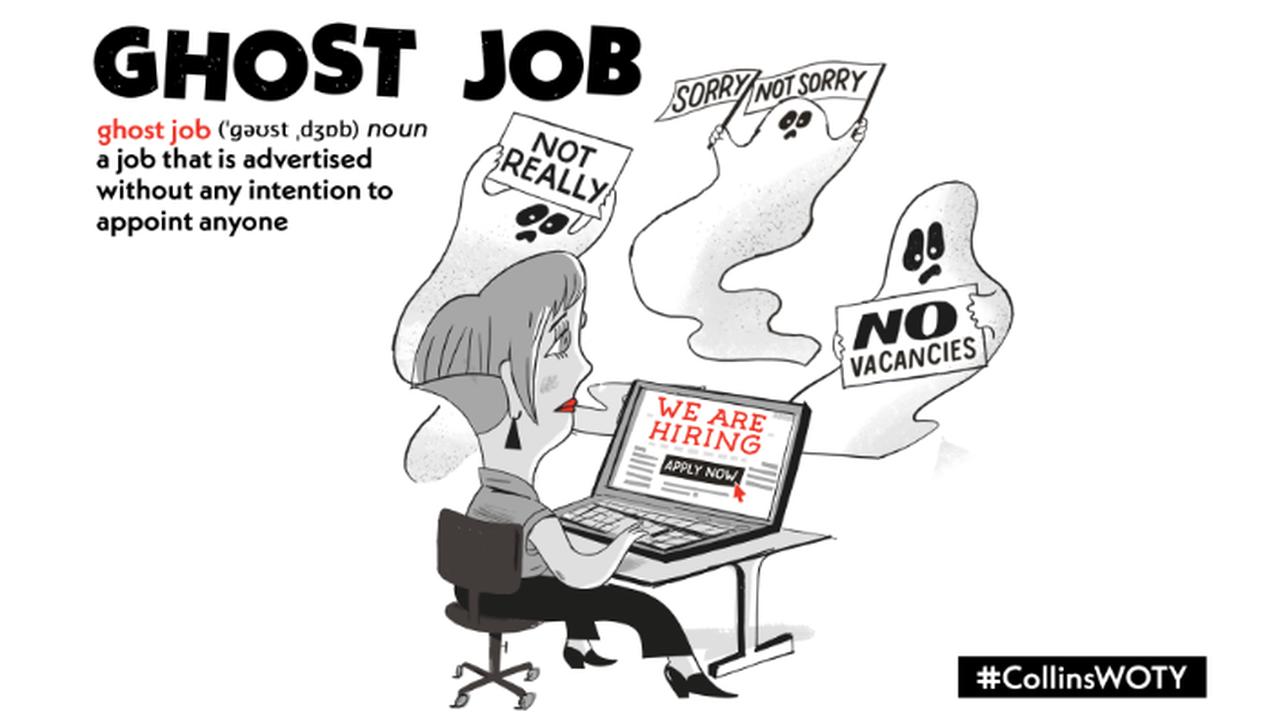
In the job market, “ghost job” refers to a position advertised by an employer with no intention of hiring. Quin said a recent U.K. study found around a third of advertised roles were ghost jobs, and she called recruiter ghosting, or cutting off contact with applicants, “a new low.”
The shortlist also featured “friendslop,” a term gamers use for low-budget, multiplayer independent games that put social fun ahead of high-end graphics, and “fricy,” a blend of “fruity” and “spicy” that reflects the popularity of products such as pineapple and mango hot sauces.
“Bixie” describes a hairstyle that combines a bob and a pixie cut, adopted by figures such as Zendaya, Jessie Buckley and Helen Mirren. “P(doom)” is shorthand for the probability that artificial intelligence will cause the collapse of human civilization.
Quin said the pattern across the shortlist was hard to miss, noting that while 2026 had been defined by competition and escalation, the vocabulary also showed how society adapts.
“If 2026 has taught us anything, it’s that mogging can take many forms, but some resilience, and a little fun, could be the key to winning through,” she said.


 Set as preferred source
 Set as preferred source


 1 min read


 1 min read