Newsletters


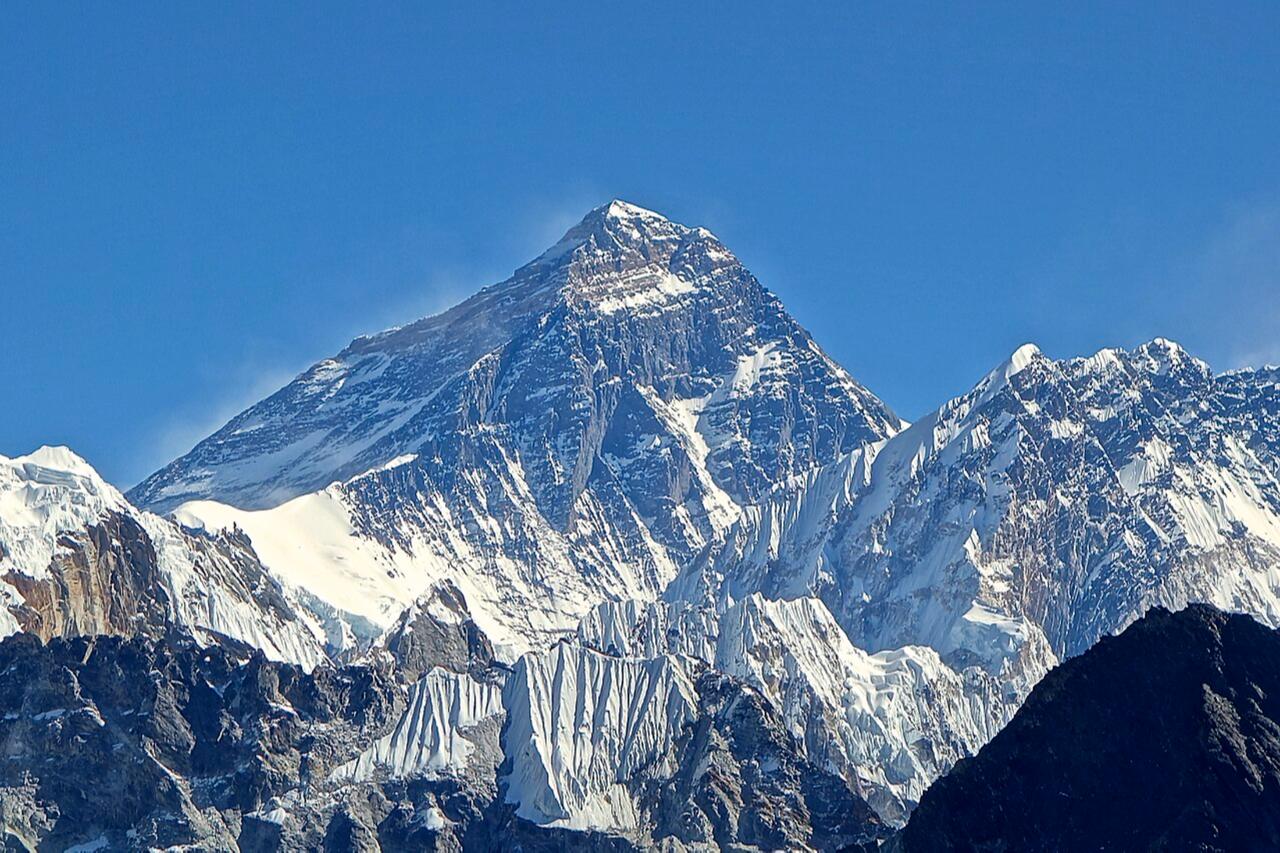


Mount Everest, the world’s highest peak, is still growing by a few millimeters each year as tectonic forces continue to push up some of the planet’s major mountain ranges.
According to a report by Futura, Everest is not the only mountain affected by this process. Other peaks in the Himalayas, the Alps, the Zagros Mountains and New Zealand’s Southern Alps are also continuing to rise at a slow but measurable pace.
The growth takes place in active tectonic collision zones, where large sections of the Earth’s crust keep pressing against each other. As this movement continues, the pressure from below pushes mountain ranges upward over time.
Although the annual increase is measured only in millimeters, the process is still significant because it shows that some of the world’s most familiar landscapes are not fixed. Instead, they are still being shaped by geological forces deep beneath the surface.
The final height of a mountain is shaped by two opposing forces. On one side, tectonic uplift pushes the mountain upward. On the other hand, erosion slowly wears it down through rain, wind, rivers and freeze-thaw cycles.
Freeze-thaw cycles occur when water enters cracks in rock, freezes, expands and then helps break the rock apart. Over long periods, this process contributes to the gradual wearing down of mountain peaks.
Mountains such as Everest continue to gain height when the pace of tectonic uplift is greater than the rate of erosion. In these regions, the upward movement caused by tectonic convergence is strong enough to overcome the forces that wear the landscape down.
As a result, future geography books may need to reflect small but continuing changes in the height of Everest and other major mountain ranges.


 Set as preferred source
 Set as preferred source




 6 min read