Newsletters


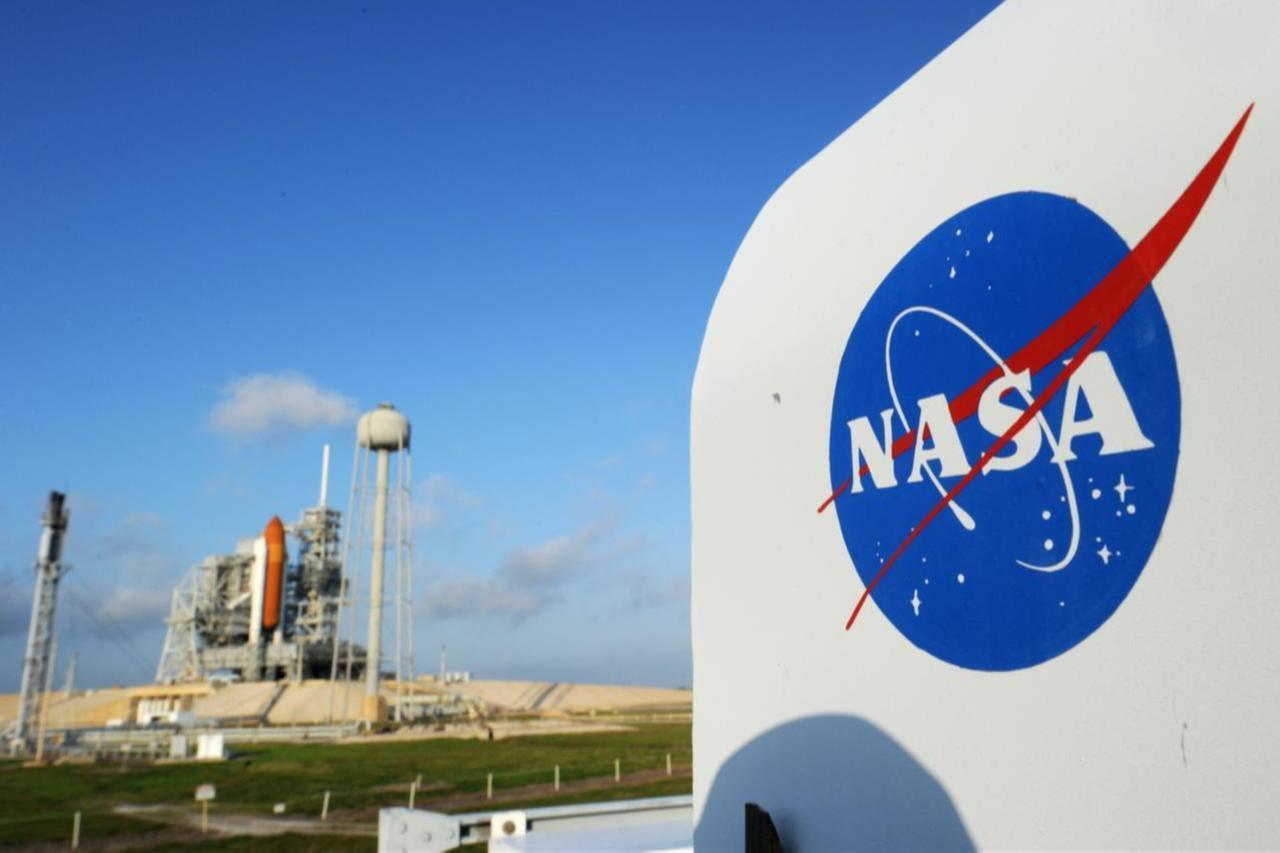


NASA says it is preparing to launch its Artemis II mission in early April, marking the first time astronauts will travel toward the Moon since the Apollo era ended in 1972.
The U.S. space agency announced that the mission could lift off as soon as April 1 from the Kennedy Space Center in Florida. Officials confirmed the timeline after completing a flight readiness review that assessed the rocket, spacecraft, and ground systems needed for the mission.
If conditions force a delay, NASA has identified additional launch windows between April 2 and April 6, with another opportunity on April 30.
Artemis II will send four astronauts on a 10-day journey around the Moon and back to Earth without landing on the lunar surface. The mission is a key step in NASA’s long-term effort to return humans to the Moon and eventually send astronauts to Mars.
The crew will travel aboard the Orion spacecraft, launched by NASA’s Space Launch System (SLS) rocket.
During the mission, the spacecraft will loop around the far side of the Moon before returning to Earth.
The trajectory will take the astronauts about 4,700 miles beyond the far side of the Moon, farther than any human has traveled in space since the Apollo missions.
The crew includes three NASA astronauts and one astronaut from the Canadian Space Agency:
The mission also marks several milestones.
Koch will become the first woman assigned to a lunar mission, while Glover will be the first African American astronaut to travel toward the Moon. Hansen will be the first Canadian to fly close to the Moon.
NASA tested the Orion spacecraft and SLS rocket during the uncrewed Artemis I mission in 2022, but Artemis II will be the first time the system flies with astronauts on board.
NASA delayed the mission earlier this year after engineers discovered technical issues with the rocket.
One problem involved helium not flowing correctly to the upper stage of the Space Launch System. Engineers traced the issue to a faulty seal in a cable connection and repaired it inside the Vehicle Assembly Building at Kennedy Space Center.
The rocket had also experienced a hydrogen leak during earlier fueling tests, which engineers worked to resolve before the latest launch attempt.
NASA now plans to roll the 322-foot rocket back to the launch pad on March 19, a slow process that takes roughly 10 to 12 hours.
Officials say the agency has carefully evaluated the risks involved with the mission. John Honeycutt, chair of the Artemis II Mission Management Team, said engineers focused on assessing potential problems before approving the launch plan.
“We want to be sure that we’re thinking about everything that can possibly go wrong,” Honeycutt said during a press briefing.
NASA leaders said the agency decided not to conduct another full fueling rehearsal before launch because previous tests were successful, and additional fueling cycles can reduce the lifespan of rocket tanks.
Artemis II is the second mission in NASA’s Artemis program, a multibillion-dollar effort to reestablish human exploration of the Moon.
The program seeks to build a long-term presence near the Moon’s south pole, where scientists believe water ice could support future missions by providing drinking water, breathable oxygen, and fuel components.
NASA hopes these missions will also help prepare astronauts for crewed voyages to Mars in the coming decades.
Under the agency’s current timeline, Artemis III will test docking maneuvers between Orion and commercial lunar landers developed by companies such as SpaceX and Blue Origin. NASA plans to attempt a lunar landing during Artemis IV, currently targeted for 2028.
If the upcoming mission launches successfully, Artemis II will mark the first time humans travel into deep space in more than half a century.


 Set as preferred source
 Set as preferred source



 1 min read