Newsletters


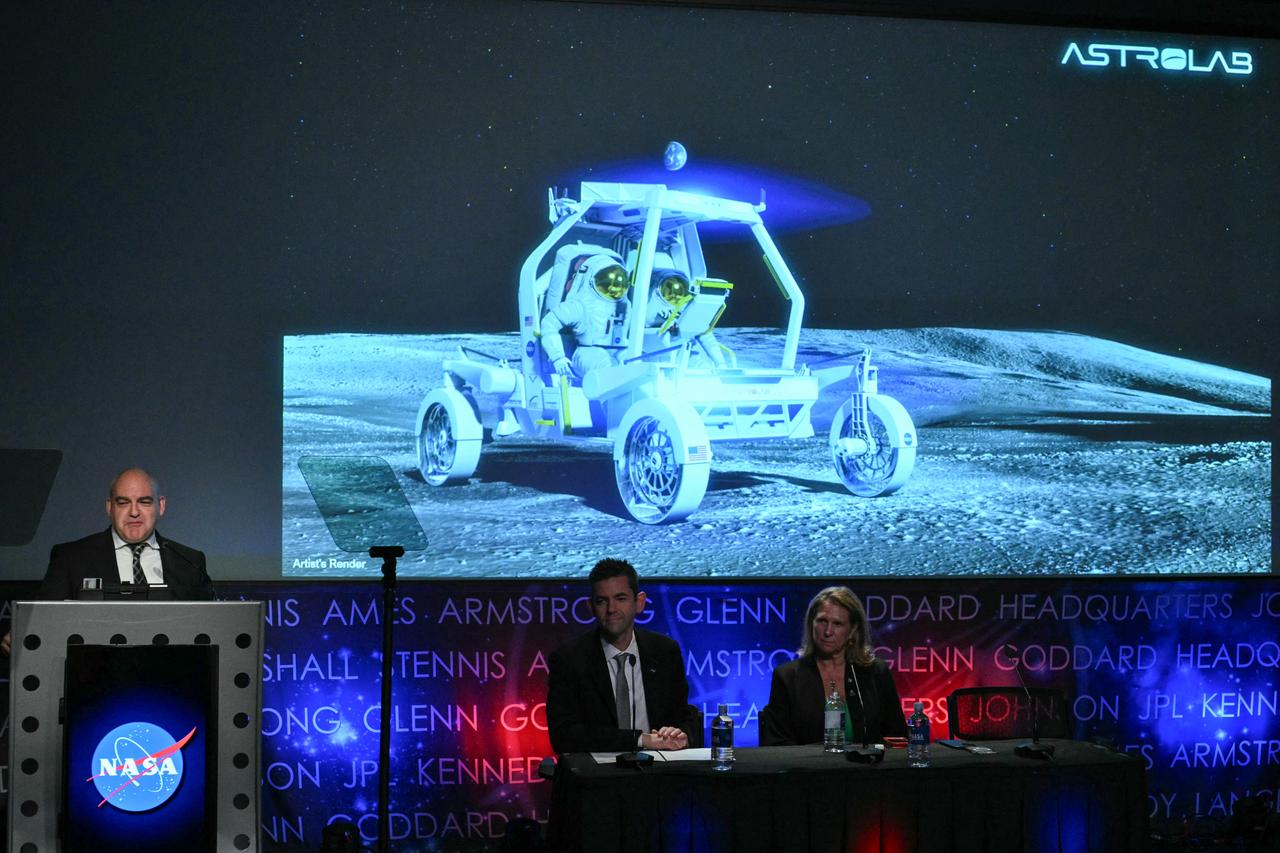


NASA has outlined the first phase of its moon base plans, ordering landers, rovers and drones as it prepares for a possible astronaut landing as early as 2028.
The space agency announced on Tuesday that it awarded hundreds of millions of dollars in contracts to four U.S. companies for hardware intended to support its Artemis lunar program.
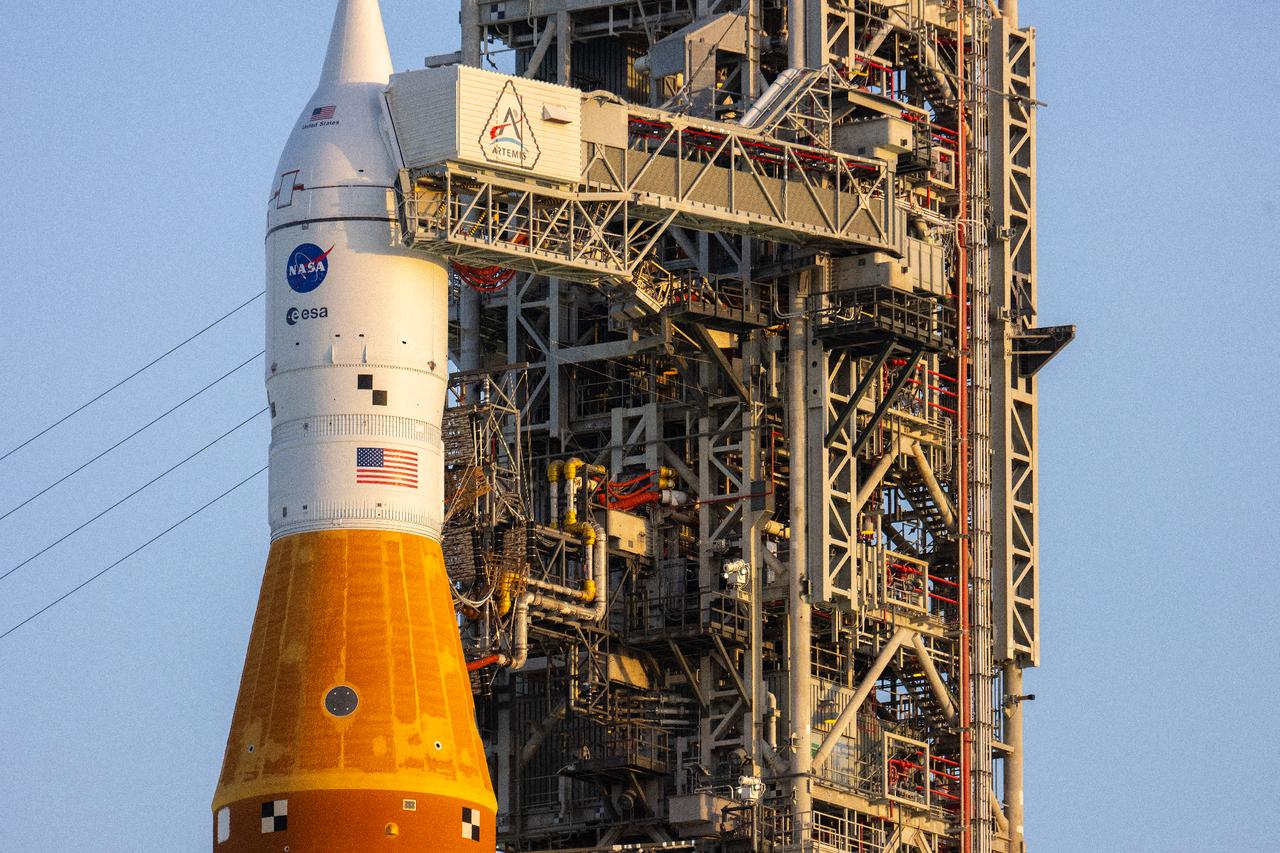
The announcement came less than two months after the Artemis II mission, during which four astronauts flew around the moon and traveled deeper into space than the Apollo crews of the late 1960s and early 1970s.


Blue Origin, founded by Jeff Bezos, will provide two landers to deliver moon buggies to the lunar surface near the moon’s south pole.
The lunar terrain vehicles will be built by Astrolab and Lunar Outpost.
Firefly Aerospace, which landed successfully on the moon last year, will deliver the first drones to the lunar surface.
NASA wants the equipment to arrive before the first Artemis astronauts land on the moon, a mission planned for as early as 2028.
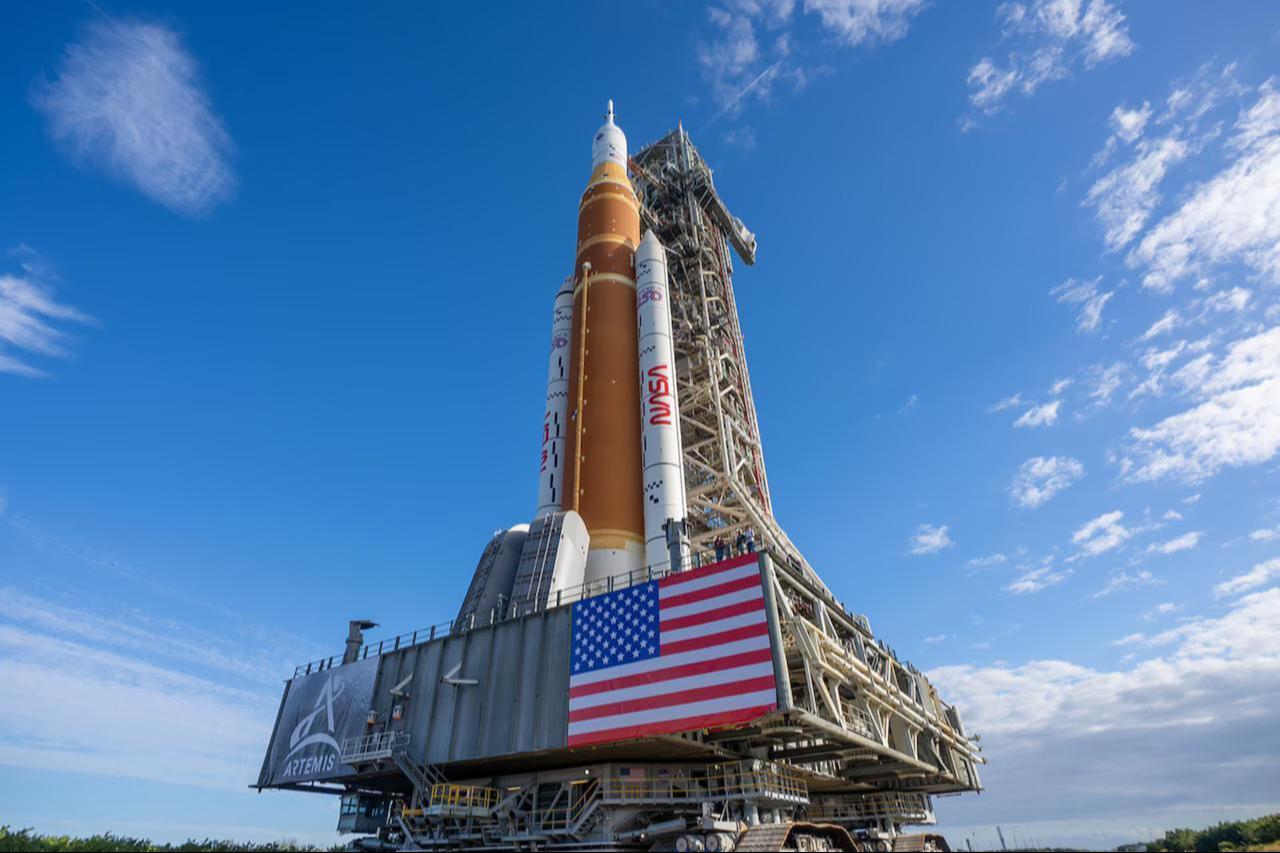
NASA is targeting Artemis III for mid-2027.
During the mission, astronauts are expected to practice docking NASA’s Orion capsule in Earth orbit with lunar landers being developed for crews by Blue Origin and SpaceX.
The Artemis III test flight, involving one or two lander dockings in Earth orbit, is similar in concept to Apollo 9, which tested a command module and lander in Earth's orbit in 1969 before Apollo 11 landed on the moon four months later.
A moon landing by two astronauts could follow as soon as 2028.
NASA’s second phase for the moon base, from 2029 into the early 2030s, will begin building permanent infrastructure, including a power grid.
The third phase, expected sometime in the 2030s, would allow the base to support astronauts for extended periods in specialized permanent habitats.
“Then we'll be able to say, ‘Hey, we're permanently here and we're not giving it up,’” said Carlos Garcia-Galan, NASA’s moon base program executive.
Garcia-Galan envisions a moon base spread over hundreds of square miles, with a perimeter marked by drones called MoonFall stationed at the corners.
NASA Administrator Jared Isaacman said the territory markers are meant to be respectful of other countries’ spacecraft and equipment that may be nearby, adding that he expects reciprocity.
Isaacman said the goal of the moon base is to encourage a lunar economy, conduct scientific research and lay the foundation for a Mars expedition.
The Planetary Society, a space advocacy organization co-founded by the late astronomer Carl Sagan, estimates NASA will have spent about $107 billion on return-to-the-moon plans through 2026 in inflation-adjusted dollars, CBS News previously reported.
Isaacman said earlier this year that NASA is expected to invest about $20 billion over the next seven years into the moon base mission.
“For those waiting patiently, the grand return is close at hand and we will not slow down,” Isaacman said Tuesday. “We are really just getting started.”


 Set as preferred source
 Set as preferred source


 1 min read

 1 min read