Newsletters


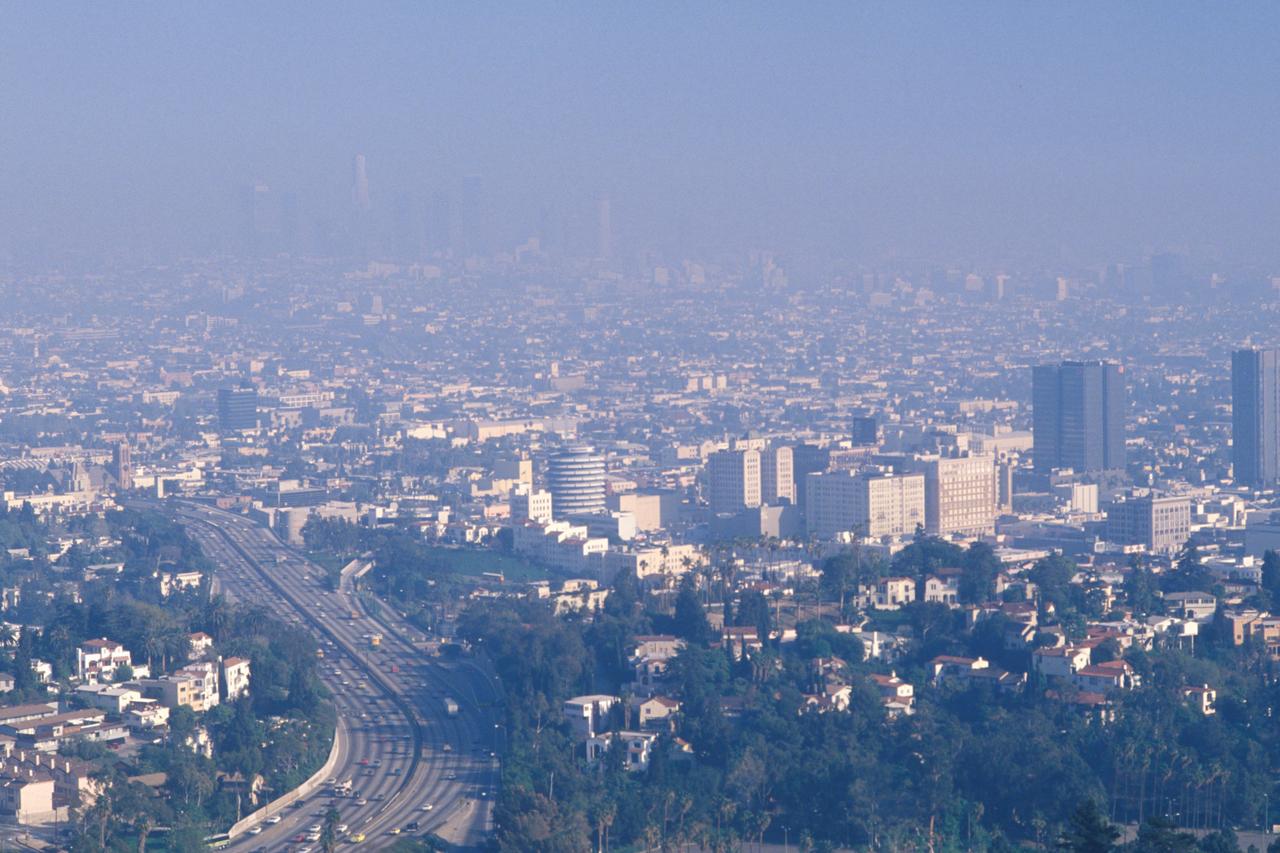


Nearly 40% of the world's population was exposed to dangerous levels of ground-level ozone pollution during the first eight months of 2026, as extreme heat, wildfires and other pollution sources pushed up concentrations across several continents, according to an analysis by the Copernicus Atmosphere Monitoring Service (CAMS).
The analysis, carried out by CAMS under the European Centre for Medium-Range Weather Forecasts (ECMWF), found that only around 5% of the global population experienced ozone levels considered "good" under World Health Organization guidelines.
Unlike the ozone layer higher in the atmosphere, ground-level ozone is a harmful secondary pollutant that forms when certain pollutants react chemically under sunlight and high temperatures. It can harm human health, ecosystems and agricultural yields.
Asia emerged as the region most affected by ozone pollution, with industrial and transport-related pollution combining with numerous natural sources of ozone-forming emissions.
Around 60% of the continent's population was exposed to extremely high ozone levels during the period covered by the analysis.
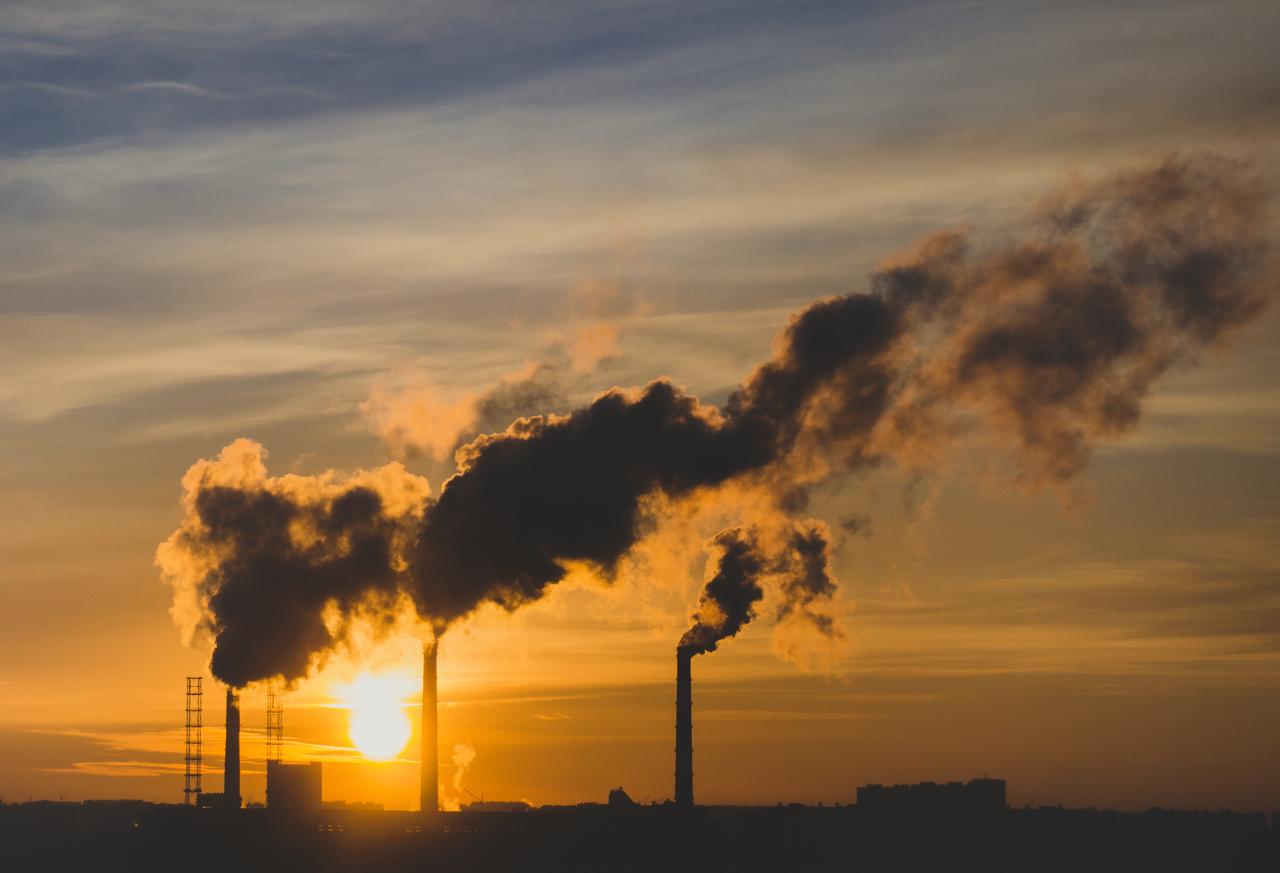

Europe also faced widespread exposure, with half of its population encountering ozone conditions classified as "poor" or "very poor." Successive heat waves contributed significantly to ozone exposure during the summer, highlighting the connection between climate-driven extreme events and air quality.
In North America, population-weighted ozone concentrations also remained elevated, partly because extreme wildfires in 2026 released emissions that can contribute to ozone formation. More than two-thirds of the continent's population was exposed to "poor" or "extremely poor" ozone levels.
The CAMS assessment also looked at transboundary pollution from ozone, wildfire smoke and desert dust, showing how air-quality events can spread far beyond their original sources.
ECMWF Director-General Florian Pappenberger said the findings showed that air pollution does not stop at national borders, with wildfire smoke, ozone and dust capable of traveling thousands of kilometers.
As the international community prepares for the COP31 United Nations climate summit, Pappenberger said the findings underline how closely climate change, air quality and public health are connected and point to the need for coordinated global action.
CAMS Director Laurence Rouil similarly said ozone pollution demonstrates how closely the atmosphere, climate, health and livelihoods are linked.
"Pollution and our changing climate affect the chemistry of the air we breathe, determine the health of our ecosystems and even affect our ability to grow food," Rouil said, adding that wildfire smoke, biomass-burning emissions and Saharan dust can travel thousands of kilometers and affect communities far from their sources.


 Set as preferred source
 Set as preferred source


 1 min read

 1 min read