Newsletters


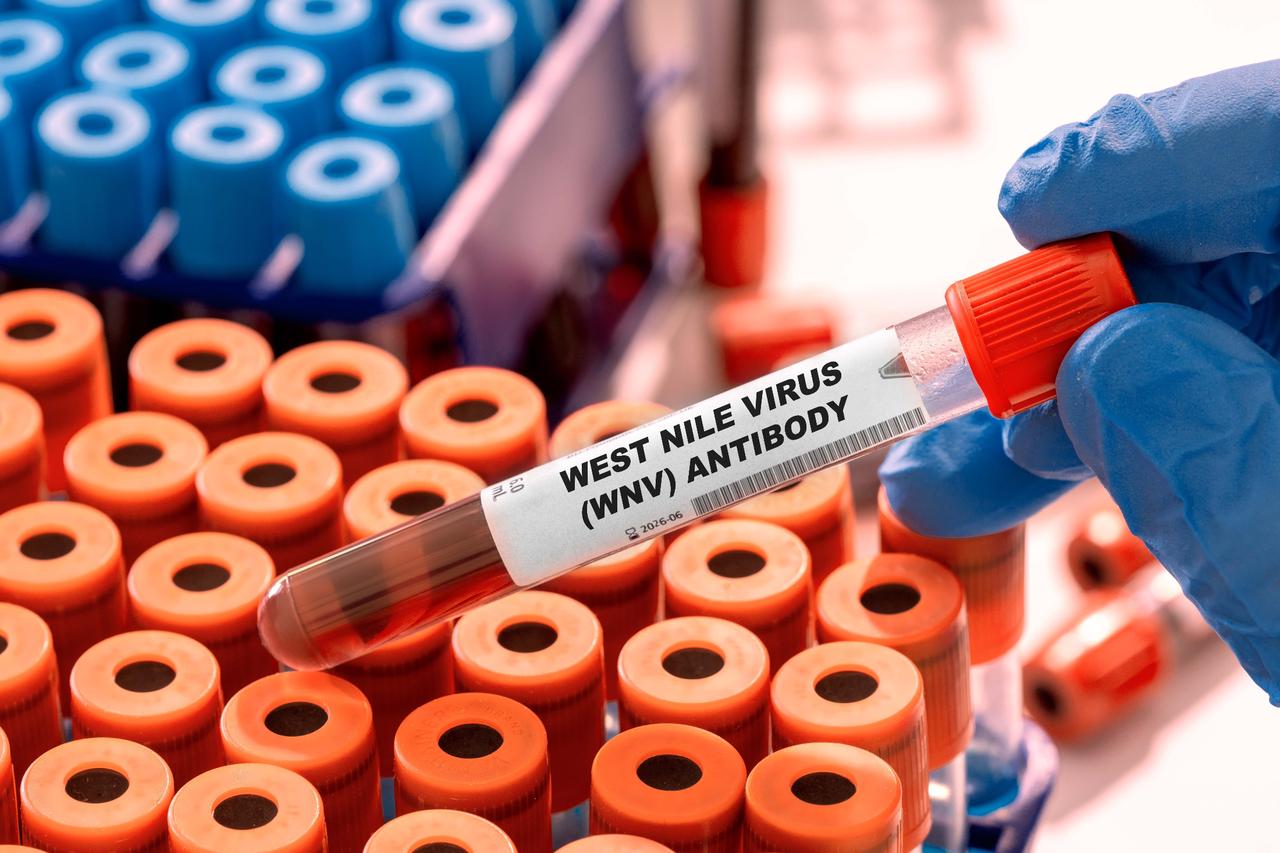


Dutch health authorities said Thursday that nine cases of mosquito-transmitted West Nile virus have been registered in recent weeks, after the country had already recorded one death from the disease.
The Netherlands' National Institute for Public Health and the Environment (RIVM) said most of the cases had been diagnosed in hospitals.
"These patients contracted the virus following a bite from an infected mosquito. The infections occurred in the provinces of Utrecht, North Brabant, North Holland, and South Holland," the agency said in a statement.
The RIVM had earlier reported a death from West Nile on August 26, which it said at the time was one of three cases in 2026. In most cases, West Nile is like a severe influenza but it can cause serious neurological symptoms. There is no commercially available vaccine or preventive treatment for the virus.
North Macedonia has reported at least five deaths from West Nile virus this year, while the European Centre for Disease Prevention and Control said that as of Aug. 26, at least 15 European countries have recorded nearly 900 cases this year.
West Nile virus is transmitted to humans through the bite of an infected mosquito. It was first identified in Uganda in 1937 and is now found across parts of Africa, Europe, the Middle East and North America.
Most people infected with the virus experience no symptoms, though some develop fever, headache, body aches, vomiting or a skin rash. In rare cases, the virus can cause severe neurological illness, including inflammation of the brain or its surrounding membranes.
There is currently no commercially available vaccine or preventive treatment for the virus in humans.


 Set as preferred source
 Set as preferred source


 1 min read

 1 min read