Newsletters


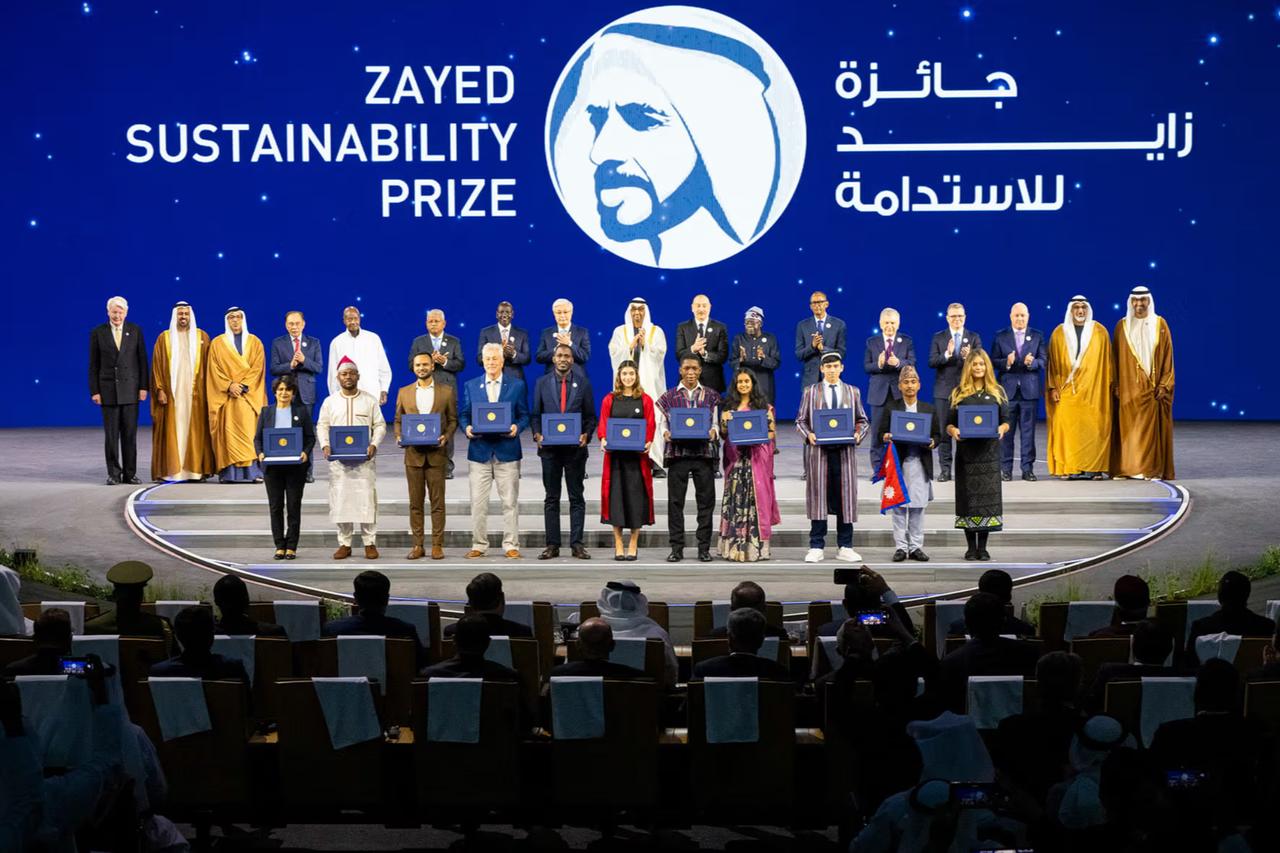


A high school from Türkiye has been named among the finalists for the 2027 Zayed Sustainability Prize, as the UAE-based global award recorded more than 10,000 submissions from 177 countries in its most competitive cycle to date.
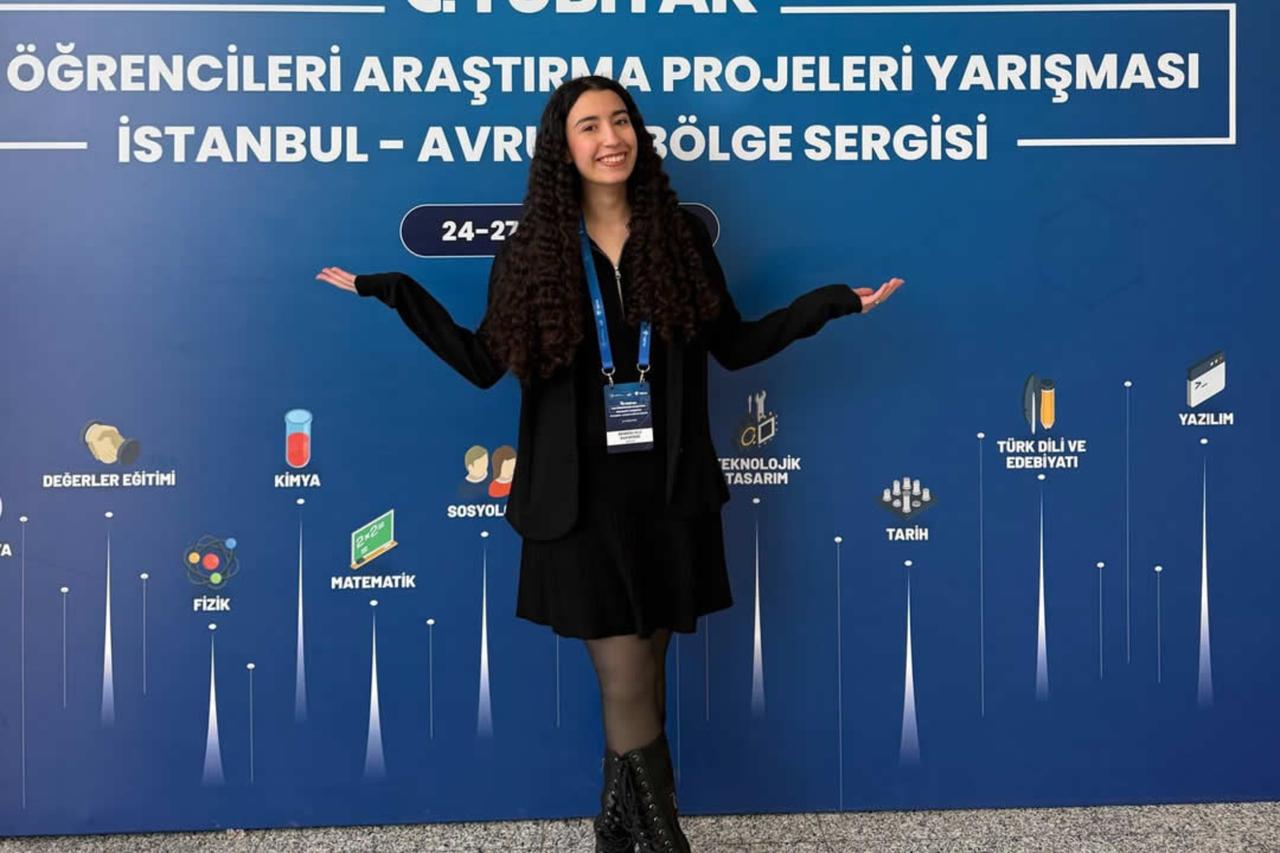
Keban Multi-Program Anatolian High School was selected among the Europe and Central Asia finalists in the Global High Schools category, joining schools from Portugal and Kazakhstan. The winners will be announced on Jan. 12, 2027, during Abu Dhabi Sustainability Week.
The 2027 edition drew a record 10,233 submissions, marking a 32% year-on-year increase. Finalists were selected across six categories covering health, food, energy, water, climate action and global high schools.
Projects reaching the final stage range from artificial intelligence systems that can predict pregnancy complications months in advance to robotic technology designed to inspect and clean water and sewer pipes.
Other finalists are working on drought- and heat-resistant crops, lithium-free batteries, wastewater reuse, coral restoration and technologies aimed at cutting methane emissions from rice production.
UAE Minister of Industry and Advanced Technology and Zayed Sustainability Prize Director General Sultan Ahmed Al Jaber said the finalists showed how solutions rooted in real-world needs could break down barriers and produce measurable impact.
"The finalists' work demonstrates that the most powerful solutions are those rooted in real-world needs, breaking down barriers and delivering meaningful, measurable impact," Jaber said.
 1 min read
Under the prize's funding structure, every finalist will receive financial backing, rather than support being limited to eventual winners.
Organizational finalists in the health, food, energy, water, and climate action categories will receive $100,000 each, while global high school finalists will receive $25,000 each. Category winners will instead receive $1 million in the organizational categories and $150,000 in the high school category.
The Zayed Sustainability Prize said its winners have so far positively affected more than 411 million people worldwide by expanding access to healthcare, food, energy and safe water while supporting more resilient communities.


 Set as preferred source
 Set as preferred source



 1 min read