Newsletters


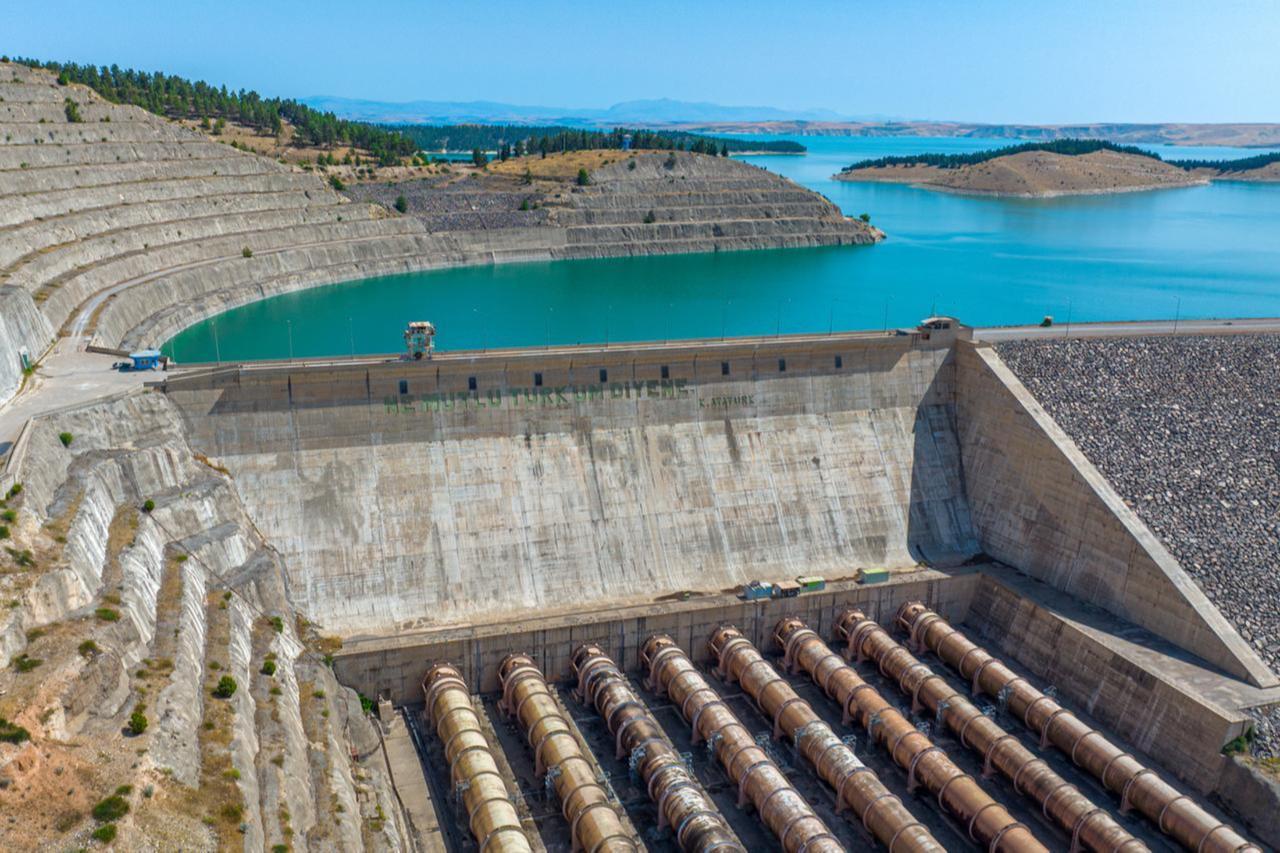


Dam levels have become a growing concern for Turkish citizens in recent years, as water scarcity becomes an increasingly visible reality.
However, Türkiye has now announced a new long-term strategy to protect its water resources, marking World Water Day on March 22 with a policy update focused on sustainability and conservation.
In a statement shared on social media, Agriculture and Forestry Minister Ibrahim Yumakli said the government has introduced a National Water Plan covering the period from 2026 to 2035.
The plan was prepared under the guidance of the National Water Council and aims to secure water resources while promoting efficient use across the country.
“Water is our homeland,” Yumakli said, framing water as a national asset that must be protected for future generations.
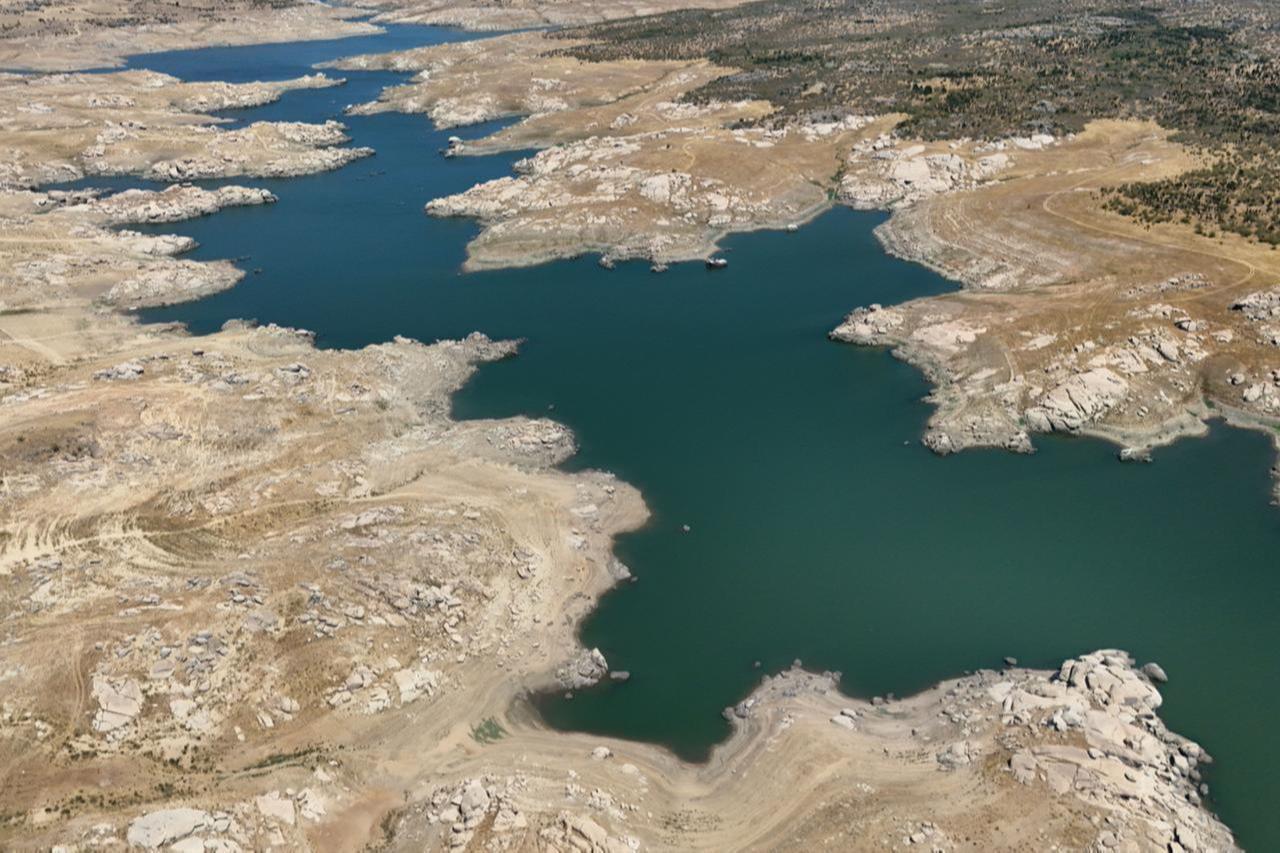

The new plan focuses on improving water management across multiple sectors, including agriculture, industry, and individual consumption.
Yumakli said authorities are working to expand the “Water Efficiency Mobilization” campaign nationwide. The initiative promotes conservation and aims to reduce waste at every level of use.
According to the minister, the strategy is built on recognizing the value of every drop of water and ensuring that resources are used more carefully.
Key elements of the plan include:
“These strategic steps allow us to value every drop, from agriculture to industry to individual use,” Yumakli said. “We protect our water through saving.”
The messaging around the plan places water security within a broader national and environmental framework.
Yumakli said the government is committed to protecting resources, increasing efficiency, and leaving a “livable world” for future generations.
The announcement comes as countries worldwide face rising pressure on water systems due to climate change, population growth, and industrial demand. Türkiye’s approach signals a policy shift toward long-term planning and resource management rather than short-term measures.
The National Water Plan is expected to guide policy and investment decisions over the next decade, as authorities seek to balance economic activity with environmental sustainability.


 Set as preferred source
 Set as preferred source



 3 min read