Newsletters


Ngong Forest stretches across roughly 1,224 hectares along Ngong Road, about 6 kilometers from Nairobi's central business district.
Encircled by the expanding capital, the forest remains one of the few natural woodlands within city limits, its canopy of indigenous trees forming a green boundary between urban development and the wildlife that continues to inhabit it.
Inside the forest, shallow valleys and dense stands of indigenous trees create a landscape shaped by decades of limited human development.
Footpaths wind beneath the canopy, marking routes used by both visitors and the resident wildlife that moves through the undergrowth largely undisturbed by the surrounding city.
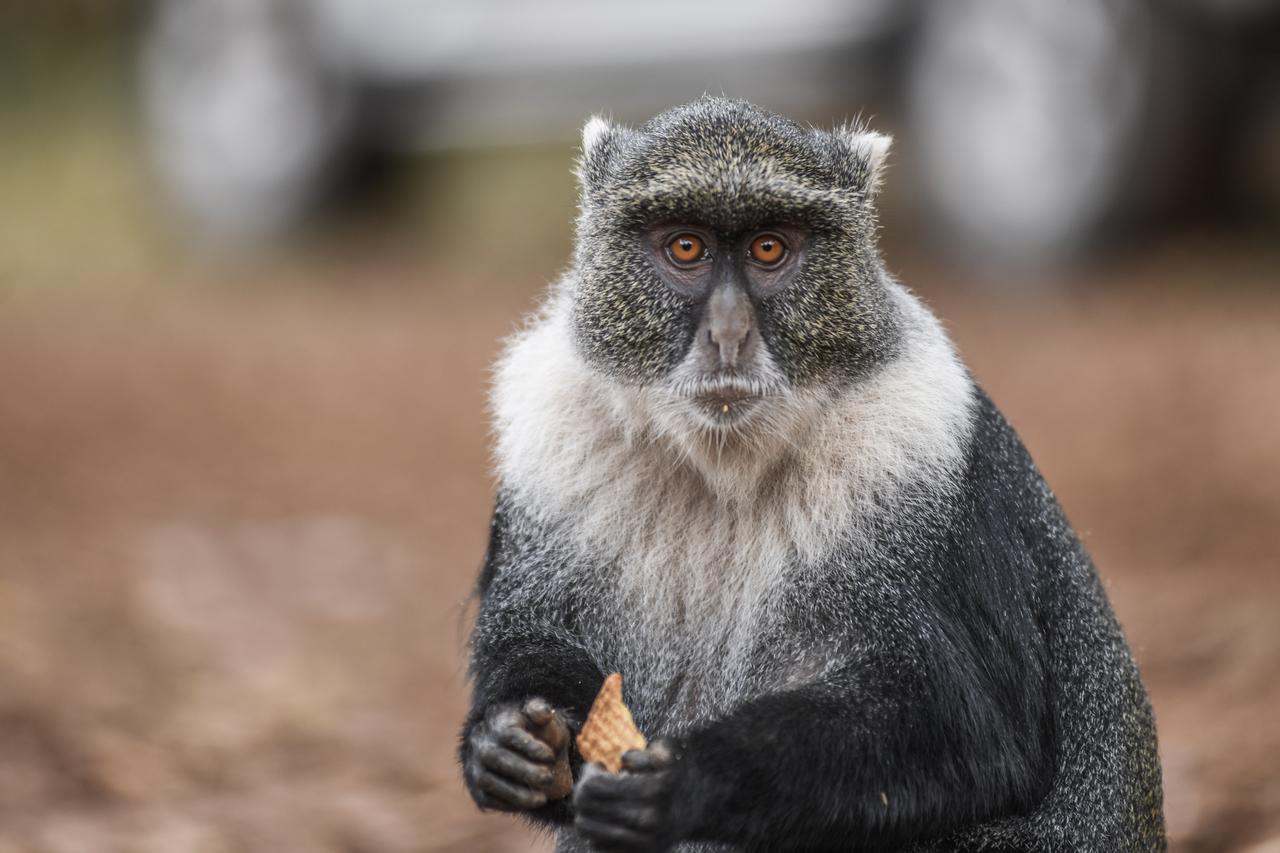
Sykes' monkeys are among the primates recorded in the forest, moving in groups through the mid-canopy.
Their presence, along with that of several other mammal species, reflects the forest's role as one of the last remaining habitats of its kind within Nairobi's urban boundary.
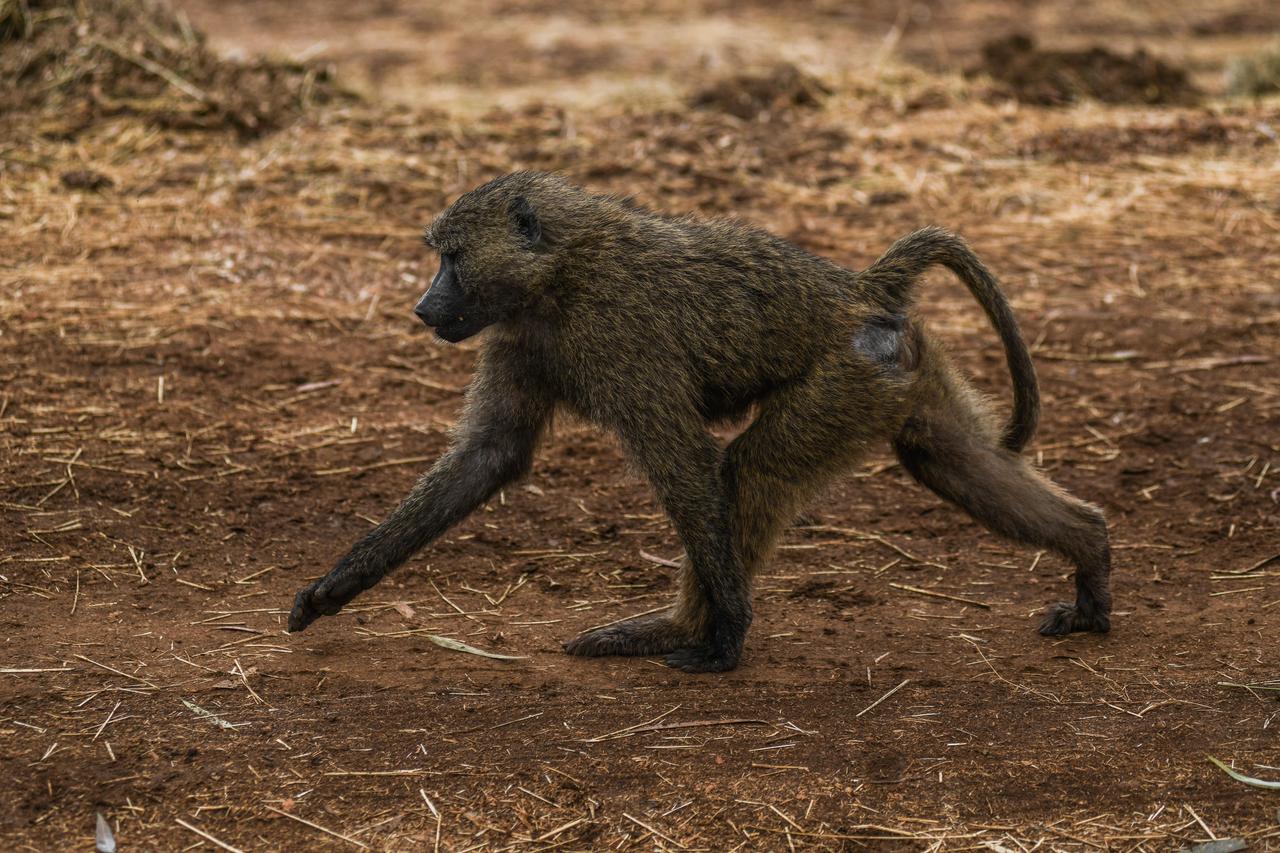
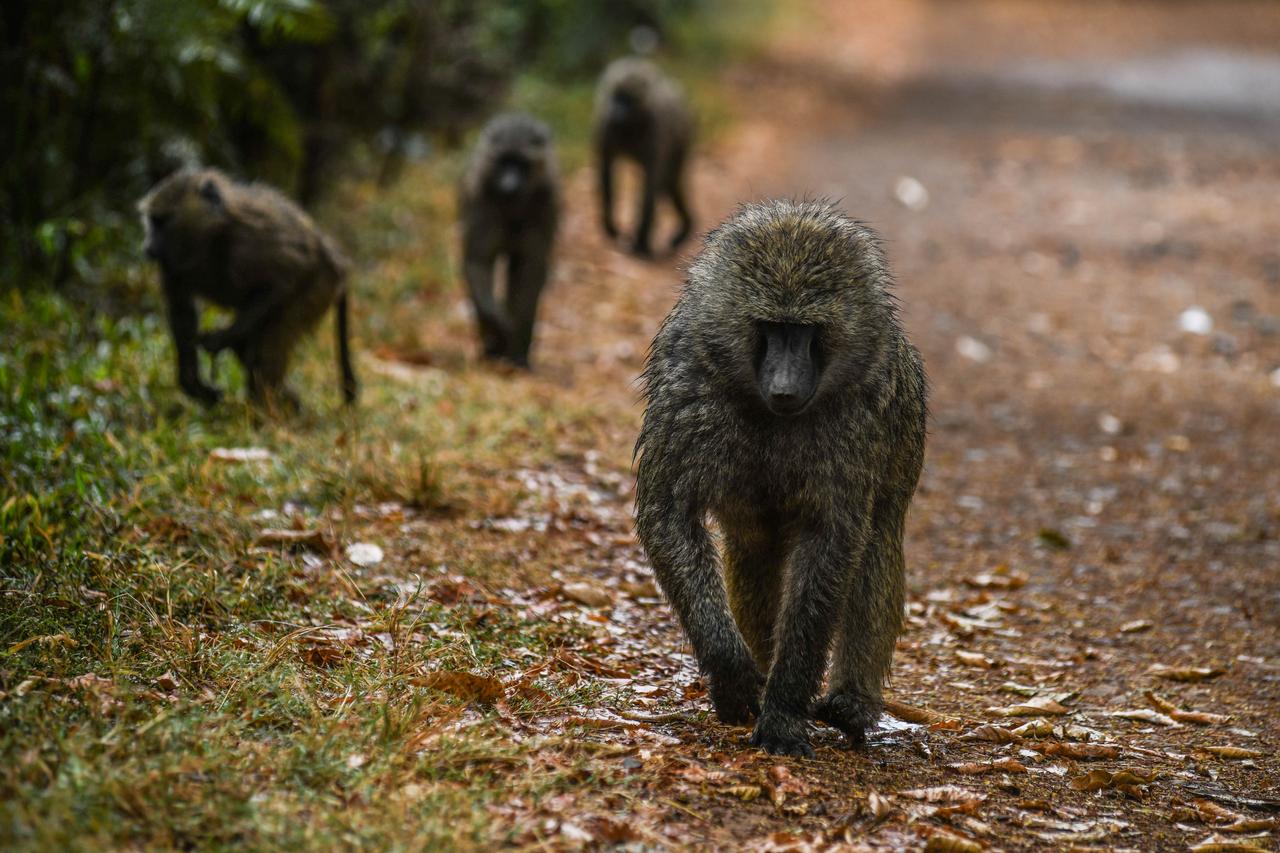
Olive baboons also inhabit the forest, typically moving in troops across the forest floor and lower branches.
Troops forage together, covering ground in search of food, a pattern of movement long observed by those who monitor the sanctuary's wildlife.
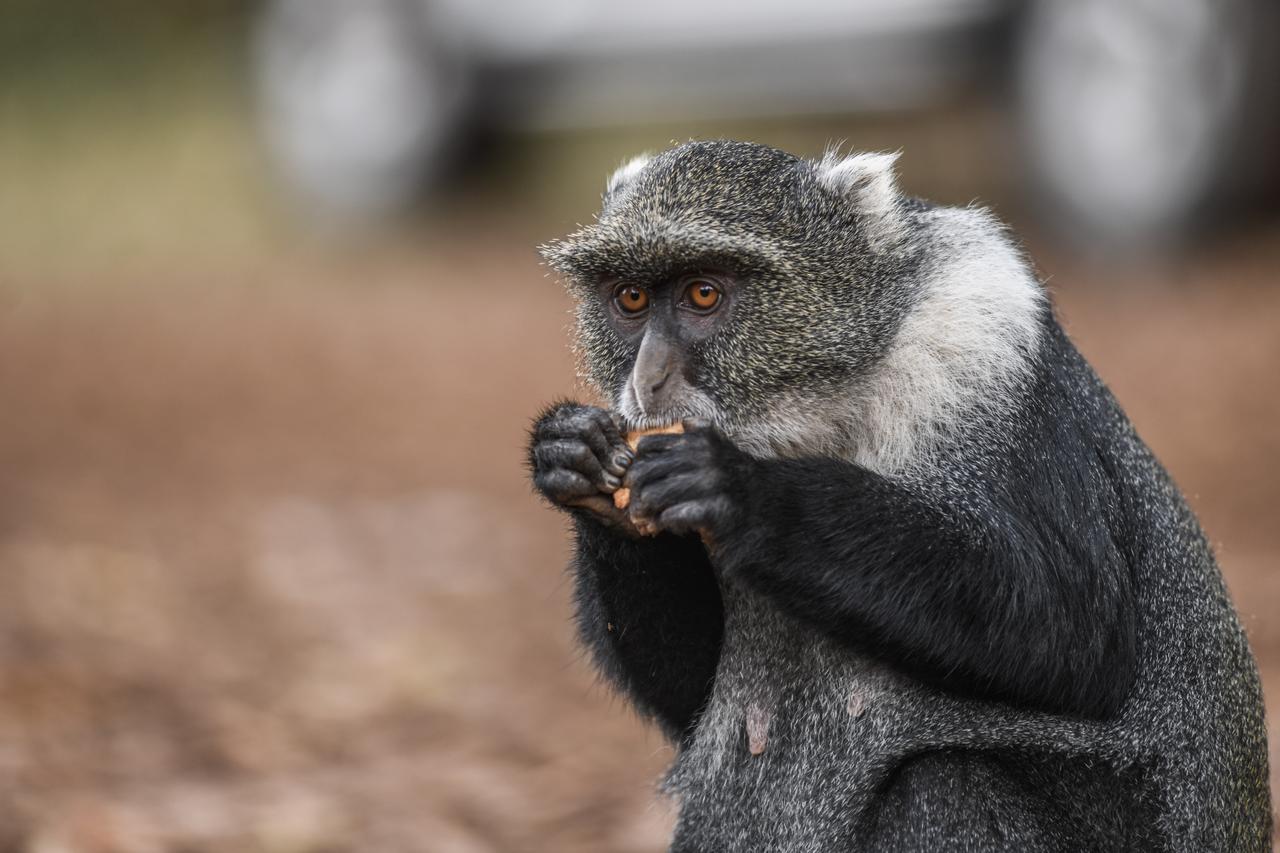
Young baboons remain close to their mothers in the early months, clinging to her back or underside as the troop travels, a common sight within the sanctuary's shaded interior.
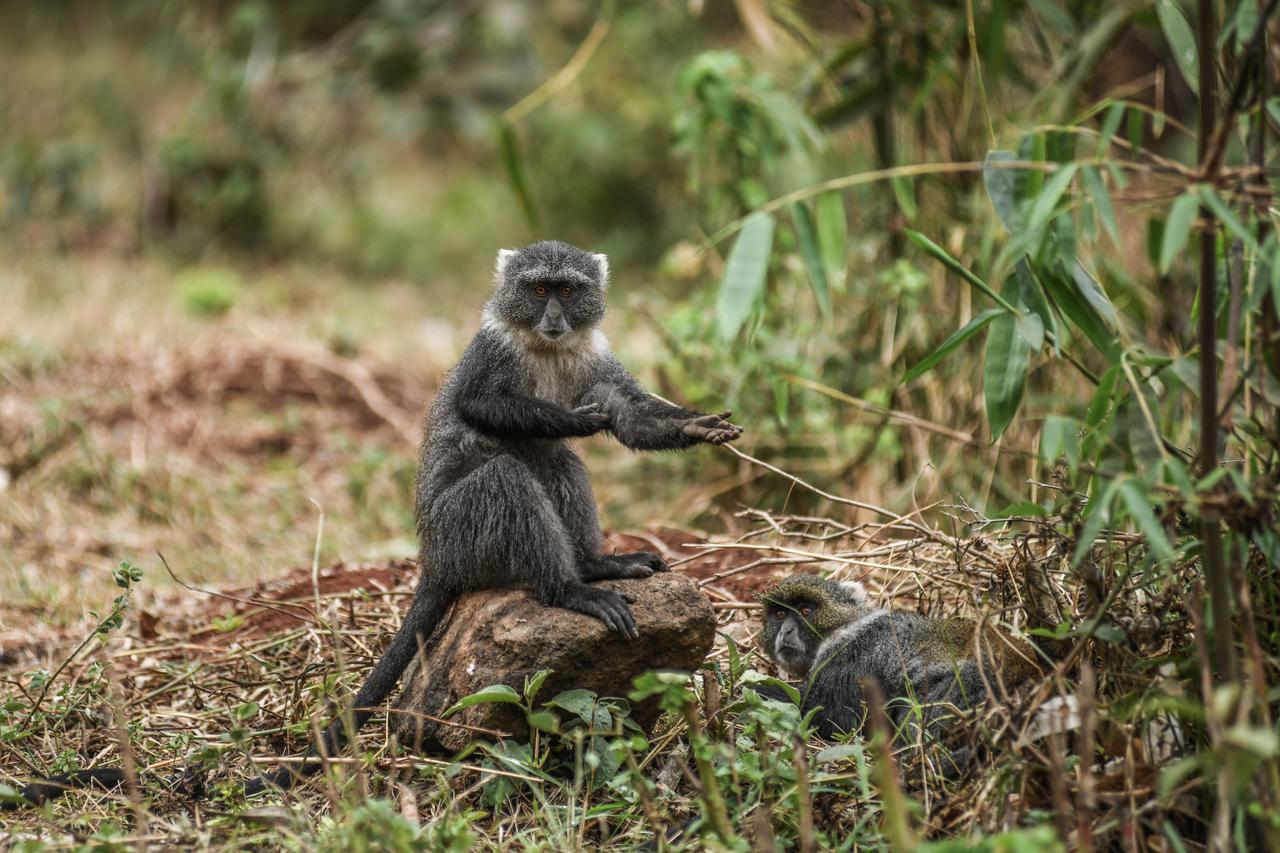
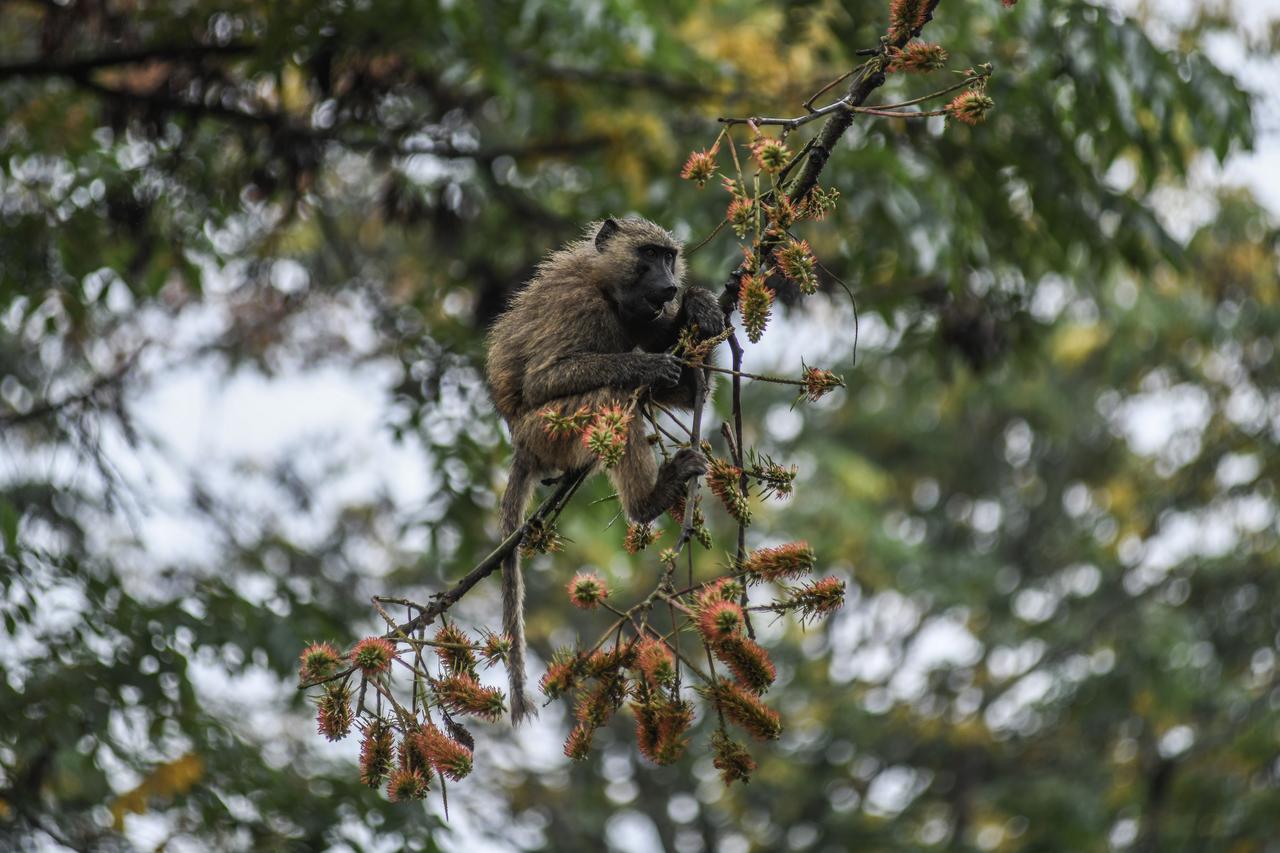
Individual monkeys are frequently seen pausing to feed or rest within reach of the forest's trails, allowing closer observation of behavior that would otherwise go unnoticed from a distance.
Such encounters are part of what distinguishes Ngong Forest from more remote wildlife areas outside the city.
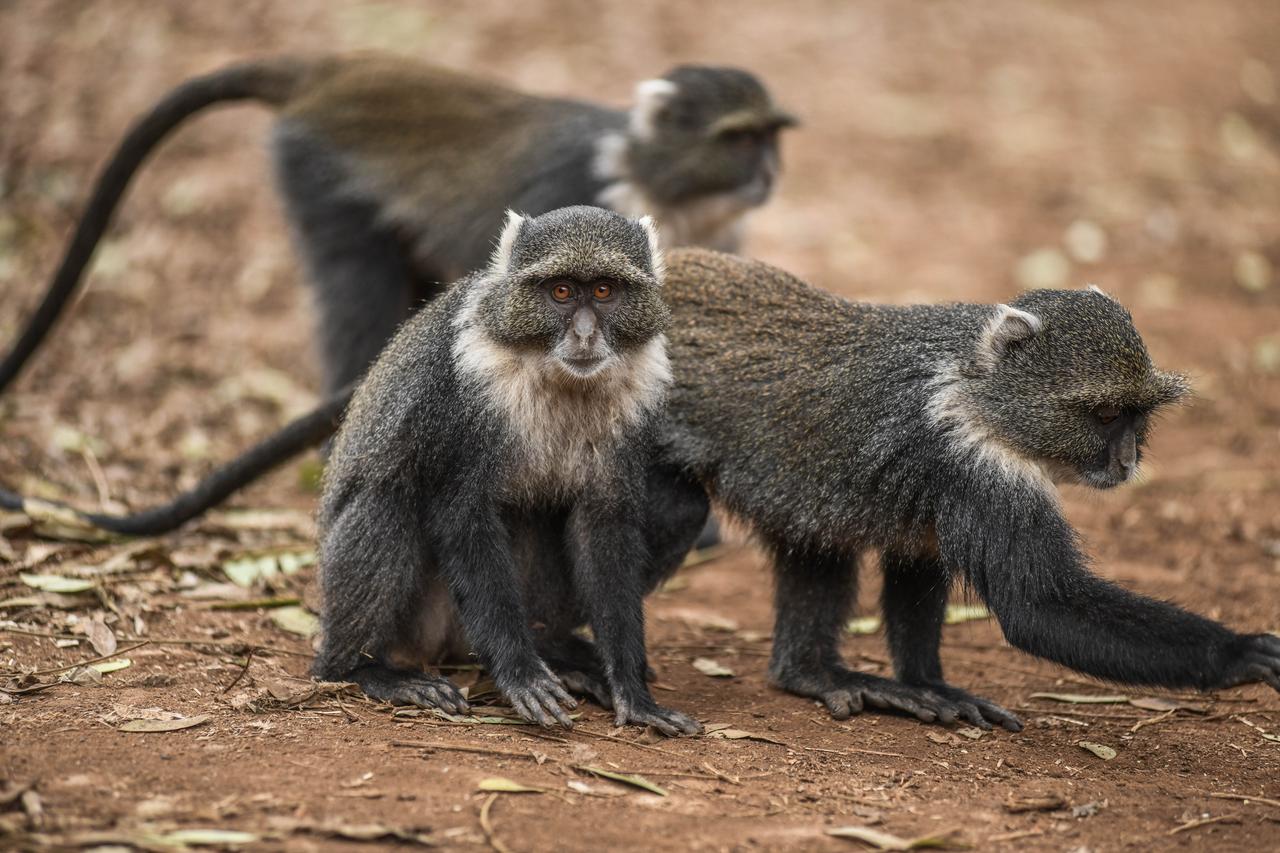
Close observation reveals the physical details of the forest's primates, from their coloring to the deliberate, careful movement through branches and undergrowth.
These details are less visible from the wider trails, becoming apparent only when animals venture near visitors or photographers.
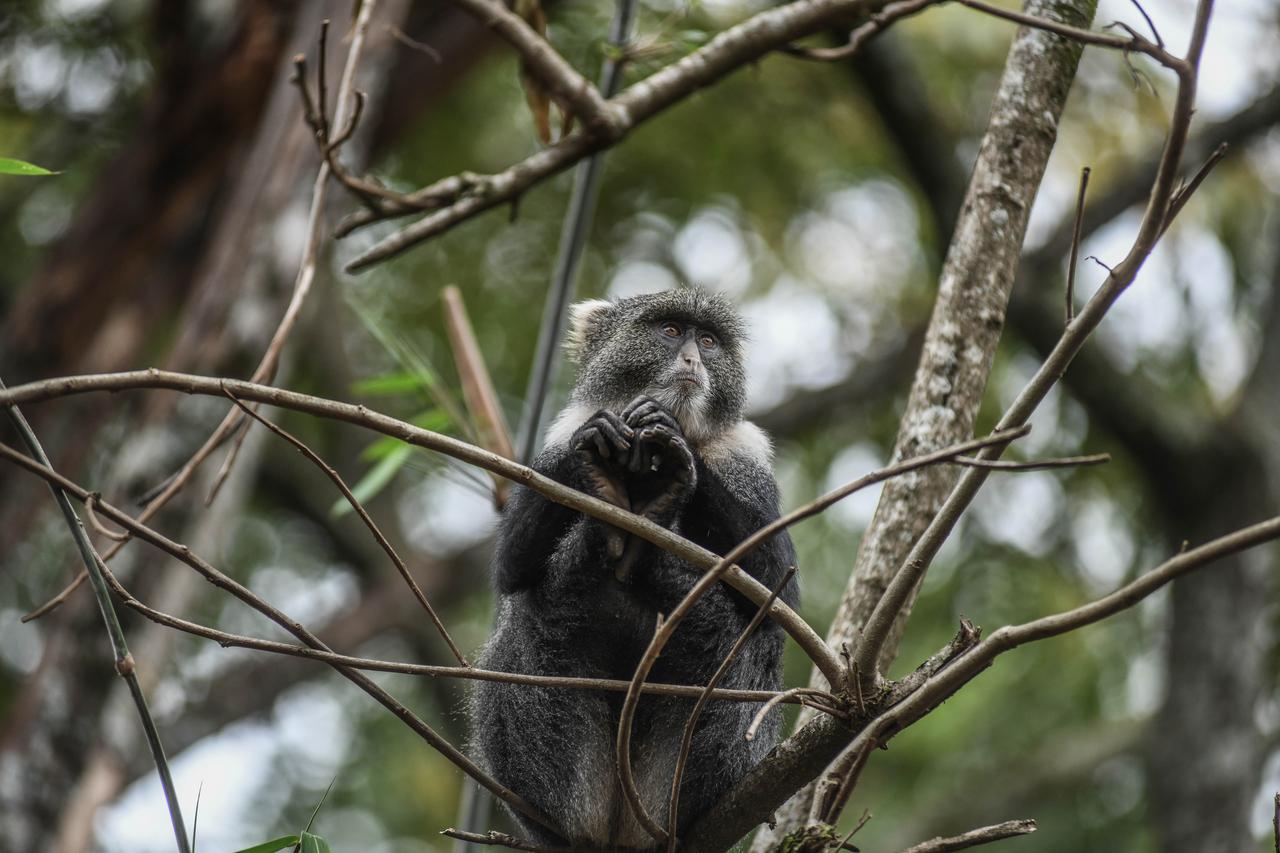
As the troop moves deeper into the forest, the animals return to areas less accessible to visitors.
Ngong Forest continues to function as a habitat within reach of one of East Africa's largest cities, sustaining wildlife that has adapted to its position at the edge of Nairobi's urban expansion.


 Set as preferred source

 1 min read