Newsletters


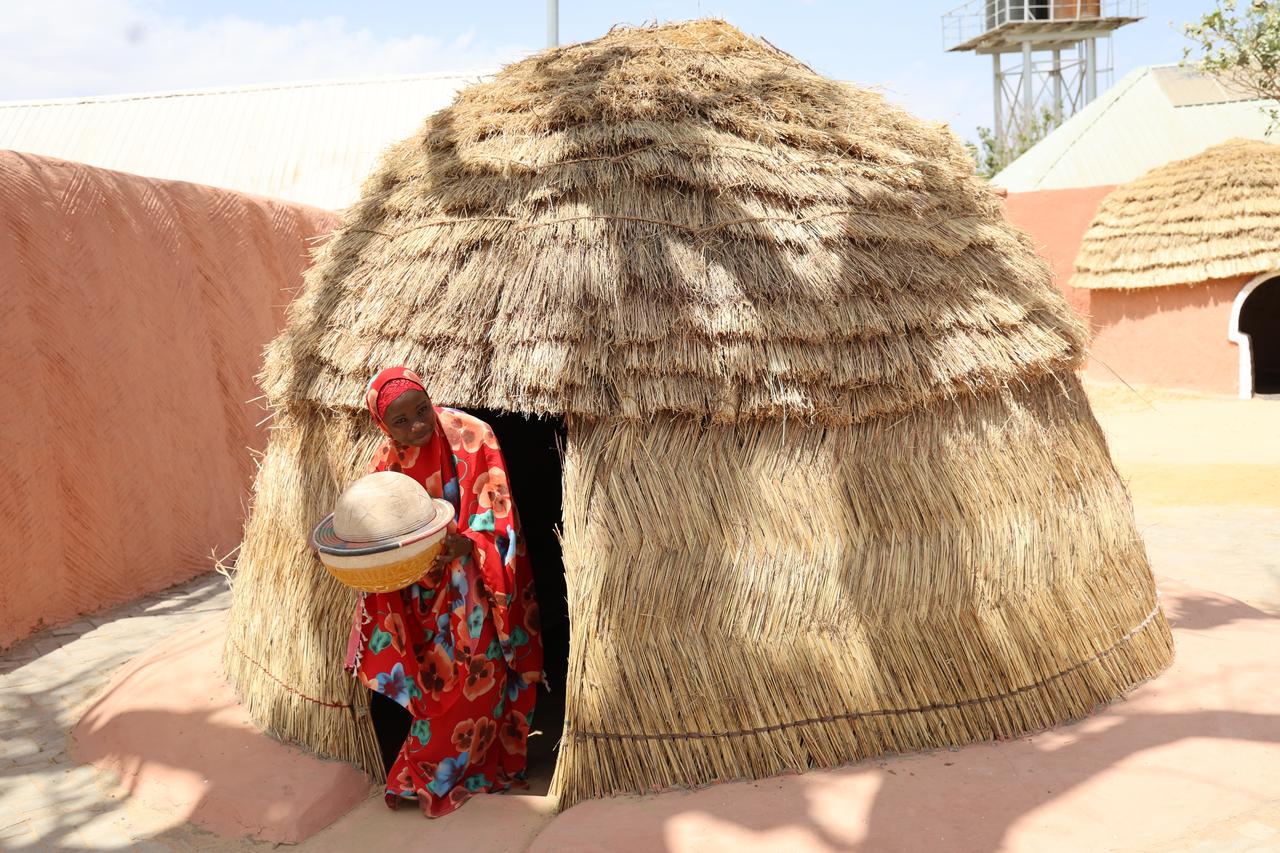


The Kanta National Museum in Argungu, northwestern Nigeria, stands out as a key cultural landmark that keeps the legacy of the Kebbi Kingdom and the Kanta dynasty alive.
Recognized as one of Nigeria’s significant heritage sites, the museum continues to draw in both local residents and international visitors who want to explore the region’s deep-rooted past.
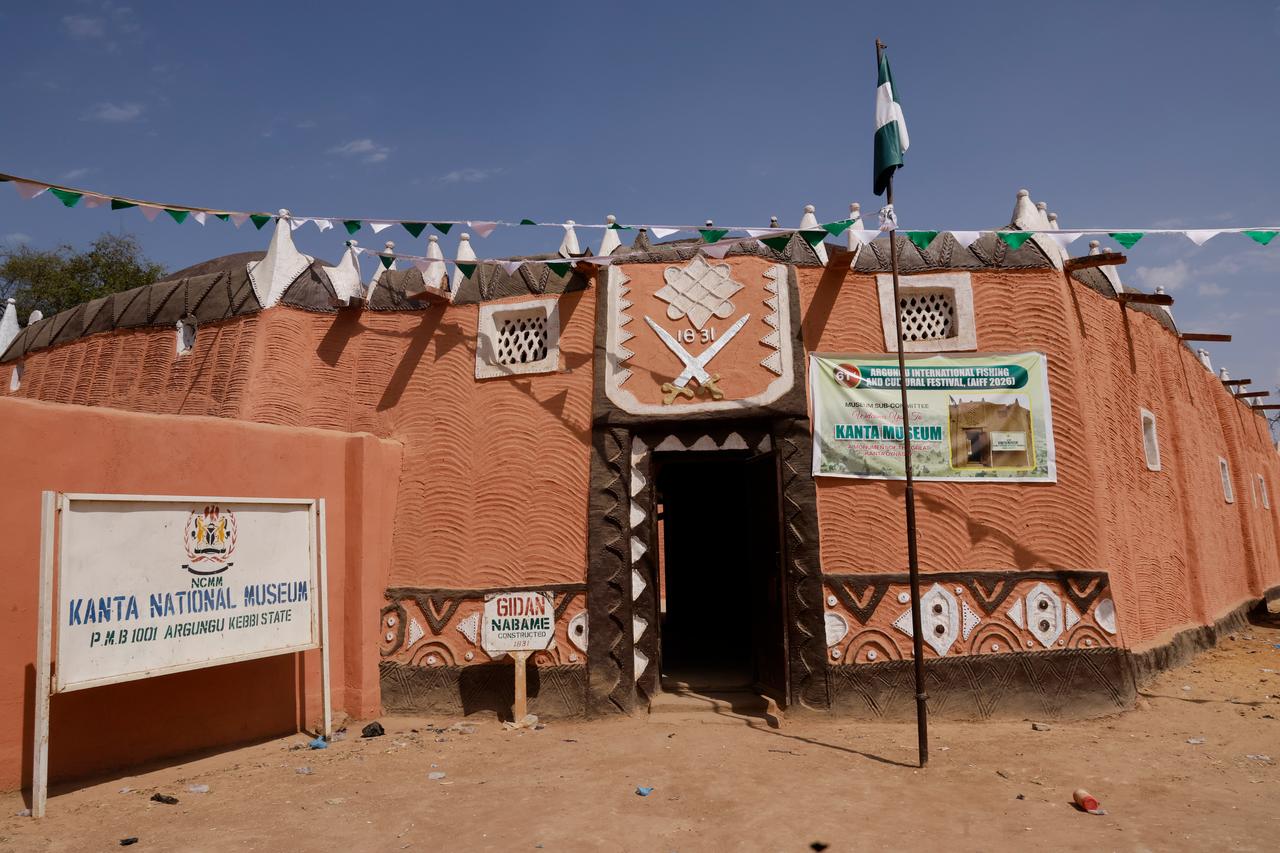

Located in the city of Argungu in Kebbi State, the museum building was constructed in 1831 by Yakubu Nabame, who served as the Emir of Kebbi at the time. An emir is a traditional Muslim ruler who governs an emirate, a form of regional authority that has played an important role in parts of northern Nigeria.
According to museum official Sanusu Alhassan, the structure takes its name from Muhammad Kanta, the founder of the Kebbi Kingdom. The building functioned as the emir’s palace until 1942. After British colonial authorities built a new palace, the historic structure was eventually converted into a museum and officially opened to the public on July 1, 1958.
In this way, the site shifted from being a center of political authority to becoming a space where history is preserved and shared with a broader audience.
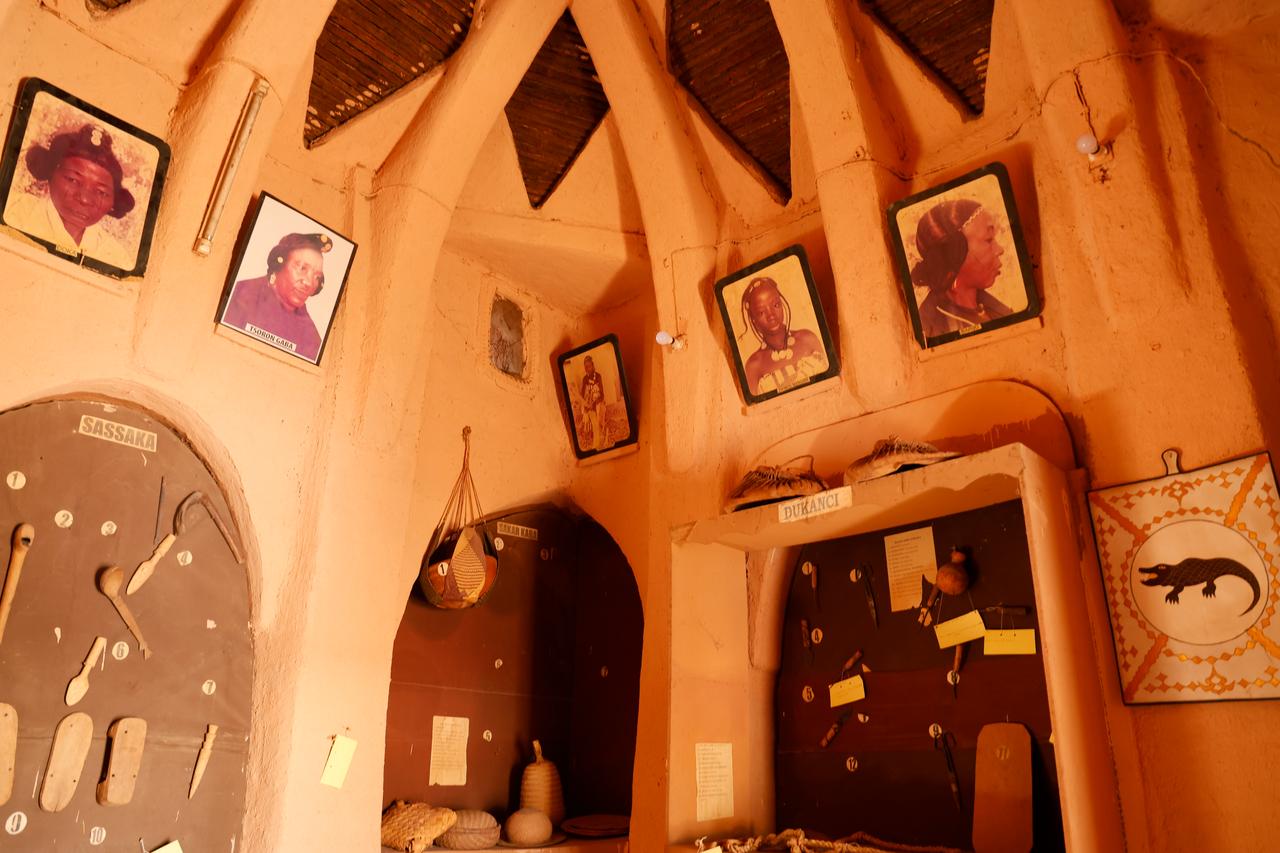
The museum houses more than 500 historical objects that help visitors piece together the story of the Kebbi region. Alhassan explained that the collection includes traditional weapons such as spears, swords, bows and arrows, and locally made firearms, alongside charms, drums, and wooden and stone objects.
These items offer insight into daily life, warfare, belief systems, and craftsmanship in the area, allowing visitors to build up a clearer picture of how the kingdom functioned over time. By bringing these artifacts together under one roof, the museum helps safeguard material culture that might otherwise fade from view.
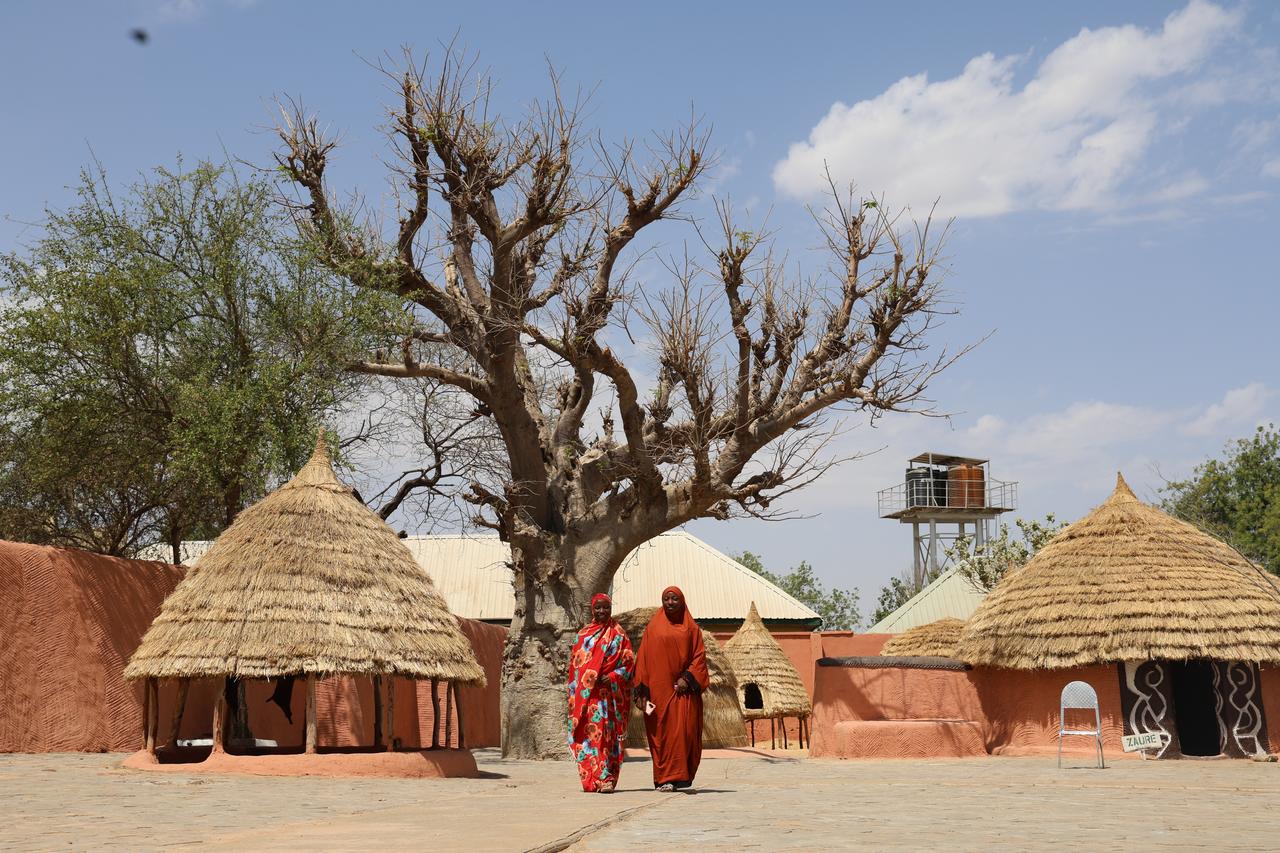
Beyond its exhibition halls, the museum complex also contains the graves of Kebbi emirs. Alhassan noted that, in line with tradition, the serving emir visits the site to pay his respects, underscoring the continued cultural relevance of the location.
This connection between past and present sets the museum apart as more than just a display space. It remains closely tied to the living traditions of the emirate and to the historical memory of the Kanta dynasty.
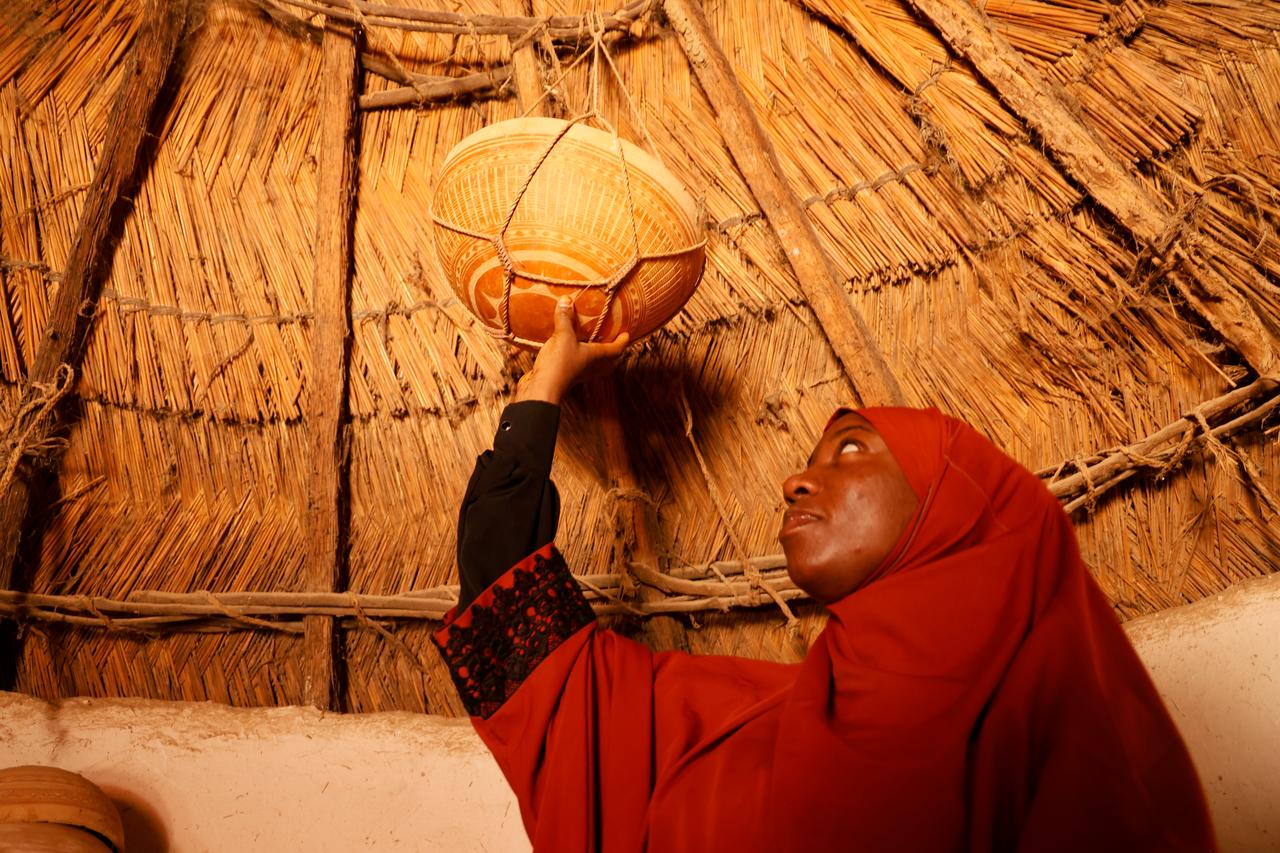
The building itself reflects traditional northern Nigerian architectural features, which Alhassan described as carrying significant cultural value. Visitors can walk through galleries dedicated to the Kanta dynasty, Hausa culture, the history of the Kebbi Kingdom, and traditional festivals of the region.
By laying out these themes in dedicated sections, the museum helps visitors make sense of the broader historical and cultural framework in which the Kebbi Kingdom emerged and developed.


 Set as preferred source
 Set as preferred source


 3 min read