Newsletters


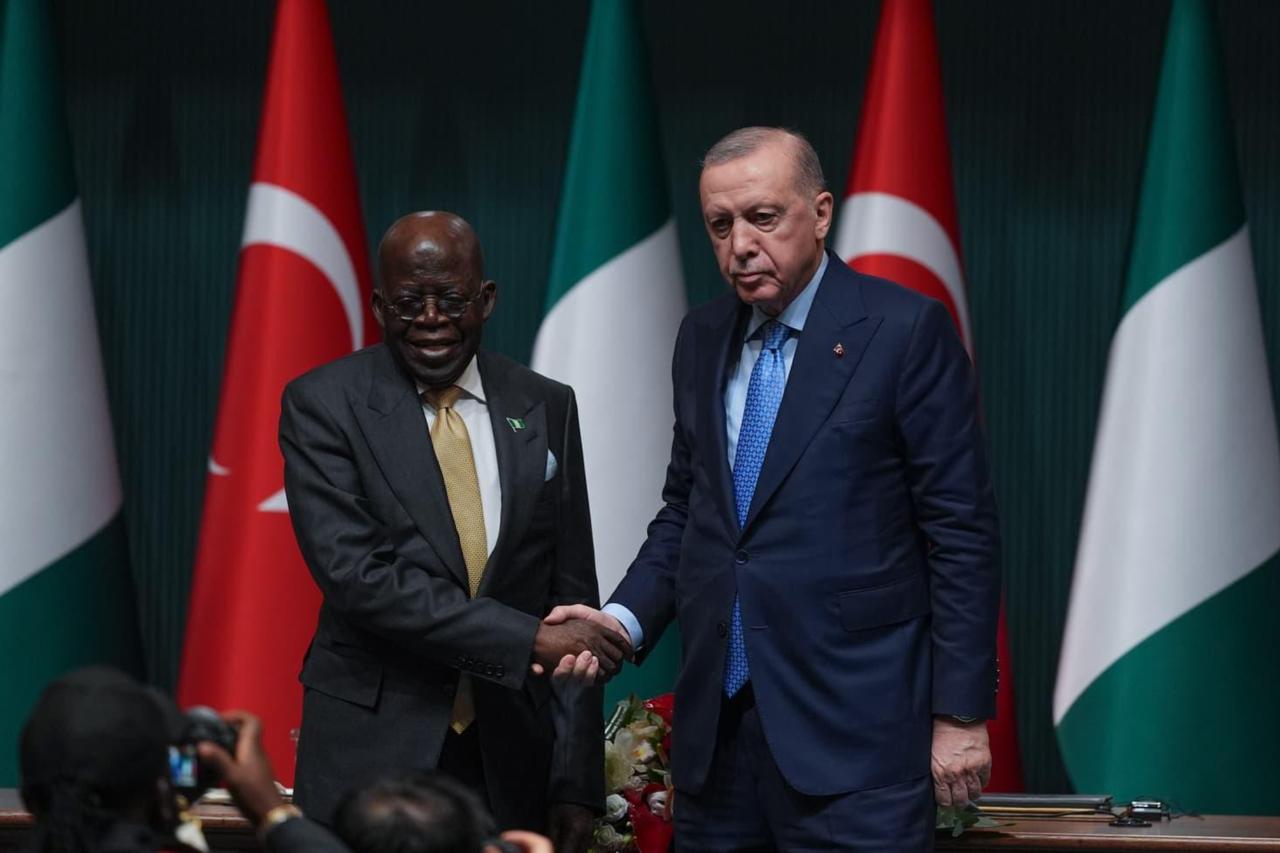


President Recep Tayyip Erdogan hosted his Nigerian counterpart Ahmed Tinubu in the Turkish capital to signal a major expansion of bilateral ties across the African continent.
The diplomatic push centers on a roadmap aimed at increasing mutual trade volume to $5 billion per annum.
This ambitious target repositions Nigeria as one of Türkiye’s primary economic anchors within the Sub-Saharan African region.
A central pillar of this renewed partnership is the formal establishment of the Joint Economic and Trade Committee (JETCO) to oversee commercial activities.
This mechanism is designed to remove bureaucratic hurdles, ensuring that businesses in both countries can operate with fewer administrative restrictions.
Special emphasis has been placed on the energy sector, specifically leveraging Nigeria’s vast reserves of crude oil and natural gas to diversify regional energy supply chains.
Turkish state entities, including BOTAS and Turkish Petroleum, are set to pursue technical cooperation with Nigerian counterparts to modernize extraction and distribution.
The collaboration also addresses fiscal transparency, with new frameworks introduced to eliminate double taxation and encourage sustained foreign investment.
By harmonizing trade regulations, both governments aim to create a predictable environment that attracts large-scale industrial and infrastructure projects.
Security remains a top priority, as both nations recognize that sustainable economic growth requires regional peace and predictability amid Trump administration's increasing scrutiny on terror elements in Nigeria.
A comprehensive military cooperation protocol was signed to facilitate the exchange of defense technology, tactical training, and anti-terrorist strategies.
Nigeria intends to utilize Turkish defense capabilities as a vital asset in addressing security challenges and maintaining order across West Africa.
Türkiye has reaffirmed its commitment to supporting African-led initiatives that promote democratic governance and the safeguarding of vulnerable populations.
The partnership extends beyond hardware, focusing on the underlying socioeconomic factors that drive regional instability and security risks.
Joint efforts will also prioritize intelligence sharing and maritime security to protect vital trade routes in the Atlantic and Mediterranean corridors.
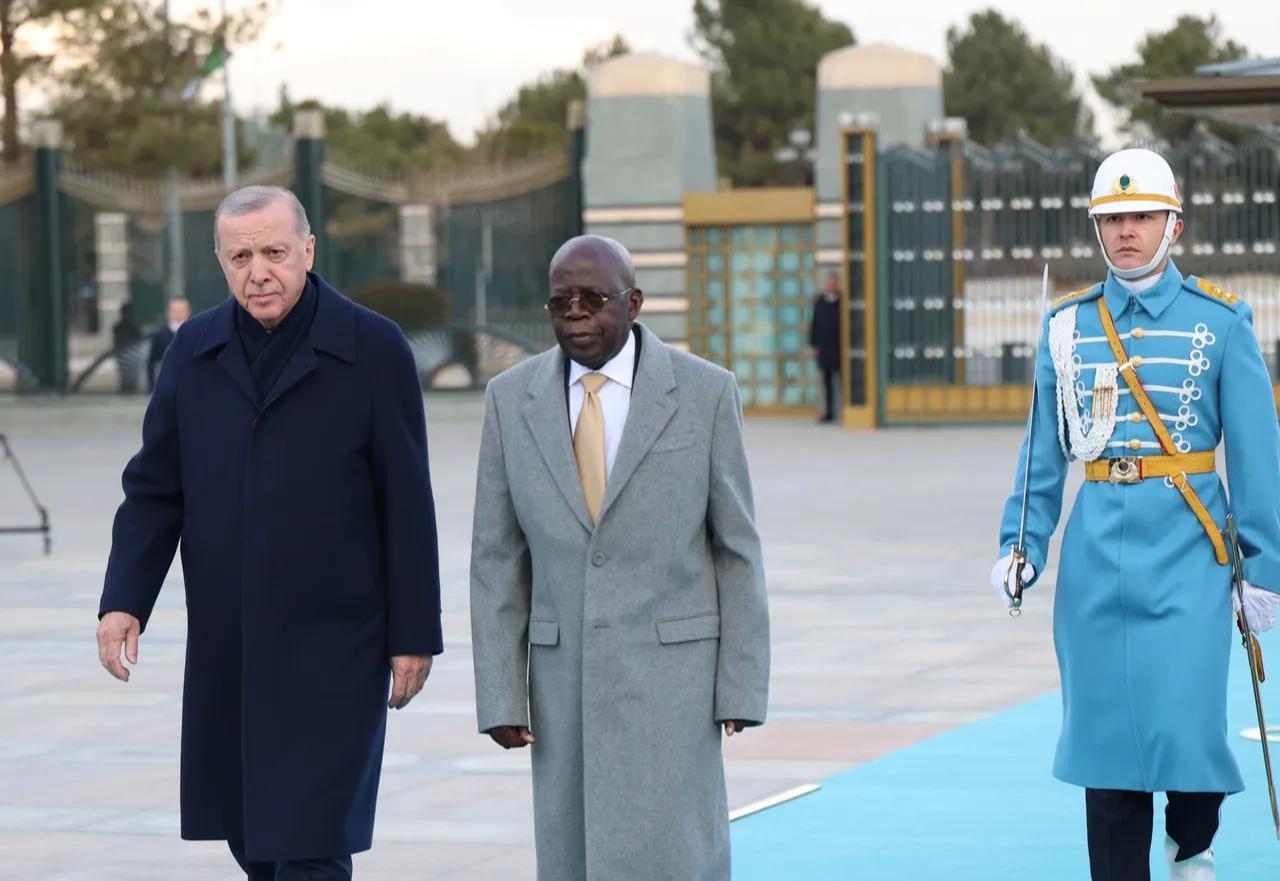

The diplomatic session resulted in nine separate agreements covering a diverse array of social and institutional sectors, including education and media.
A new memorandum of understanding in higher education will enable student exchanges and academic research between Turkish and Nigerian universities.
This initiative aims to build a skilled workforce capable of leading the next generation of industrial and technological advancements in both countries.
In the realm of communication, both governments agreed to cooperate on media and public diplomacy to address disinformation and promote cultural exchange.
Specialized training programs will also be established between the respective foreign service academies to enhance the skills of emerging officials.
These institutional bonds are intended to foster a deeper mutual understanding that goes beyond transactional economic or military interests.
The partnership is further reinforced by the inherent closeness between the two nations, which share numerous common cultural elements and shared values.
The agreements also extend to the social sphere, with specific focuses on women’s affairs, social policies, and the engagement of diaspora communities.
The Turkish Ministry of Family and Social Services will work closely with the Nigerian Ministry of Women Affairs to exchange best practices on social welfare.
Furthermore, a unique protocol regarding diaspora policy will help both nations coordinate more effectively with their citizens living and working abroad.
Accreditation standards are also being synchronized, particularly regarding Halal quality infrastructure, to streamline the export of food products.
This multidimensional approach ensures that the benefits of the $5 billion trade goal reach various levels of society, from industrial magnates to small-scale producers.


 Set as preferred source
 Set as preferred source



 2 min read