Newsletters




Astronomy enthusiasts can expect a series of notable events throughout August, including a total solar eclipse visible from a narrow strip of Europe and the peak of the Perseid meteor shower, occurring in the same period.
Throughout the month, planets will gather in the morning sky, the moon will pass in front of the Pleiades star cluster, and a partial lunar eclipse will occur in the final days of August.
The northern lights season is also expected to return to Arctic regions as nights begin to darken again.
Visibility and observation conditions for each event will vary depending on location. Below are nine key celestial events expected during August.
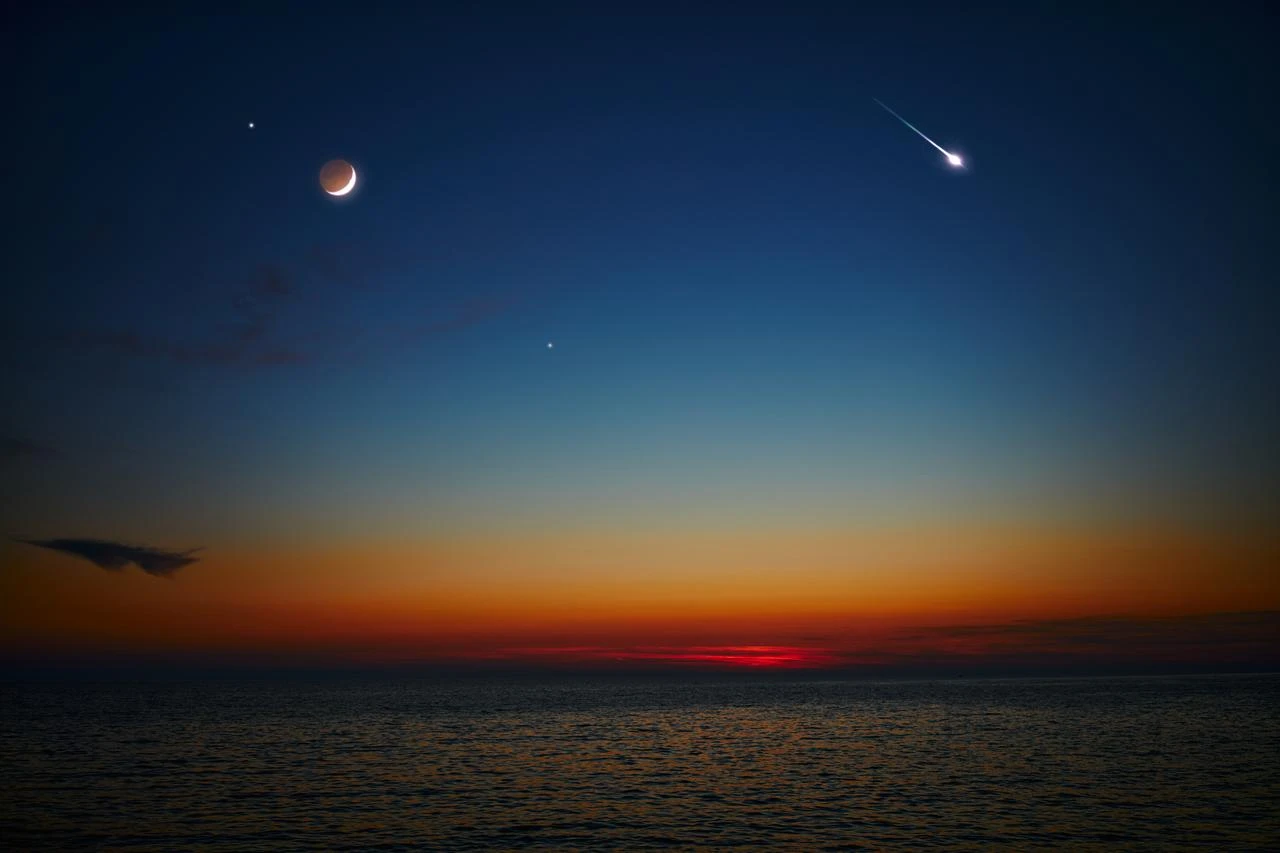

Mars, Uranus, Saturn and Neptune will be visible in the sky several hours before sunrise throughout August. A telescope or strong binoculars will be needed to spot Uranus and Neptune.
Mercury and Jupiter will join the group of planets just above the eastern horizon about an hour before sunrise.
The moon and Saturn will appear close together in the sky on Aug. 4. The two objects will be visible shortly after dusk ends.
Between Aug. 8 and 11, Jupiter, Mercury, Mars and the moon will form a diagonal line above the eastern horizon just before sunrise.
The alignment highlights the ecliptic, the projection in the sky of the roughly shared plane of the planets' orbits around the sun. The planets will not actually be positioned side by side in space; the alignment results from their appearing in the same region of the sky as seen from Earth.
The moon will pass in front of the Pleiades star cluster on Aug. 7, in an event known in astronomy as an occultation. Some stars in the cluster will appear to vanish behind the moon during the event.
The event, lasting about an hour, will begin after moonrise and the Pleiades rise. As the moon moves across the sky, it will cover some of the cluster's bright blue stars one by one.
The visibility and timing of the occultation will vary by location. According to National Geographic, the most prominent views will be seen from the eastern United States.
While the Pleiades can be seen with the naked eye, binoculars or a small telescope may be needed to follow the details of the occultation due to the brightness of the moon.
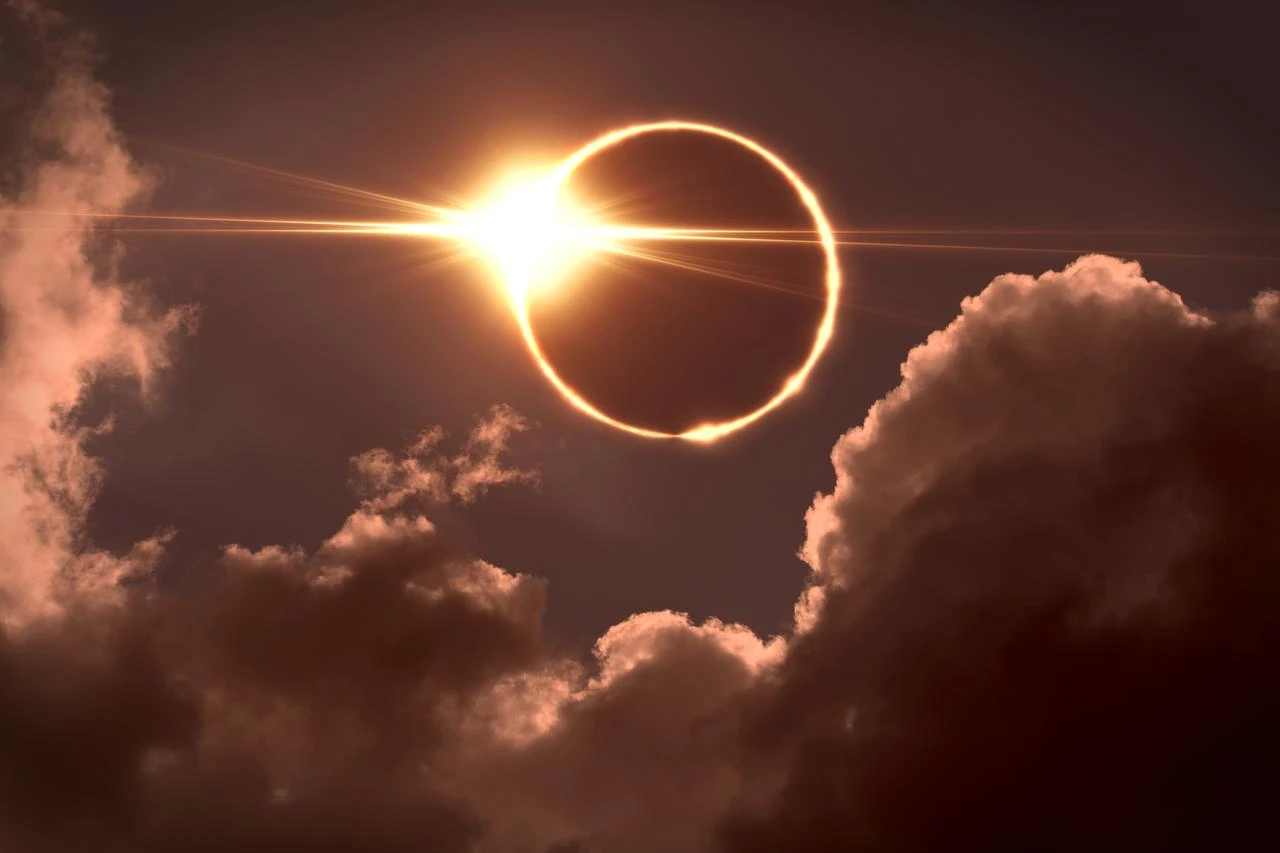
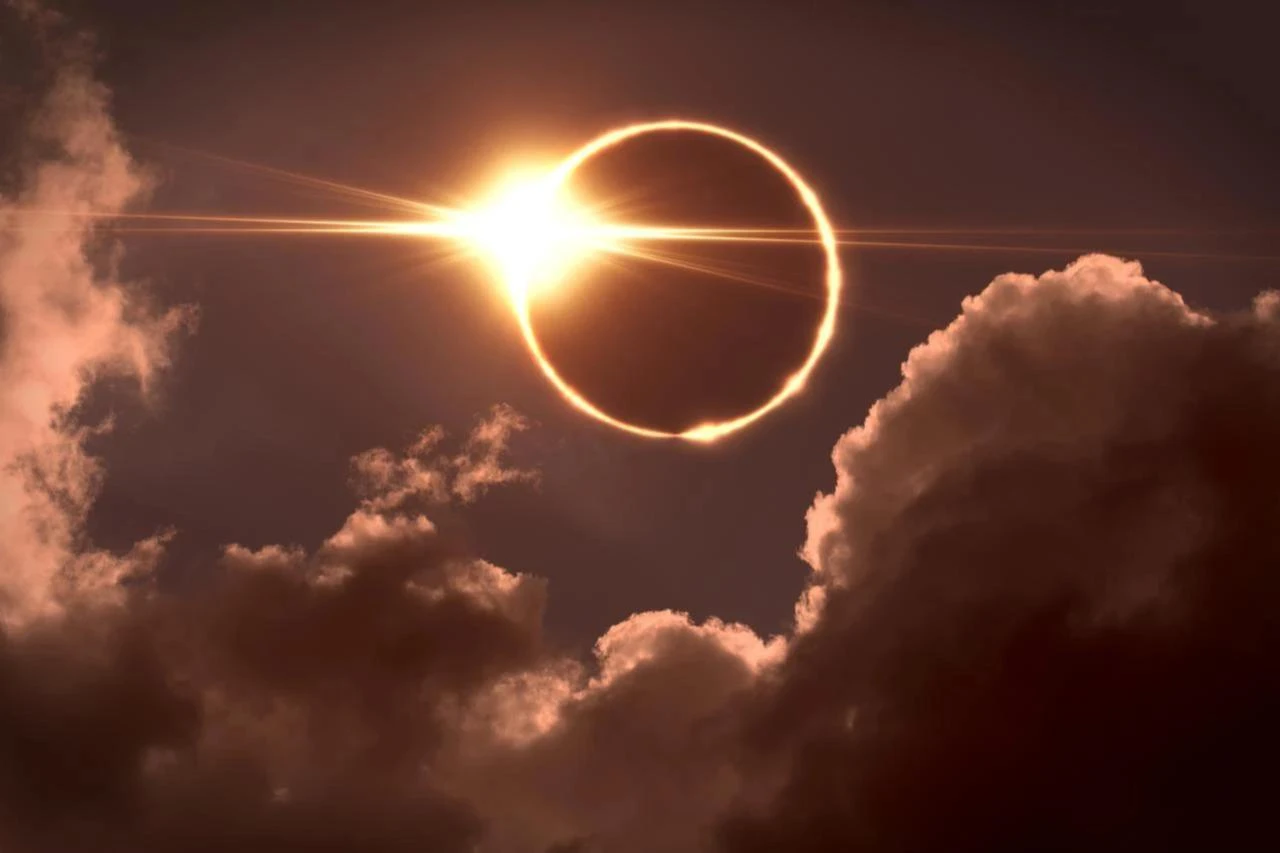
A total solar eclipse will occur on Aug. 12 as the moon passes between Earth and the sun.
The path of totality will cross eastern Greenland, western Iceland and northern Spain, a mountainous country on the Iberian Peninsula. In these regions, the moon will fully cover the sun's bright surface, briefly turning the daytime sky to twilight.
Totality will last between one and just over two minutes, depending on location. During this time, the sun's outer atmosphere, known as the corona, will become visible, an occurrence not normally seen.
A partial eclipse will be visible across much of Europe, northwestern Africa and eastern Canada. Some areas of the easternmost United States will also see a small portion of the eclipse.
The solar eclipse should never be viewed without proper protective equipment. Looking directly at the sun can cause permanent eye damage, so only eclipse glasses meeting safety standards should be used.
Standard sunglasses do not provide sufficient protection for eclipse viewing. A solar filter must be attached to any binoculars, telescope or camera used for observation.
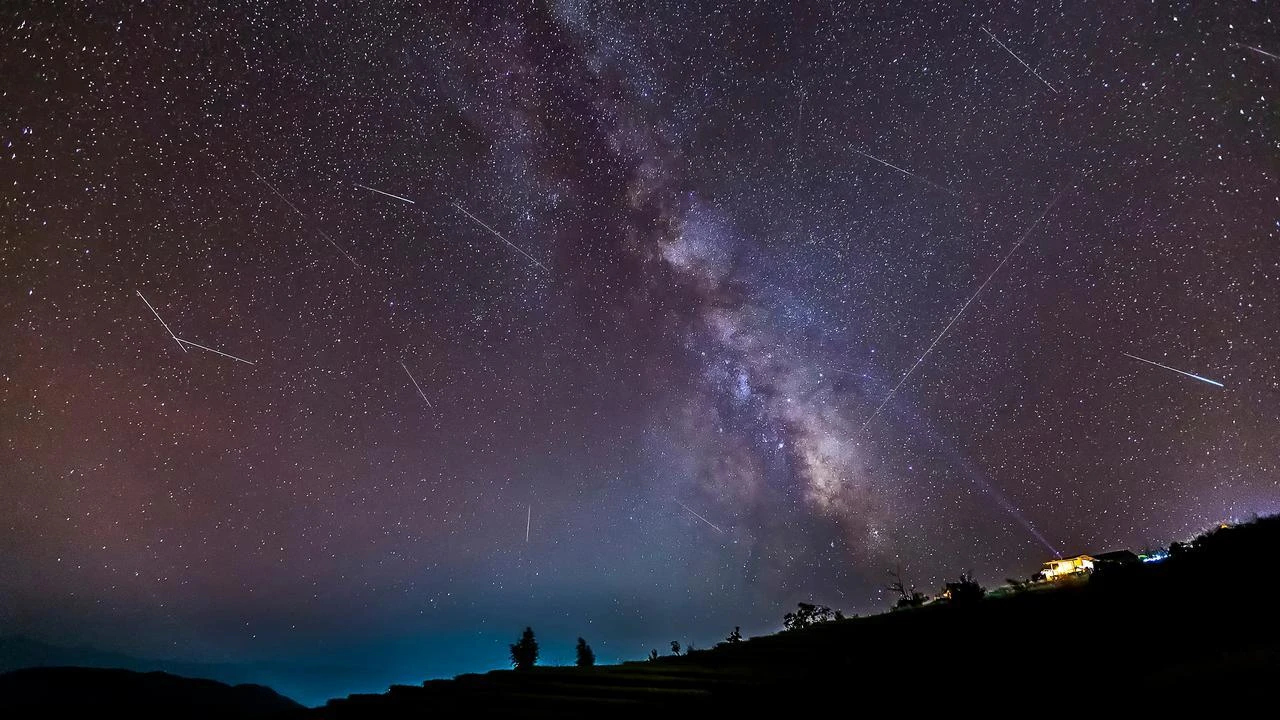
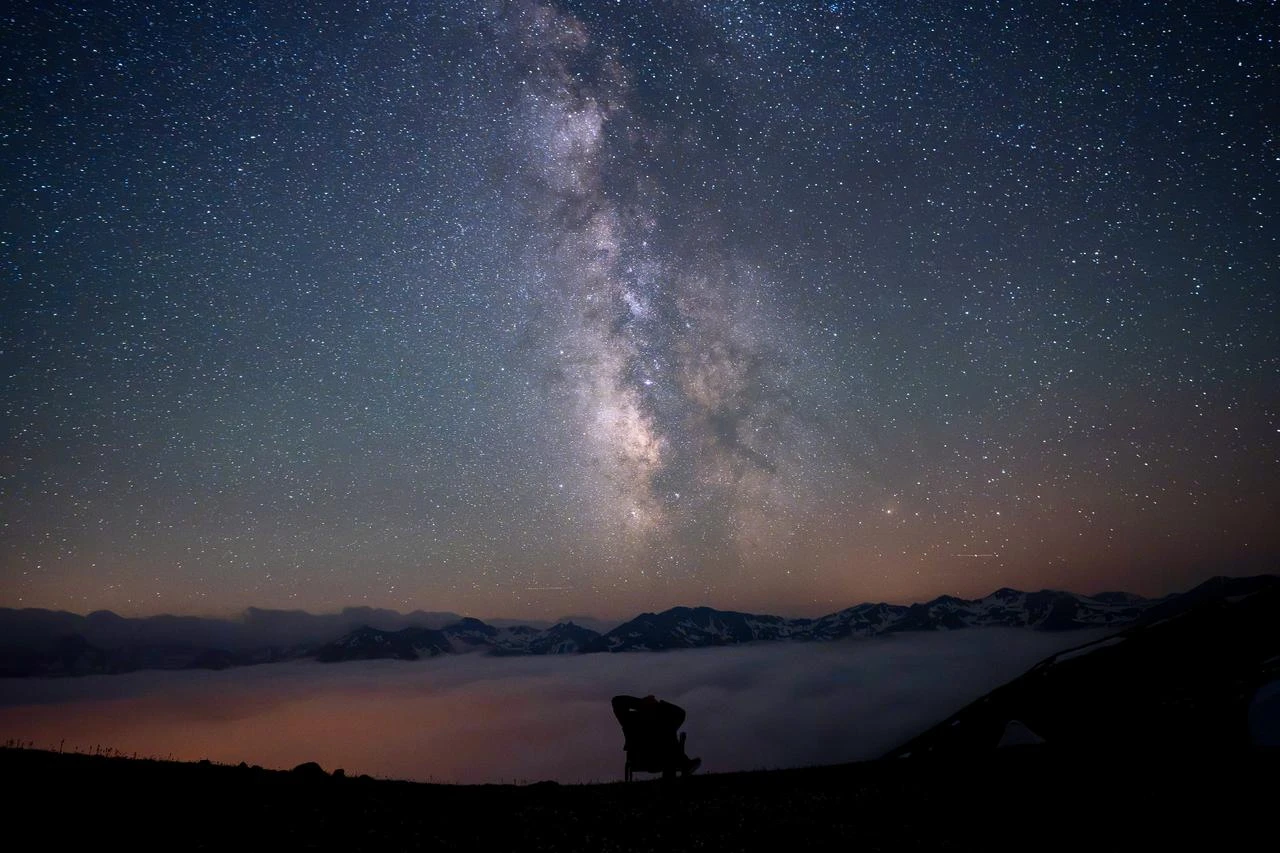
The Perseid meteor shower, among the most anticipated celestial events of summer, will peak on the night of Aug. 12 into Aug. 13.
This year's peak coincides with a new moon, providing highly favorable conditions for observation. Because moonlight will not brighten the sky, fainter meteors will also be visible.
More than 100 meteors per hour can be seen under favorable weather conditions in dark areas away from city lights. The actual number visible will depend on light pollution, cloud cover and location.
Perseid meteors are known for leaving fast, bright trails after entering the upper atmosphere.
The best viewing period will run from midnight until sunrise. No telescope or binoculars are needed; observers are advised to view as much of the sky as possible with the naked eye.
The Perseids occur as Earth passes through debris left behind by the Swift-Tuttle comet. The particles heat up as they enter the atmosphere at high speed, producing the bright trails known as shooting stars.
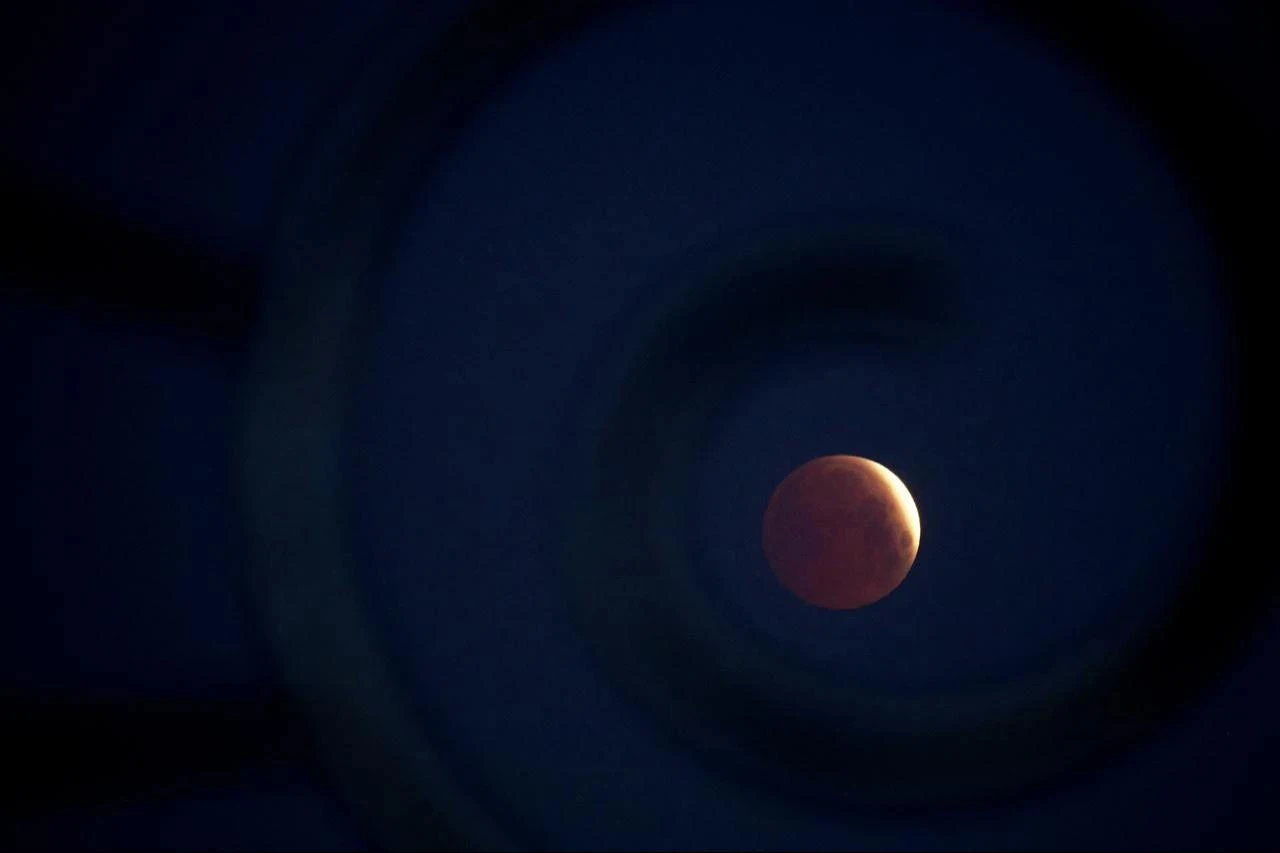
A partial lunar eclipse will take place on the night of Aug. 27 into Aug. 28, with Earth's shadow covering about 96% of the full moon.
Because a small portion of the moon will remain outside Earth's full shadow, the event will not become a total eclipse. As a result, the moon will not take on as pronounced or bright a red appearance as it did during the total lunar eclipse in March.
Light orange, copper and reddish tones may still be visible on the shadowed portion of the moon.
According to National Geographic, at least part of the eclipse will be visible from all 50 U.S. states. Observation will be best around midnight on Aug. 27 on the U.S. East Coast and around 9 p.m. on the West Coast.
Visibility and the stages of the eclipse will vary by country, so local timing should be checked using a sky-watching app.
The lunar eclipse is safe to view with the naked eye. Binoculars or a telescope will provide a more detailed view of Earth's shadow moving across the moon's surface.
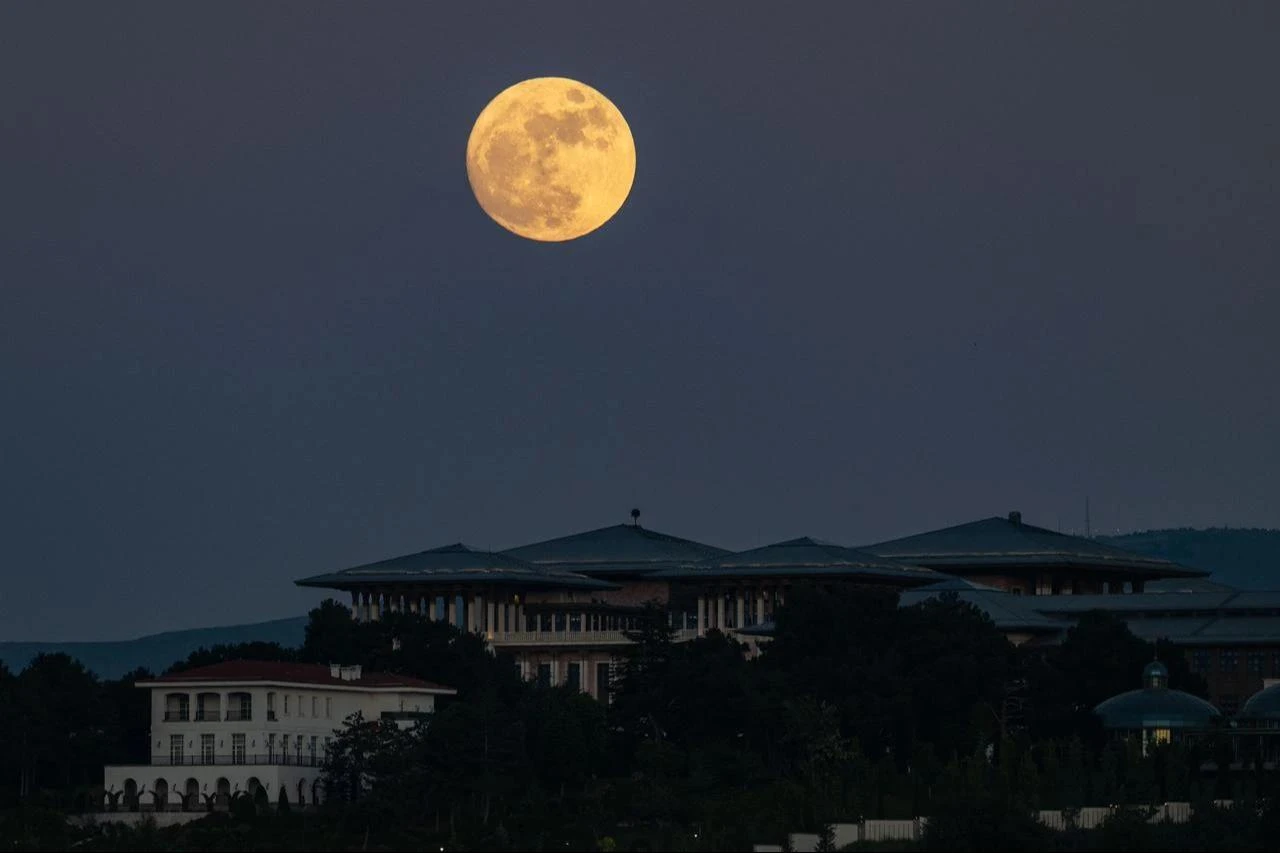
August's full moon will occur on Aug. 28, reaching peak brightness around midnight U.S. Eastern time.
The best period to observe the effects of the partial lunar eclipse will be the night of Aug. 27 into Aug. 28. The full moon will also appear large and bright as it rises near the eastern horizon close to sunset on Aug. 28.
August's full moon is known in North American tradition as the "Sturgeon Moon."
The name is linked to the abundance of sturgeon in the Great Lakes and Lake Champlain, a lake on the border of the U.S. state of Vermont and the Canadian province of Quebec, during this time of year.
The "Sturgeon Moon" is not an astronomical classification but one of several traditional names given to August's full moon. No unusual change occurs in the moon's physical size.
The moon's larger appearance near the horizon results from a perceptual effect known as the "moon illusion."
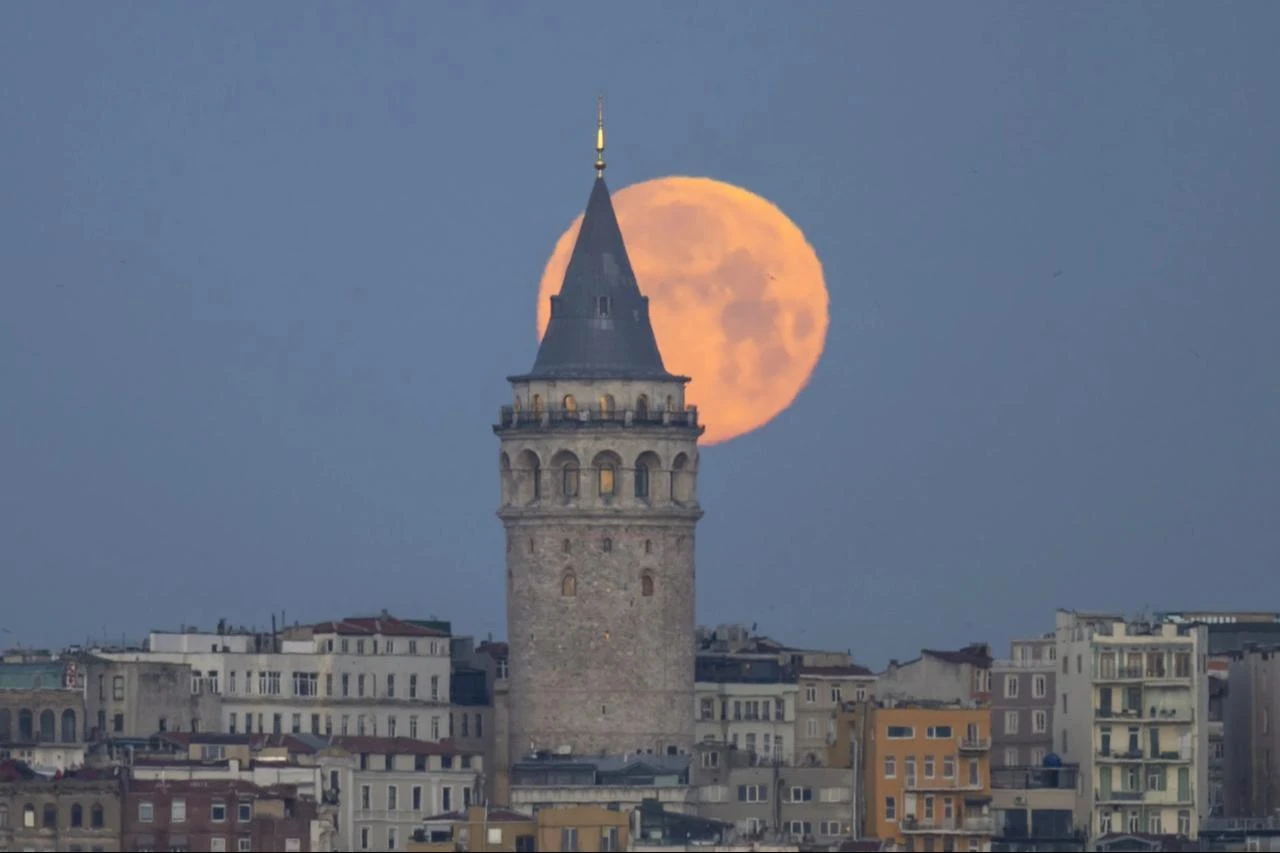
The moon will appear close to Saturn in the sky on the night of Aug. 30 into Aug. 31.
The angular distance between the two objects will be about 5 degrees, roughly equivalent to three finger-widths at arm's length.
The moon and Saturn will rise together above the eastern horizon about two hours after sunset, moving along the ecliptic through the night before fading from view near sunrise.
Saturn will appear near the moon as a steady, yellowish point of light. A telescope will be needed to see the planet's rings.
Mars and Jupiter will rise after the moon and Saturn, ranking among the easiest members of the morning planetary lineup to view with the naked eye.
The close appearance is a visual effect seen only from Earth; the moon and Saturn will actually be hundreds of millions of kilometers apart.
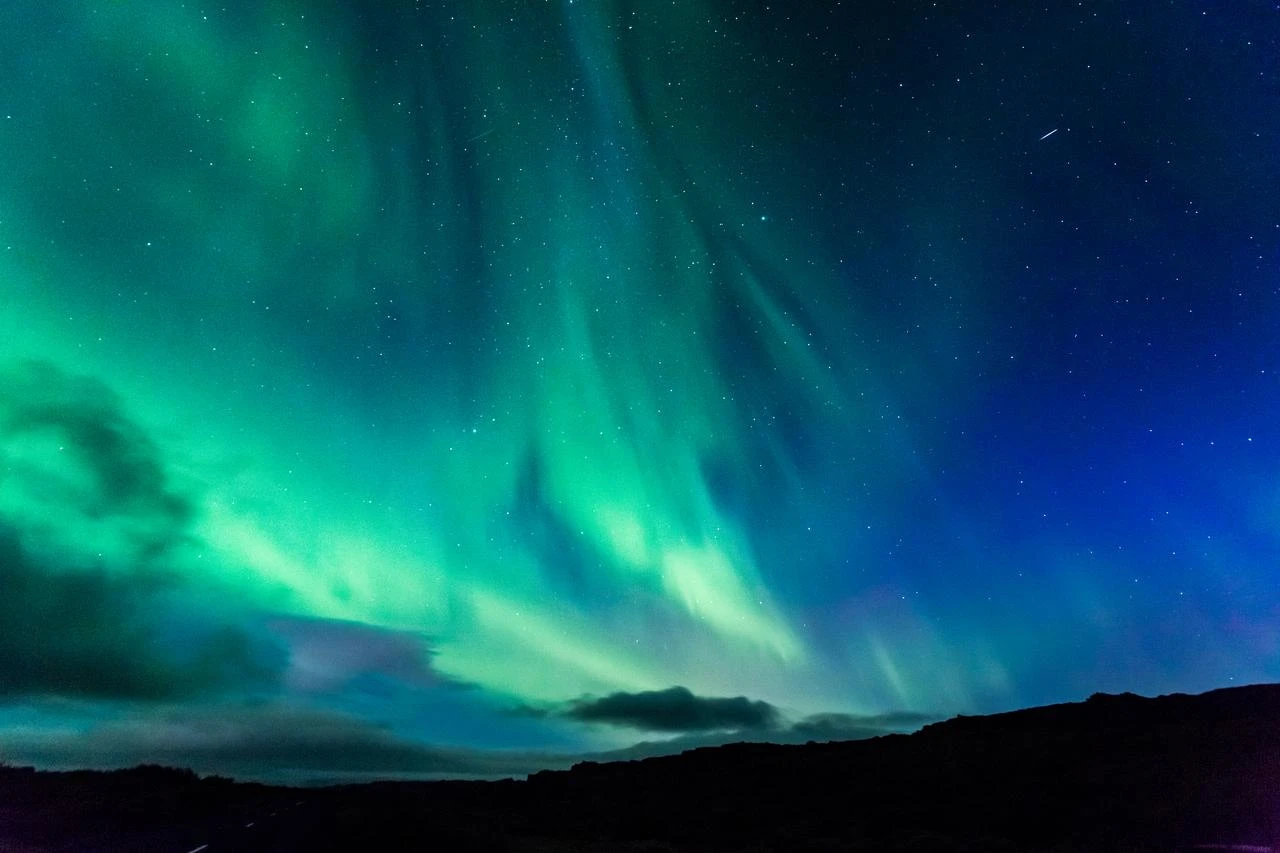
The northern lights season will reopen in Arctic regions in the final days of August as nights begin to darken again.
The first aurora displays of the season may be visible in Alaska, northern Canada, Iceland and northern Scandinavia if clear skies coincide with strong solar activity.
The northern lights occur when electrically charged particles from the sun interact with Earth's magnetic field and gases in the upper atmosphere.
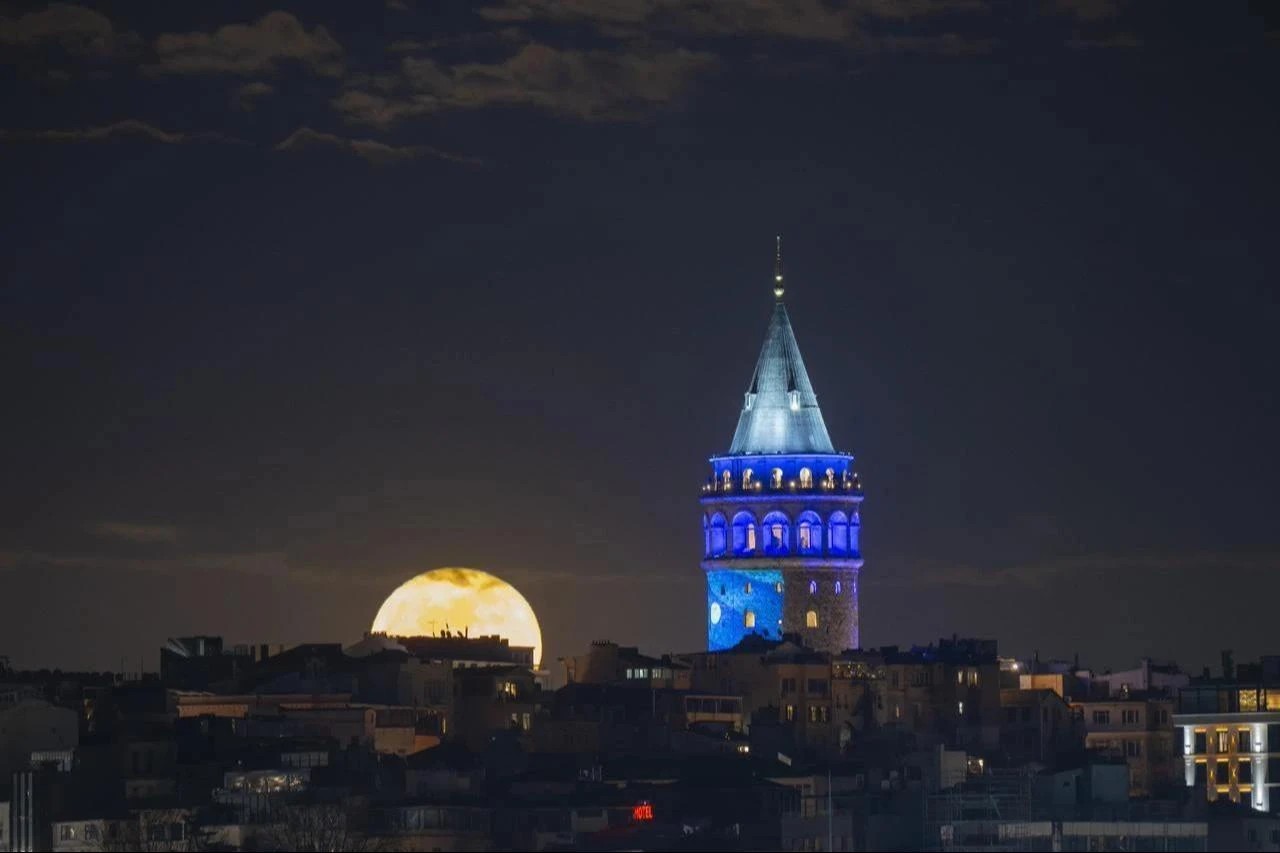
Most of August's celestial events will also be visible from Türkiye, though observation conditions will vary by city, weather and light pollution.
The morning planetary gathering, including Mars, Saturn, Jupiter and Mercury, will be visible from Türkiye. Uranus and Neptune will also be in the sky but will require a telescope or strong binoculars to see.
Mercury, which will reach its greatest western elongation on Aug. 2, will be visible above the eastern horizon before sunrise. A high observation point with a clear horizon will make the planet easier to spot.
The moon's approach to Saturn on Aug. 4, along with the diagonal alignment of Jupiter, Mercury, Mars and the moon between Aug. 8 and 11, will also be observable in areas with favorable weather.
The Perseid meteor shower will be visible across all of Türkiye. The best viewing time during the peak night of Aug. 12-13 will be from midnight until dawn. The new moon will keep the sky dark, improving observation conditions, with high meteor counts possible in areas away from city lights.
The first phase of the partial lunar eclipse on Aug. 28 will be visible from Türkiye. The eclipse will begin before dawn, and the moon will set before reaching its maximum phase.
In Istanbul, the partial phase will begin at 5:33 a.m., with the moon setting at 6:29 a.m. Western provinces will be able to observe the eclipse for longer and more clearly. Because the moon will be very close to the horizon, a clear view toward the west-southwest will be needed.
The Sturgeon Moon on the same day will be visible across all of Türkiye, rising near the eastern horizon close to sunset on Aug. 28.
The moon's close approach to Saturn on the night of Aug. 30-31 will also be visible from Türkiye. The two objects will rise from the eastern horizon and appear to move together across the sky through the night.


 Set as preferred source
 Set as preferred source



 6 min read