Newsletters




On May 29, 2006, the earth in Sidoarjo, East Java, Indonesia, opened up, ejecting pungent, steaming hot mud that swallowed villages and factories. Two decades later, the disaster still haunts the region.
Thirteen people died when an underground gas pipeline in the disaster zone exploded.
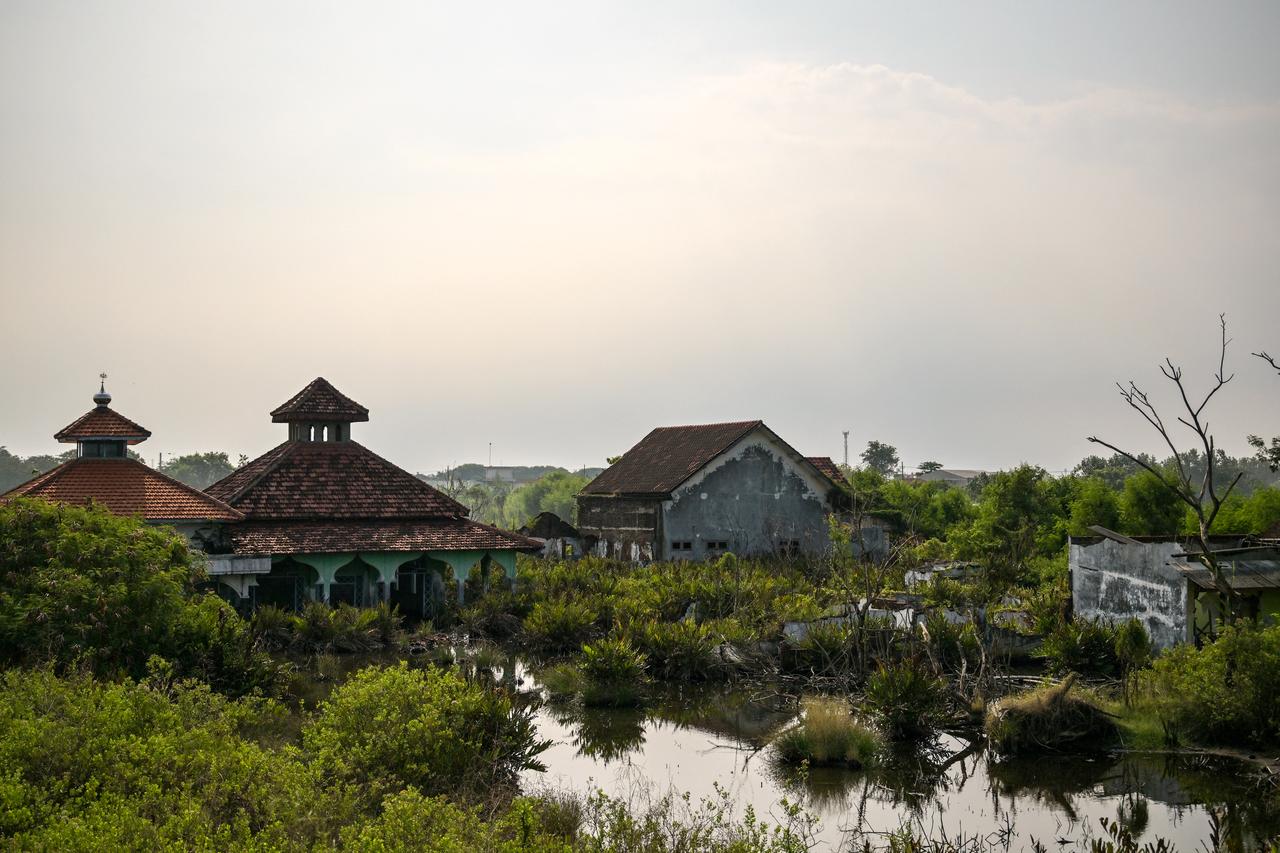
The eruptions, which continue to occur, destroyed at least a dozen villages and have displaced tens of thousands of people.
Although an article by NASA confirms that the Sidoarjo mud flow appeared to be contained by levees in November 2008. But Harwati, a local resident, says it is “far from over.”
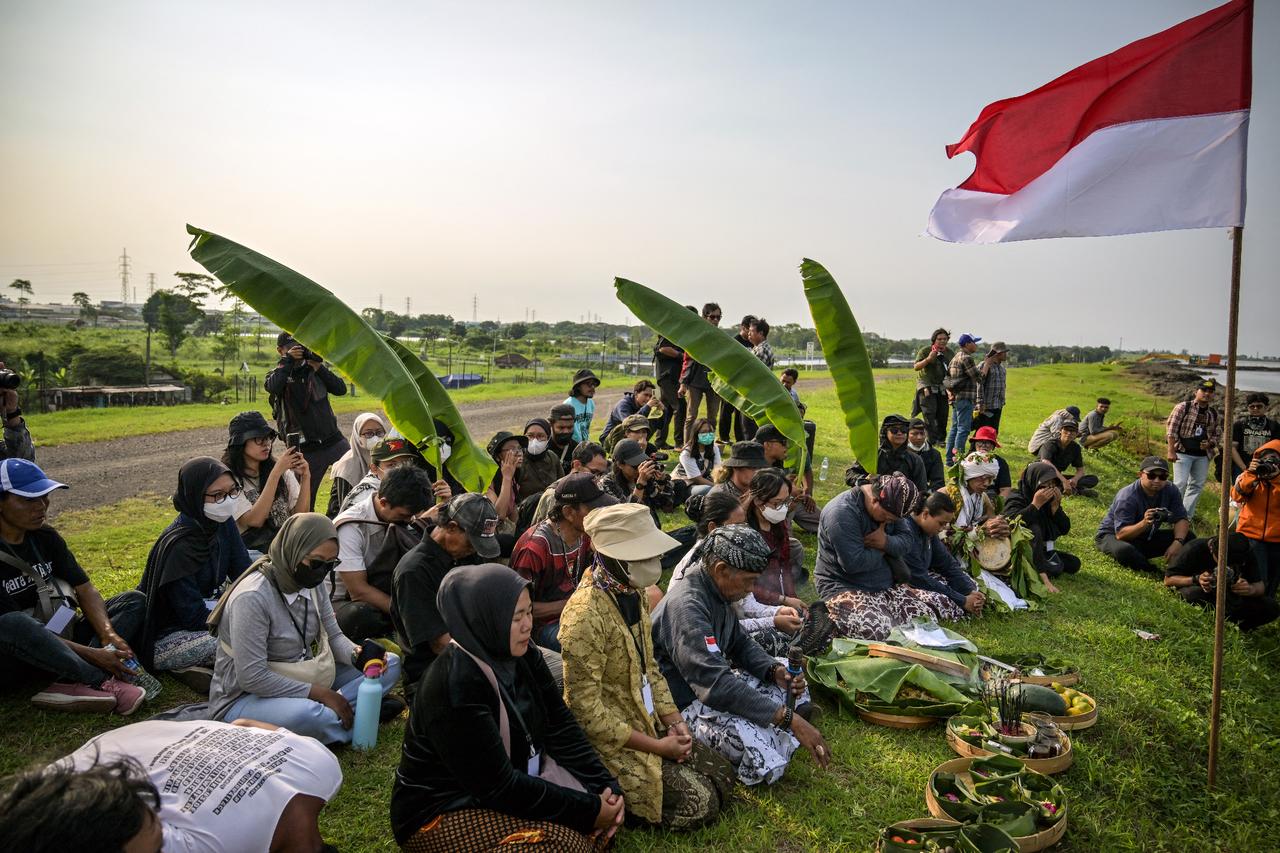
Harwati said the gathering, held on Friday to mark two decades since the disaster, was organized to remind the government that residents are still feeling the impact of the mudflow.
"Even though presidents change, we still hope (the government will) provide justice for us," the 50-year-old told Agence France-Presse (AFP) on Saturday.
She demanded that the government conduct a thorough examination of the mudflow's impacts on the health of nearby residents, saying many locals have suffered from cancers after the incident.
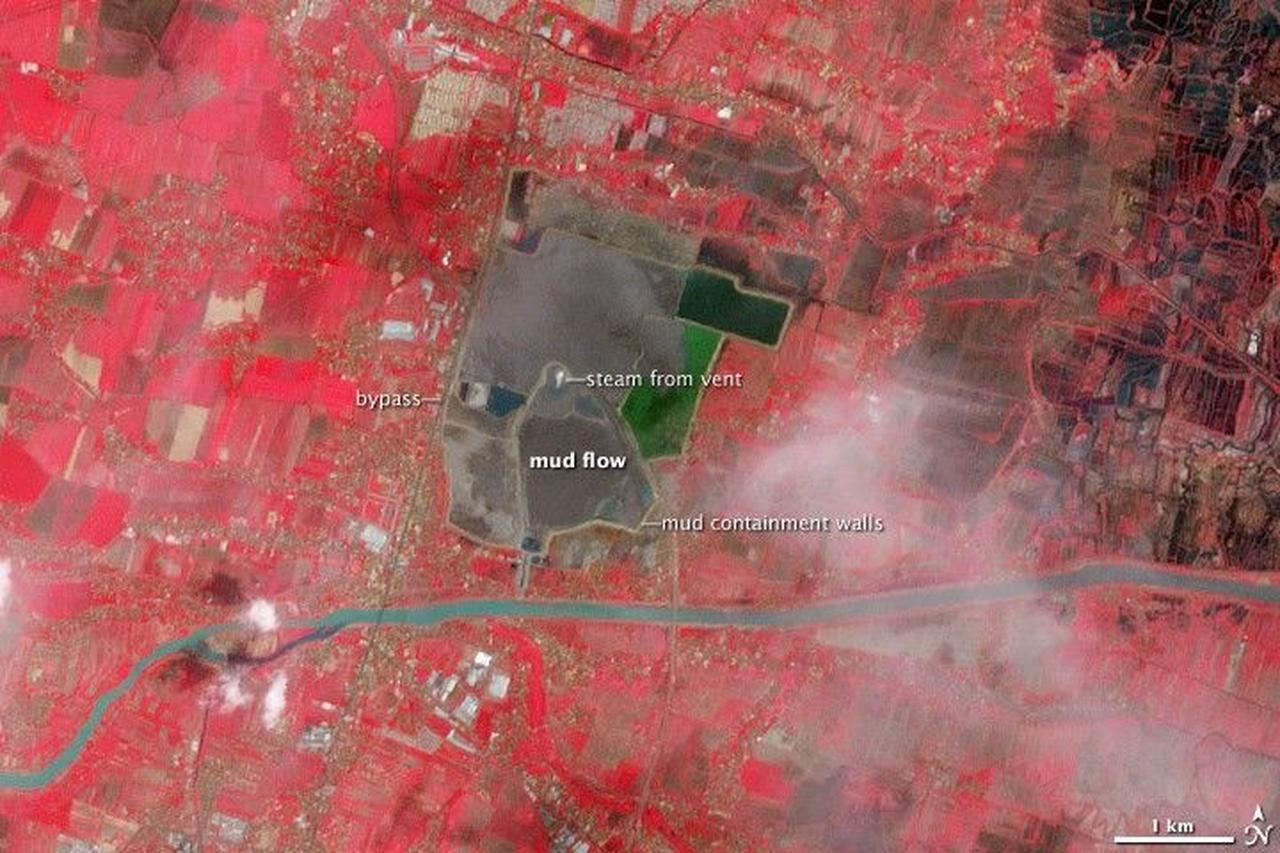

An area of over 600 hectares was swallowed by the mud, according to the government, as efforts to plug it, including with huge concrete balls, have proved ineffective.
The disaster forced Muhammad Irsyad to leave his village in 2012, as he could no longer tolerate pollution that seeped into the well his family relied on for cooking and bathing.
"I was angry when I wanted to take a bath because when we shower, my eyes got stung as soon as the water hits them," Irsyad, 62, told AFP.
Two decades since the disaster, Irsyad said he was still "rearranging" his life, with his family surviving on income earned from their food stall and drinking water sales.
Irsyad's wife, Siti Chusniawati, said she was "sad" to relocate to a new place but added that the family had little choice.
"It was tough, but whether we want it or not, we just go on day by day, trying to be able to adapt to this new circumstance," the 48-year-old said.
Independent research is divided on the cause, attributing the disaster either to drilling by oil and gas firm PT Lapindo Brantas or to an earthquake that occurred two days prior, 260 kilometers away.
Lapindo, owned by Indonesia's influential Bakrie family, was ordered to pay restitution to victims, but severe delays in distribution sparked furious protests.
To accelerate the delayed compensation, the state ultimately stepped in and provided a loan to the company.
Irsyad called the use of public money to pay for damages following the disaster an "injustice." He said the company should take responsibility.
Lapindo, which has since changed its name to Minarak Brantas Gas, did not immediately respond to an AFP request for comment, but the firm previously said investigations "determined that no correlation could be proven between the drilling activities and the mud eruption."
Environmental groups have found that groundwater in the area has been polluted following the disaster, causing illnesses for locals, said Melky Nahar, a coordinator of nongovernmental organizations (NGOs) Mining Advocacy Network (JATAM).
"After two decades, the destruction of the health, environment, and base of production of people... is not finished," he said.
Irsyad, who moved to his current home some four kilometers away from his old one, said he told his friend that he wished to be buried in his old village.
"So my child and grandchild will look for me there. And from there they possibly will have a question: "Why was grandfather buried here?'"


 Set as preferred source
 Set as preferred source




 6 min read