Newsletters


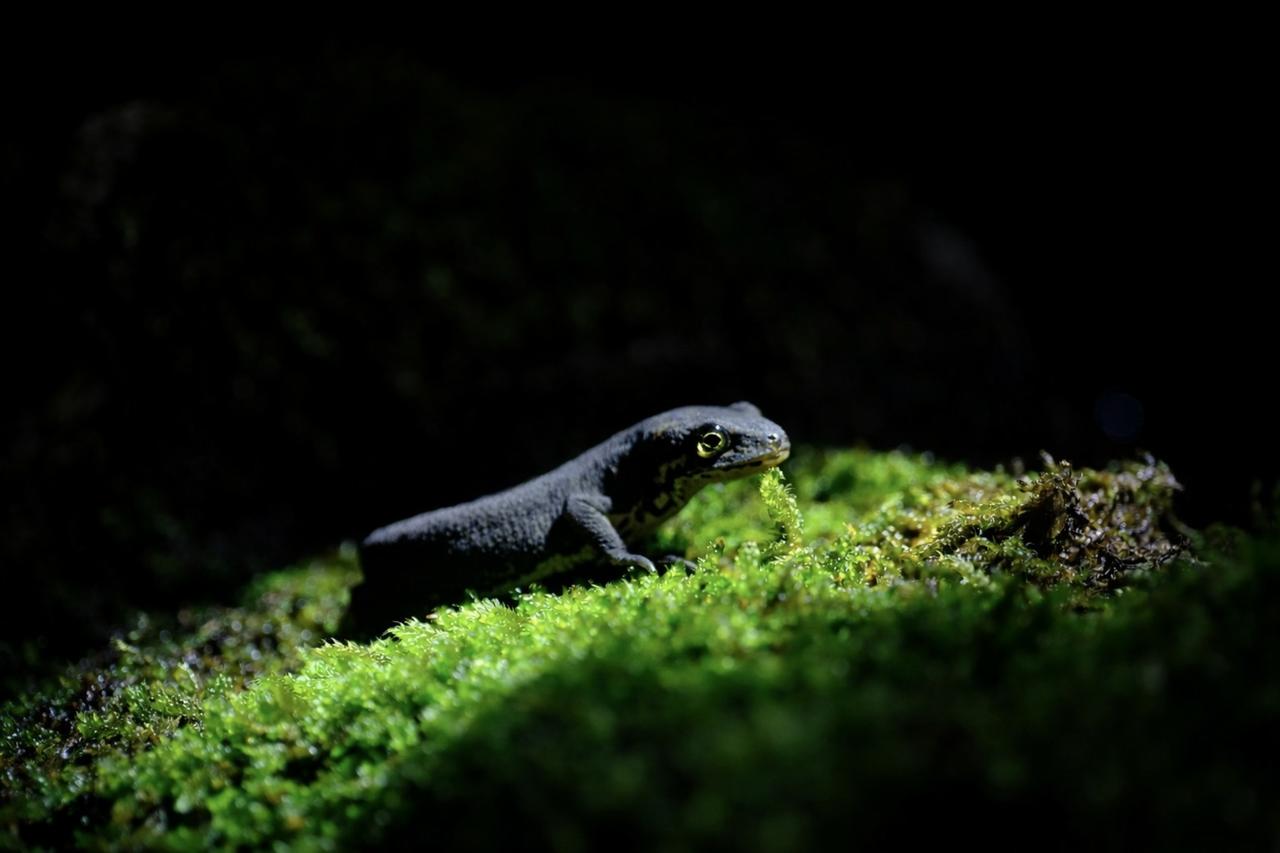


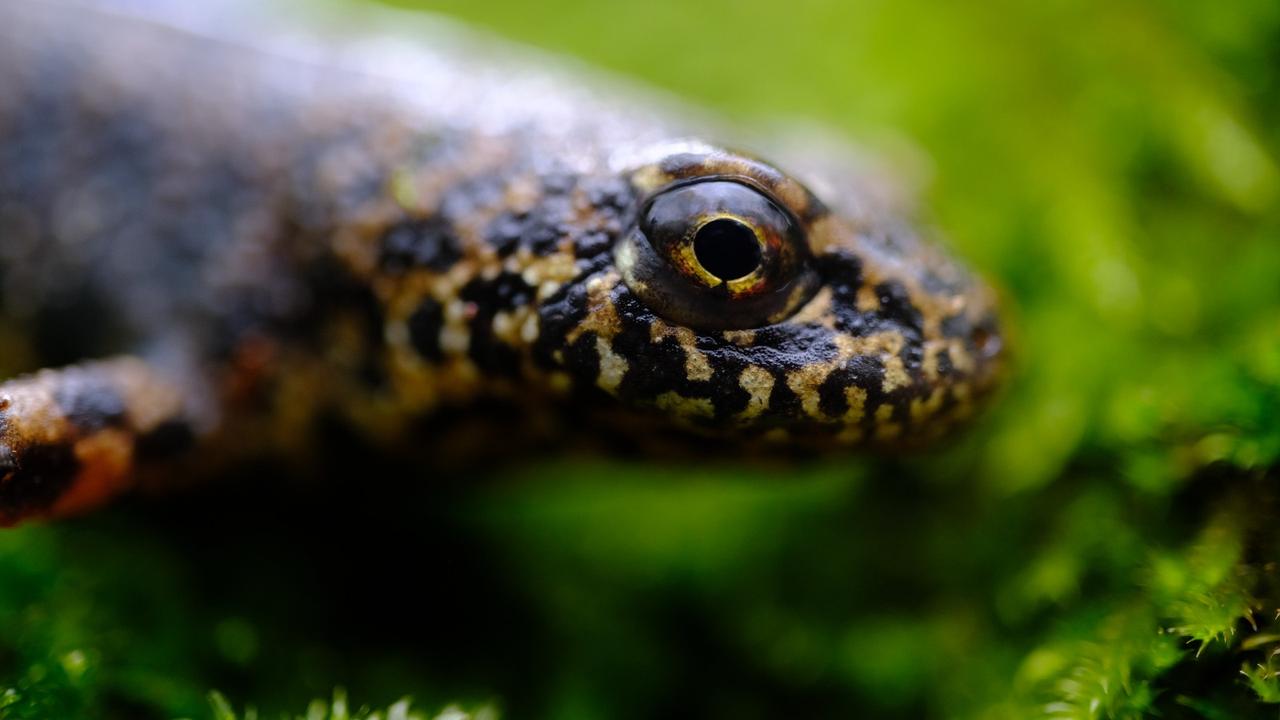
Three endemic salamander species native to Anatolia have been recorded in the wetlands of the Ormanya Nature Park in Kocaeli’s Kartepe district, adding to the park’s already rich biodiversity and highlighting its role as a protected habitat for amphibians.
The species identified were the Anatolian small newt, the Anatolian crested newt and the Anatolian banded newt. Endemic species are plants or animals found naturally only in a specific region, which makes their protection especially important for preserving local biodiversity.
The findings came during fieldwork carried out by the Kocaeli Metropolitan Municipality’s Tourism and Natural Life Areas Branch Directorate. Teams used traps placed in wetland areas and hand nets to observe and classify the salamanders.
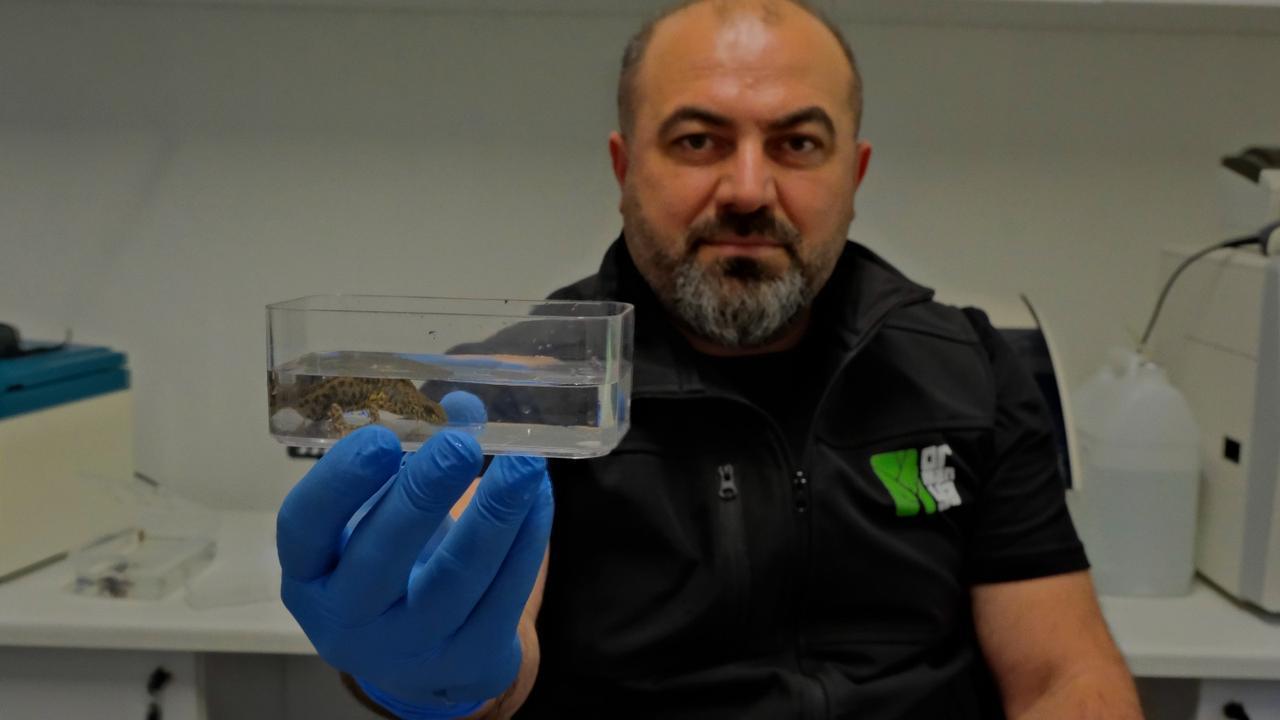

Ormanya biologist Recep Bakir said the newly recorded salamanders depend on water and lay their eggs in aquatic environments. He noted that amphibian studies beginning in early spring made it possible to detect different salamander species in the park.
According to Bakir, Türkiye’s rich topography and biogeography support a high level of species diversity across many groups. He said the species detected in Ormanya are endemic to Anatolia, particularly to northern parts of Türkiye.
He identified the first species as Lissotriton kosswigi, known in Türkiye as the Anatolian small newt. The second was Triturus anatolicus, the Anatolian crested newt, which had previously been considered part of the Triturus karelinii group before genetic and DNA barcoding studies showed it to be a separate species. The third was Ommatotriton nesterovi, the Anatolian banded newt, which was earlier evaluated within the northern banded newt group.
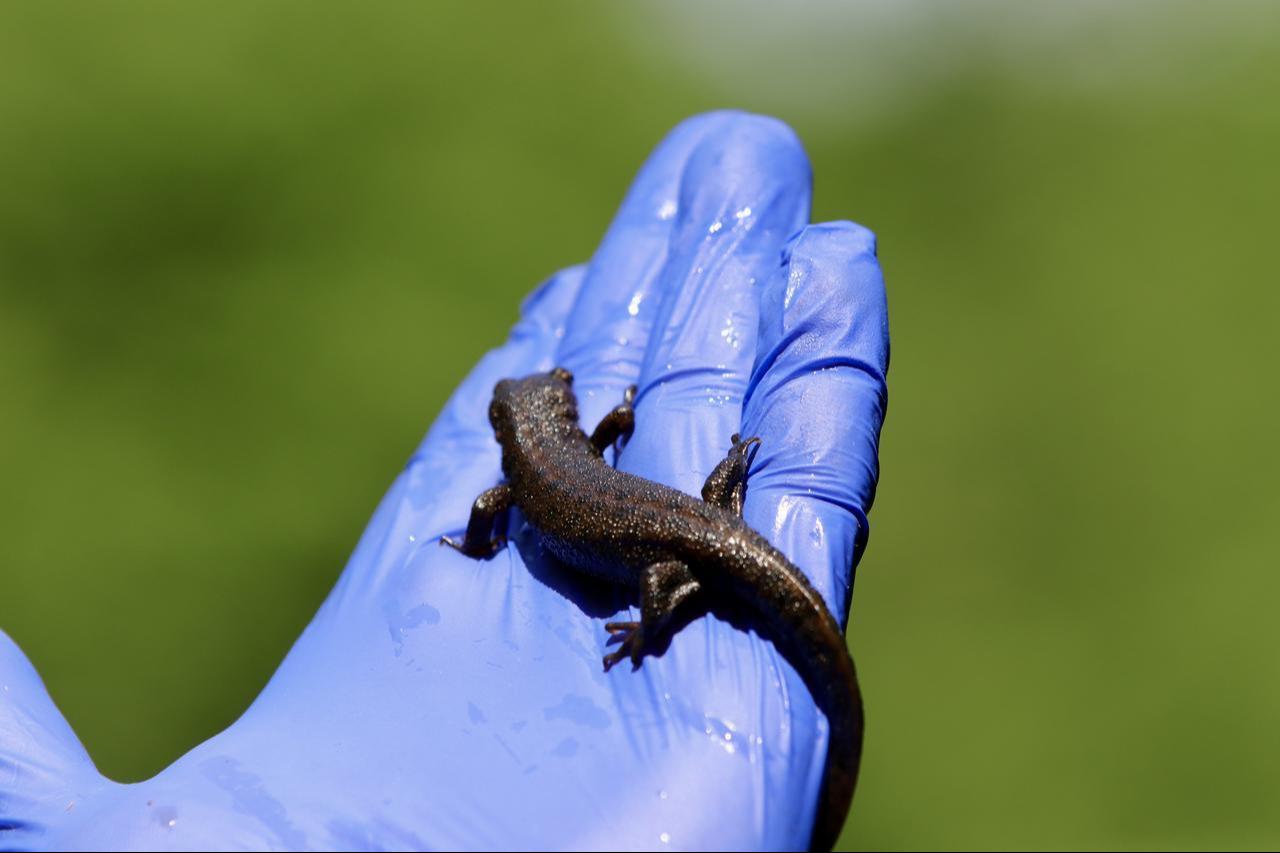
Bakir said Ormanya functions as a natural life area where animals are left undisturbed and human access is limited in sensitive zones. He added that the park gives close attention to protecting species and keeping their habitats stable, allowing natural life to carry on without major disruption.
The newly identified salamanders have been included in conservation work aimed at protecting the species, monitoring their breeding processes and supporting the sustainable growth of their populations.
Bakir said salamanders move slowly, meaning that their spread across habitats can take many years. Because of this, he stressed that stable environmental conditions are essential for their survival.
He pointed out that habitat destruction, uncontrolled fish stocking, drying wetlands, climate change and temperature shifts are among the main threats facing these species. He said clean and protected water sources are necessary to ensure their continued survival.
Bakir also said that although the distribution areas of these species are known from scientific literature, the current work has focused on confirming their presence in Ormanya. In the next stage, the park plans to set up a more standardized amphibian monitoring program, which may include breeding season observations, night counts, habitat tracking and possible genetic confirmation.
Highlighting the broader importance of endemic species, Bakir said: “When they disappear, we lose not only a living creature but also millions of years of evolutionary accumulation and knowledge unique to that geography. The presence of these three salamander species in Ormanya shows that the park is not only a recreation area but also a living biological archive carrying Anatolia’s heritage.”


 Set as preferred source
 Set as preferred source



 1 min read