Newsletters


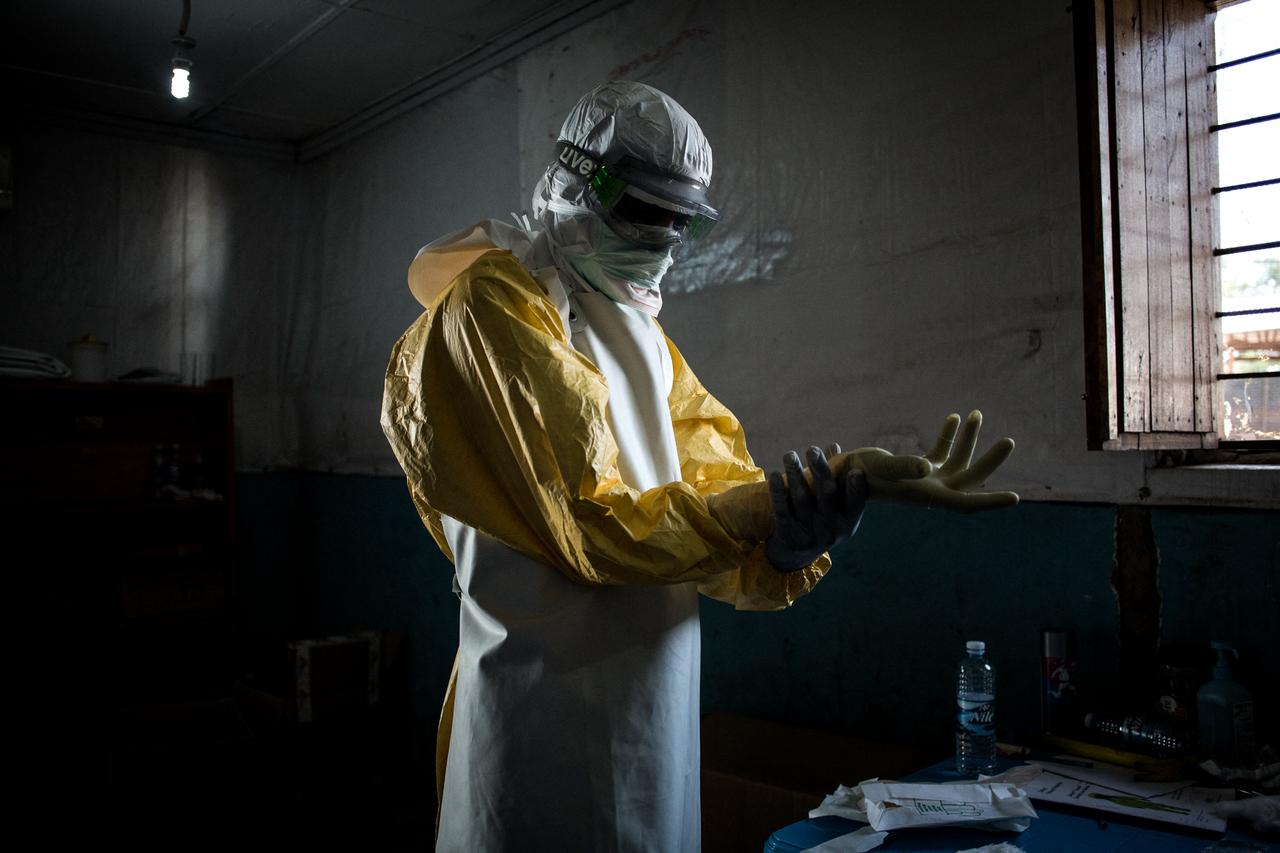


The World Health Organization (WHO) declared the Ebola outbreak in the Democratic Republic of Congo (DRC) a public health emergency of international concern (PHEIC) on Sunday.
This is the second-highest alert level under international health regulations.
Addressing the World Health Assembly in Geneva on Tuesday, WHO Director-General Tedros Adhanom Ghebreyesus said he was "deeply concerned about the scale and speed of the epidemic" and announced he would convene the agency's emergency committee later that day to issue temporary recommendations.
The outbreak was confirmed late last week in the Ituri province in northeastern DRC, bordering Uganda and South Sudan, according to the Africa Centers for Disease Control and Prevention (Africa CDC).
It is the 17th Ebola outbreak to hit the DRC. The Africa CDC has also declared the situation a continental public health emergency, enabling it to mobilize additional emergency response teams and surveillance operations.
DRC Health Minister Samuel Roger Kamba confirmed 131 suspected deaths and 513 suspected cases in an address on national television on Tuesday
He noted that the figures represent all deaths identified in the community and do not confirm that all are linked to Ebola. The previous figures, issued when the outbreak was declared late last week, stood at 91 deaths and 350 suspected cases.
With the outbreak largely concentrated in difficult-to-access areas, few samples have been laboratory-tested. Tedros confirmed 30 cases had been laboratory-verified as Ebola in the Ituri province.
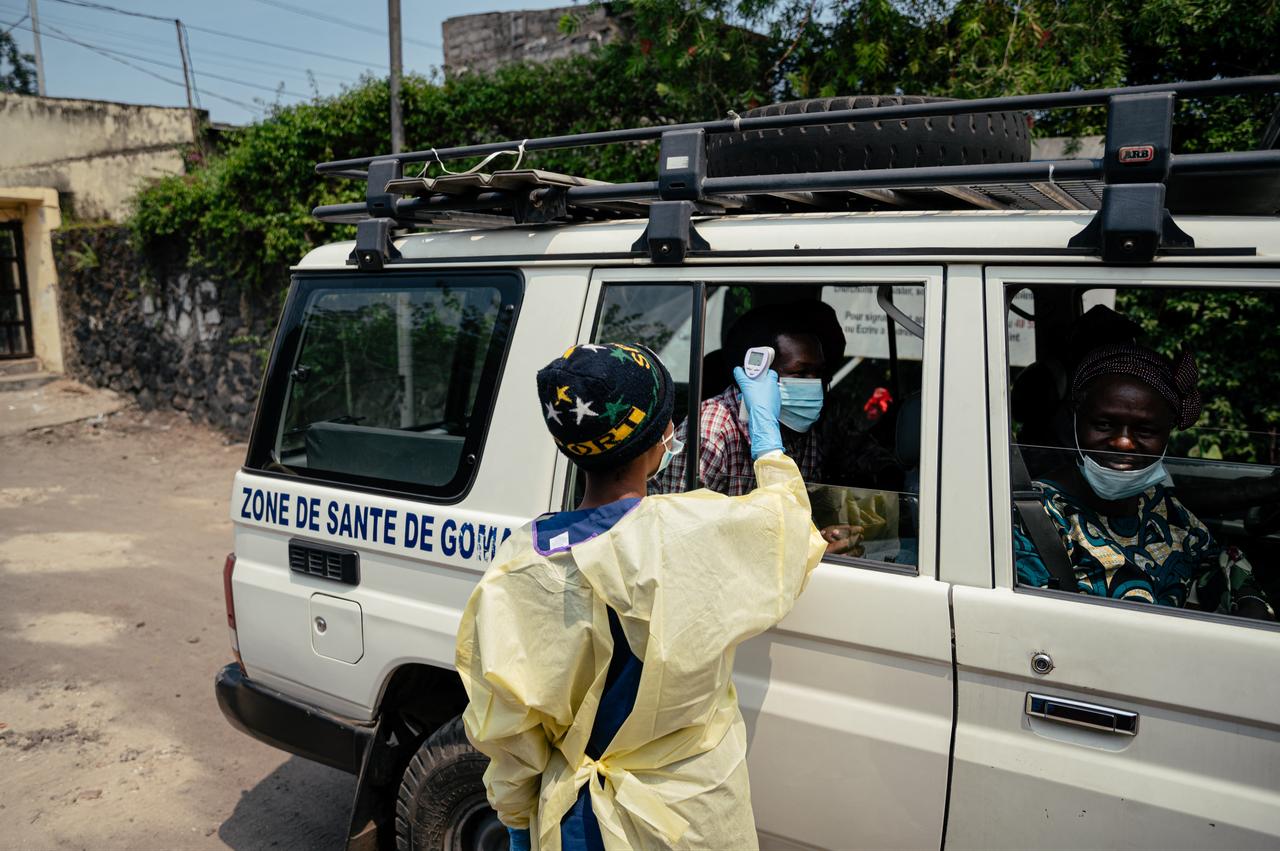

The outbreak has crossed into neighboring Uganda. Tedros told the assembly that two confirmed cases had been recorded in Kampala, including one death, among individuals who had traveled from the DRC.
A U.S. citizen who tested positive following exposure related to work in the DRC is being transferred to Germany for treatment.
The United States has announced heightened precautionary measures, including screening air passengers arriving from the affected areas, a temporary suspension of visa services, and efforts to evacuate six additional people for health monitoring.
Within the DRC, the virus has spread beyond Ituri. Suspected cases have been reported in Butembo, a commercial hub in the neighboring North Kivu province, approximately 200 kilometers from the outbreak's epicenter.
Another case has been recorded in Goma, North Kivu's provincial capital, currently under the control of the Rwanda-backed M23 armed group.
Kamba attributed part of the delayed response to community misconceptions. "Unfortunately, the alert was slow to circulate within the community, because people thought it was a mystical illness, and so, as a result, the sick were not taken to the hospital," he said.
Deaths among health workers have also been reported, indicating health care-associated transmission. Ituri has experienced intensifying conflict in recent months, displacing more than 100,000 people in the region and complicating containment efforts.
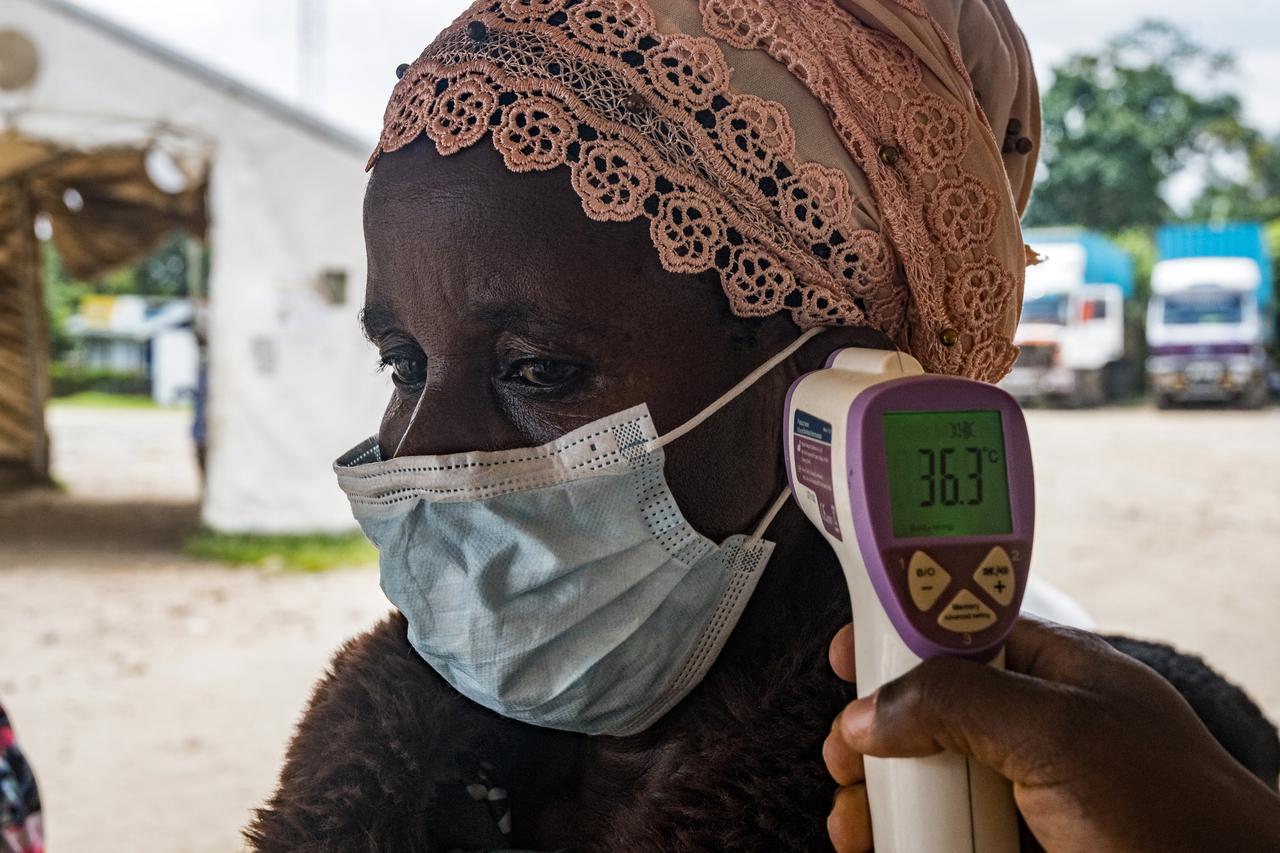
The outbreak has been identified as the Bundibugyo strain of the Ebola virus, for which no approved vaccines or therapeutics exist.
Available vaccines target only the Zaire strain, first identified in 1976, which carries a fatality rate of 60 to 90%.
WHO is examining whether any candidate vaccines or treatments could be deployed against the current outbreak.
"At the international level, (we are) looking at what candidate vaccines or treatments are available and if any could be of use in this outbreak," Anne Ancia, WHO's DRC representative, told reporters in Geneva.
Tedros stressed that, in the absence of an approved vaccine, measures such as risk communication and community engagement remained essential tools for containing the virus.
WHO said it has deployed personnel, supplies, equipment and funds to support national authorities on the ground.


 Set as preferred source
 Set as preferred source



 3 min read