Newsletters


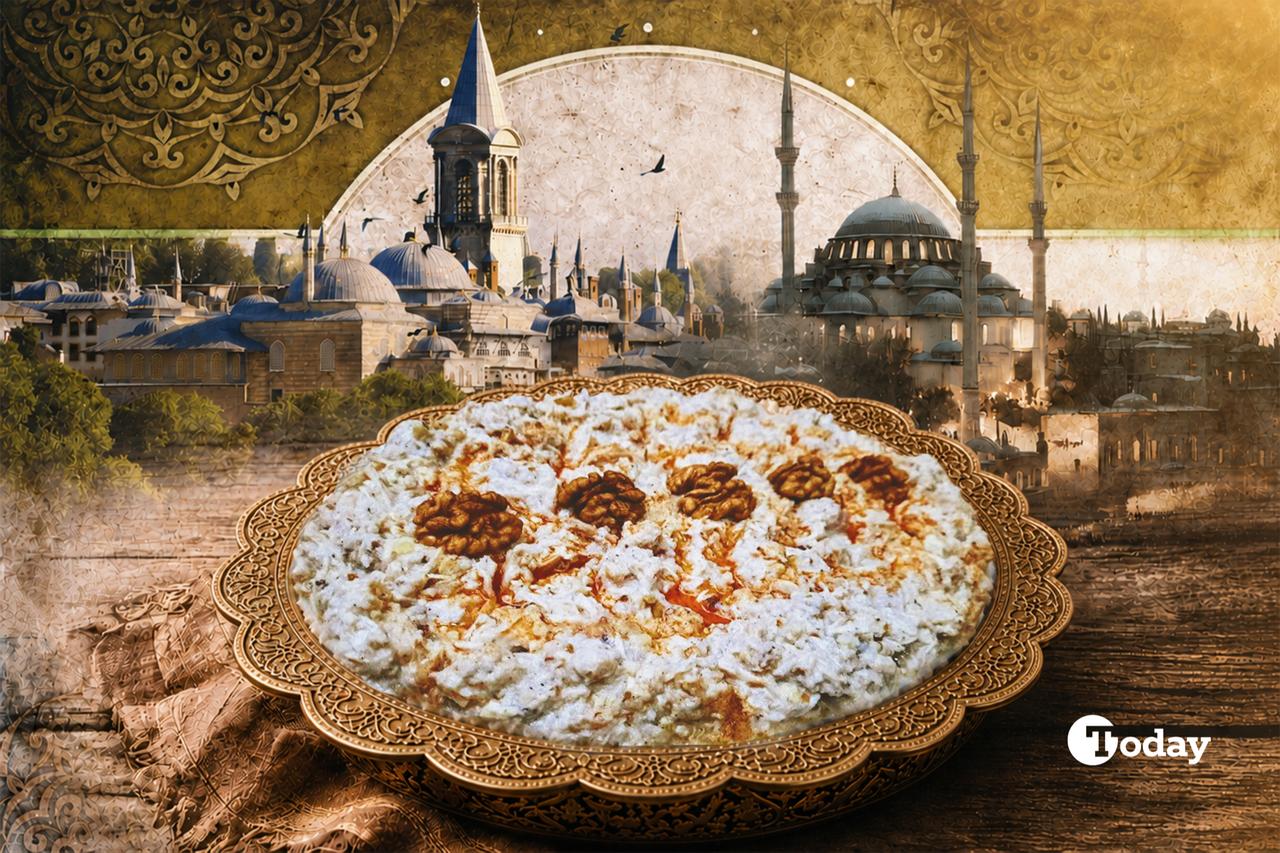


Cerkez tavugu is what chicken salad would be if it had never met mayonnaise, and instead spent several centuries in the Caucasus, thickening on walnuts and patience.
Among the meze, it sits between the smoky aubergine and the fried liver, asking nothing, explaining nothing. Just waiting with the mighty forbearance of something that stopped being anxious about half a dozen historical tragedies ago.
Spooning it generously on anything with a surface, the average punter immediately understands why it endures. The chicken is shredded with patience—not torn, not hacked, but pulled into fine, almost silky strands that take the walnut sauce on its terms rather than their own.
The result is garlicky, faintly bitter, and emulsified with bread and stock into a paste so dense it might pass as a stone if you just gave it a minute.
What should be there but isn't is coriander. You probably won't notice the absence unless you already know it—it leaves no gap you can name, just a faint sense that the dish is half a key lower than it ought to be.
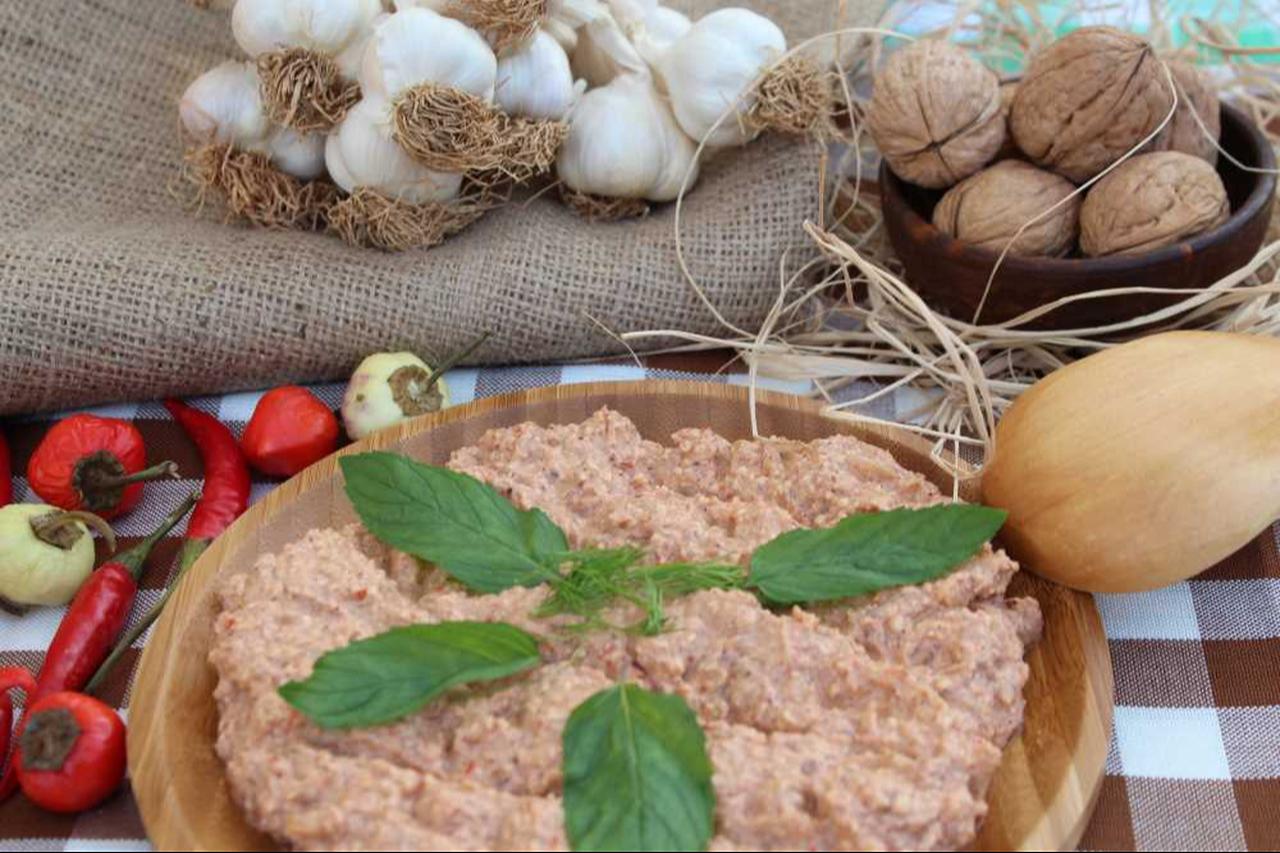

Yet that missing note is the one the palace kitchens removed, and the backstory of its subtraction is dark enough to dropkick the whole plate into a different register, Brothers Grimm style.
Circassia once sat on the Black Sea's northeastern coast and its women were, per the period's own account, "the most beautiful in the known world."
A compliment that sounds wonderful but, in reality, functioned as a rather vicious price tag as they fetched the highest rates on the imperial slave market and filled harems accordingly.
The upside was that they brought their cooking with them (since it was the one thing nobody could confiscate) and within that repertoire sat cerkez tavugu—splodgy, pale and slightly passive-aggressive.
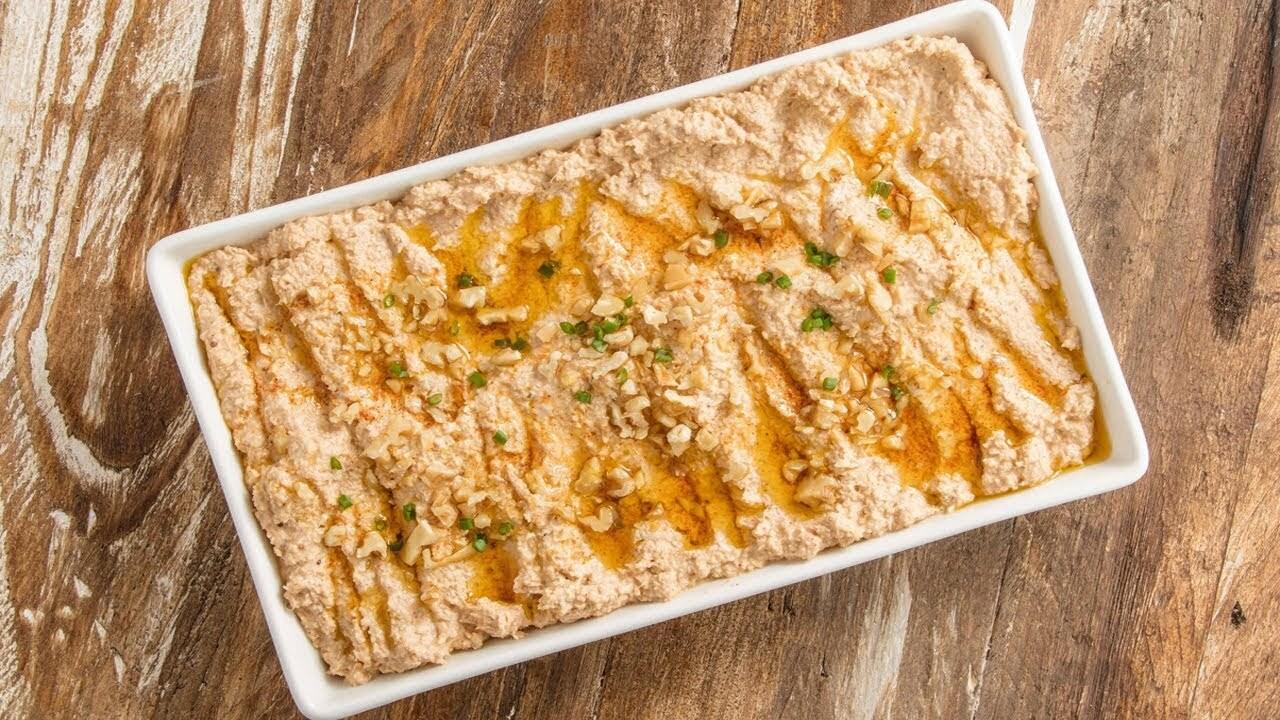
The palace kitchen then kept the walnuts, the garlic and the technique but judged the coriander "too assertive," in favor of parsley, its blander understudy. Then they splashed the result with pepper oil, a condiment that tends to perform excitement rather than deliver it.
These were people who had already lost their homes and freedom, yet the palace's verdict on their finest dish was that it was all just a "bit much."
That mythology—the beauty, price tag, harem and imperial kitchens—took centuries to calcify. Yet, in the spring of 1864, it forked in two directions within the same few weeks, with America turning it into show business, while Russia turned the homeland over to ethnic cleansing.
In May, P. T. Barnum authorized his man in Istanbul to buy two Circassian women out of a slave market, at $5,000 in gold apiece, for exhibition at his American Museum. The agent failed to pull it off so Barnum hired a Catholic girl from Lower Manhattan, invented a hairstyle for her, and billed her as Zalumma Agra, Star of the East.
Every "Circassian" who followed got the same formula: Zublia Aggolia, Zoe Meleke, Aggie Zolutia, names built almost entirely out of Z and A, the two letters an American ear was most likely to find exotic.
The act ran for the rest of the century, and not one of the women in it had ever been within a thousand miles of the Caucasus.
It was the same trick as the parsley: keep the label, swap the contents, and trust that nobody positioned to object will ever be consulted.
That same month, Russia decided Circassia was Russian. Between 800,000 and 1.5 million Circassians were expelled to the Ottoman Empire. Hundreds of thousands died crossing the Black Sea.
A survivor, interviewed in 1929 at the age of 91, recalled that for seven years afterward the sea kept washing human skulls ashore like watermelons. The empire that had spent two centuries ranking Circassian women as the finest thing heaven sent now received the entire Circassian nation, and… well… it had considerably less use for it.
Some were sent to what's now Jordan, to a heap of Byzantine ruins nobody had lived in since the 14th century. They dug irrigation, planted orchards, and built a functioning town so thoroughly that when a Hashemite emir went looking for a capital in 1921, it was the largest town he could find.
Their descendants still make cerkez tavugu in Jordan, and in their kitchens the coriander never left. The version with it removed went on to become Türkiye's national meze. But the version that kept it became a small, deliberate act of memory, cooked in a city that had once faded from the map.
By now, cerkez tavugu is thoroughly Turkish in the way certain words survive their own etymology—the adjective is ceremonial rather than descriptive, the same way Anadolu now just means "here" rather than pointing at anything Anatolia actually absorbed.
Reportedly, it was Mustafa Kemal Pasha's favorite dish. The man who formed a new republic, and installed French cuisine at state dinners to signal a break with the Ottoman past, nonetheless kept a fondness for a dish with roots in the Ottoman palace harems that same past had produced. He died in 1938 at Dolmabahce Palace, where the dish remains associated with his memory to this day.
Not that cerkez tavugu has ever needed anyone to notice anything. It has the imperturbable vanity of all great cold dishes. It knows you will come around.
At first it looks like the sort of thing left behind after a committee has had lunch, a pale smear of institutional chicken, something served to widows with dental issues, but then you taste it, and the room alters slightly.
Order too much bread. The sauce doesn't want your admiration; it wants your attention, which is a much harder thing to give and the only thing it was ever actually owed.
Everything else about this potted history has been about the business of taking things from Circassians without asking. The least you can do is appreciate what they love.
Serves six as meze
For the chicken
For the walnut sauce
For the pepper oil
To finish


 Set as preferred source
 Set as preferred source


 1 min read