Newsletters


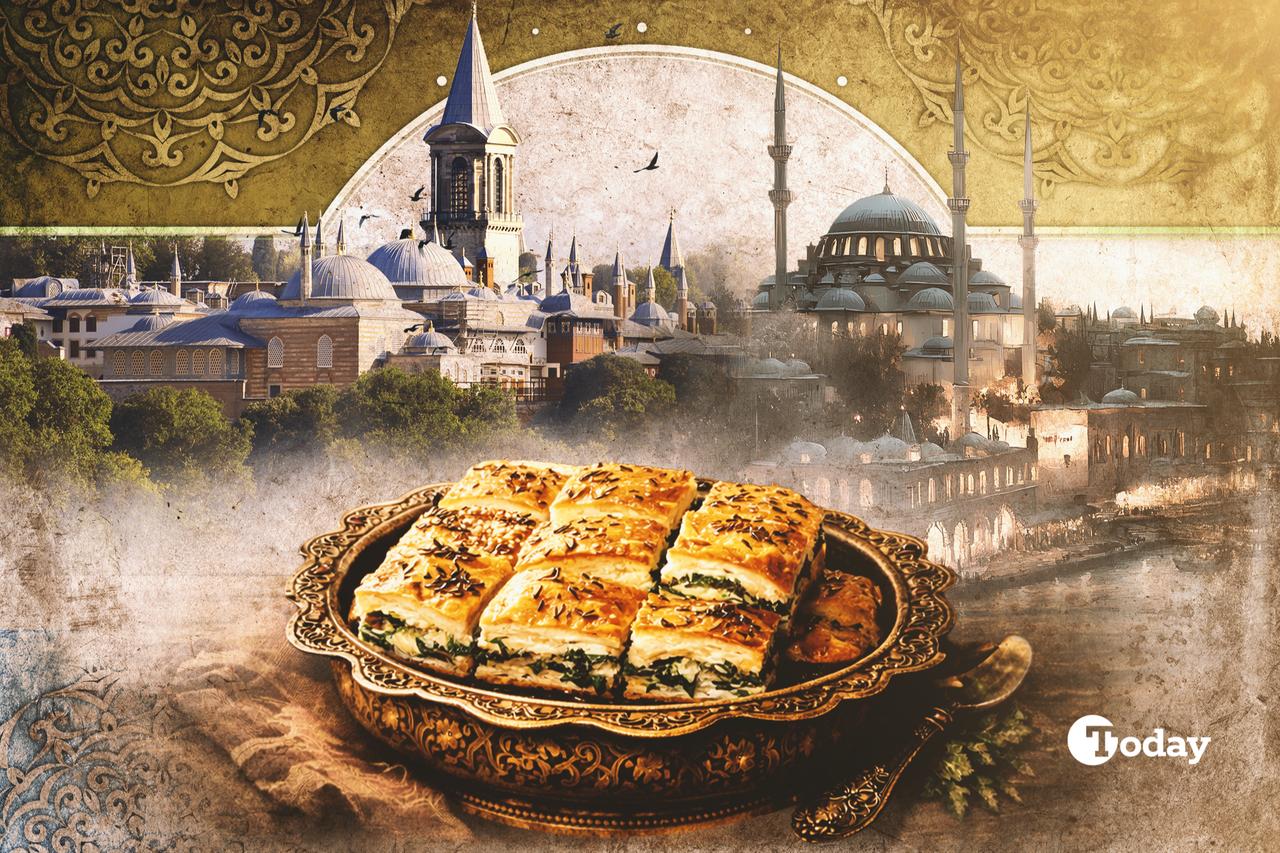


Su boregi arrives without ceremony or apology. The tray sags under its own weight. Butter pools with a certain incontinence in the corners. Steam seeps from where the knife went through.
It arrives hot, heavy, and already certain of the outcome: no matter how it staged its appearance, you were going to eat it anyway. It knew that before you did.
In Greece, cooks roll phyllo. In Türkiye, they stretch yufka. Any challenges to the nomenclature deserve the disdain usually reserved for picking up pet droppings.
In Bosnia, a safe distance from Greece and Türkiye, they use “burek” the way other people use punctuation. They extend the considerable courtesy of assuming you do not need a history lesson before lunch.
Nomenclature aside, borek usually gets discussed as a dish, but it is fundamentally a technology.
The brief? Turn flour and fat into something that feeds an alarming number of people without bankrupting the household. The technique? Roll the dough until the laws of physics strain. Slick it with fat. Stack it.
The filling gets all the attention, but frankly, it is cargo. The pastry is the point. The pastry has always been the point.
Borek appears wherever conditions demand it. Anatolia produces wheat by reflex, whereas meat is an occasional concession to morale. Ovens are operatic: too hot, too cold, or just temperamental in ways that can get a person fired.
Under these conditions, using thick dough is not cooking; it is self-sabotage. It wastes time and burns fuel you do not have. Thin layers solve every problem at once. They cook fast, trap heat, and make a fistful of butter look like largesse.
The method does not emerge from inspiration but from dollops of desperation and the certain knowledge that noon is coming.
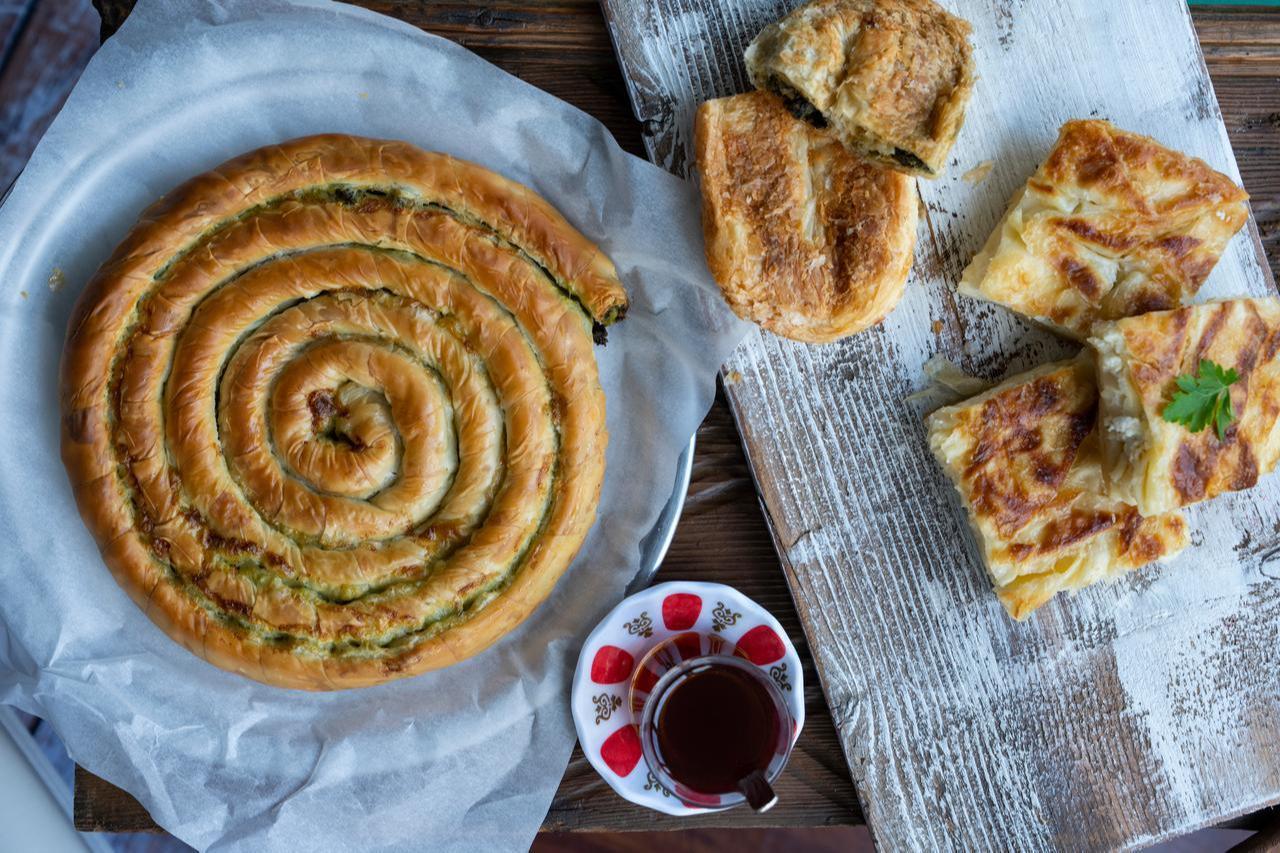

That knowledge did not travel in cookbooks because those belong to people with libraries and leisure, and a slightly suspicious relationship with the concept of intuition.
It traveled the way I saw Hatice learn it: in a borek shop in Fatih, in the kind of freezing January that doubled as a biblical punishment. The shop was the size of a generous wardrobe. It smelled of butter and hot dough. Hatice's mother worked a sheet of yufka across a table.
No rolling pin. Just knuckles, wrists, and 40 years of domestic endurance imposing themselves on the dough.
She barely glanced at the well-pummelled dough. She was talking to someone behind her about a nephew's wedding, questioning whether the venue was adequate, whether the bride was adequate, and whether anything arranged by this particular nephew could ever be adequate.
She gestured with one hand; the other kept working. The sheet thinned to something approaching translucence without her conscious attention. I asked how she knew the dough was ready, and she looked at me the way you look at someone asking how to breathe.
She offered a long, burning look of genuine sorrow and incredulity. Then she returned to her nephew.
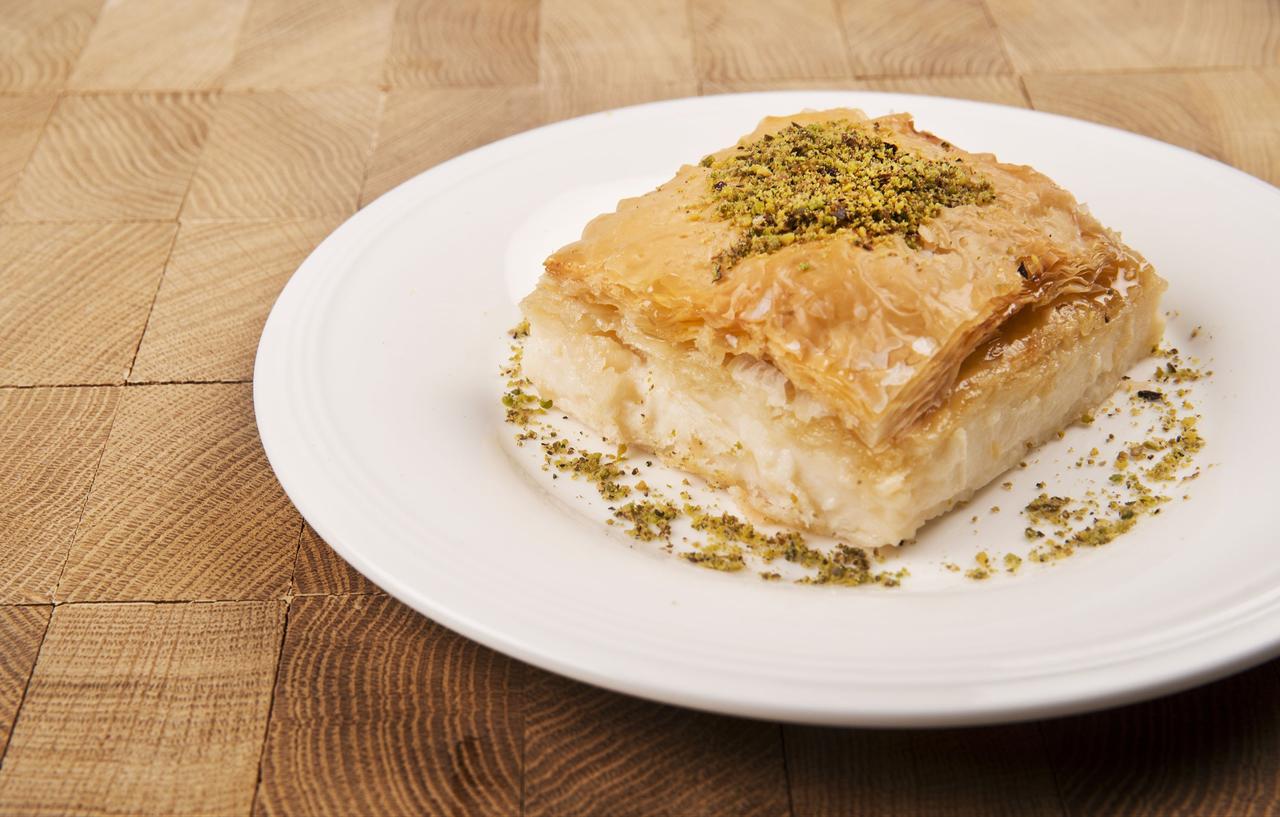
By the early 16th century, Istanbul already had four borek shops for every bakery. That is four Hatices per block, each with their own strong views on dough and absolutely no interest in writing any of it down.
It was no longer cuisine in the fancy sense; it was infrastructure. That scale attracts regulation because the state gets a bit envious of functionality.
But the state occasionally gets things right. In 1502, authorities hauled three borek-makers, Pervane, Uveys, and Mustafa, into court and prosecuted them for crimes against pastry. Their transgression? Insufficient filling.
The Ottoman state cared enough about borek to drag bakers before a judge over payload ratios. Yet this was less about culinary aesthetics and more about regime survival. Under the strict "narh" system, regulating food quality and pricing served as a calculated mechanism of imperial control to prevent urban famine and subsequent riots.
This aggressive policing standardized the dish at the imperial center, even as its variations began to fracture across the provinces.
What survived across empires was not recipes—those barely existed, and the ones that did were as useful as a map with no scale and scrambled exonyms. Praxis, meanwhile, traveled beautifully and in every direction simultaneously.
Bosnian burek coils into spirals. Trabzon introduces anchovies to the dough, answering any culinary skepticism with a pragmatic shrug and a full net. Erzurum adds foxtail lily leaves, an intervention that feels less like an idea than a dare. Laz boregi abandons the entire premise, fills itself with custard, and has the audacity to be the best thing you will eat all week.
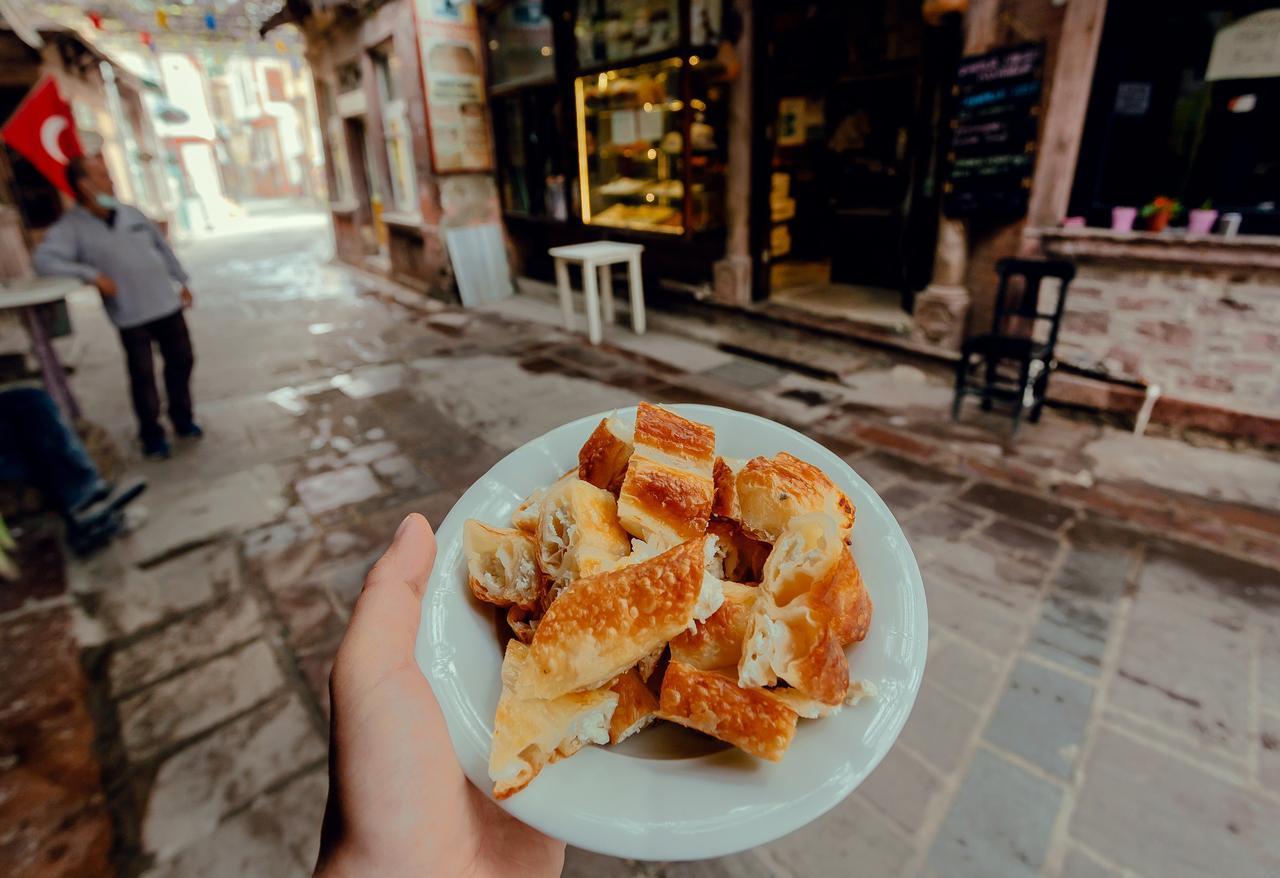
Back in Istanbul, borek remains stubbornly, magnificently pedestrian: it is breakfast eaten standing up, a lunch grabbed between errands, a tray shoved across a counter without ceremony, apology, or eye contact.
Su boregi in Sariyer. Kol boregi in Kadikoy. Kut boregi appearing exactly when you were not looking for it, but absolutely, desperately needed it. The city runs on this. While other food items busy themselves inventing endless backstories and mythologies, borek fuels everyone with the quiet patience of a wali (Sufi saint).
What has disappeared over the last few decades is not borek but its position in the culinary hierarchy. This is a loss that should be taken personally, like bad plumbing or political decline.
It has largely left the home because nobody has a spare three hours or the shoulders of Naim Suleymanoglu. Yet it never quite entered the restaurant because those establishments need dishes susceptible to steep markups. Borek is too honest for that.
You can see exactly what it is: dough, butter, and something vaguely guessable in the middle. It does not pretend otherwise.
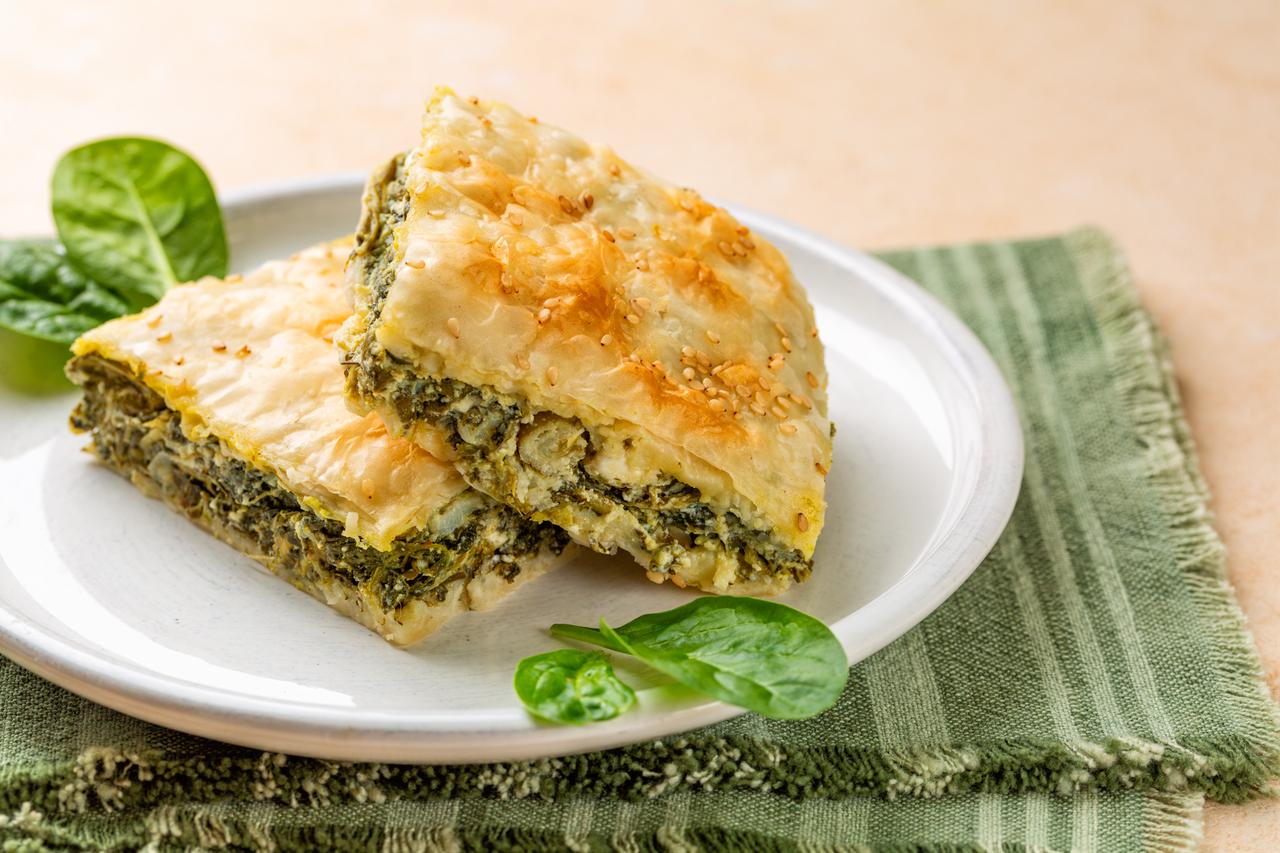
You will need a rectangular baking tray, roughly 30 x 20 cm.
Ingredients
For the filling
For the soaking mixture
For assembly
1) Make the filling
2) Make the soaking mixture
3) Prepare the tray
4) Assemble the borek
5) Bake
Tips
Notes
Using phyllo instead of yufka: Phyllo is thinner and more brittle, so use more sheets and handle them more gently. The result will be slightly crisper and less chewy than with yufka, but still very good.
Make-ahead: Borek is excellent warm, but often better after a little rest. It also keeps well into the next day and can be eaten at room temperature.
Optional additions: A little parsley works. A few chopped spring onions work. Too much filling does not work.


 Set as preferred source
 Set as preferred source


 1 min read