Newsletters


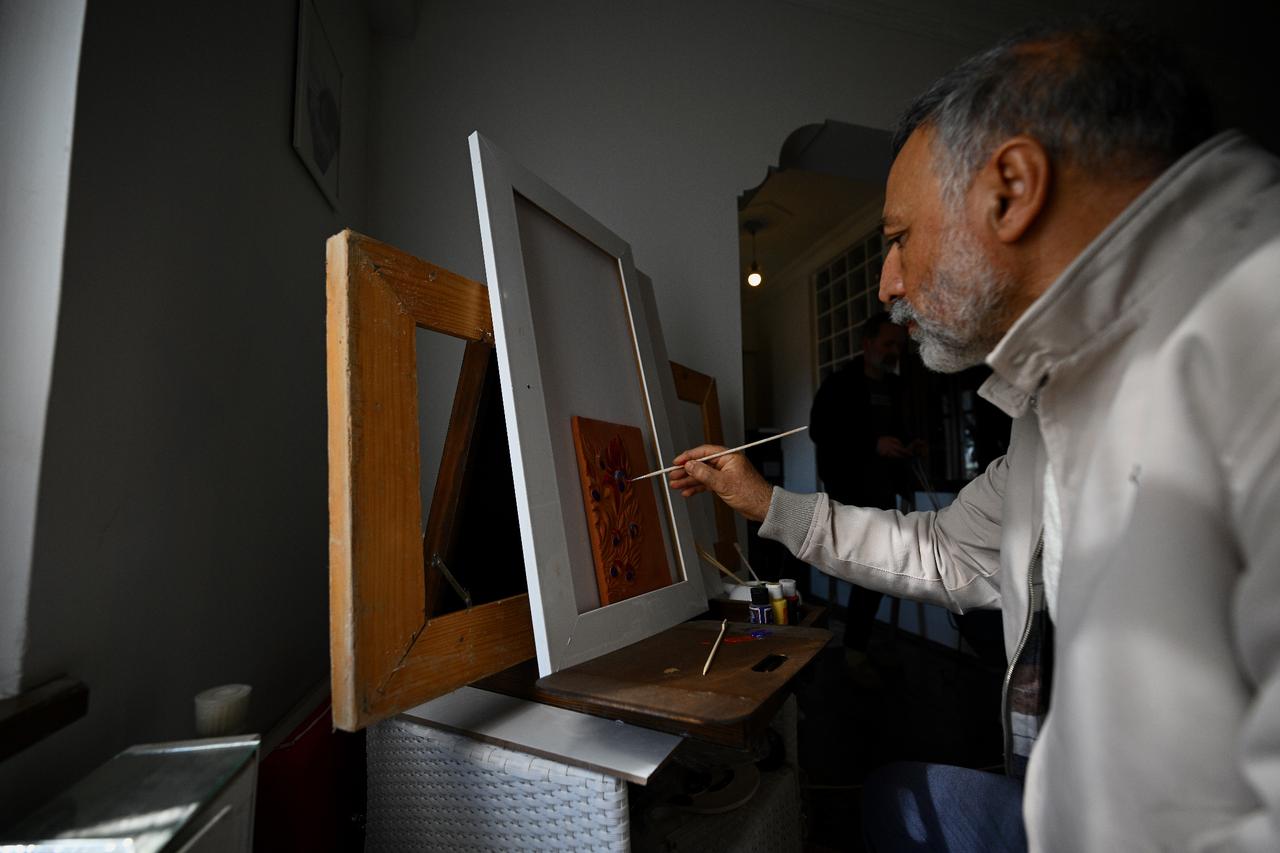


An eye doctor with four decades of experience in Türkiye’s northwestern province of Duzce is bringing the calming presence of art into the hospital where he works, using his own paintings and decorative works to brighten rooms, corridors, and the staff dining hall.
Prof. Dr. Murat Kaya, a faculty member in the Department of Ophthalmology at Duzce University Faculty of Medicine's Training, Research, and Practice Hospital, has spent 40 years treating patients while continuing a lifelong interest in art. Now 64, he works with watercolor and oil painting, as well as marbling, wood painting, and ceramic painting, and he has carried that creative work from his home studio into the hospital environment.


Kaya said his interest in painting and decorative arts goes back to childhood and never dropped off, even as he built a demanding medical career after graduating from Istanbul University's Cerrahpasa Faculty of Medicine in 1984.
Having settled in Duzce 26 years ago, the married father of two turns to the studio he set up at home when he finds time away from work. There, he spends time with brushes, canvas, and paint, which he described as a source of peace amid the pressure of hospital life.
He underlined that medicine can be highly stressful and said doctors need hobbies that help them unwind outside their profession, especially when they are constantly moving in and out of surgery.
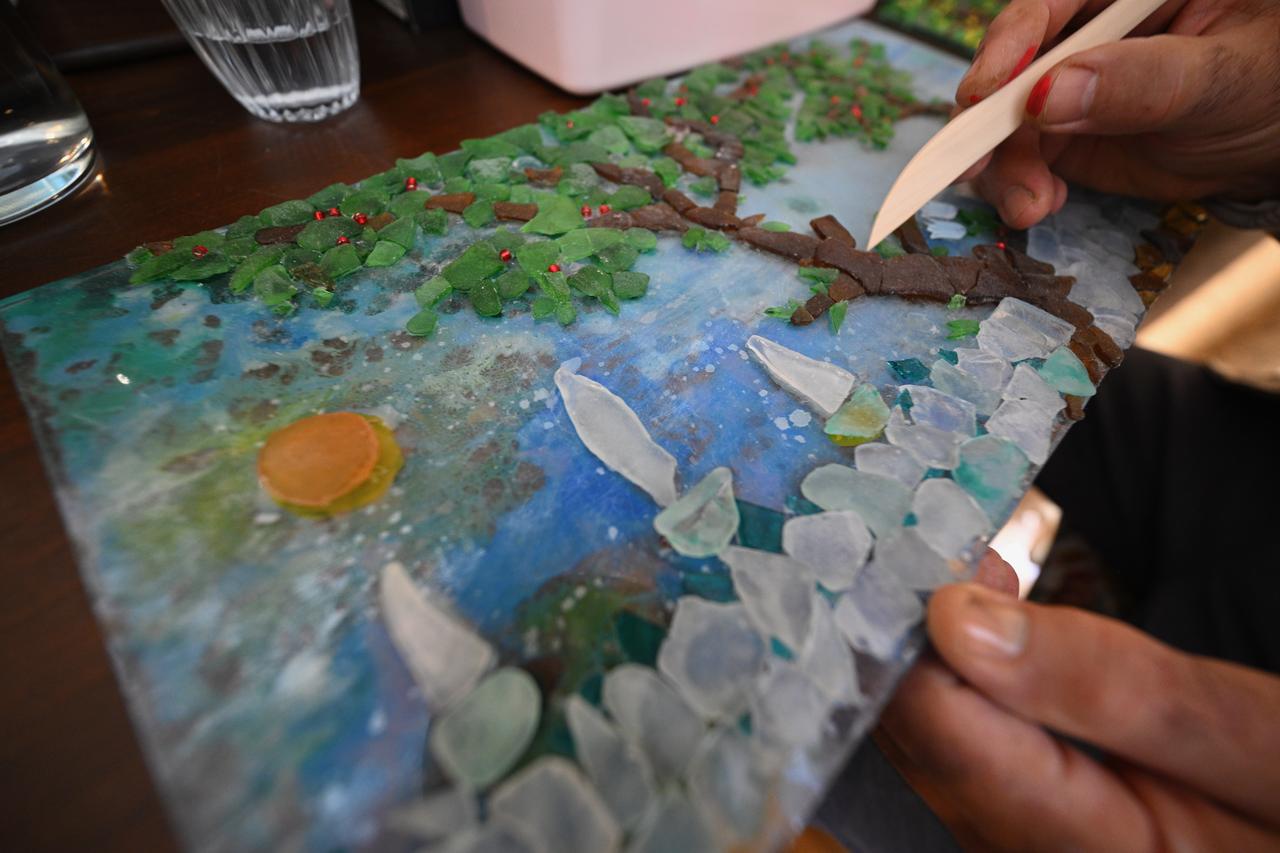
Over the years, Kaya has kept up his practice in several art forms and has placed some of his works in the hospital where he serves, including in his office, the corridors, the operating area and the dining hall.
He said he never left painting behind as a hobby and later took it further by completing a master’s degree in the Painting Department at Duzce University’s Faculty of Fine Arts. He also said he had taken part in many group exhibitions and noted that he holds a master’s diploma in painting, while also having completed specialist training in the United States.
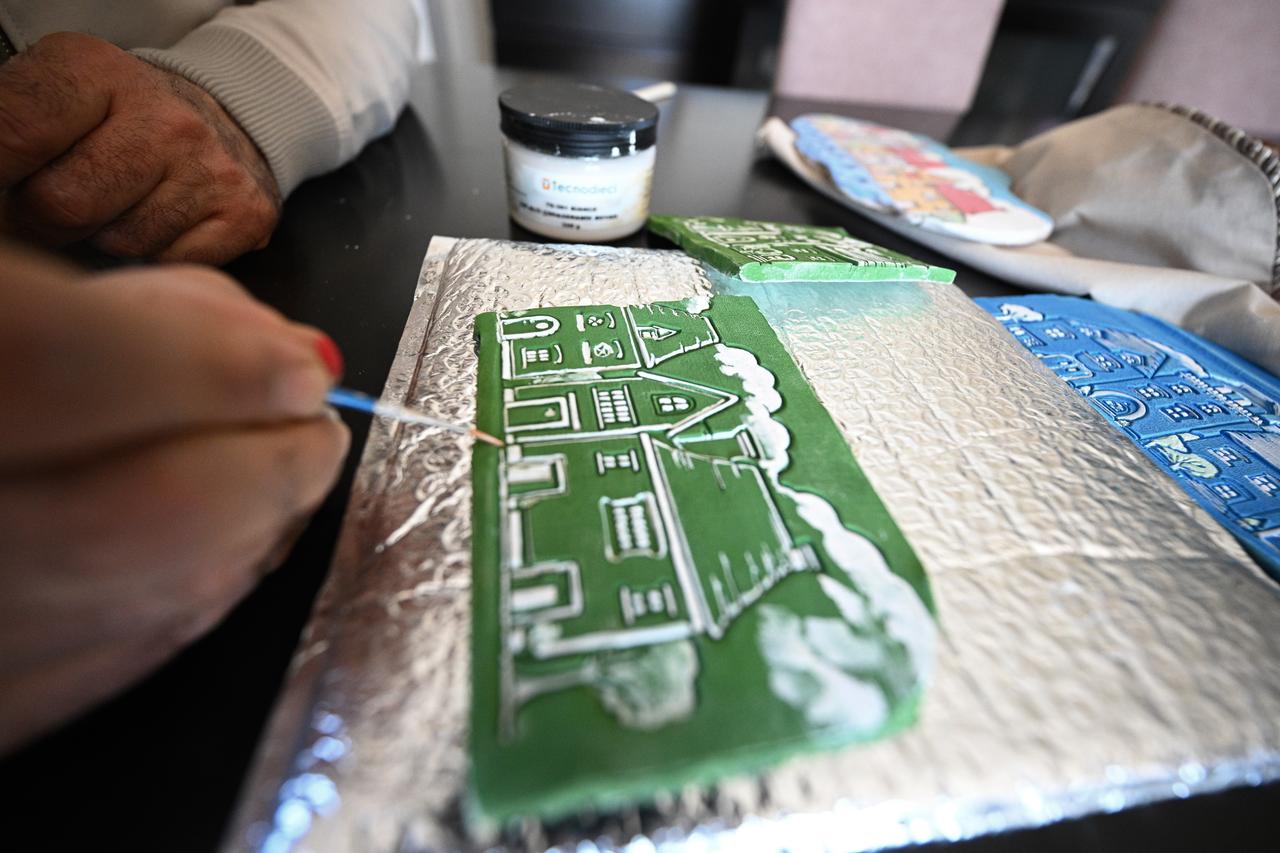
Kaya said his artistic work has also drawn interest from patients, adding that some female patients have even told their husbands, “Look at our doctor; he has such a wonderful hobby. You should have a hobby too.”
He said art helps bring him closer to his patients and described it as having a healing and calming side. In his words, “Art brings me closer to my patients. Art has a healing and calming side. This sense of calm reflects on my patients. Both my patients and I feel very relaxed.”
He added that this long-running engagement with art is something he would recommend not only to colleagues in ophthalmology but also to students and medical professionals in any field.

Kaya also linked his medical work directly with his artistic practice, saying the two complement one another. Because ophthalmology often involves microsurgery, he said, doctors must work with steady hands and great care while dealing with the eye, which is a very small and sensitive organ.
That same sense of precision, he said, carries over into his art. He added that he loves his profession deeply and sees medicine and art not as separate pursuits but as two disciplines that support each other.


 Set as preferred source
 Set as preferred source



 1 min read