

 Newsletters


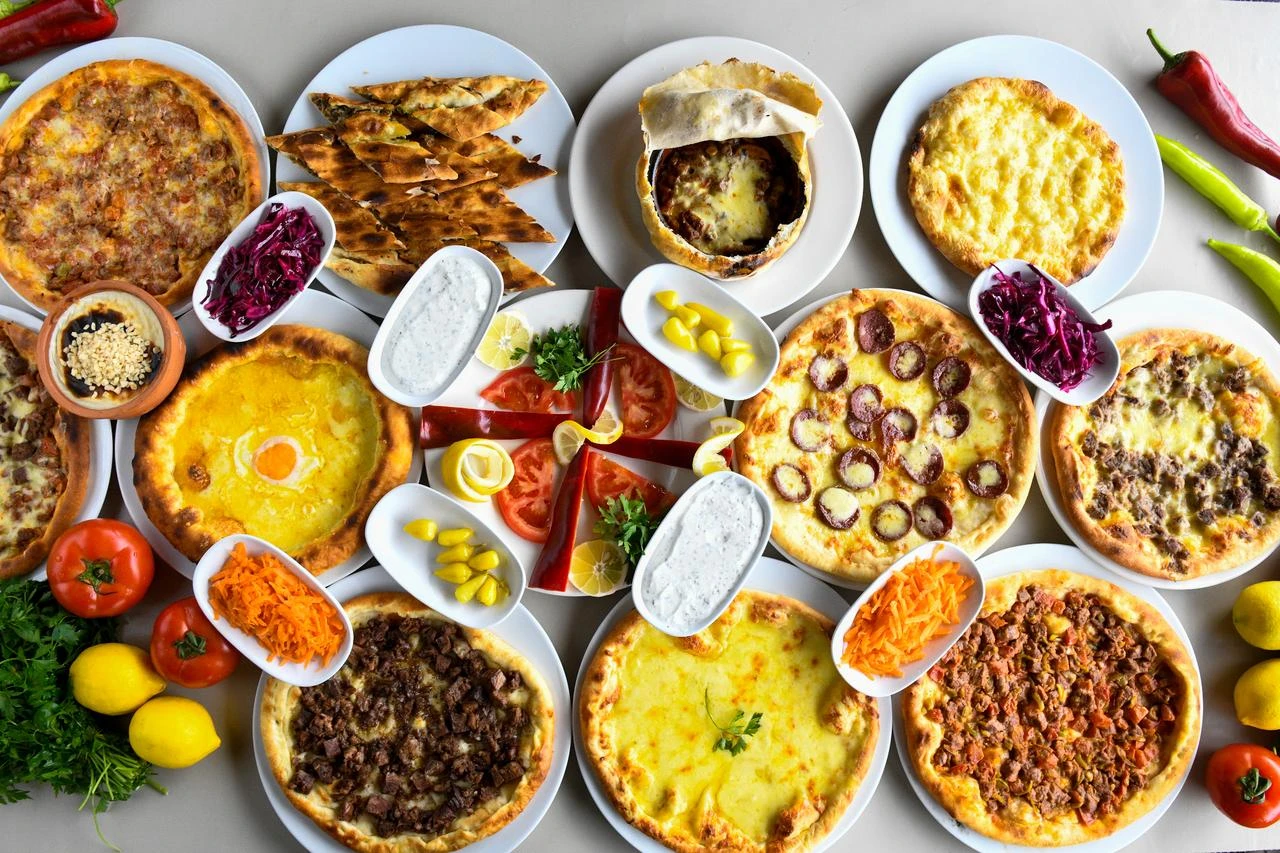


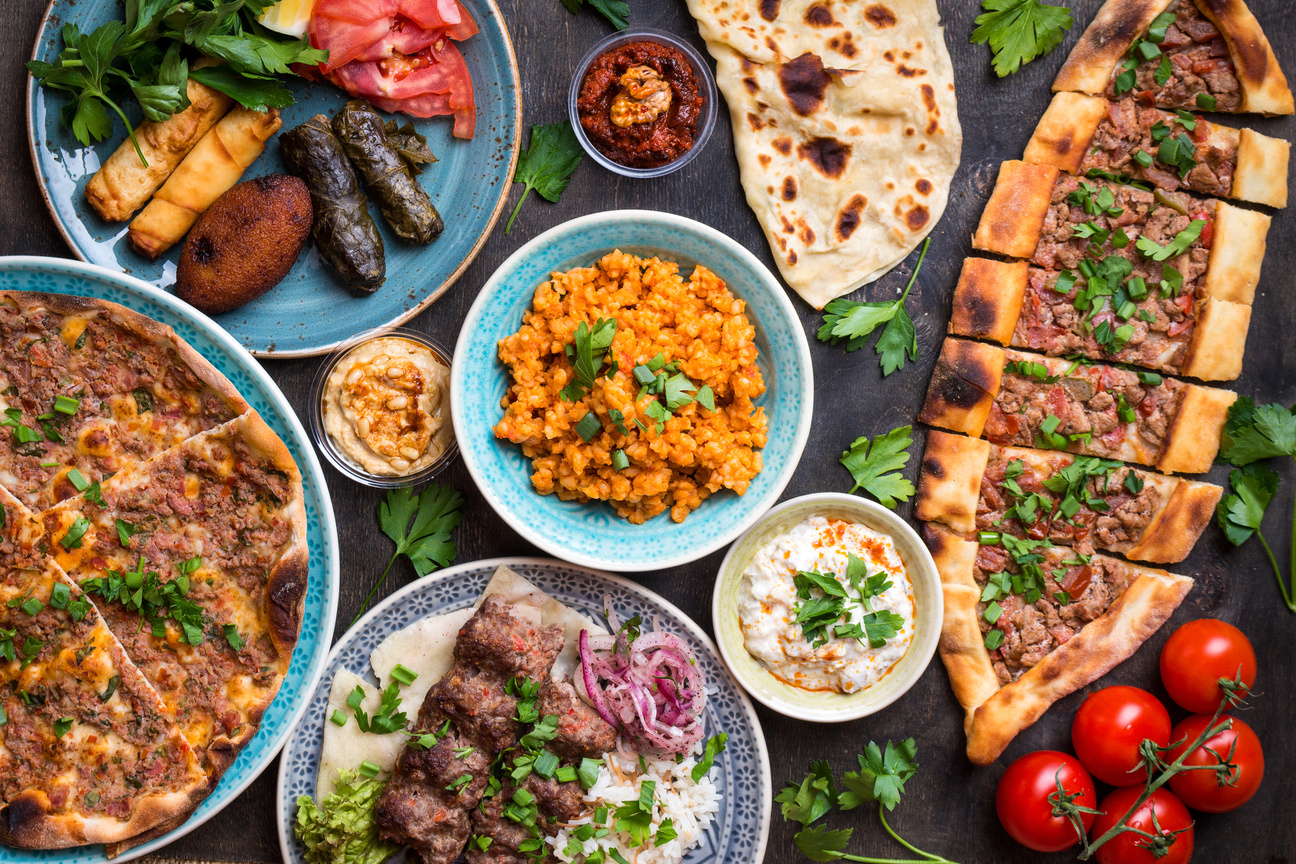
Pide, one of the most recognizable staples of Turkish cuisine, brings together ancient flatbread traditions, Ottoman baking culture and the distinctive ingredients of regions stretching from the Black Sea to Thrace and Bursa.
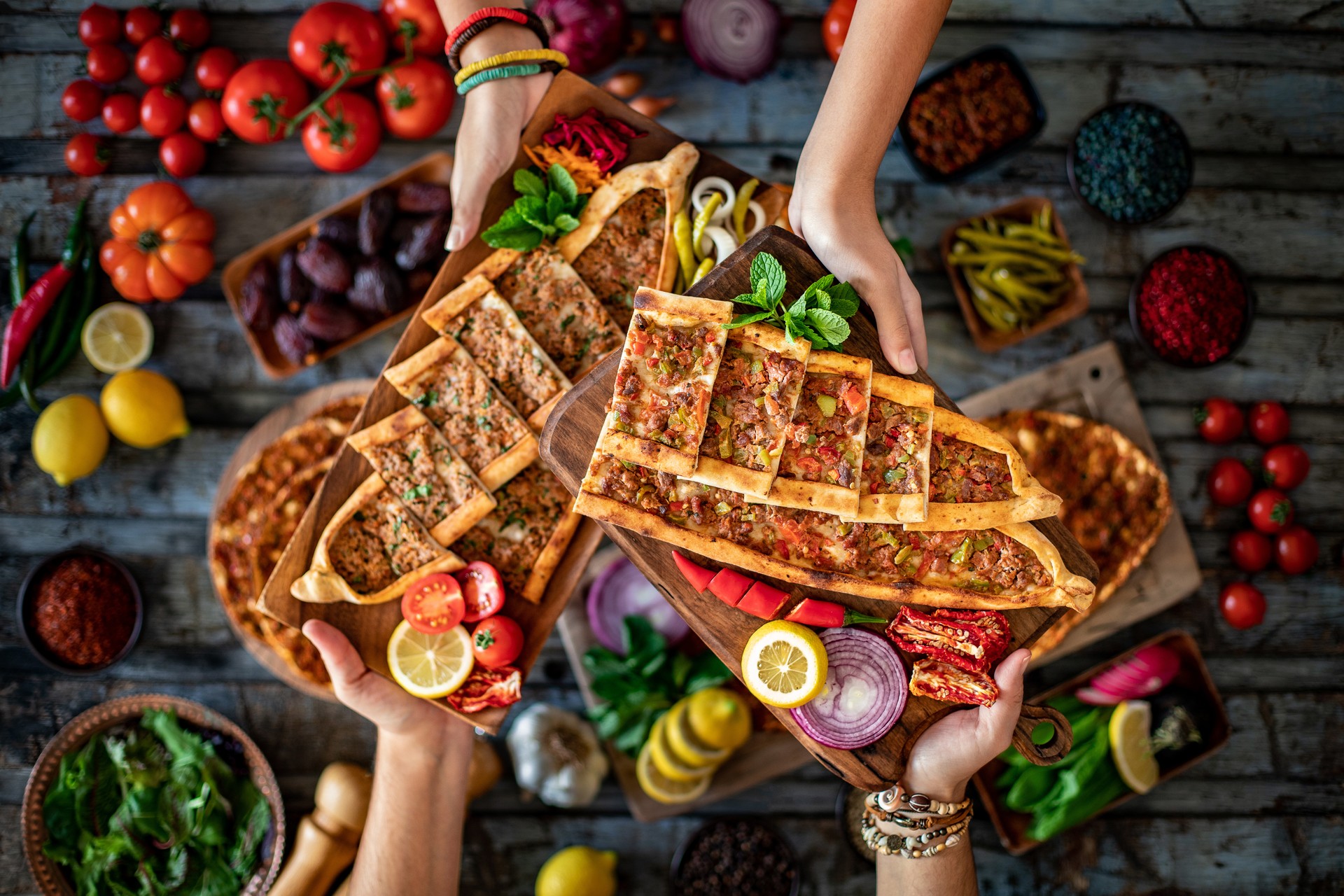
Although it is often associated with long, boat-shaped dough topped with meat or cheese, pide covers a much broader family of breads. These include the round Ramadan pide served at iftar, the crisp and enclosed Bafra pide, the cheese-filled Trabzon version and Bursa's small, circular cantik.
Together, these varieties reflect how communities across Anatolia and the former Ottoman lands adapted a basic mixture of flour, water, salt and yeast to their local products and culinary customs.
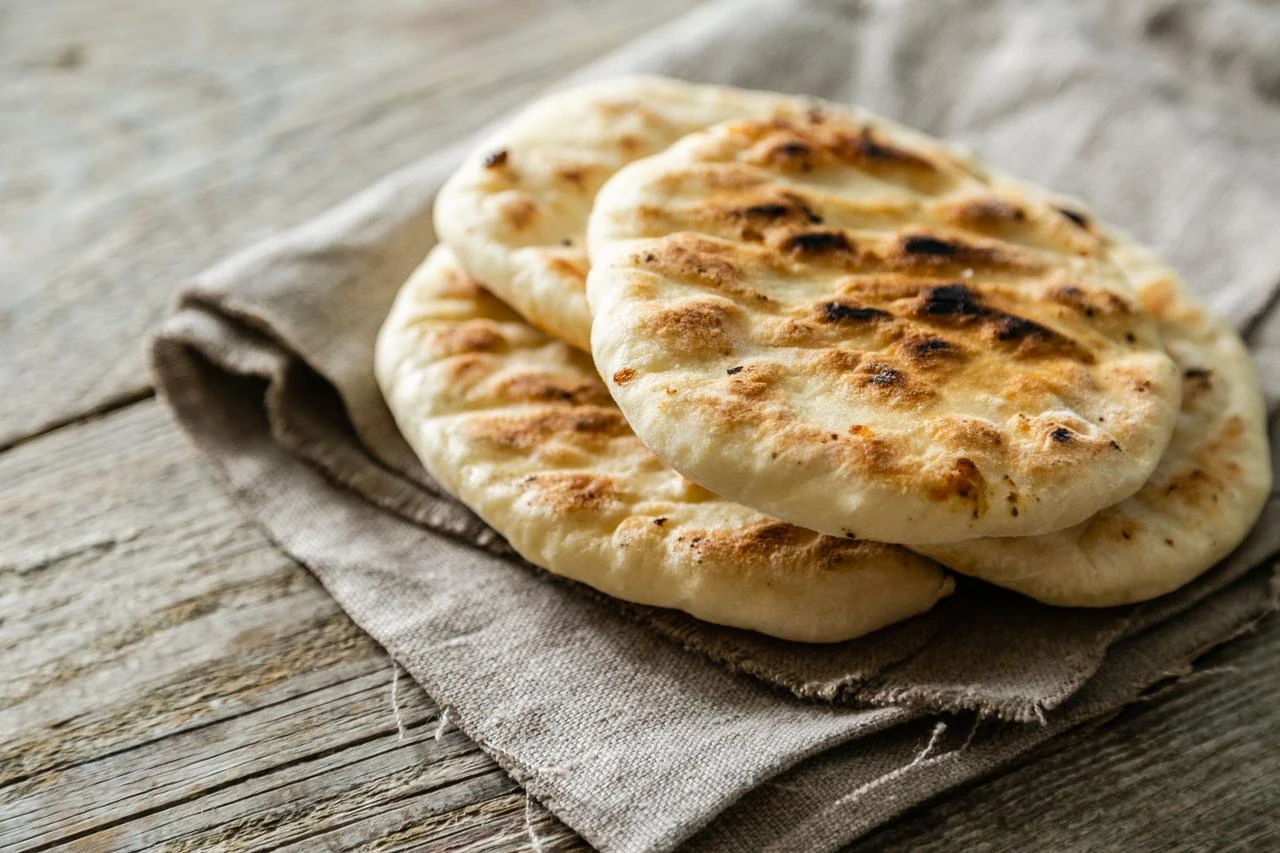

Pita, pide and pizza all developed around the Mediterranean and the Middle East, where grain cultivation and high-temperature ovens had long supported the production of flatbreads.
Pita is associated with ancient Anatolia and Levantine food traditions and is generally recognized by the pocket that forms inside the bread while it is baking. Pide took shape as a major part of Turkish and Ottoman cuisine, although similar breads may date back to earlier Anatolian civilizations.

Pizza, however, became closely associated with Italy. While its earlier forms have been linked to Roman and Etruscan flatbreads, the modern version emerged in Naples after tomatoes, brought to Europe from the Americas, were added during the 18th century.
Despite their shared foundations, the three foods eventually took on separate identities. Pita generally serves as a bread that can be filled, while pide is often baked together with meat, cheese or vegetables. Pizza developed around toppings such as tomato sauce and cheese before spreading around the world during the 20th century.
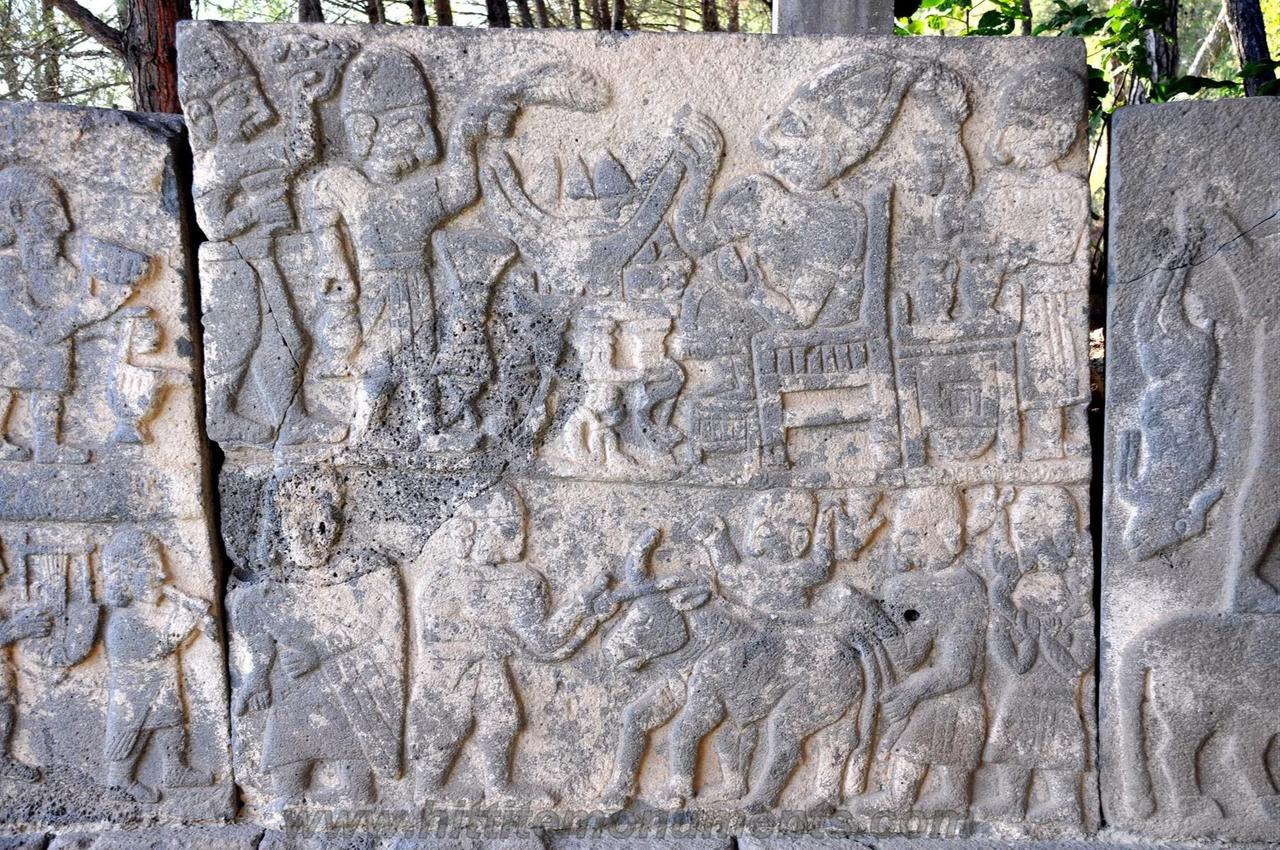
One of Anatolia's earliest-known dining scenes appears in reliefs from Karatepe, near the Aslantas Dam in southern Türkiye.
The reliefs, discovered by archaeologist Halet Cambel, depict the late Hittite ruler Asitawandas seated at a table. Archaeologist Ekrem Akurgal interpreted one part of the scene as possibly resembling raw meatballs presented with pide.
The ruler is shown holding food in one hand while reaching toward bread with the other. Attendants stand nearby with drinks and fans, while livestock is brought forward to supply meat for the royal meal.
The scene highlights how bread and meat had already come together in Anatolian dining traditions long before the Ottoman period.
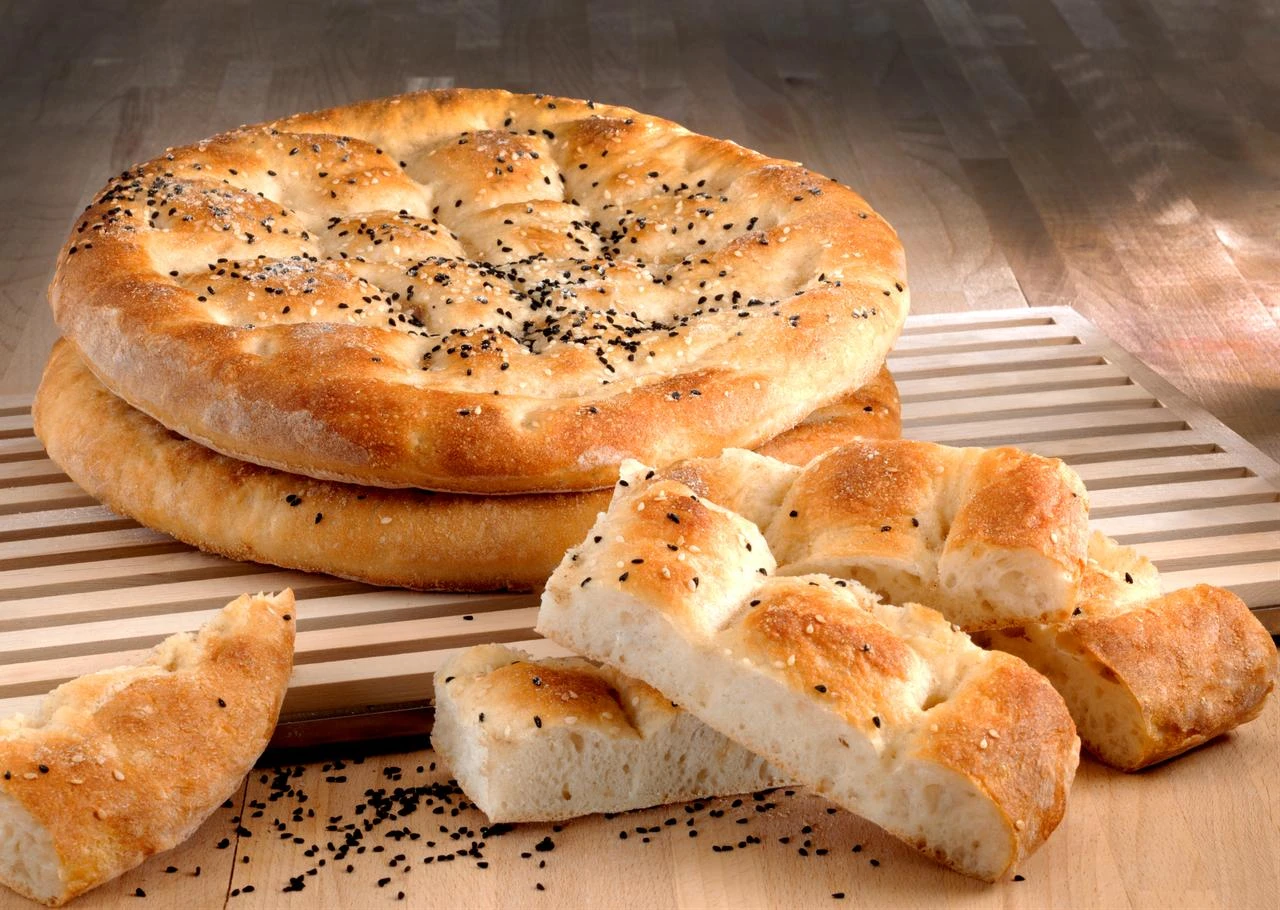
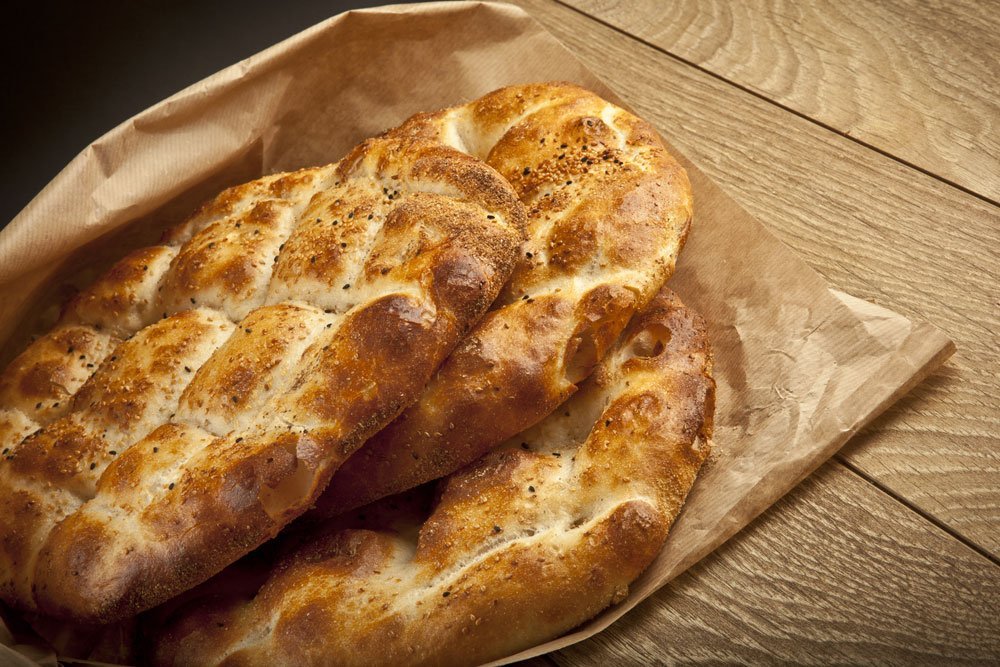
Ramadan pide is a soft, round and patterned bread topped with sesame seeds and, in some versions, nigella seeds. It became closely tied to the evening meal that breaks the daily fast during Ramadan.
Its exact origins remain uncertain, but the bread is generally linked to Ottoman baking traditions. Bakeries would step up production as sunset approached, creating queues that continue to form in many cities today.
Bread held both practical and symbolic importance in Ottoman society and was commonly regarded as a blessing. The state therefore kept close watch over its production through an official price and quality system known as narh. Bakers who sold underweight or poor-quality bread could face penalties.
Food researcher Marianna Yerasimos, drawing on Ottoman traveler Evliya Celebi's "Seyahatname," or Book of Travels, notes that the work refers to nearly 50 types of bread alongside numerous varieties of soup, rice dishes, fruit, fish and spices.
Celebi described Ramadan breads made with white flour and topped with ingredients including sesame and nigella seeds. Regional and more elaborate varieties could also include poppy seeds, anise, almonds or saffron.
In his characteristically expansive style, Celebi praised Istanbul's bakeries by writing: “This city has 999 bakeries, each one a fortress of flavor. Their bread is so delicate that one cannot bear to eat it and becomes intoxicated by its aroma.”
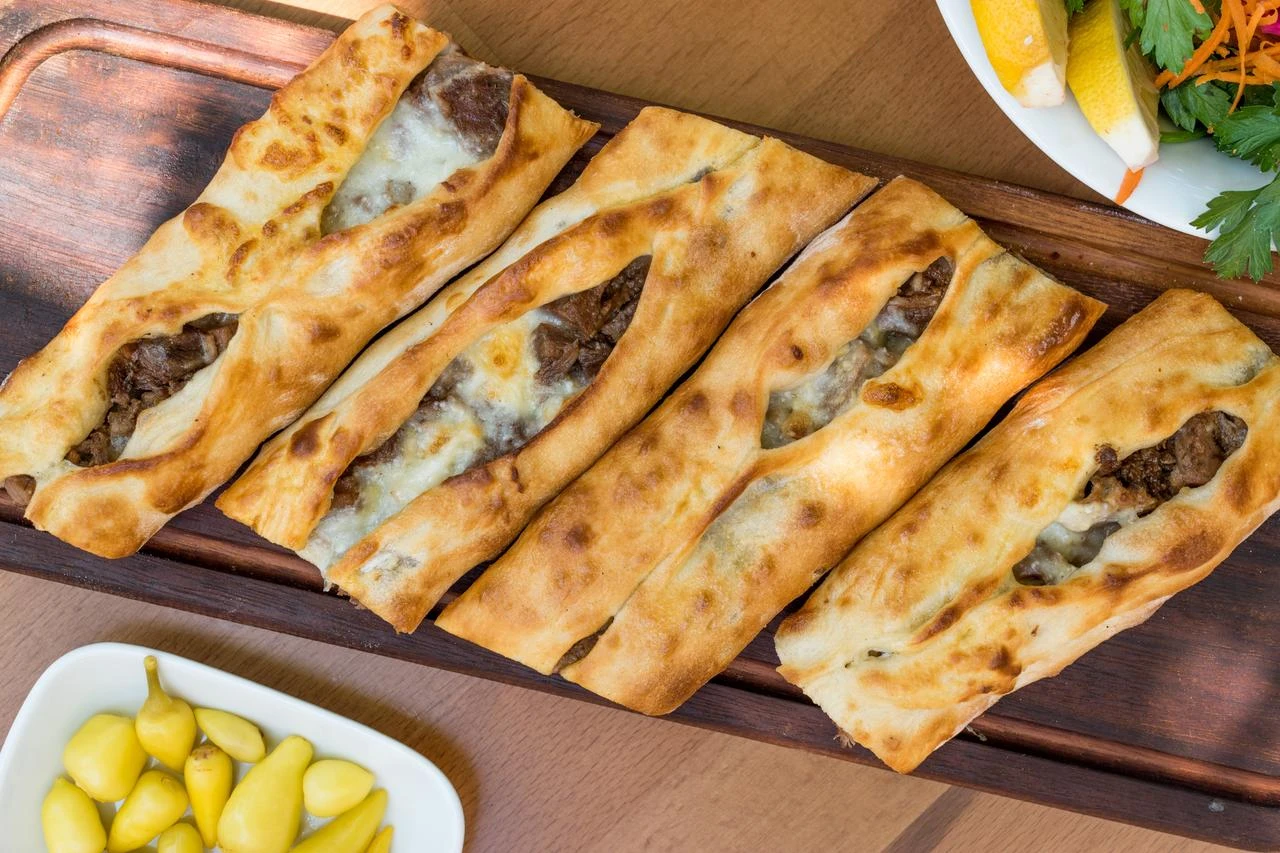
Samsun and Trabzon stand out for the diversity of their pide traditions, with individual districts developing different shapes, textures and fillings.
Bafra pide is a long, narrow and enclosed variety made with thin, crisp dough. Its filling usually combines minced meat, onion and spices, with the meat cooked before being placed inside. After baking in a stone oven, the pide is brushed with butter.
Terme pide is generally left open and uses a softer dough with generous toppings. Variations can include minced meat, diced meat, pastirma, a seasoned cured beef, or cokelek, a crumbly regional cheese.
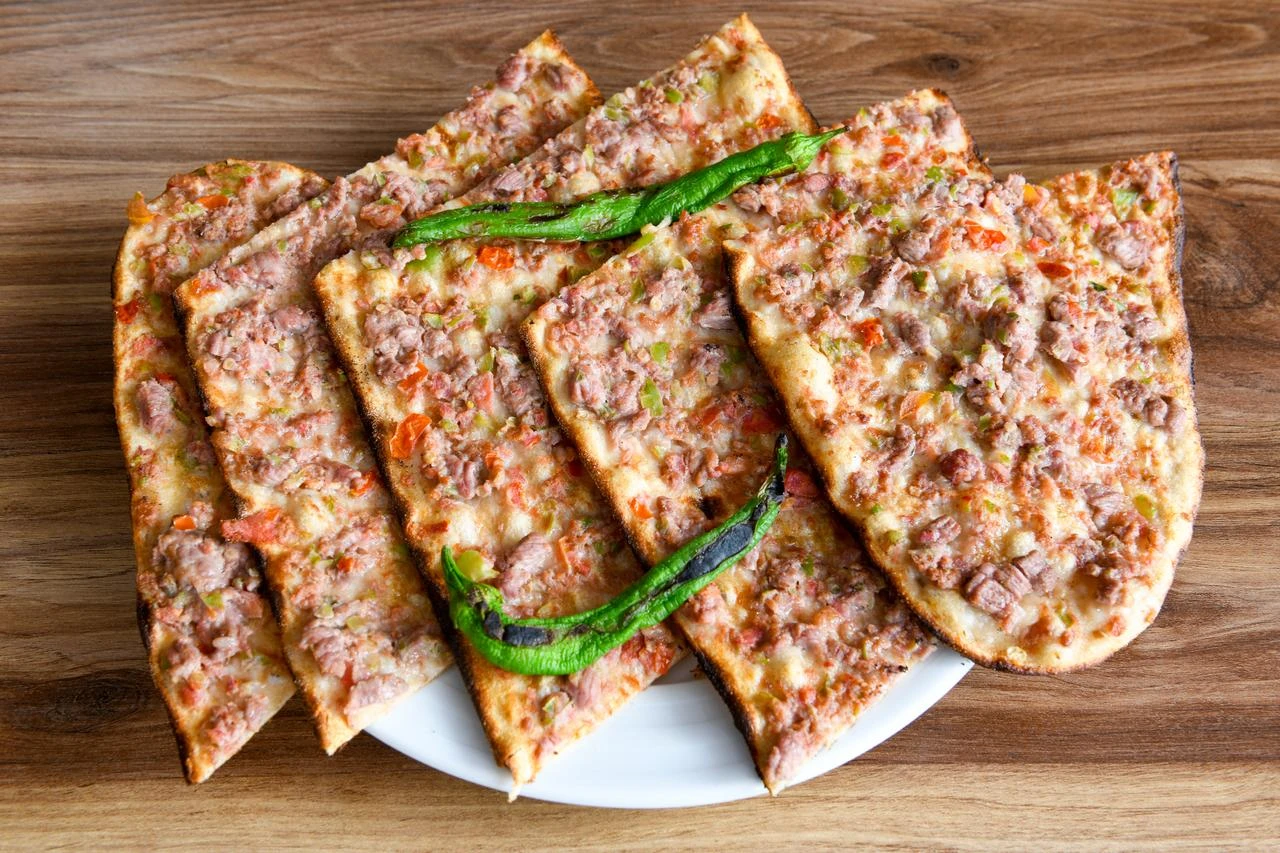
Carsamba pide is wider and thicker than the Bafra version. Its raw mixture of minced meat and onion cooks together with the dough in the oven.
Trabzon pide follows a different path. Usually round and open, it is filled with regional cheeses such as kolot, string cheese or civil cheese. An egg may be cracked over the top near the end of baking before butter is added, producing the rich flavor that has also earned it the name “yagli pide,” meaning buttery or oily pide.
In Artvin, leftover Ramadan pide is turned into a dish known as pusal. Pieces of stale pide are fried in butter, softened with molasses and sometimes cooked with egg before being topped with fresh cheese.
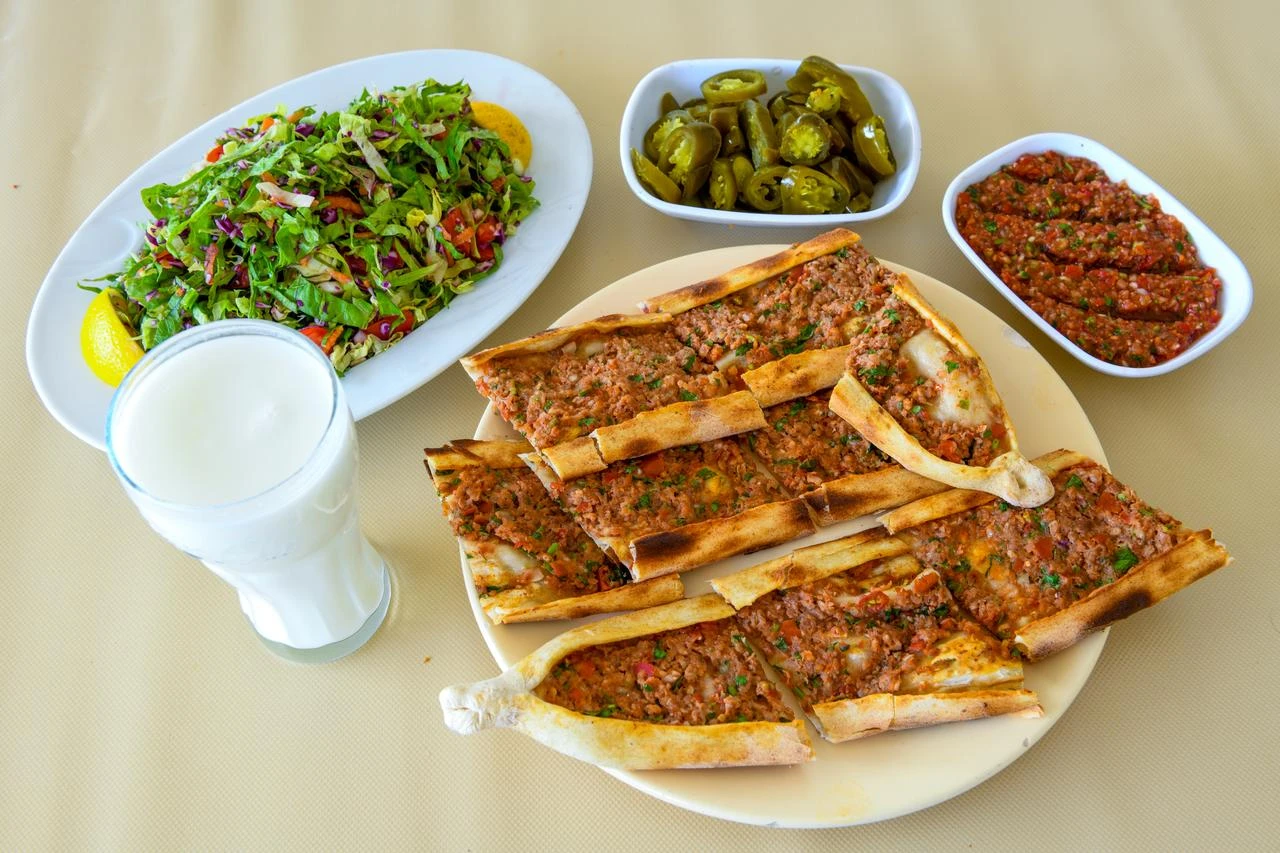
Pide culture also developed across Rumelia, the Ottoman term for its territories in southeastern Europe, and remains visible throughout the Balkans and Türkiye's Thrace region.
Open pide filled with minced meat, cheese, spinach and, in later periods, potatoes became common among Turkish and Muslim communities, particularly during Ramadan.
These breads also picked up influences from neighboring cultures. Cheese-filled varieties show similarities to Greek tiropita, while minced-meat versions run parallel to Bosnian burek.
Migration from the Balkans during the 19th and 20th centuries carried these traditions into Thrace and other parts of Anatolia. Edirne, Kirklareli and Tekirdag maintained strong baking cultures, with pide commonly served with meat or cheese and sometimes accompanied by yogurt or tomato-based sauces.
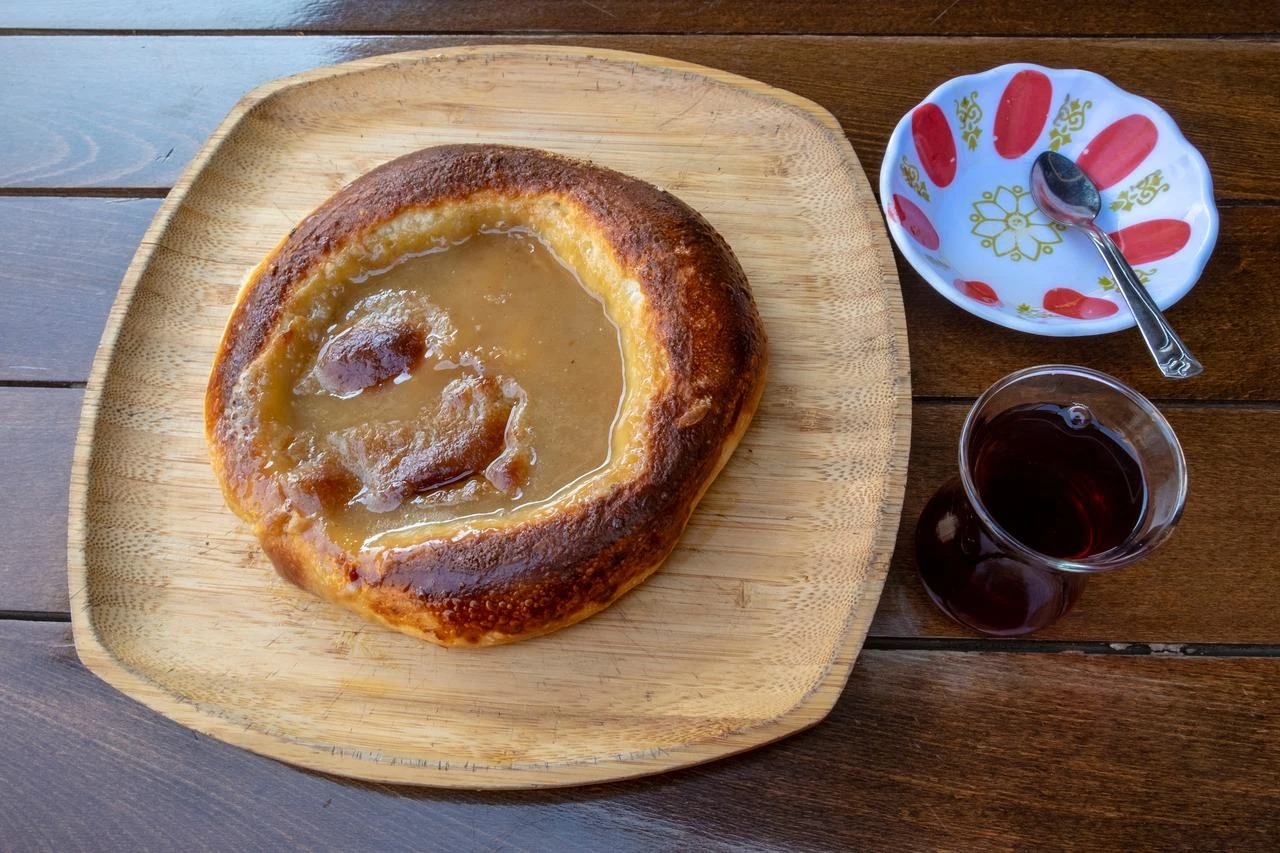
Bursa's role as an early Ottoman capital helped it build up one of Türkiye's most established bread and pide cultures.
The city's tahinli pide is made by spreading tahini over thin dough, sometimes adding sugar or walnuts, and baking it until golden. Commonly served at breakfast or with tea, Bursa tahinli pide has been registered as a geographically indicated product.
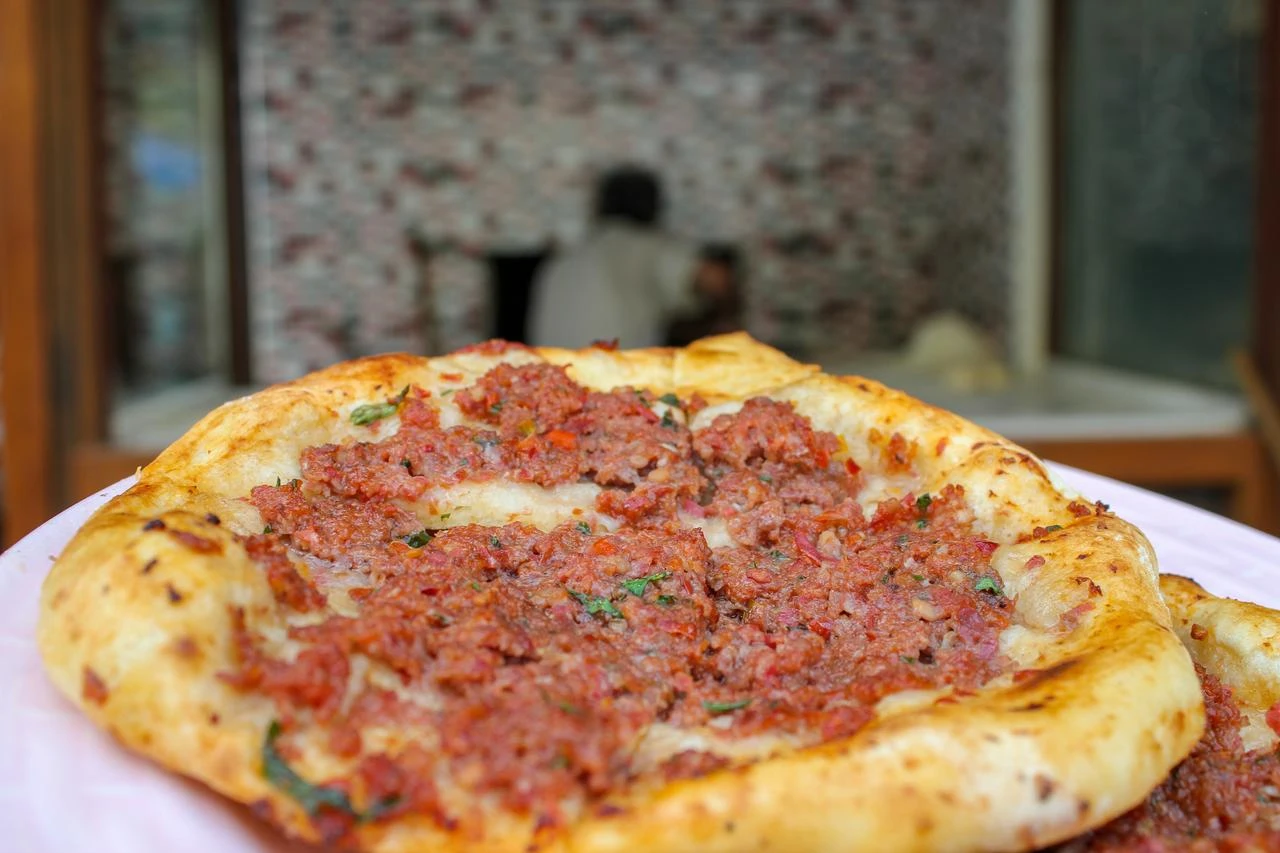
Bursa is also known for cantik, a small, round pide with a raised rim and a shallow center filled with minced meat, onion and spices. Traditionally baked in a wood-fired stone oven, it is brushed with butter immediately after being taken out and served hot, sometimes with yogurt or a tomato-based sauce.
Other local varieties show how pide continues to change across Anatolia. Kastamonu prepares a long and thin pide topped with pastirma, while Izmit's mancarli pide uses leafy greens such as chard or spinach.


 Set as preferred source
 Set as preferred source


 1 min read
 1 min read


