Newsletters


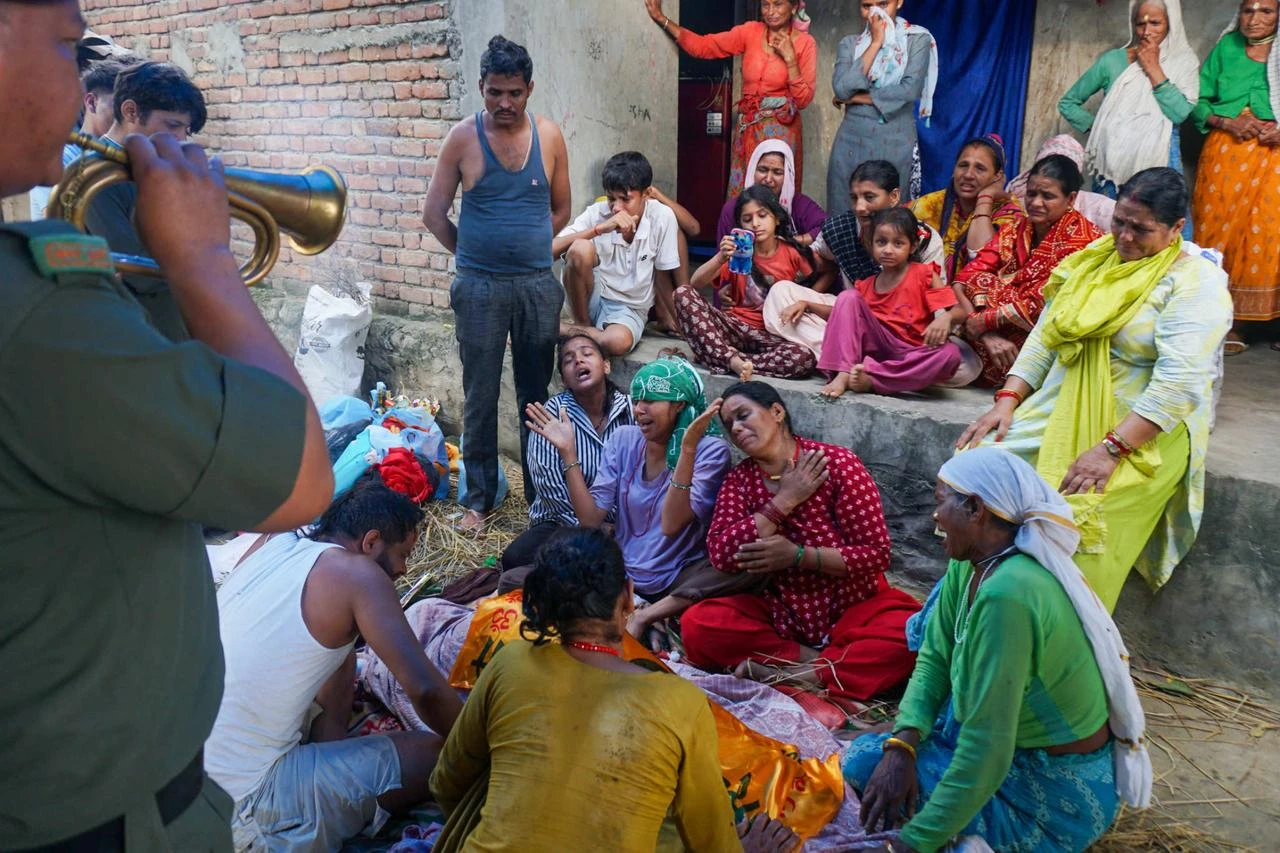


Portable deep freezers are serving an unexpected purpose in rural Nepal, preserving the bodies of deceased parents so their migrant children can travel back from overseas to perform traditional funeral rites.
This practice has emerged as millions of young adults leave the country for jobs thousands of miles away in Malaysia, Japan, neighboring India, and the Gulf states, leaving behind an increasingly isolated, aging generation
According to Hindu tradition in Nepal, a body should be cremated shortly after death, with sons expected to perform the sacred final rites before and during the cremation.
However, accommodating the reality of a global workforce means families must wait; migrant laborers often need several days to secure emergency leave, book international flights, and navigate the difficult journeys back to remote mountain villages.
Four years ago, Gunakhar Kandel left his village in western Nepal to work in Japan. Throughout his time away, he remained deeply anxious that his elderly father might pass away while he and his two brothers were abroad.
To prepare for the worst, the brothers purchased a portable deep freezer specifically to preserve their father's body until they could return.
Tragedy struck when their father, 73-year-old Chudamani Kandel, died after accidentally falling from the balcony of an unfinished house at night. Despite the brothers having the freezer ready, relatives locally decided not to delay the cremation, and the funeral proceeded before the sons could make it back to Nepal. As a result, all three brothers missed the opportunity to see their father one last time.
Determined to prevent their loss from being entirely in vain, they donated the freezer to the village health office in Kadebas, ensuring other families separated by migration would not have to endure the same heartbreak.
"We are happy to see this," Kandel remarked, noting that the equipment is now regularly used to preserve deceased parents until their overseas sons can return.
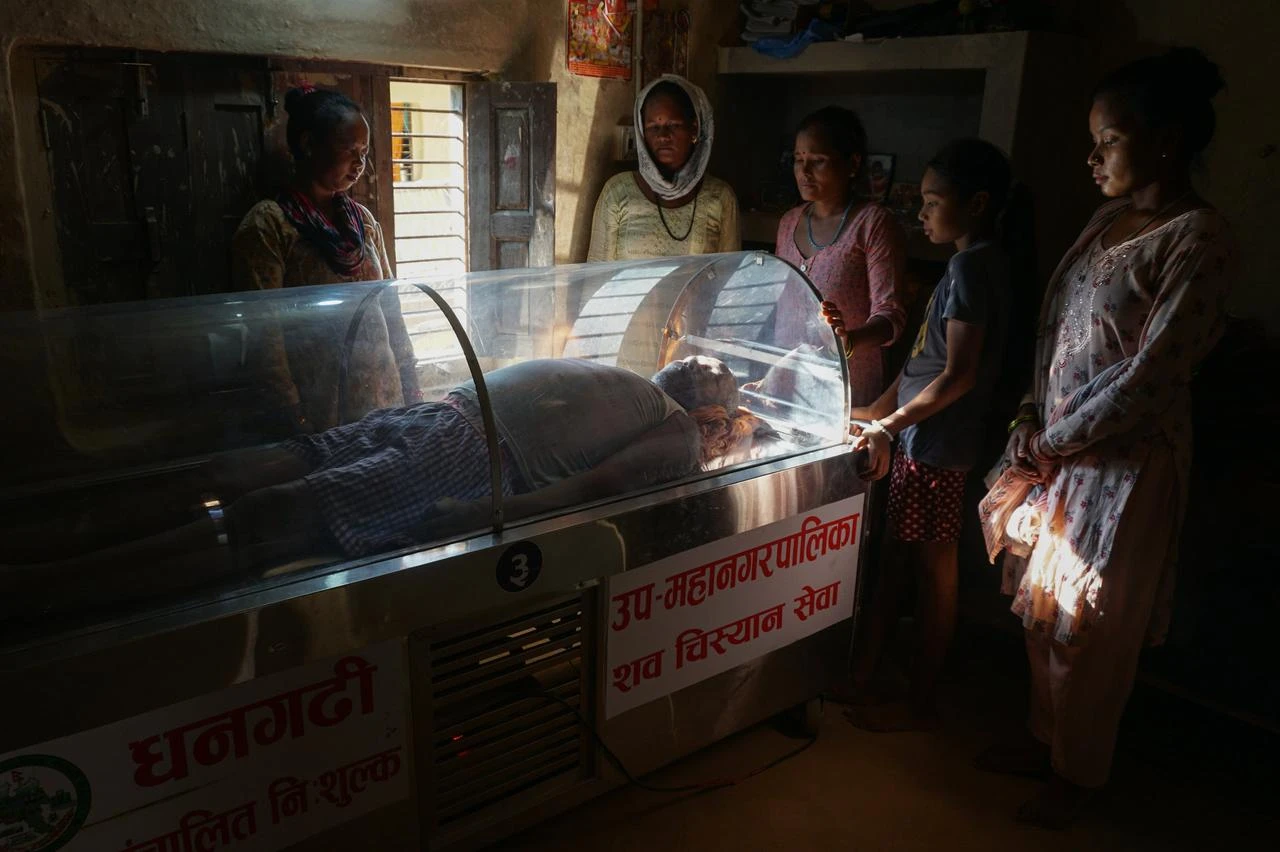

Pratikshya Lamtange, a health assistant at the Kadebas health office, said the freezer had been used to preserve 15 bodies over the past three years.
Families from surrounding villages transport the deceased to the facility and keep the body there until relatives working overseas arrive, she said, explaining that the freezer can hold off decomposition for several days.
The initiative has since caught on in other parts of Nepal.
A mothers' group in the northeastern village of Hatiya donated another portable freezer to its local health office, where it is used when migrant workers cannot immediately return following the death of a relative.
Shuklaphanta Municipality in Nepal's far west has also purchased a freezer.
Mayor Ran Bahadur Mahara said the growing number of working-age residents living abroad had made such equipment increasingly necessary.
"Having at least a freezer has become the need of the hour," he said.
The municipality is also bringing in a funeral vehicle from India to make the process easier for migrant families.
Every day, more than 2,000 young Nepalis leave the country for employment—mainly heading to Malaysia and the Gulf states—as scarce local job opportunities drive workers abroad.
During Nepal's 2023–24 fiscal year alone, over 741,000 workers secured foreign employment permits, contributing to an estimated 2 million Nepalis currently working overseas. This figure excludes the tens of thousands who migrate for seasonal labor in neighboring India.
For Nepal, a landlocked South Asian country with a population of about 29.5 million, overseas labor has become a central part of the economy.
The country received roughly $11 billion in remittances in 2024, equal to more than a quarter of its gross domestic product.
While this income has helped many rural households move out of poverty, migration has also changed how families deal with death, leaving some dependent on portable freezers to hold on until loved ones can return for a final goodbye.


 Set as preferred source
 Set as preferred source




 6 min read