Newsletters


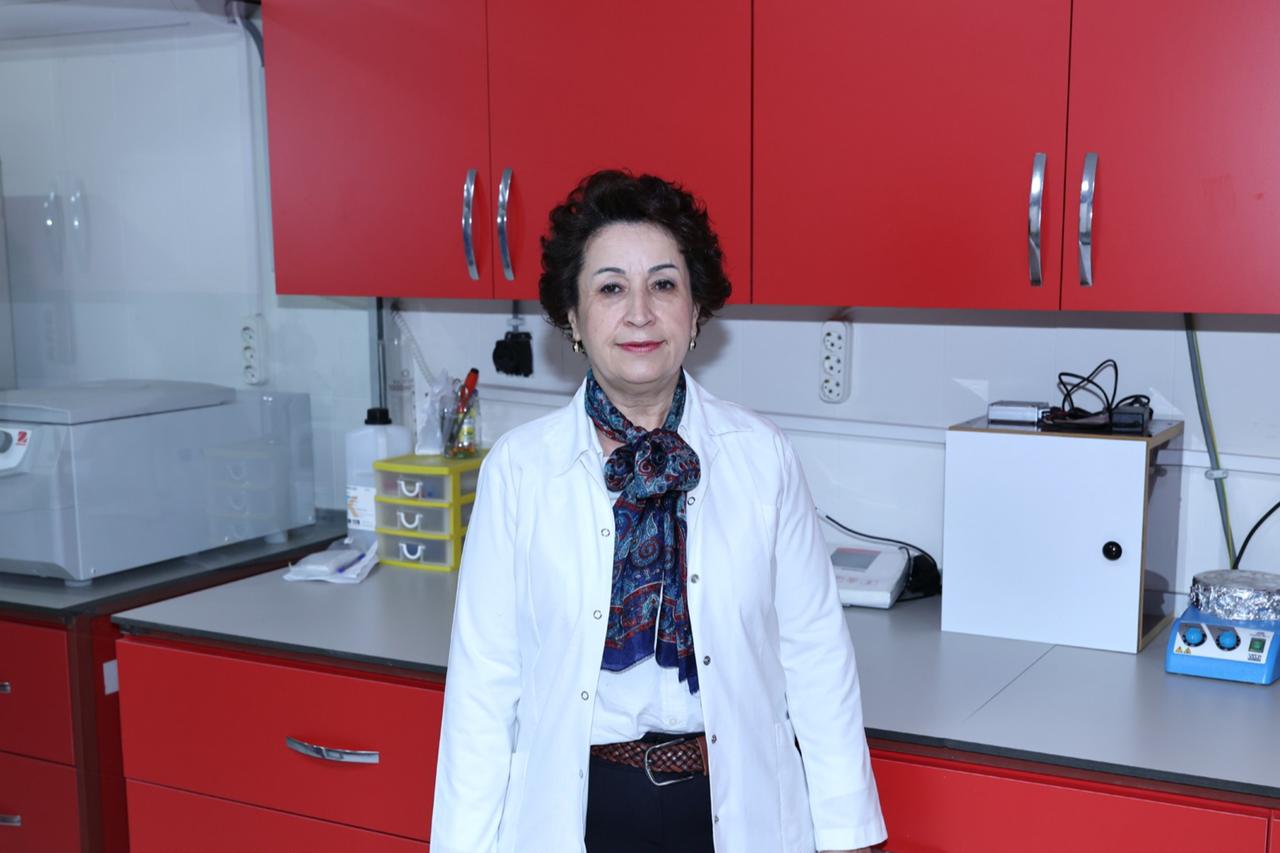


Agricultural by-products from snack pumpkin production in Türkiye are being lined up to be turned into natural extracts for the health and cosmetics sectors, under a new research project led by Professor Birgul Ozdemir, director of Institute of Science at Mersin University.
The project, prepared under Ozdemir’s leadership at Mersin University’s Faculty of Science, Department of Biology, has been selected for support within the TUBITAK (The Scientific and Technological Research Council of Türkiye) 1002 Rapid Support Program. In this context, it aims to recover materials that are typically left behind during the production of snack pumpkin (Cucurbita pepo cv. Cerceveli), especially pumpkin peel and seed shells that are commonly treated as waste.
The study is titled: “Evaluating the Antioxidant and Anti-Aging Properties of Snack Pumpkin Seed and By-Product Extracts Obtained Using Natural Deep Eutectic Solvents,” and it is set up to transform these by-products into bioactive compounds through environmentally friendly methods.

According to the project outline, the work is built around three connected targets. First, it sets out to bring pumpkin peel and seed shells back into the economy rather than letting them be discarded.
Second, it plans to develop extraction technologies using Natural Deep Eutectic Solvents, with the aim of cutting down on conventional chemical use.
Third, it aims to scientifically verify the antioxidant and anti-aging properties of the resulting natural extracts so they can be positioned as raw material for health and cosmetic applications.
Ozdemir linked the project to the growing importance of “Zero Waste,” explaining that large portions of agricultural by-products are still left in nature without being used, even though many contain natural components considered valuable for human health. She also pointed to field observations suggesting that while pumpkin seeds are typically used, much of the remaining material is left in the field or destroyed, which she said creates both an environmental problem and a loss of potential economic value.
She contrasted conventional extraction approaches, which often rely on solvents such as methanol or ethanol, with Natural Deep Eutectic Solvents. In the project description, these solvents are presented as mixtures based on plant-derived sugars, organic acids, and other natural components, with the key advantage being that they rely on biodegradable substances rather than harmful chemicals. The text also notes that, because this approach is designed to reduce the risk of chemical residues, the resulting extracts may be better suited for areas that come into direct contact with people, such as cosmetics and food.
Ozdemir said the team expects that, if the research reaches its goals, compounds obtained from pumpkin peel and seed shells could open up a new raw-material source for the health and cosmetics sectors.
The project text links the expected impact to antioxidant and anti-aging activity, suggesting that when used in products such as creams and serums, these natural extracts could help protect skin against the harmful effects of free radicals, support skin elasticity, and contribute to reducing signs associated with aging.
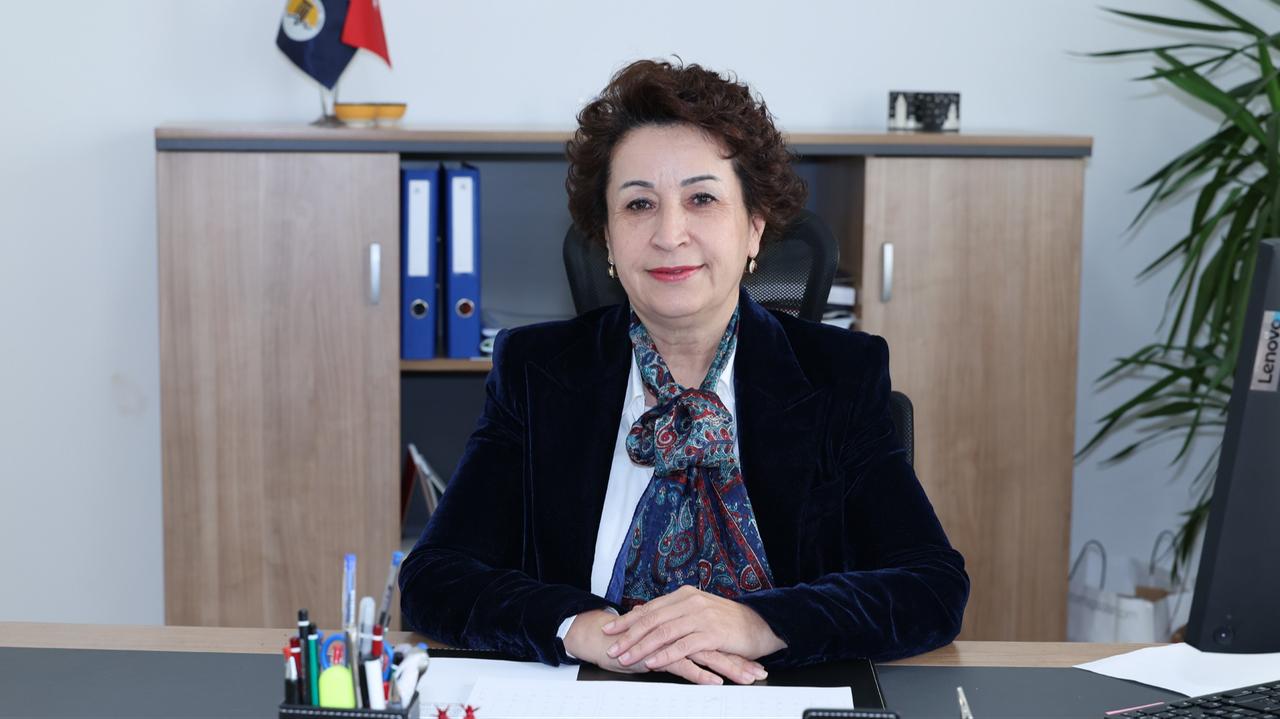
Ozdemir described the current phase as laboratory work intended to produce natural compounds and examine their properties and biological effects. The text adds that, once scientific data are obtained, suitable formulations could be developed and findings could be moved over into industrial applications.
In that framing, the project is presented as an initial step toward university–industry cooperation, with potential follow-on stages involving sharing results with companies focused on local and natural raw materials and pursuing joint R&D through new projects.
Ozdemir also described the study as a concrete scientific example aligned with Mersin University’s sustainability and Zero Waste vision, and as a model showing how universities can help come up with solutions to environmental problems. At the national level, she argued that demonstrating how agricultural by-products can be turned into higher-value products could provide scientific grounding for Zero Waste policy and help shift perception so that farming by-products are treated as economic resources rather than “waste.”
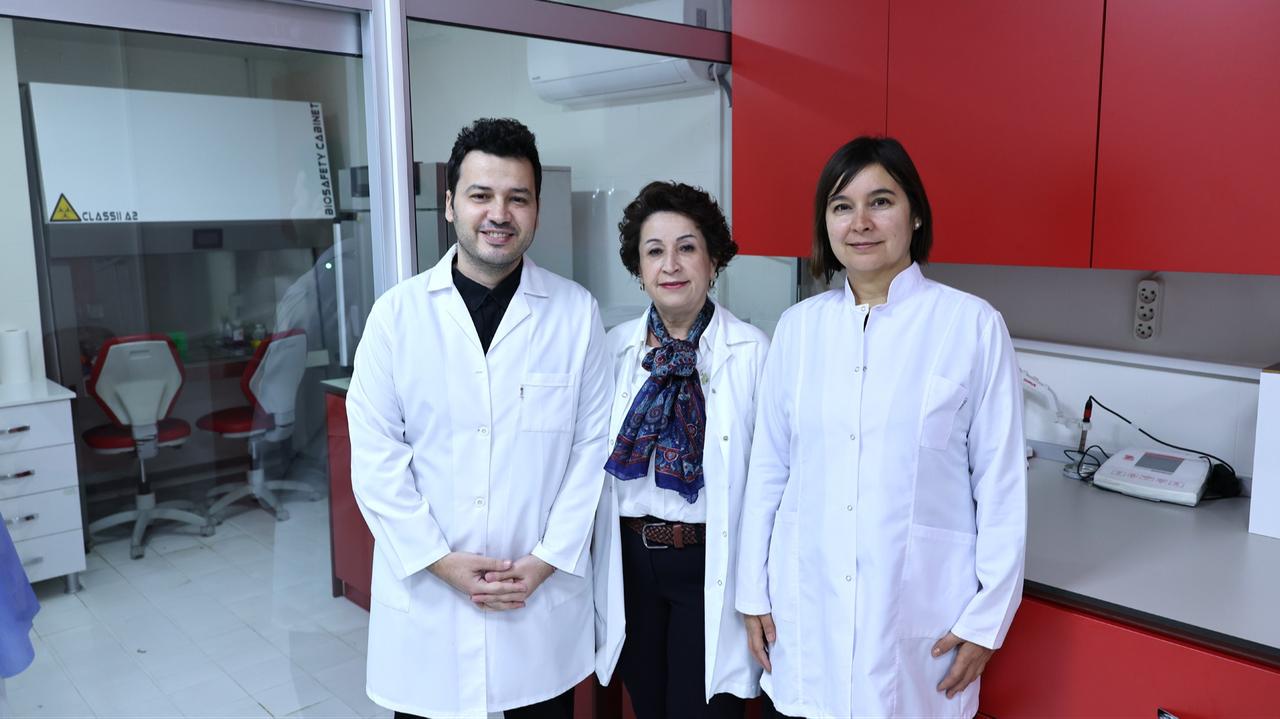
Ozdemir thanked the research team members listed in the text: Assoc. Professor Fazilet Ozlem Cekic Albayrak, PhD student and research assistant Ahmet Dogan, and research assistant Firat Cinar. She also thanked TUBITAK for financial support and Rector Professor Erol Yasar for backing scientific work at the university.


 Set as preferred source
 Set as preferred source


 2 min read