Newsletters


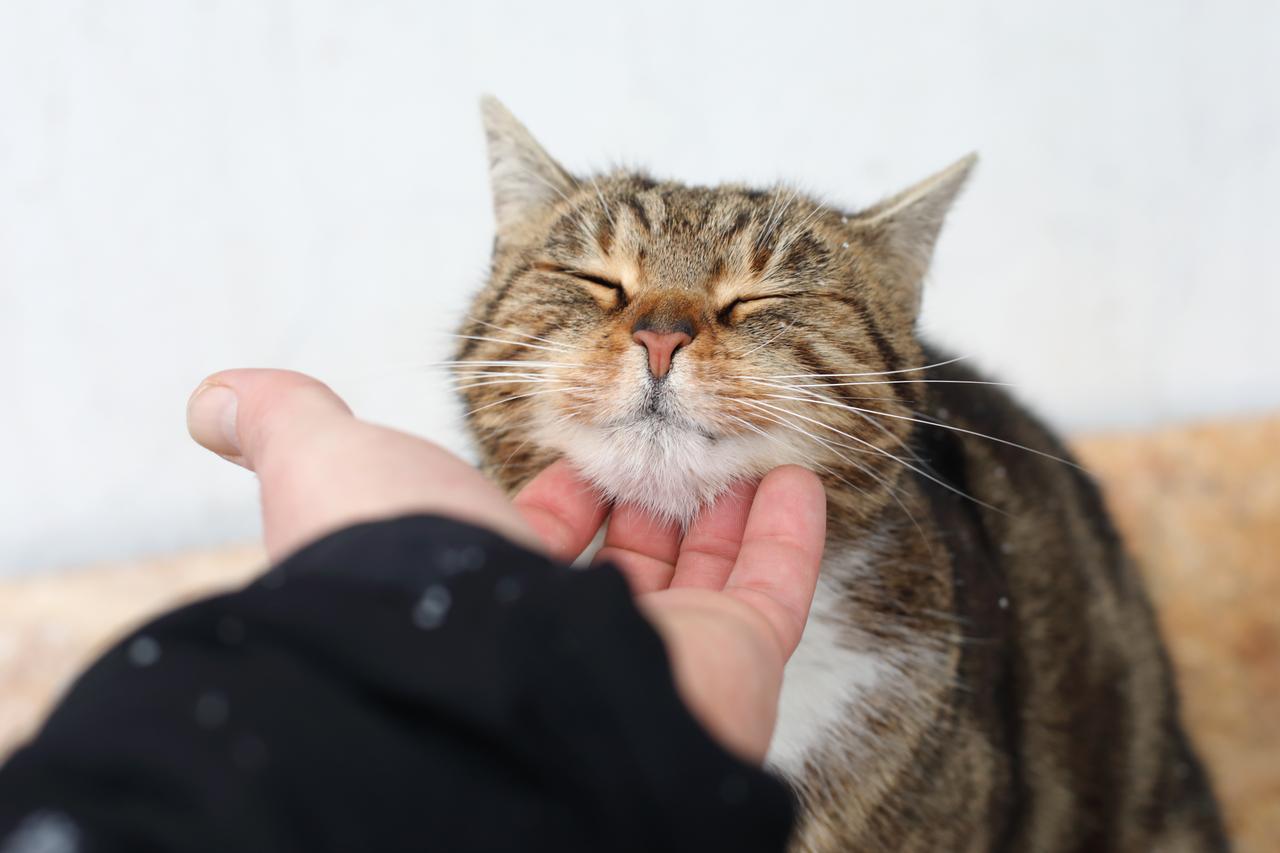


Scientists from Germany and Italy have found that the purring of domestic cats conveys individual identity more reliably than meowing, according to a study published in the journal Scientific Reports.
The findings offer new insights into how domestication has influenced the vocal behavior of one of the world’s most common companion animals.
The research was conducted by scientists from the Natural History Museum in Berlin and the University of Naples “Federico II.”
The team used recordings from the Berlin museum’s sound archive and applied methods typically used in automatic speech recognition to analyze the acoustic structure of cat vocalizations.
By examining both purring and meowing, the researchers sought to determine which sounds contain more stable, individual-specific information.
A computer-based system analyzed the recordings and attempted to identify which cat produced each sound based on its acoustic features.
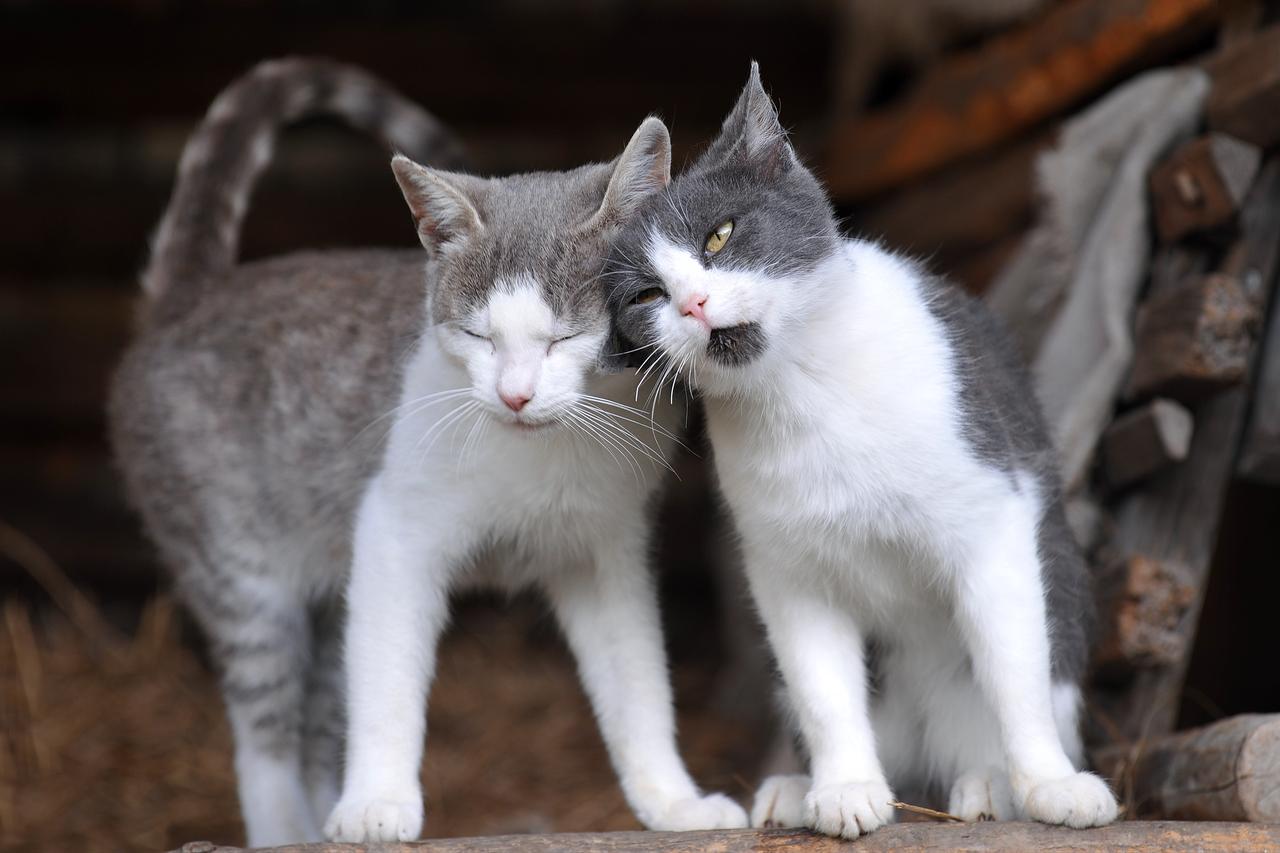

The results showed that purring preserves consistent individual characteristics, even when factors such as loudness and timbre vary.
This stability allows purring to function as a reliable acoustic signature, making it easier to recognize individual cats across different contexts.
According to the researchers, this suggests that purring plays an important role in calm social interactions, potentially helping cats recognize one another in close or familiar settings.
In contrast, meowing was found to be highly variable. The structure and intonation of meows changed significantly depending on the situation, such as whether a cat was seeking food, attention, or expressing dissatisfaction.
Scientists note that this flexibility reflects the role of meowing as a communication tool primarily directed at humans.
 2 min read

To better understand the influence of domestication, the researchers compared the meowing of domestic cats with vocalizations from five species of wild cats, including wildcats, cheetahs, and pumas.
Domestic cats showed significantly greater variability in their meows than their wild counterparts.
The authors suggest that living alongside humans, responding to human behavior, and navigating complex social environments have favored cats capable of adapting their vocal signals to different situations.


 Set as preferred source
 Set as preferred source



 1 min read