Newsletters


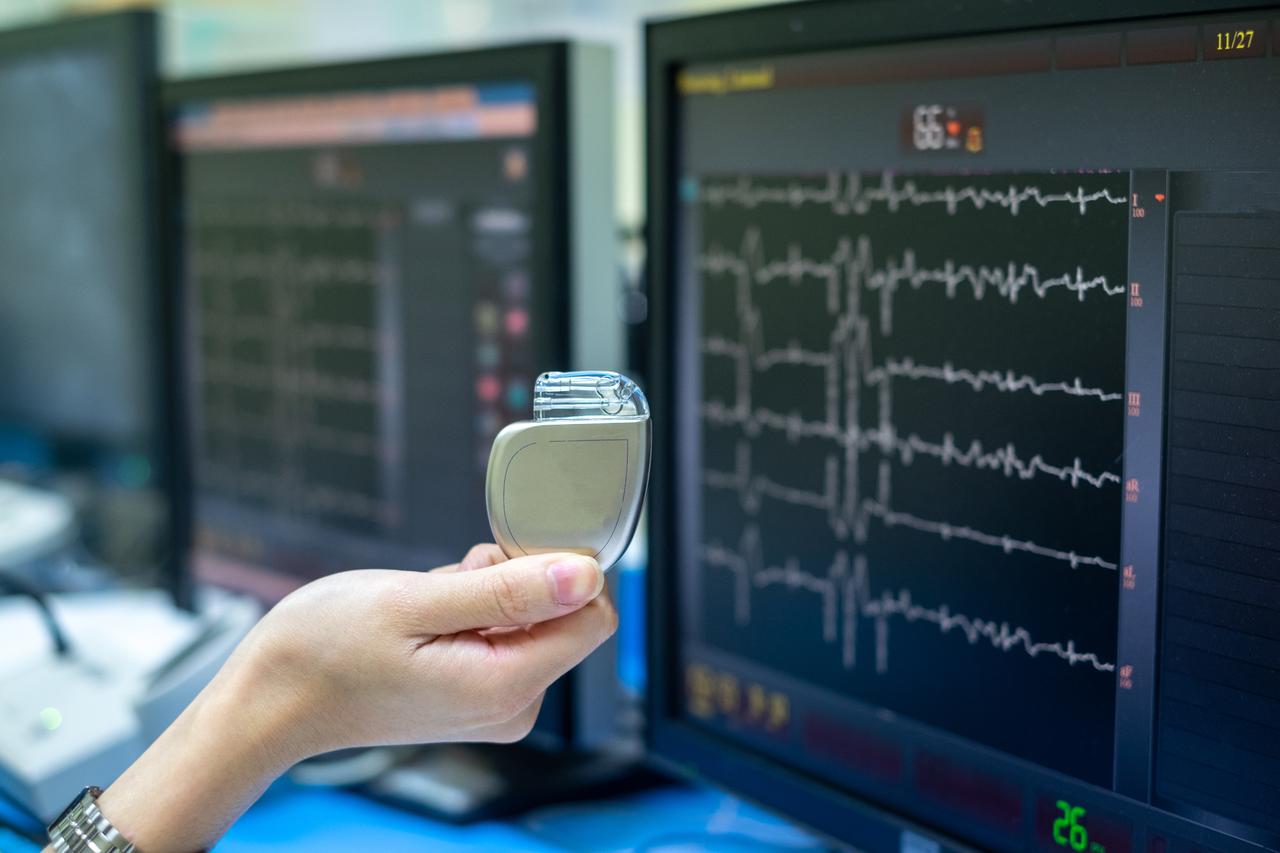


A new three-year research project aims to harvest radio-frequency (RF) energy externally, with the goal of reducing battery-replacement surgeries for patients with critical implants.
Pacemaker users typically require periodic battery replacements. Delaying replacement can raise health risks, while undergoing surgery carries its own costs and complications. A Turkish–Slovak research team says it is working to reduce this burden through a newly funded, three-year initiative.
The project, titled "Development of Biocompatible Nanocomposites for Next-Generation RF Energy Harvesters" (BioNanoHarv), received support from the 2025 TUBITAK–Slovak Academy of Sciences (SAS) 2540 Bilateral Cooperation Support Program. Yildiz Technical University (YTU) in Istanbul noted that BioNanoHarv is one of three projects selected this cycle to enhance scientific collaboration between Türkiye and Slovakia.
The research involves embedding a specialized receiver in the implant to capture external radio waves and convert them into electrical power. Rather than relying only on a conventional battery, the device would continuously draw energy from its environment, similar to a wireless charger designed for biomedical use. Researchers will develop biocompatible polymer nanocomposites, such as PCL/TPU, and use 3D printing to ensure safe integration with the human body.
Peyman Mahouti, project lead at YTU's Faculty of Electrical and Electronics Engineering, stated that the goal is to enable "systems such as pacemakers, biosensors, and other implant devices" to receive wireless power from outside the body. He added that the project aims to support a broad range of implantable devices that currently depend on batteries and require repeated surgical replacements.
The 36-month project allocates tasks according to national expertise. The Turkish team at YTU will lead nanocomposite design, additive manufacturing, microwave engineering, and AI-assisted optimization. The Slovak team, led by Juraj Kronek of SAS, will develop antibacterial surface coatings compatible with human tissue and conduct in vitro biological safety tests.
BioNanoHarv has a total budget of €185,000 (approximately $217,000), with €65,000 from TUBITAK and €120,000 from SAS. If successful, this approach could benefit pacemakers, biosensors, neurostimulators, and other implants currently limited by battery life. It may reduce surgeries for patients and lower long-term healthcare costs.
Researchers at Yildiz Technical University and the Slovak Academy of Sciences are developing a 3D-printed nanocomposite receiver that sits inside an implant and captures radio waves from outside the body to generate power without a conventional battery.


 Set as preferred source
 Set as preferred source


 2 min read