Newsletters


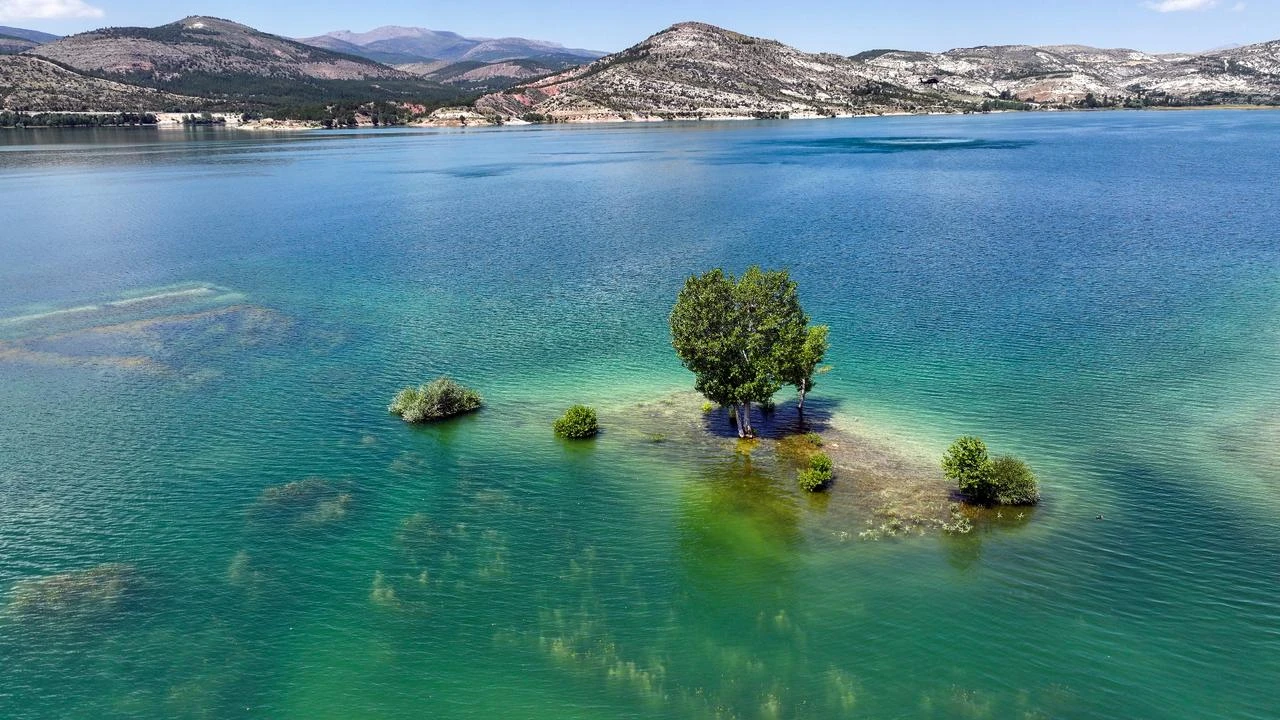
Following a severe drought that gripped the Konya region last year, increased rainfall throughout the autumn, winter and spring seasons has brought a dramatic recovery to the water levels of dams across the Konya Closed Basin, offering renewed hope to farmers and researchers alike.
At Bozkir Dam, one of the region's largest reservoirs, water volume climbed from just 22.49 million cubic meters in July of last year to 151.81 million cubic meters this July, marking one of the most significant increases recorded across the basin.
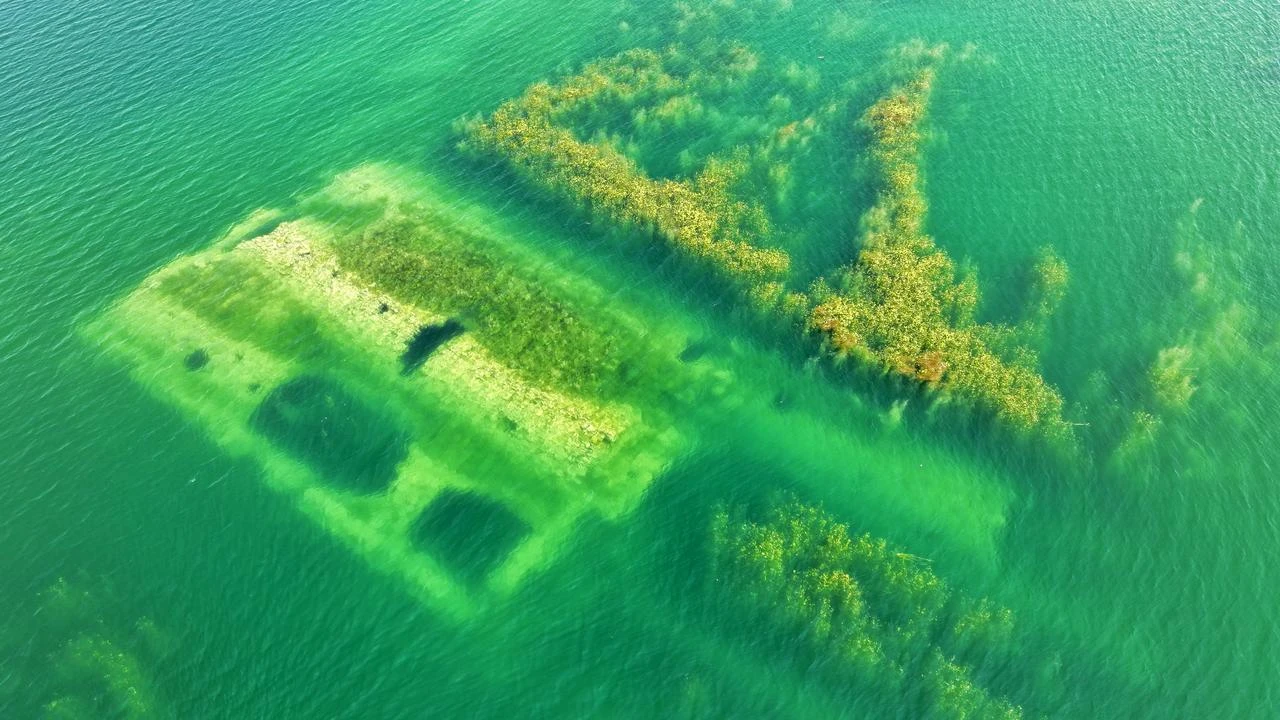
Apa Dam saw its water levels rise sharply as well, growing from a mere 1.66 million cubic meters last year to 23.02 million cubic meters this year, a change that reflects the scale of rainfall the region received over the past several months.
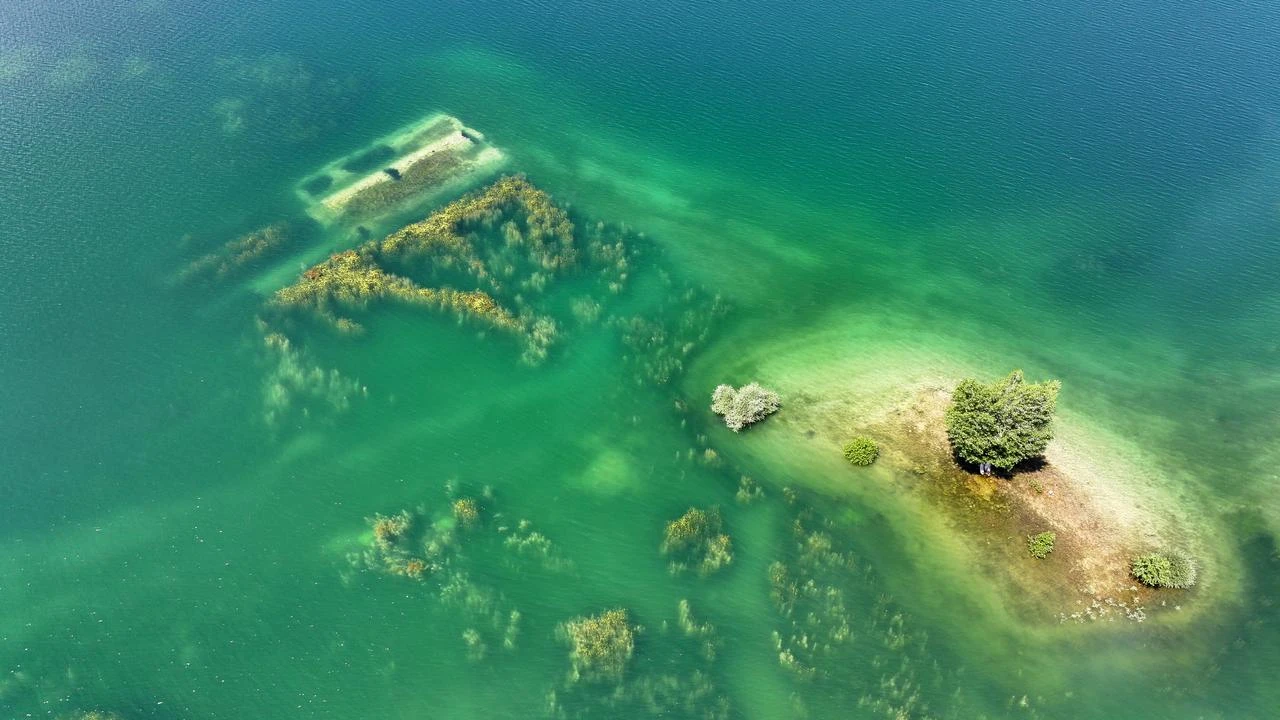
In the smaller Derebucak Dam, water levels nearly doubled, increasing from 5.58 million cubic meters to 9.42 million cubic meters, proof that even modest reservoirs benefited from the season's heavier precipitation.
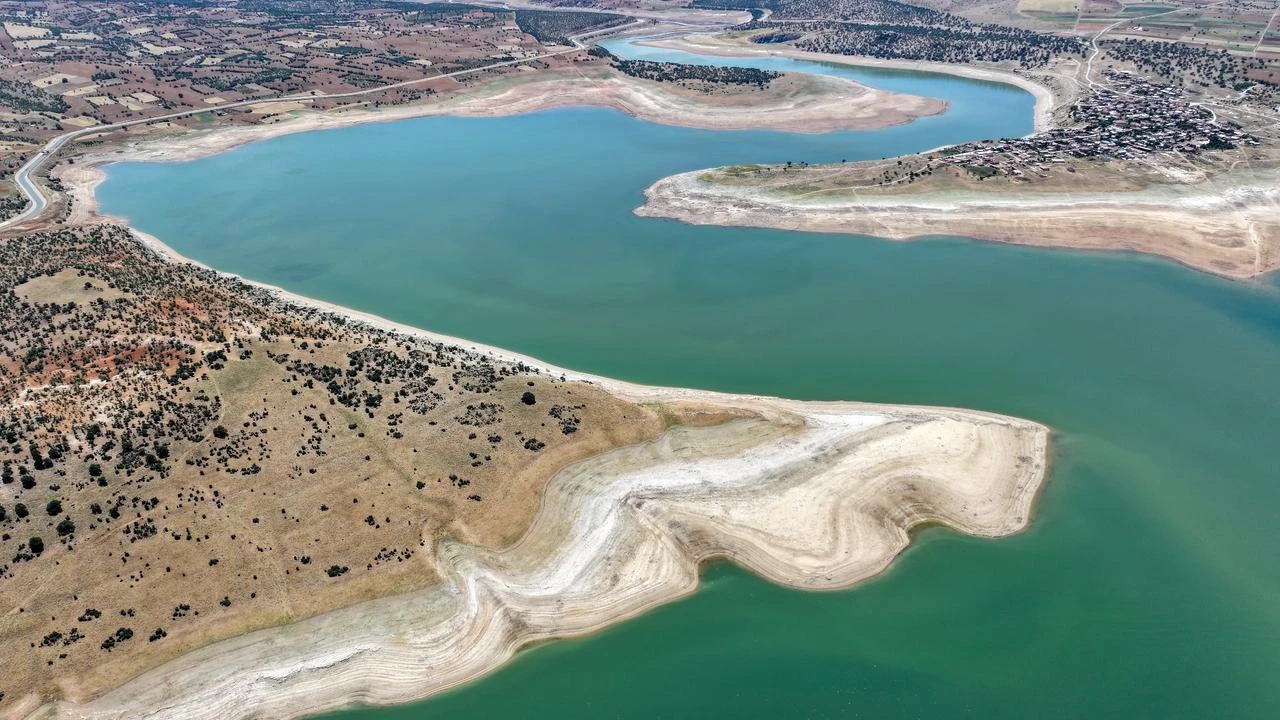
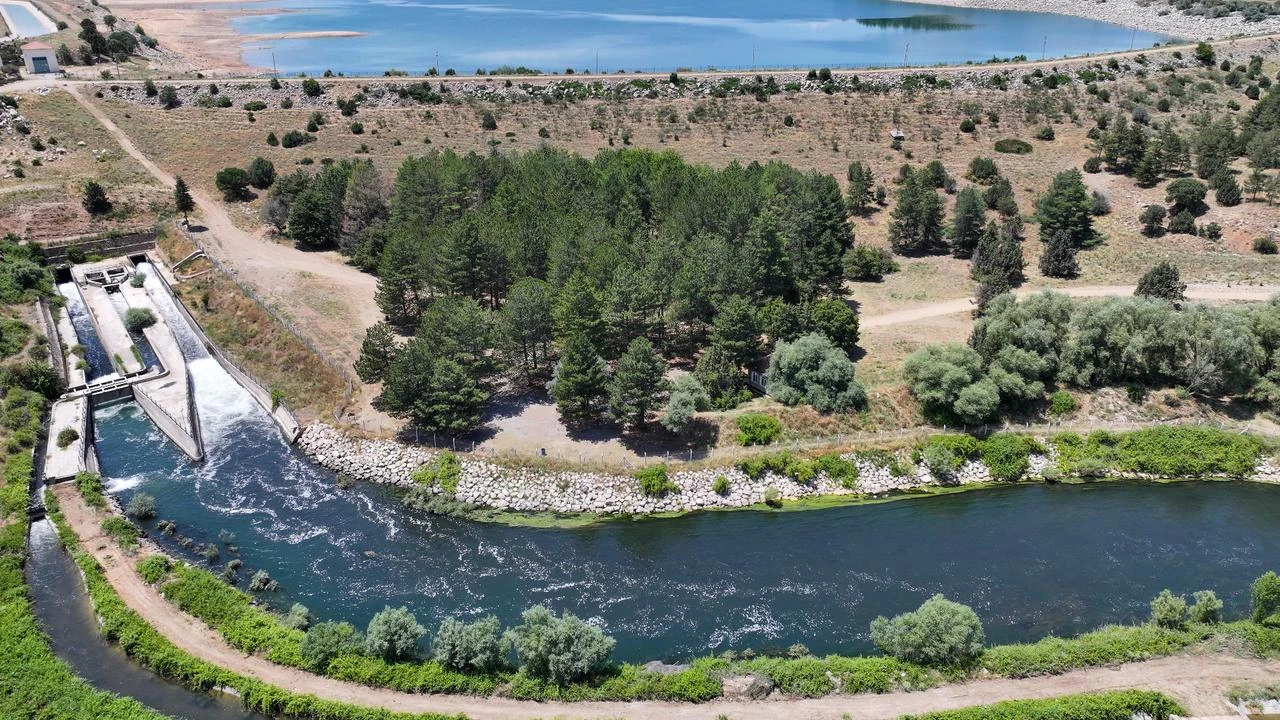
Altinapa Dam experienced one of the more striking transformations in the region, with its water volume expanding from just 3.01 million cubic meters to 22.79 million cubic meters, a change local officials attribute directly to the unusually high rainfall this year.
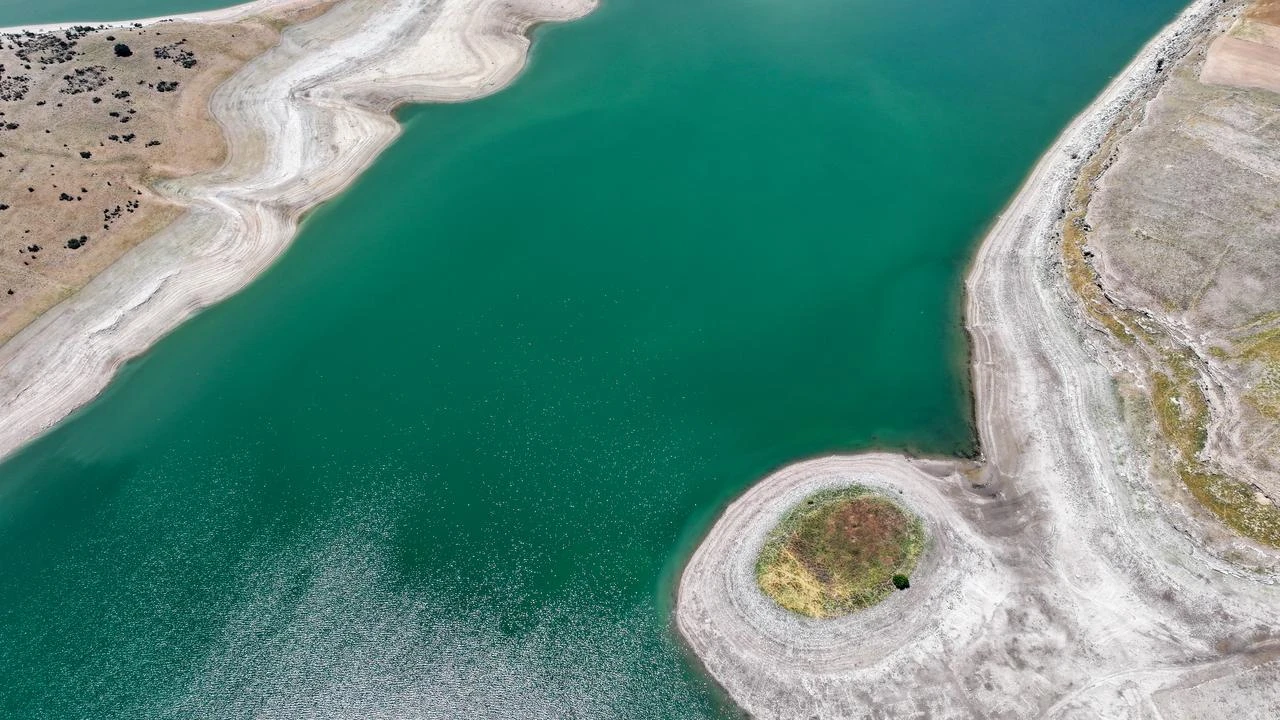
As for Ivriz Dam, water levels rose from 7.79 million cubic meters to 59.95 million cubic meters, showing how consistently the increased rainfall was distributed across dams of varying sizes throughout the Konya Closed Basin.
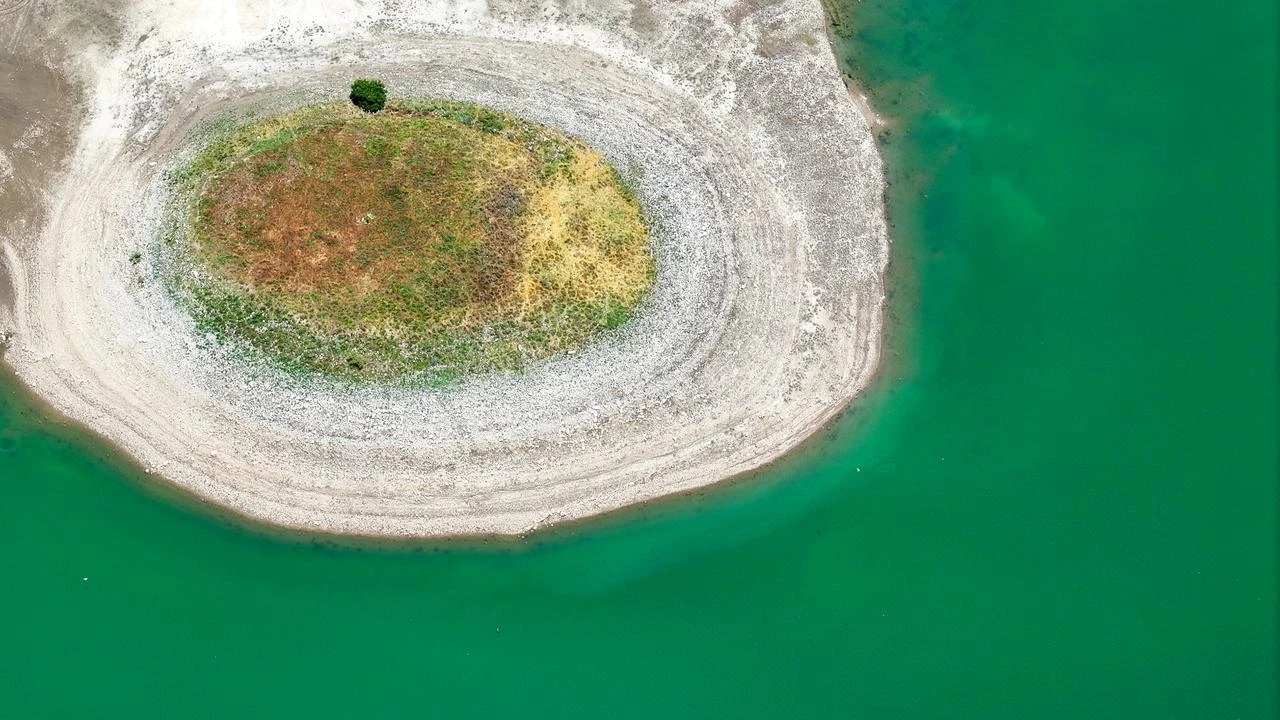
Fill levels in many of Konya's dams rose by as much as 20 times compared to the previous year, with rainfall increases ranging between 30% and 70% depending on the location.
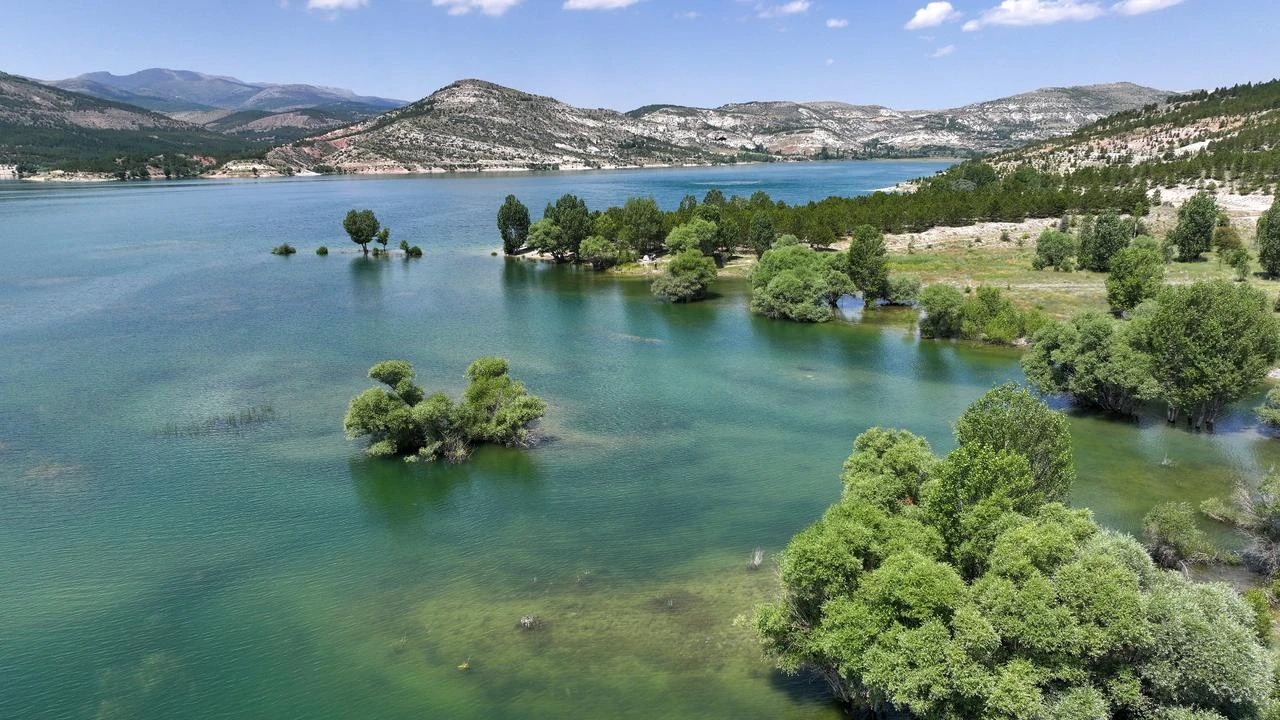
Rainfall per square meter in the region, which had typically hovered between 330 and 350 millimeters in previous years, reached as high as 560 millimeters this year, a substantial jump that reshaped the water landscape across Konya's farmland and reservoirs.
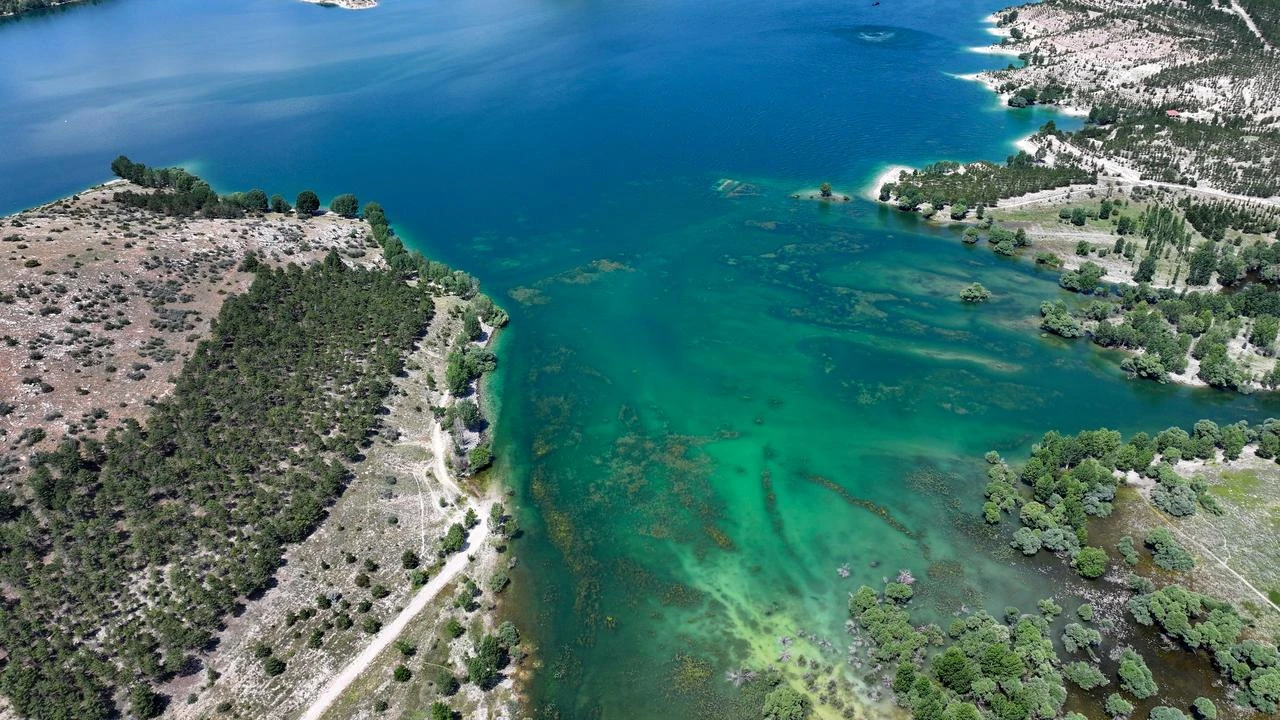
Beyond replenishing water supplies for irrigation, the abundant rainfall also reduced the amount of energy farmers needed to extract groundwater, lowering the region's carbon footprint.
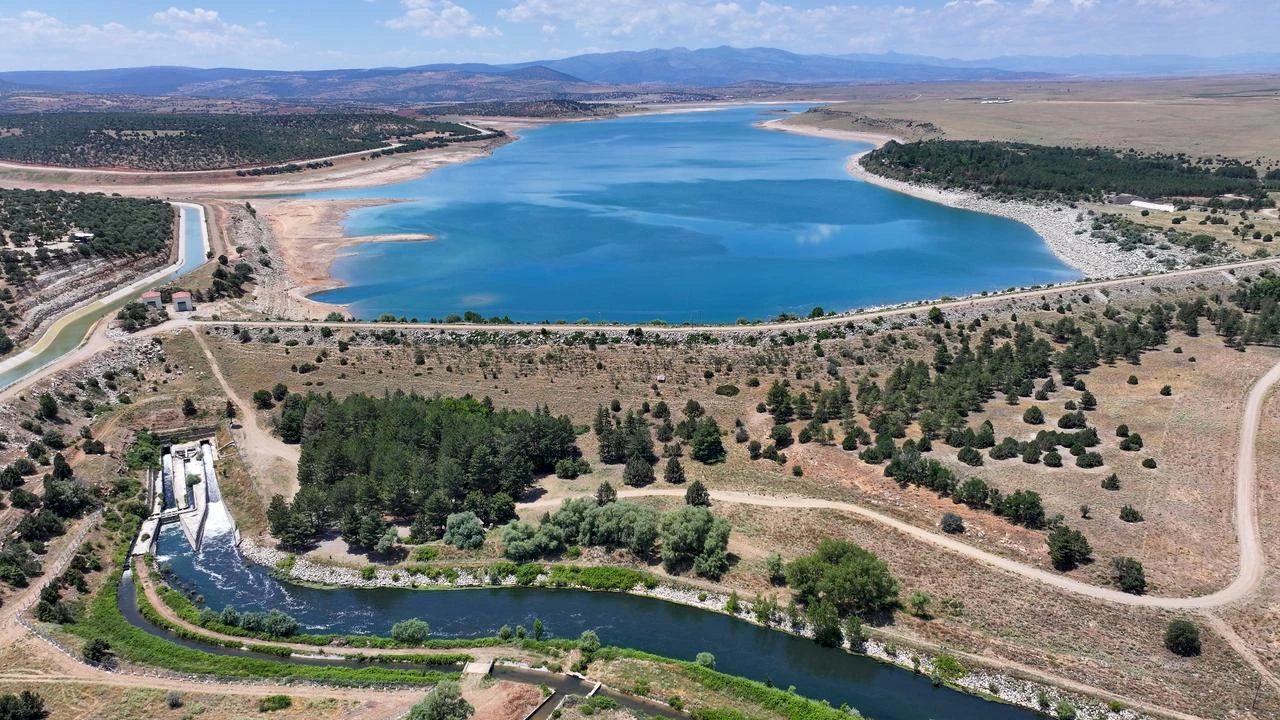
Despite the encouraging rise in water levels, increased rainfall does not signal an improving climate, pointing instead to unusual temperature swings and unpredictable weather patterns.


 Set as preferred source



 1 min read