Newsletters


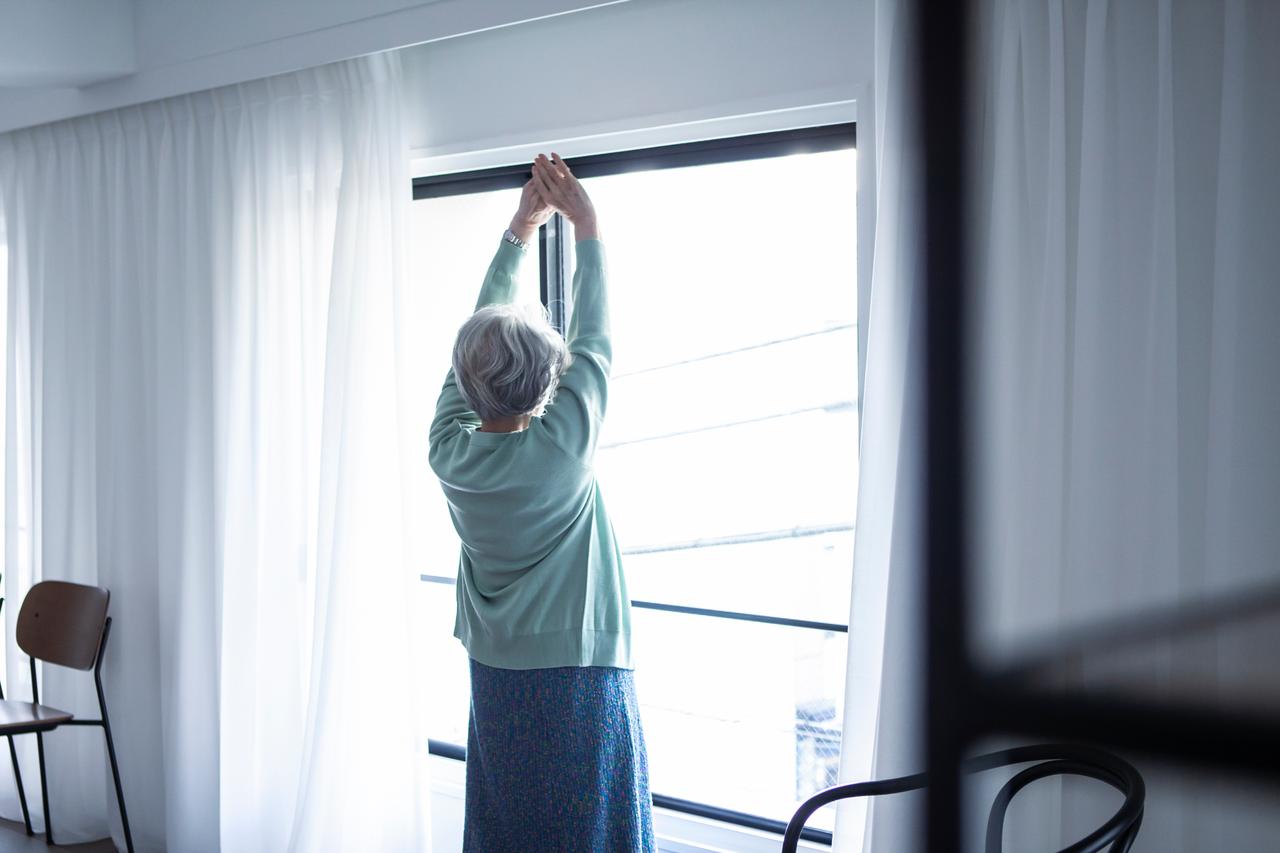


A senior psychiatrist at Karadeniz Technical University’s Faculty of Medicine in Türkiye is calling on people to make the most of daylight, improve indoor lighting and keep up regular exercise during winter months, warning that reduced sunlight can trigger changes in brain chemistry linked to depressive symptoms.
Prof. Dr. Filiz Civil Arslan, a faculty member in the Department of Psychiatry and Mental Health, said seasonal changes can significantly affect mental well-being. She noted that the condition commonly referred to as “winter depression” is medically known as Seasonal Affective Disorder (SAD), a form of depression that tends to recur during specific seasons, most often in winter.
According to Arslan, shifts in daylight can disrupt the body’s “biological clock,” a concept she described through the term circadian rhythm, which refers to the body’s internal 24-hour timing system that helps regulate sleep and wake patterns. She said that as sunlight decreases, serotonin levels may also drop, which can lead to depression-like symptoms.
Arslan added that melatonin, a hormone associated with sleep regulation, can increase during darker months. This rise, she said, may leave people feeling sleepier during the day, sleeping longer than usual and experiencing greater fatigue.
She emphasized that seasonal depression can resemble major depression, but may also come with distinguishing features. In winter months, she said, people can become more prone to excessive sleep and may develop stronger cravings for carbohydrate-heavy foods.


To help guard against seasonal depression, Arslan advised people to increase exposure to daylight wherever possible. She recommended improving the lighting in homes and bedrooms, spending more time outdoors and taking advantage of natural light during the day. Alongside this, she stressed the importance of maintaining regular exercise.
Arslan also underlined the role of balanced nutrition, particularly in winter, when increased appetite for carbohydrates may appear.
Arslan said anyone who feels persistently sad and tired in winter, or who notices a marked increase in sleep duration, should consult a healthcare professional. She noted that when necessary, a range of treatment options can be used, including medication.
She warned that one of the most serious risks in depression is suicidal thinking, which can arise when a person feels profoundly hopeless or trapped, and can become unbearable in severe cases. For that reason, she said, depression should always be treated as a serious medical condition.
Arslan added that depression can affect more than mental health, potentially weakening the immune system and making it harder to manage chronic illnesses such as diabetes, heart disease and hypertension.


 Set as preferred source
 Set as preferred source



 1 min read