Newsletters


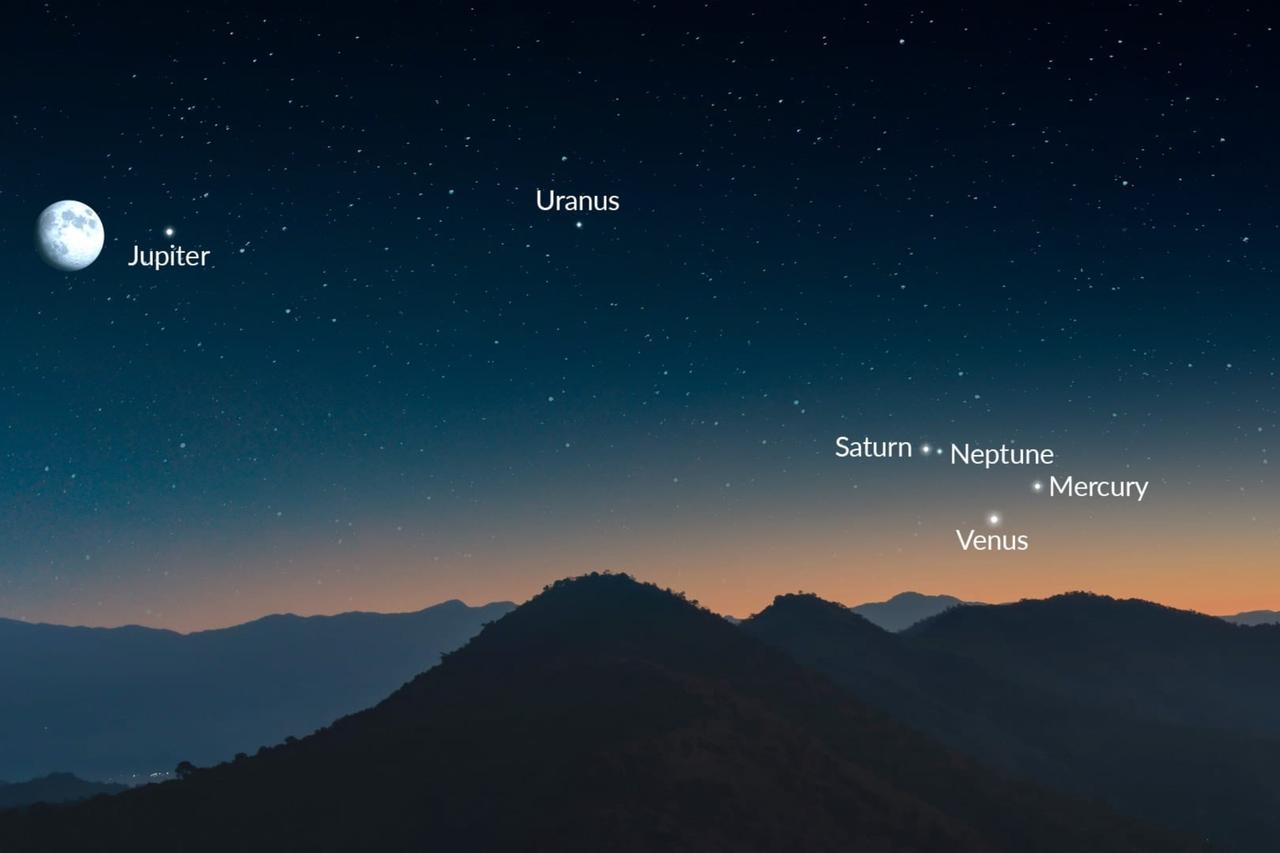


Space observers will have the chance to witness a rare celestial event later this month, as six planets appear close together in the night sky in what astronomers call a “planetary parade.”
On Feb. 28, Mercury, Venus, Jupiter, Saturn, Uranus and Neptune will appear aligned across the sky, offering a viewing opportunity visible from many parts of the world.
The phenomenon occurs when several planets can be seen together from Earth’s perspective, creating the appearance of a line across the sky.
According to NASA, such multi-planet displays can last for weeks because planetary movements are slow. However, Feb. 28 marks the moment when the planets appear most closely grouped in the evening sky.
The alignment follows a seven-planet display in February 2025 that included Mars, an event astronomers say will not occur again until 2040.
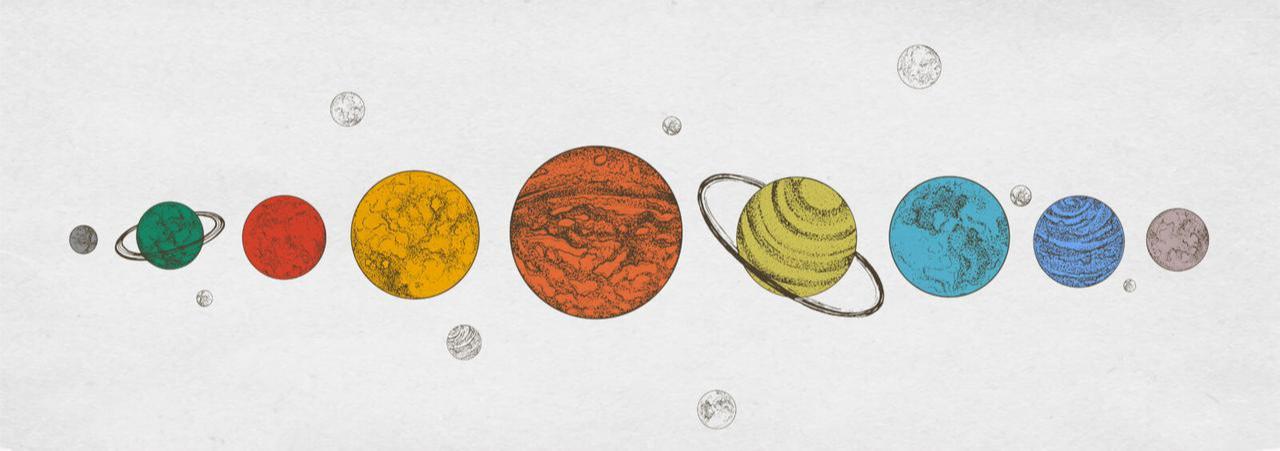

Planetary parades occur because the planets orbit the Sun in roughly the same flat path, known as the ecliptic plane.
Although each planet travels at a different speed and distance, there are times when several appear to line up when viewed from Earth. The alignment is only a visual effect. In reality, the planets remain separated by millions or billions of kilometers.
Astronomer Greg Brown of the Royal Observatory Greenwich explained to The Guardian that smaller groupings of visible planets appear regularly, but larger alignments are less common because multiple conditions must occur at the same time. The more planets involved, the rarer the event.
Which planets will be visible?
Six planets will take part in the February 2026 alignment, but not all will be equally easy to observe.
Visible to the naked eye:
Require binoculars or a telescope:
Jupiter will likely be the easiest planet to spot because of its brightness and higher position in the sky. Venus is also relatively bright, while Mercury may be difficult to detect because it sits low near the horizon.
Neptune will be the hardest to observe, as it lies far from Earth and requires a telescope. Uranus may be visible with binoculars under favorable conditions.
Experts caution that observing planets near sunset requires care. Optical equipment should only be used after the Sun has fully set to avoid eye damage.

Observers in Türkiye will be able to view the planetary alignment under clear weather conditions. The best time is about 30 minutes after local sunset on Feb. 28, when the planets appear most closely grouped.
Stargazers should look toward the western horizon and choose locations with minimal light pollution and an unobstructed view of the sky, as several planets will appear low and remain visible only briefly after sunset.
Viewing conditions in Türkiye are expected to be similar to nearby Athens, where Feb. 28 is considered an optimal date.
Locations with favorable viewing conditions include:
Experts say clear skies and a flat western horizon are essential. Jupiter and Venus will be the easiest planets to spot, while Uranus and Neptune require binoculars or a telescope.
Because planetary movements are gradual, observers may also try viewing the sky on nearby dates if weather conditions are unfavorable.
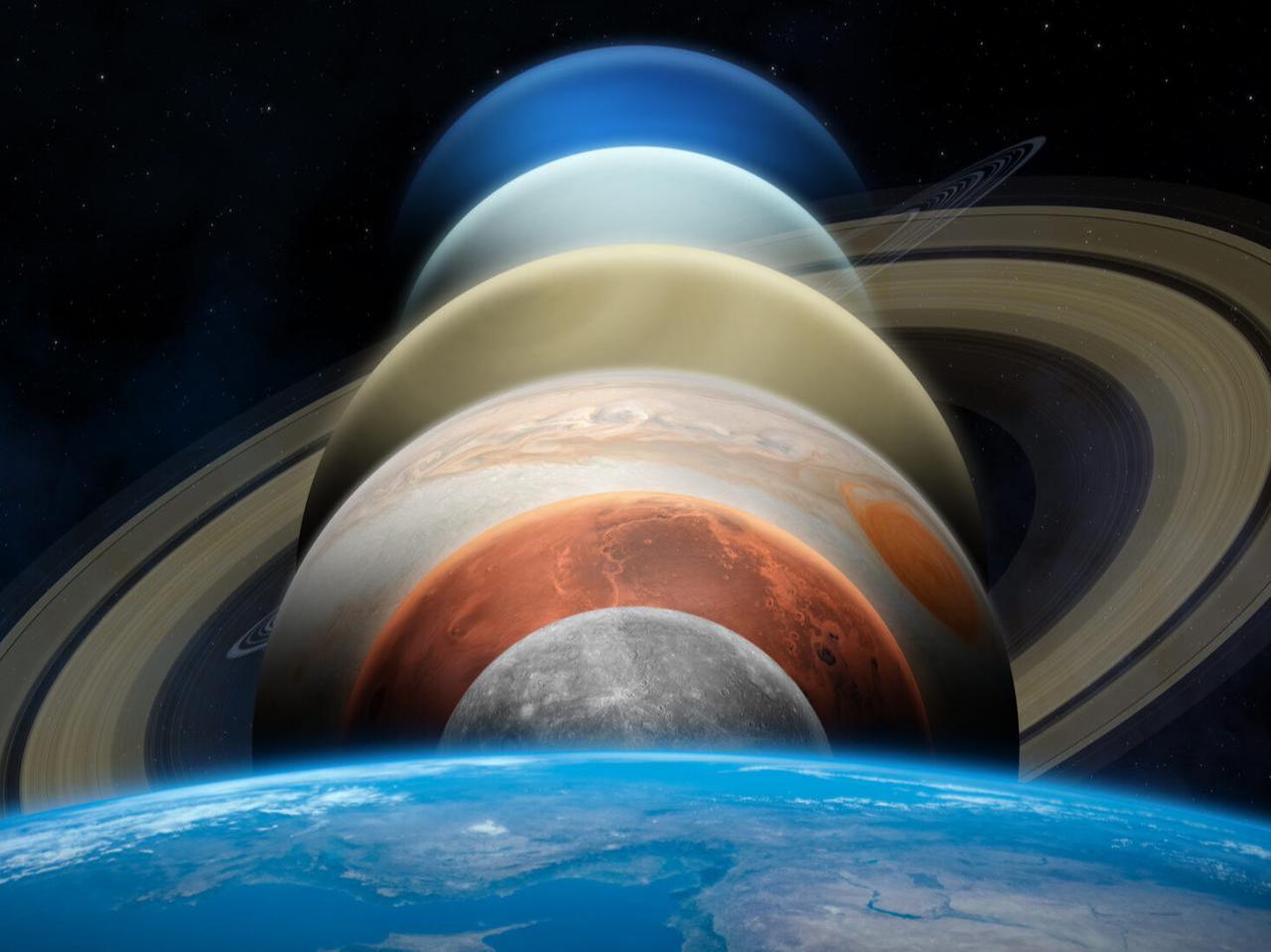
The alignment will be visible worldwide, though optimal viewing dates vary by location.
Feb. 28 offers the best conditions for cities including Athens, New York, Mexico City and Tokyo. Viewing conditions in Türkiye are expected to be similar to nearby Athens. Berlin and London are expected to have their best view around March 1.
Because the planets move slowly, observers may also see parts of the alignment days before or after the peak date if weather conditions are favorable.
Despite the attention surrounding the event, astronomers warn that viewing all six planets at once may prove difficult.
Several of the planets will appear close to the Sun and remain visible only briefly during twilight.
Clear skies, a flat western horizon and sometimes binoculars or a telescope will improve viewing chances. In many cases, observers may only see three or four planets.


 Set as preferred source
 Set as preferred source



 6 min read