Newsletters


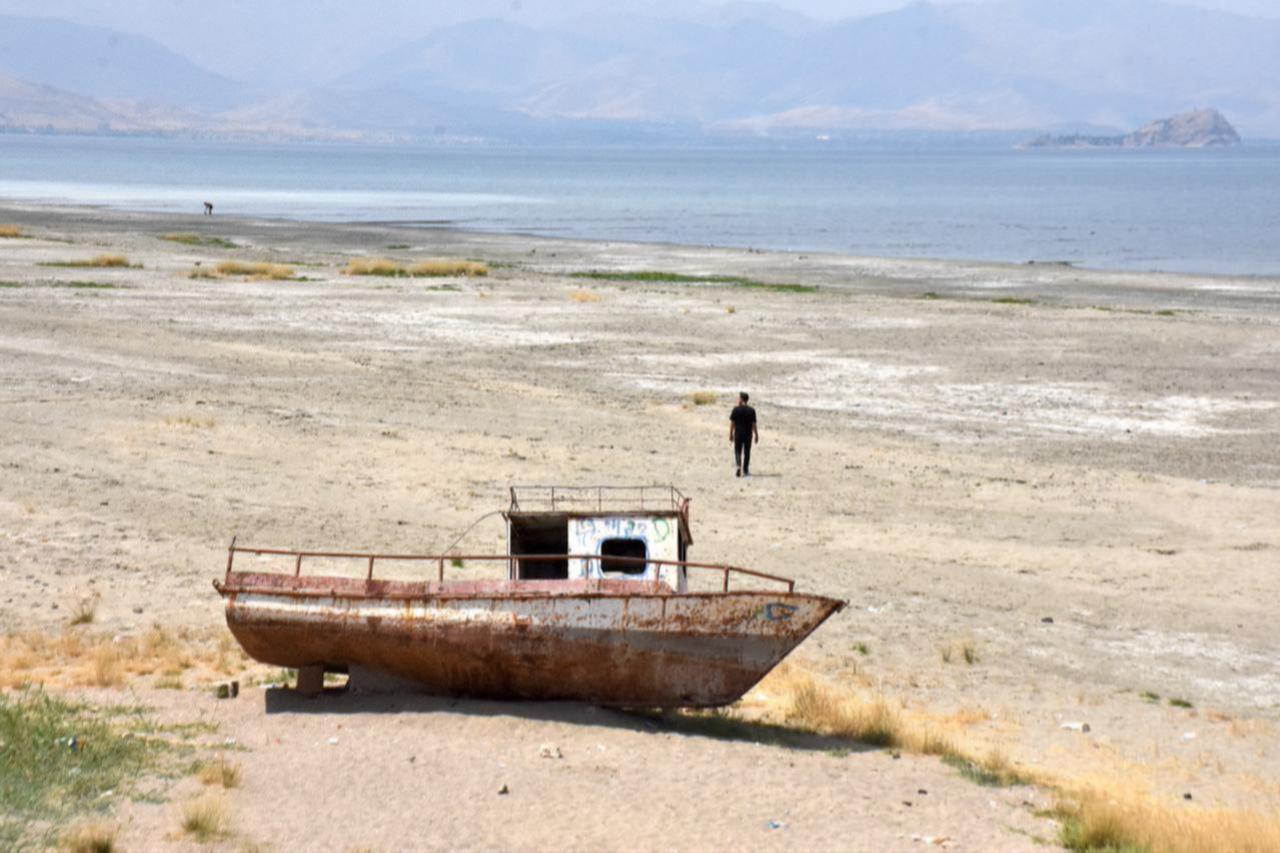


Türkiye faces a deepening drought that now reaches beyond weather charts and into farms, markets, and household budgets.
Official data show rainfall at historic lows, falling harvests across key crops, and rising costs in meat and dairy production. Experts warn that the country risks long-term food supply instability if water management and agricultural planning do not change.
Data from the Agriculture and Forestry Ministry show average nationwide rainfall measured at 422.5 millimeters for the October 2024 to September 2025 water year. This level sits 26 percent below long-term averages and 29 percent below the previous year. The ministry reports that 2025 rainfall reached the lowest level in the past 52 years.
Rainfall shortages continue into the new water year. Between Oct. 1 and Nov. 30, 2025, total precipitation stayed 19 percent below long-term norms. November 2025 recorded a sharper drop.
Türkiye received 43 percent less rain than the long-term average and 39 percent less than the same month the year before. The Black Sea region saw its lowest rainfall in 15 years. The Mediterranean region recorded its lowest in 10 years.
The ministry reports yield losses in wheat, barley, sunflower, olives, and fruit. Marmara, the Aegean, and the Mediterranean regions registered quality decline and reduced harvest volumes. Officials now describe drought as an economic risk chain that stretches from production to consumer prices.
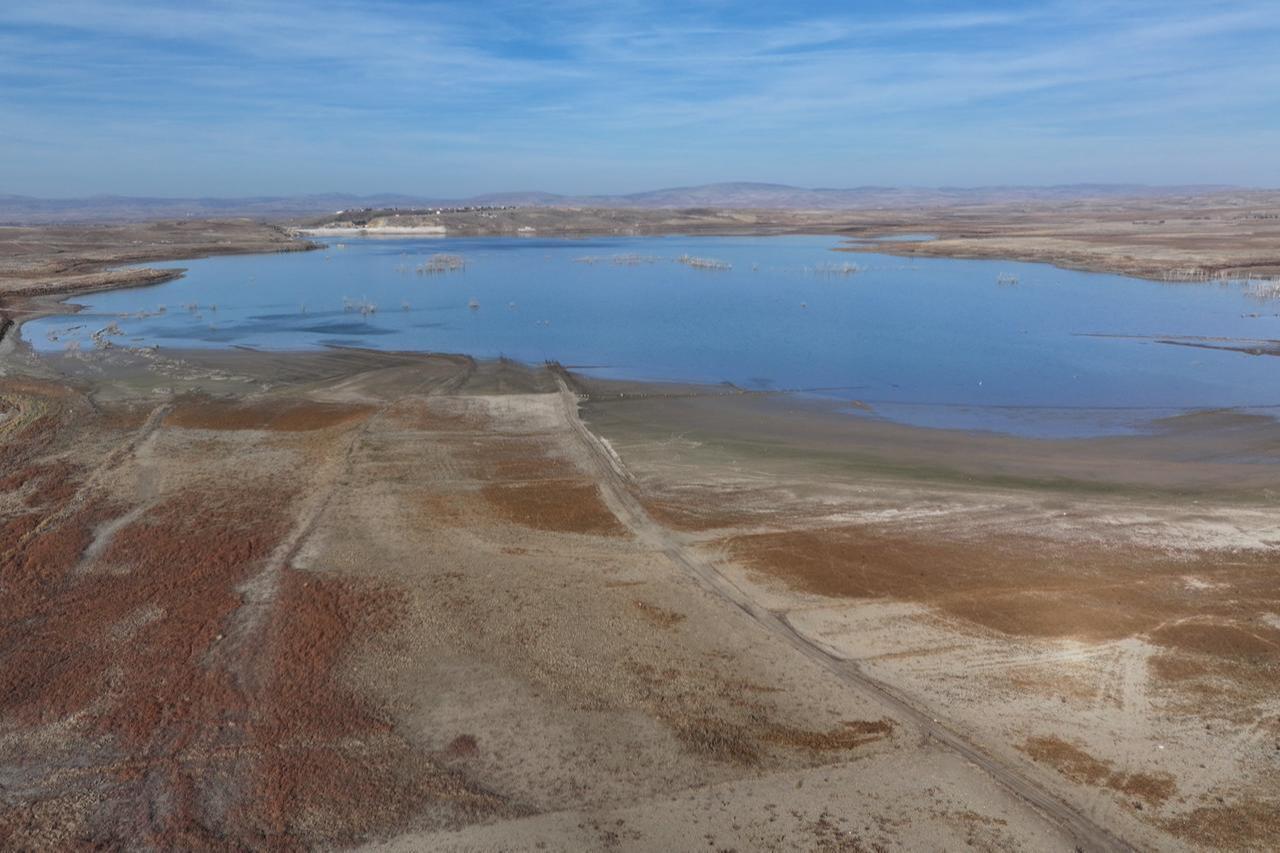

Assoc. Prof. Ezgi Kovanci, who studies climate impacts, said Türkiye now experiences the climate crisis through disasters rather than projections.
“Türkiye has become a country that experiences the climate crisis through events rather than reports,” Kovanci told DW Turkce.
She linked lower rainfall with declining reservoir levels and groundwater withdrawal, especially in Central Anatolia, Southeastern Anatolia, and Mediterranean basins.
“When frost events combine with this crisis, agricultural production becomes much more fragile. Sudden temperature drops outside seasonal norms cause serious losses in fruit trees and vegetables and directly threaten farmers’ livelihoods,” she said.
Turkish Statistical Institute data show total cereal and other plant production fell to 68.1 million tons in 2025. Production declined by 11.4 million tons in just two years.
Wheat output dropped from 22 million tons in 2023 to 17.9 million tons in 2025. Barley fell from 9.2 million tons to 6 million tons. Pulse production declined from 1.3 million tons to 953,000 tons. Red lentils recorded a 41 percent drop. Chickpeas fell 29 percent. Sugar beet declined 13 percent.
Agricultural journalist Ali Ekber Yildirim said climate stress affected almost every product.
“Some fruits suffered damage up to 70 percent. TUIK reports fruit losses at 30 percent. Cereal production shows a 12 percent loss. Almost every product faced climate related problems,” he said.
Fruit, beverage, and spice crop production fell from 28.4 million tons in 2024 to 19.6 million tons in 2025. Vegetable production dropped by more than 300,000 tons. Officials linked this decline to frost events and prolonged water stress.
Kovanci warned that drought changes farming economics, not only yields.
“Soil moisture deteriorates. Germination periods enter risk. Plant growth weakens. The real issue is that when rain does not fall, production mathematics changes. Irrigation demand rises and costs expand,” she said.
Ministry monitoring reports show irrigation water shortages in Central Anatolia, Southeastern Anatolia, and parts of the Aegean. Some regions reduced second crop planting due to insufficient water supply. Officials also noted shrinking planting areas for water intensive crops such as cotton, corn, sunflower, and sugar beet.
State Water Works issued warnings in some regions not to plant second crops due to limited water availability. In Aydin, water restrictions in the Buyuk Menderes Basin have continued since 2021. Local authorities now allow only one irrigation round per season. Yildirim said this pushed farmers away from cotton, which requires multiple irrigation cycles.
TUIK data show cotton production declined 13.7 percent in one year to 1.9 million tons. Output reached 2.2 million tons in 2024 and 2.75 million tons in 2022. Over three years, production fell 42 percent.
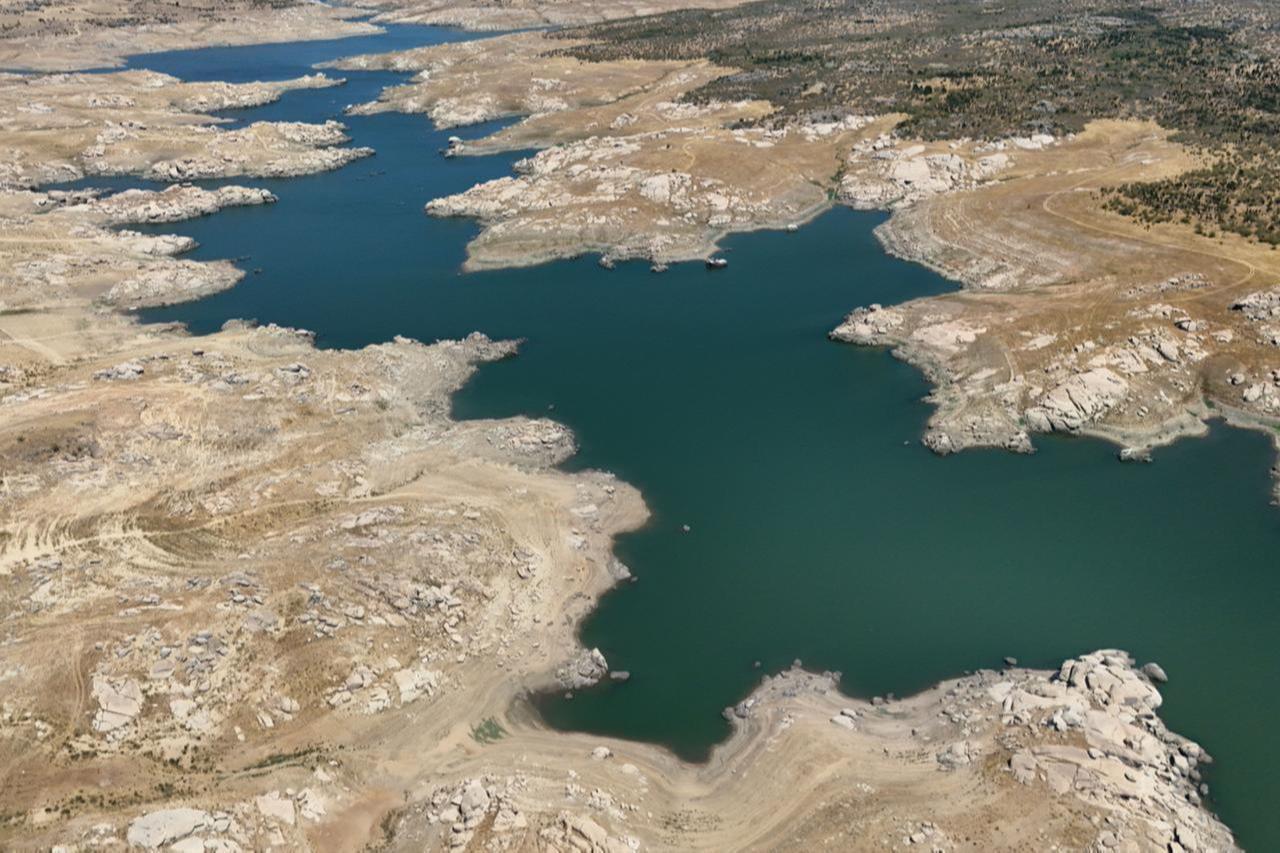
Drought pressure extends to livestock through shrinking pasture quality and rising feed costs.
Ministry statistics show 17.2 million cattle and 58.2 million sheep and goats as of June 2025. However, long-term data show unstable herd growth rather than steady expansion.
Kovanci described how rainfall decline affects grazing.
“When rainfall drops, pasture falls silent. Grass grows shorter and loses quality. Producers cannot bear the cost and reduce herds. Smaller herds mean tighter meat and milk supply. Drought then appears on supermarket receipts,” she said.
Feed and agricultural input prices have risen sharply over the past five years. This trend now reflects in dairy and meat markets.
The National Milk Council set the recommended raw milk price at 22.22 TL per liter starting Jan. 22, 2026. The previous price stood at 19.60 TL in late 2025. TUIK reported collected cow milk in November 2025 declined by about 33,000 tons year on year to 863,651 tons.
Red meat production fell 11.7 percent in 2024 to 2.1 million tons. The Agriculture Ministry noted feed costs as the main driver of price pressure in meat and dairy markets.
The National Red Meat Council reported average carcass prices at 601 TL per kilogram for beef and 567 TL for lamb as of Jan. 15, 2026. Producer prices rose 61 percent for beef and 28 percent for lamb in one year. Over five years, beef carcass prices increased about 16 times. Lamb prices rose about 12 times.
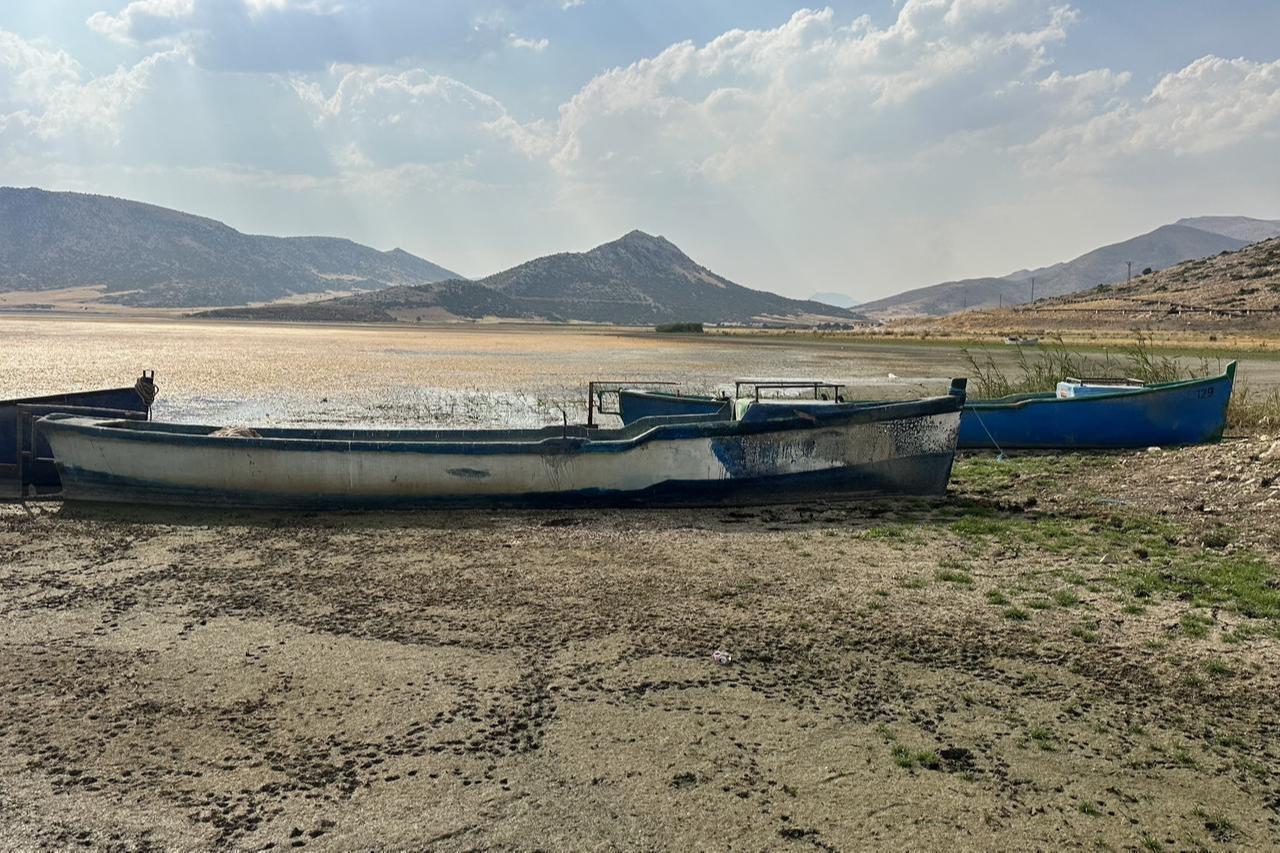
Official inflation data show food prices rising faster than general inflation in recent years.
TUIK reported annual food and non alcoholic beverage inflation at 43.80 percent in 2021, 77.87 percent in 2022, and 72.01 percent in 2023. Food inflation slowed to 43.58 percent in 2024 and 28.31 percent in 2025 but remained elevated.
Some independent groups, including the Inflation Research Group, argued that official inflation figures understate real price increases in markets.
Ministry reports confirmed agricultural drought effects in the last two production years. Lower rainfall, soil moisture loss, and heat extremes now create chain pressure on crop yields, livestock feed supply, and retail food prices.
Kovanci said food crisis risk appears first through price instability.
“As rainfall patterns become uncertain, both producers and consumers lose stability. Import based buffering increases. Rural collapse and deepening poverty follow,” she said.
She warned that drought driven migration could intensify urban housing and service pressures. She also said water sharing tensions between agriculture, industry, and cities will move to the center of politics.
“Households that spend most of their income on food will not tighten belts. They will give up,” she said.
Yildirim said Türkiye focused on crisis response instead of risk management. He called for investments that increase water efficiency and reduce irrigation losses. He also argued that dry farming methods need renewed attention through seed selection, planting timing, and soil moisture management.
“Production decline pushes food prices up and increases import dependency. This results not only from climate conditions but also from current agricultural policies,” Yildirim said.
Official reports and expert assessments converge on one point as rainfall deficits continue into 2026. Without structural water governance reforms and agricultural adaptation strategies, drought will remain not only a climate issue but a long-term food supply challenge for Türkiye.


 Set as preferred source
 Set as preferred source



 6 min read