Newsletters


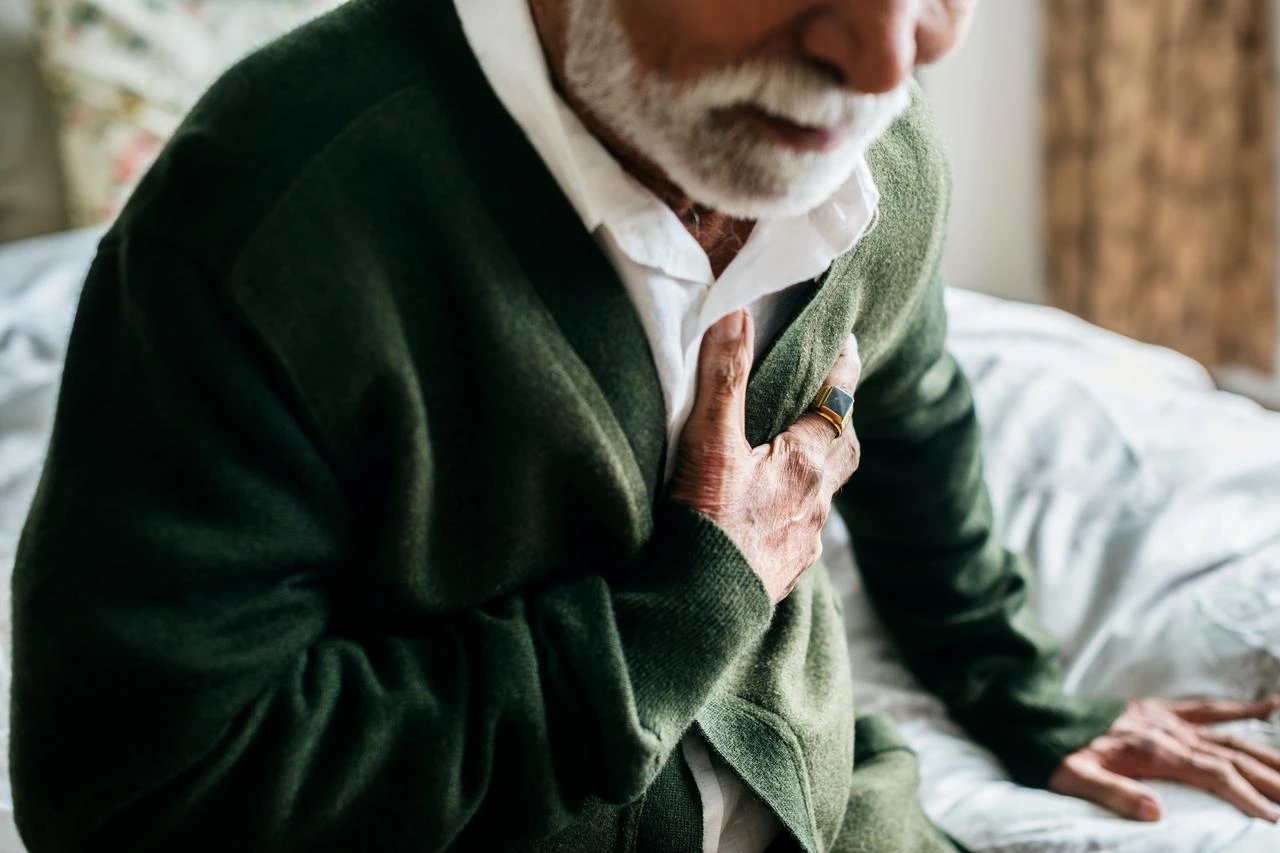


A cardiologist in Türkiye explains that regular, moderate physical activity better protects the heart and blood vessels over time than intense exercise performed only occasionally.
Assoc. Prof. Dr. Sedat Kalkan, a cardiologist at the University of Health Sciences in Türkiye, said that modern lifestyles have greatly reduced daily physical activity. This change has led to more weight gain, high blood pressure, diabetes, and cholesterol problems.
The World Health Organization reports that about 18 million people die from cardiovascular disease each year, making it the top cause of death worldwide. Kalkan explained that these problems usually develop slowly as arteries become stiffer over time, which can eventually cause heart attacks or strokes.


Kalkan said that both the European Society of Cardiology and the WHO recommend adults do at least 150 minutes of moderate exercise each week. He explained that this means moving at a pace where you can talk while walking, but would be too out of breath to sing.
Kalkan said that brisk walking, cycling, swimming, and other regular activities all help keep your heart healthy. He added that you do not need to do intense sports. The key is to find a routine that fits your lifestyle and can be kept up over time, since steady, regular exercise is more protective than short bursts of intense activity.
Kalkan said that even small changes, like taking the stairs instead of the elevator or walking short distances instead of driving, can bring real long-term benefits for your heart.

Kalkan said that losing even a small amount of weight through healthy eating and regular exercise can help your heart. He pointed out that obesity is a separate risk factor for heart attacks and strokes, and that waist size is now seen as an important health measure along with body weight.
Smoking is also a major risk factor. Kalkan said that using tobacco damages the cells lining your blood vessels right from the start, making arteries stiffen faster and raising the risk of blood clots, heart attacks, strokes, and peripheral artery disease. He also warned that electronic cigarettes, hookahs, and heated tobacco products can harm blood vessels too.
Kalkan explained that peripheral artery disease mainly affects the blood vessels in the legs. It can start with calf pain when walking and may lead to wounds that do not heal or, in severe cases, limb loss. He said there is no safe amount of tobacco use, so the best choice is to never start or to quit as soon as possible.

Kalkan said that most heart disease can be prevented by following proven steps: avoid tobacco, stay active, eat a healthy diet, keep a healthy weight, and regularly check your blood pressure, cholesterol, and blood sugar.
"Our age and genetics cannot be changed, but we can greatly lower our risk of heart disease by changing our lifestyle. The care we give our hearts today will shape the quality and length of our lives tomorrow," Kalkan said.


 Set as preferred source
 Set as preferred source



 2 min read