Newsletters


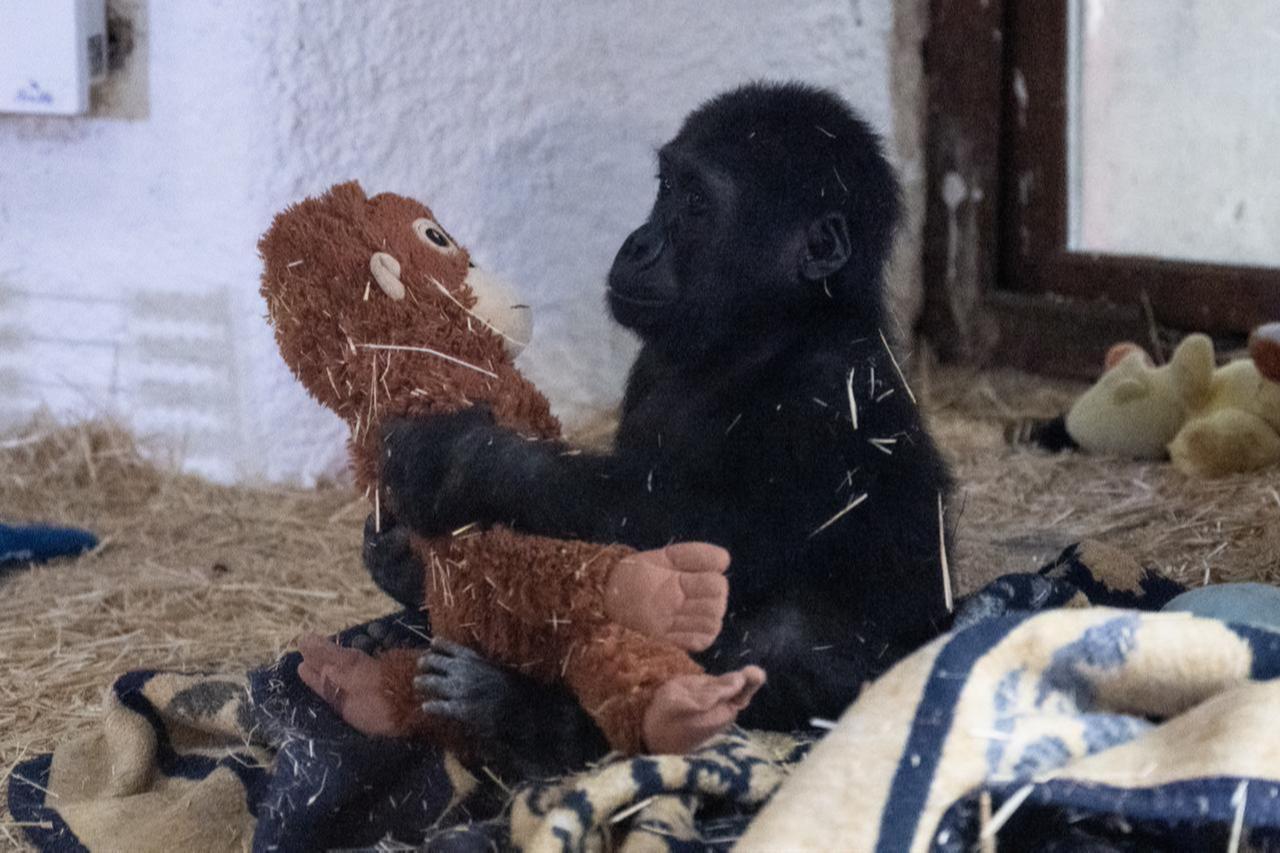


Wildlife conservation teams in Türkiye treated and turned back more than 11,000 rehabilitated wild animals to nature in 2025, as part of a nationwide effort run by the General Directorate of Nature Conservation and National Parks under the Ministry of Agriculture and Forestry, according to an official.
Kadir Cokcetin, the director general of the directorate, said the work focuses on animals that have been hit by natural disasters or have been found injured, sick, exhausted, or otherwise unable to survive on their own. After being taken in, the animals are cared for and then released back into suitable natural habitats once they are considered fit to return.
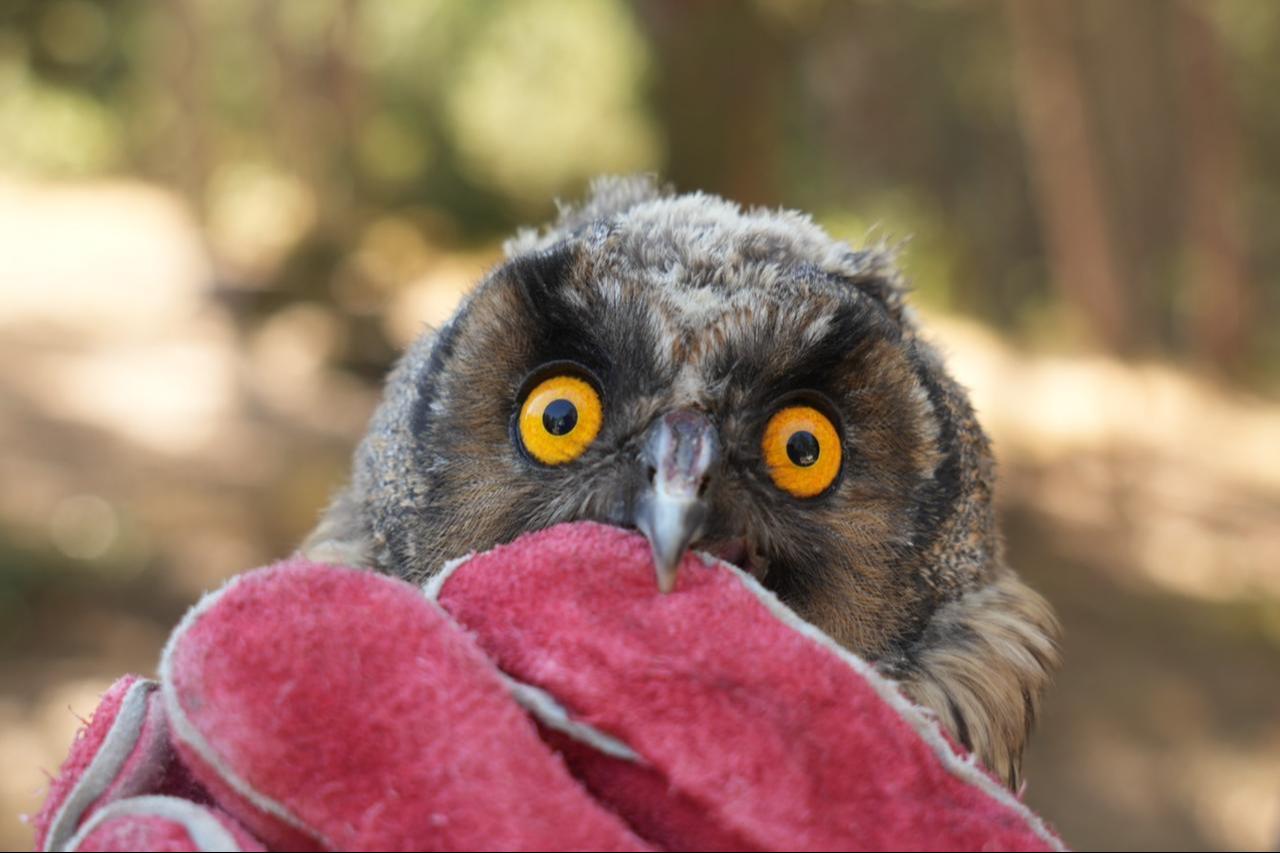

Cokcetin said wildlife rehabilitation in Türkiye was largely carried out through cooperation with universities, nongovernmental organizations (NGOs, meaning non-state nonprofit groups), and municipalities until the early 2000s. He added that the directorate later set up dedicated rehabilitation centers in 11 provinces, which allowed the work to be scaled up and organized in a more consistent way.
He said these centers can step in with emergency care and advanced services such as imaging, surgery, and intensive care. In addition to medical treatment, the centers also carry out species-specific behavioral rehabilitation, which aims to help animals regain the skills they need to cope with life in the wild.
Cokcetin said animals go through health screenings before being released, including checks for parasitic and infectious diseases. After release, teams keep tabs on how well animals settle back in by using tools such as tagging and banding, along with electronic transmitters that can track movement and adaptation in the natural environment.
Looking back over a longer period, he said nearly 73,000 wild animals were rehabilitated and released between 2012 and 2024.
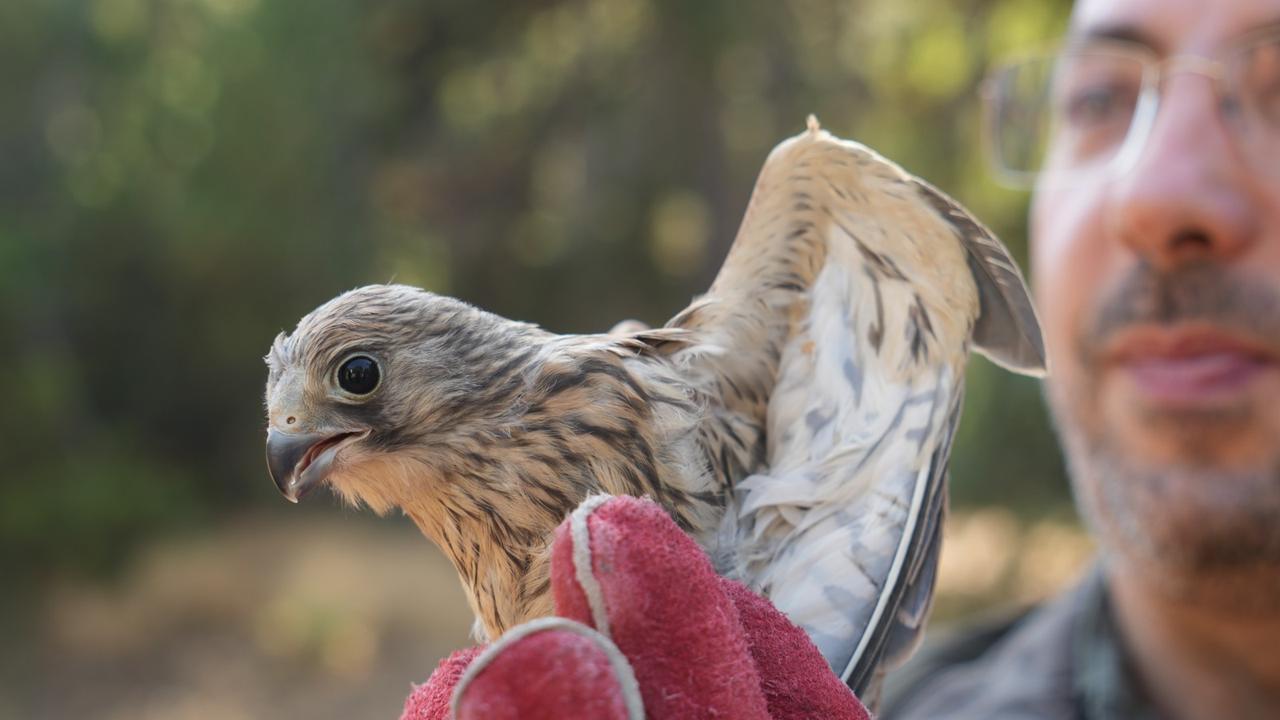
Alongside rehabilitation, Cokcetin highlighted captive-breeding programs designed to shore up biodiversity and build up wildlife populations. He pointed to partridge breeding stations in Afyonkarahisar, Kahramanmaras, Yozgat, Gaziantep, and Malatya, as well as pheasant breeding stations in Samsun, Istanbul, and Gumushane.
Describing the purpose behind these releases, he said: “By releasing these birds into nature, we both support wildlife populations and aim to reduce predatory pressure on natural ecosystems.”
He said partridges are released with the aim of helping curb tick populations, while pheasants are used in biological control efforts against the brown marmorated stink bug, a crop pest targeted in particular in Türkiye’s Black Sea region.
Cokcetin urged the public to report illegal hunting, warning that protecting wildlife populations becomes increasingly difficult without effective enforcement.
He also cautioned against removing young animals from the wild unnecessarily.


 Set as preferred source
 Set as preferred source



 3 min read