Newsletters


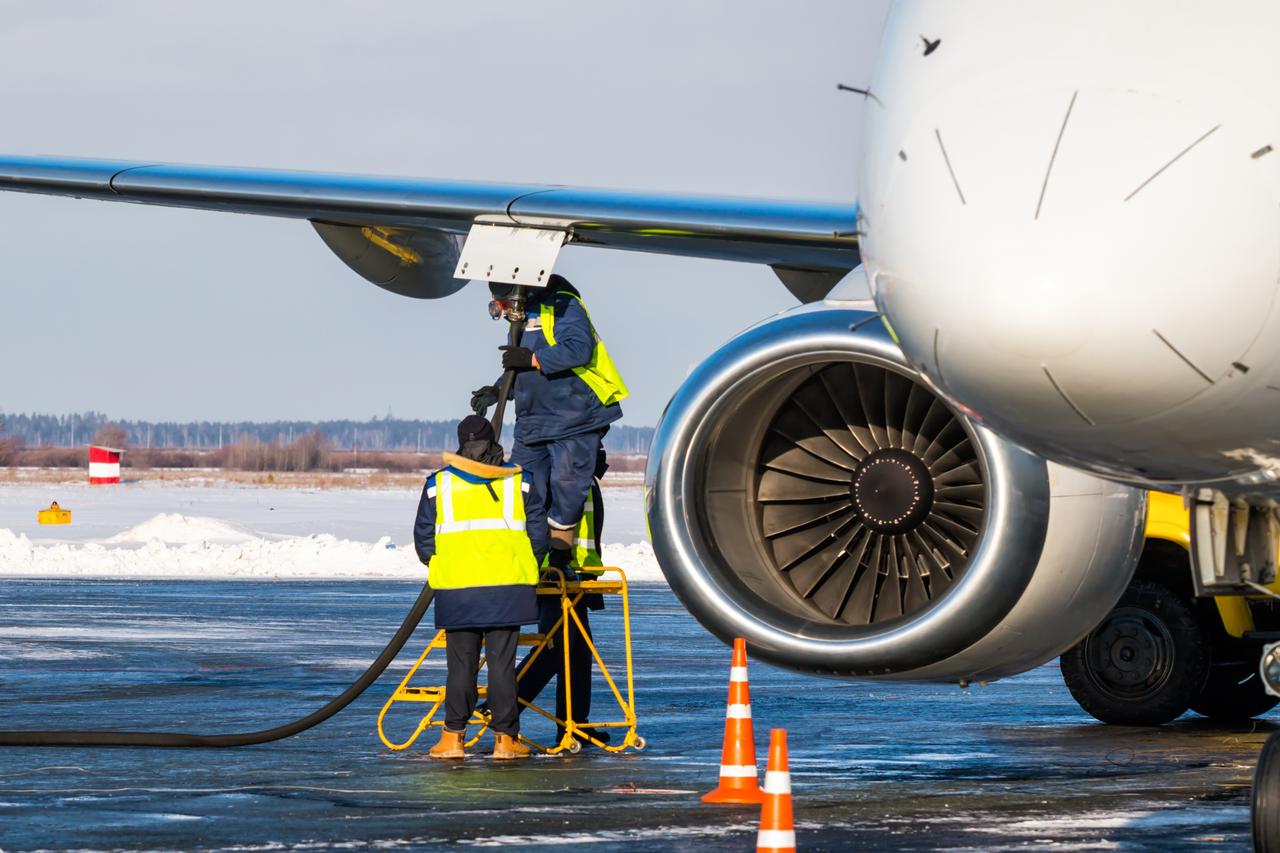


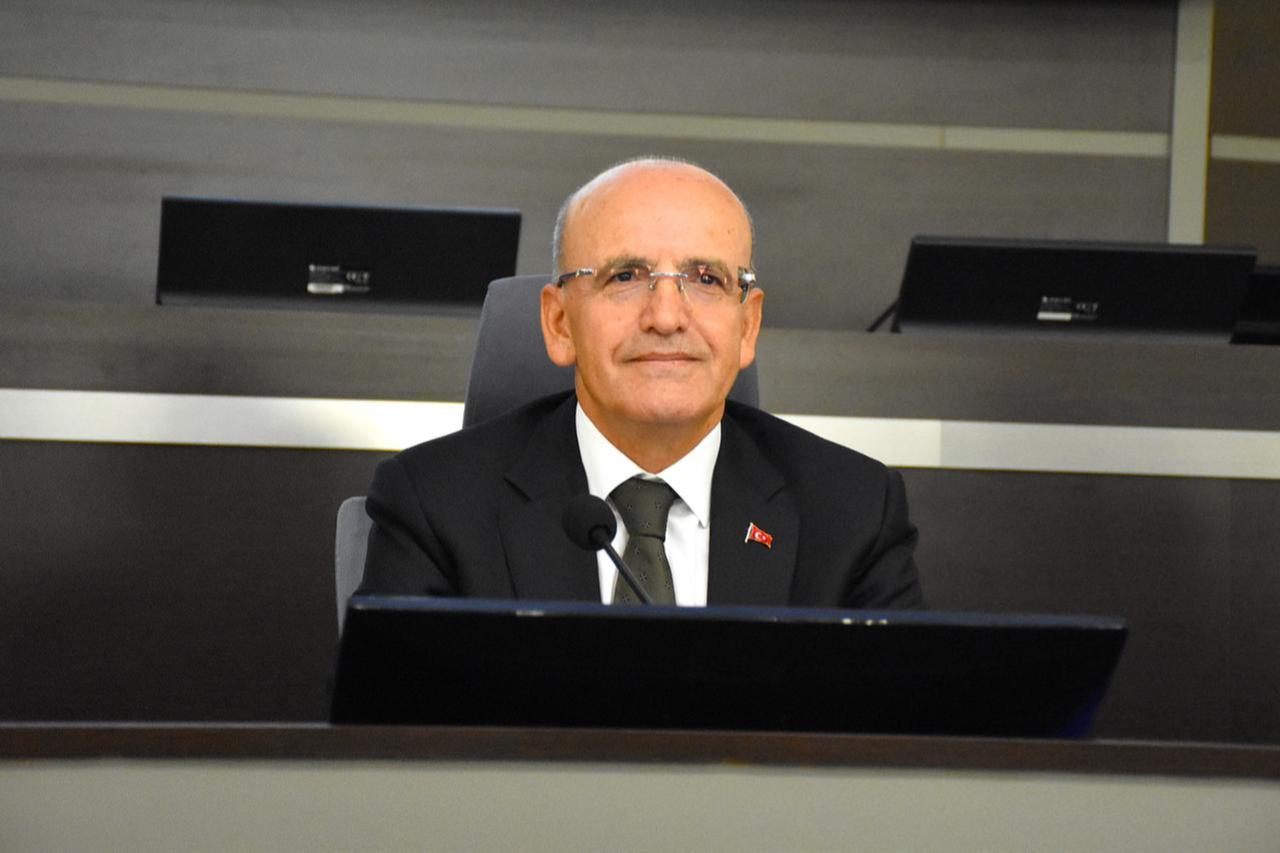
Türkiye is not facing any jet fuel supply problems amid a Hormuz bottleneck that has disrupted energy markets, Transport Minister Abdulkadir Uraloglu said Wednesday, pointing to the country’s position as a net exporter.
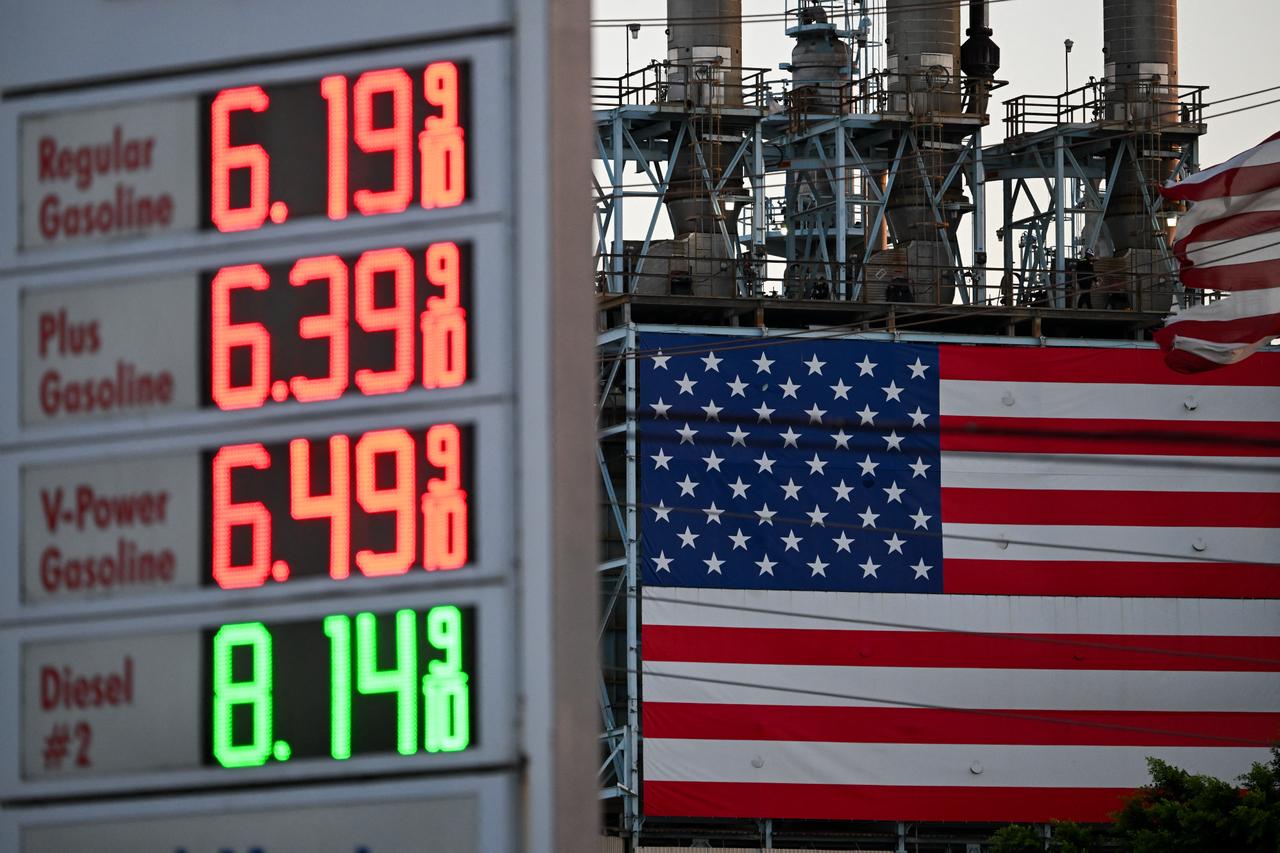
Speaking after a business meeting, Uraloglu noted that Türkiye’s domestic market remains stable and well supplied despite the risks, adding that while crude oil prices have climbed by more than 50%, jet fuel prices have risen even faster, more than doubling worldwide.
"Türkiye is not a jet fuel importer. On the contrary, it is an exporter, and there is currently no jet fuel problem in the country," the minister explained.
Since the start of the Iran conflict and traffic disruptions in the Strait of Hormuz, jet fuel prices have risen above $200 per barrel, as the waterway is used to carry a quarter of the global supply.
In Europe, many airlines have been forced to raise fares, cut flights, and adjust schedules as soaring jet fuel costs squeeze margins and weaken demand. Recently, German carrier Lufthansa announced that it has decided to cut around 20,000 short-haul flights from its summer schedule through October.
The International Energy Agency (IEA) head Fatih Birol warned last week that Europe could face a jet fuel shortage within six to seven weeks, while the European Commission has stepped up efforts to introduce preventive measures.
Turkish media report that some airlines across Europe and Asia are using Istanbul as a refueling hub, even when it is not their final destination, as Türkiye has not imposed fuel restrictions. The country is a major jet fuel exporter, with shipments reaching 6.3 million tons in 2025, equivalent to roughly 130,000 barrels per day.
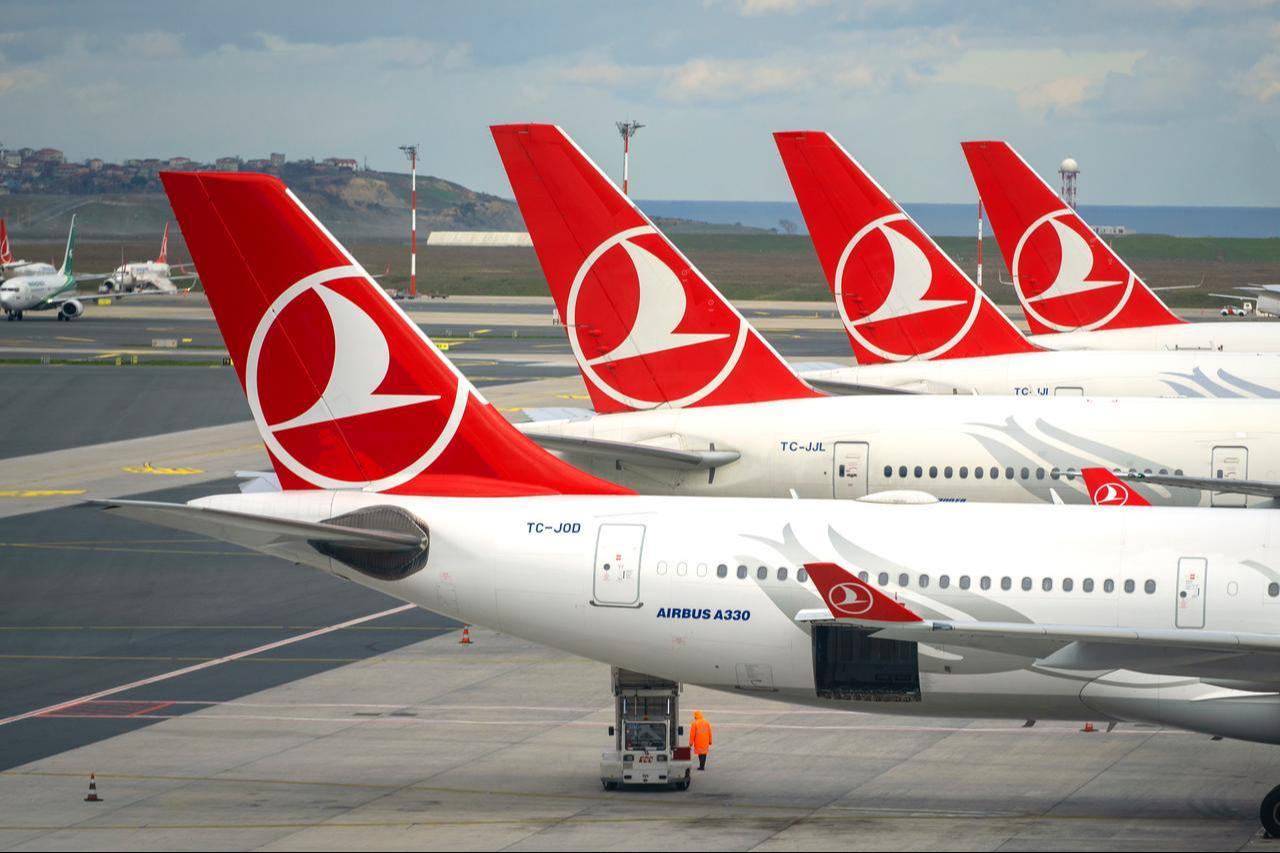

Air travel across parts of the region is still under pressure due to ongoing airspace restrictions linked to tensions involving Iran, Uraloglu also stated.
He confirmed that a Pegasus Airlines aircraft previously stranded in Iran was brought back to Türkiye on Tuesday, adding that authorities also expect to retrieve a Turkish Airlines plane within days.
Flights to several destinations remain suspended. Turkish Airlines and Pegasus have already canceled routes to affected countries until the end of May, as closures continue over areas including Iran, Iraq, Kuwait and parts of Syria.
The minister indicated that airlines are being given flexibility in operational decisions, while the government continues to assess risks on a case-by-case basis.
Ankara is also reviewing requests from Iran to resume flights, though officials are approaching the issue cautiously.
"We are evaluating it. Maybe initially such an opportunity could arise, and then we will decide based on developments," Uraloglu said, underlining that passenger safety remains the top priority.
He emphasized that authorities are unwilling to take risks involving aircraft carrying hundreds of passengers, signaling that any reopening of routes will depend on clearer conditions on the ground.


 Set as preferred source
 Set as preferred source


 2 min read
 1 min read