Newsletters


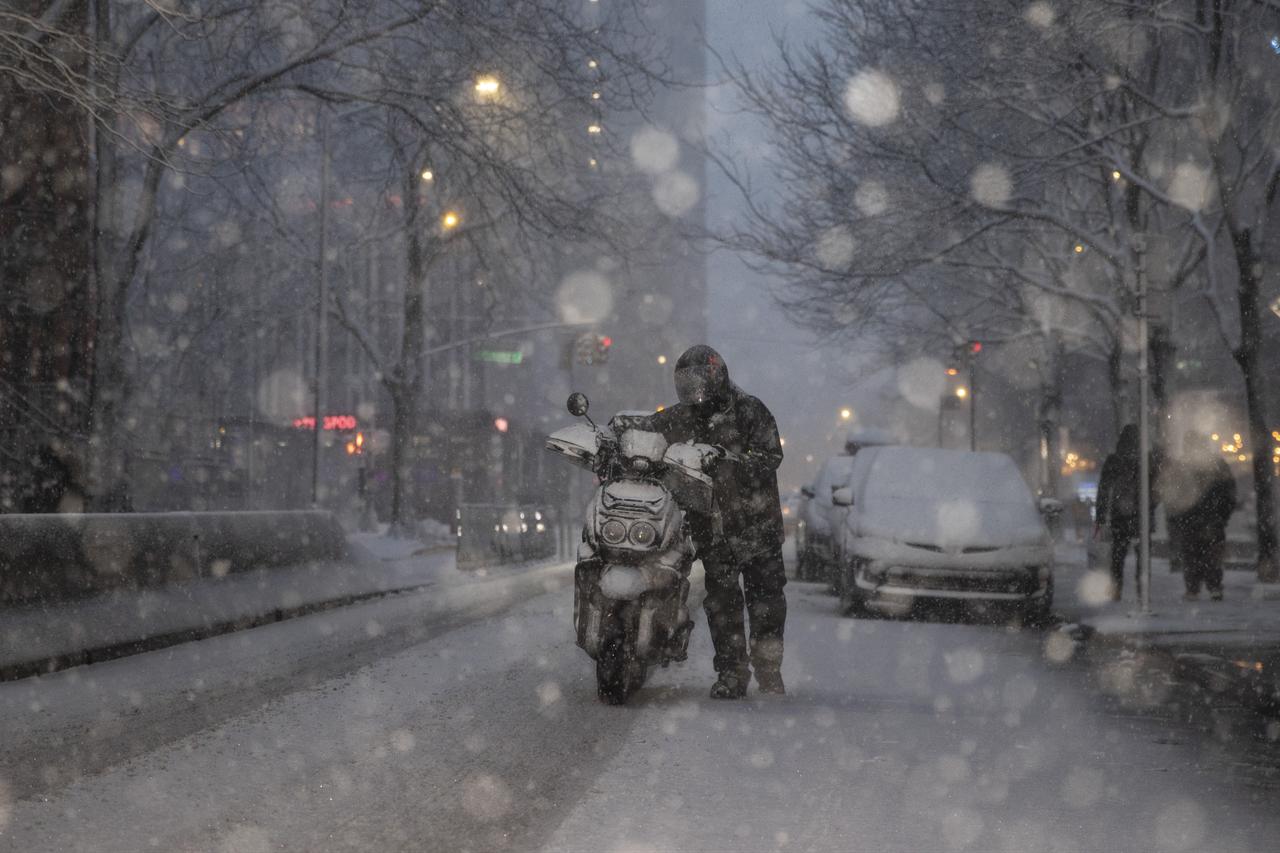


A powerful winter storm has swept into the Mid-Atlantic and northeastern United States, bringing heavy snowfall, blizzard conditions, strong winds and coastal flooding, prompting widespread emergency measures and travel restrictions across several major population centers, according to the National Weather Service (NWS).
Authorities warned that the storm could severely disrupt daily life as intense snowfall and dangerous winds combine to create near-whiteout conditions and hazardous coastal impacts.
Meteorologists said snowfall rates could reach 5 to 7 centimeters per hour at peak intensity, with total accumulations ranging between 30 and 60 centimeters in some regions. Such snowfall levels, combined with strong winds, are expected to make travel nearly impossible at times.
A blizzard warning, a weather alert issued when heavy snow and strong winds reduce visibility to dangerous levels, was put in place for New York from Sunday afternoon through Monday evening.
New York City officials moved quickly to prepare for the storm’s impact. Mayor Zohran Mamdani said the city was bracing for between 45 and 55 centimeters of snow, alongside wind gusts reaching up to 80 kilometers per hour and potential coastal flooding during high tide.
City authorities declared a state of emergency and introduced a temporary travel ban starting Sunday night through midday Monday in an effort to keep roads clear for emergency services. Schools across the city were also ordered to close Monday as officials sought to limit movement and reduce risks.


The storm’s reach extended beyond New York, placing the entire state of New Jersey under a blizzard warning for the first time in three decades. Forecast models suggested a 90% probability that all areas of the state would receive at least 30 centimeters of snow.
Governor Mikie Sherrill declared a statewide emergency covering all 21 counties and urged residents to stay off the roads, warning that the situation should be taken seriously as conditions were expected to deteriorate rapidly.
Further northeast, the NWS office in Boston warned that areas southeast of the Boston–Providence corridor could experience what officials described as a potentially “historic and destructive” phase of the storm.
Wind gusts were forecast to reach between 95 and 113 kilometers per hour, strong enough to bring down trees and trigger widespread power outages. The most severe conditions were expected early Monday morning through midday, when snowfall and peak winds were projected to overlap.
Along coastal regions from Delaware to Cape Cod, forecasters warned that strong onshore winds could push seawater inland, causing moderate to major coastal flooding. Such flooding typically occurs when storm-driven waves and high tides combine, leading to road closures and possible property damage in waterfront communities.
Wind gusts ranging from 65 to 113 kilometers per hour were expected across coastal New Jersey and southeastern New England, further increasing the risk of infrastructure disruptions.
The NWS Winter Storm Severity Index—a tool used to assess potential societal disruption—identified southeastern Pennsylvania, New Jersey, Long Island, Rhode Island and southeastern Massachusetts as facing the most serious impacts.
Officials warned these regions could experience extensive and widespread disruptions affecting transportation, utilities and daily routines as the storm moves through.


 Set as preferred source
 Set as preferred source



 3 min read