Newsletters


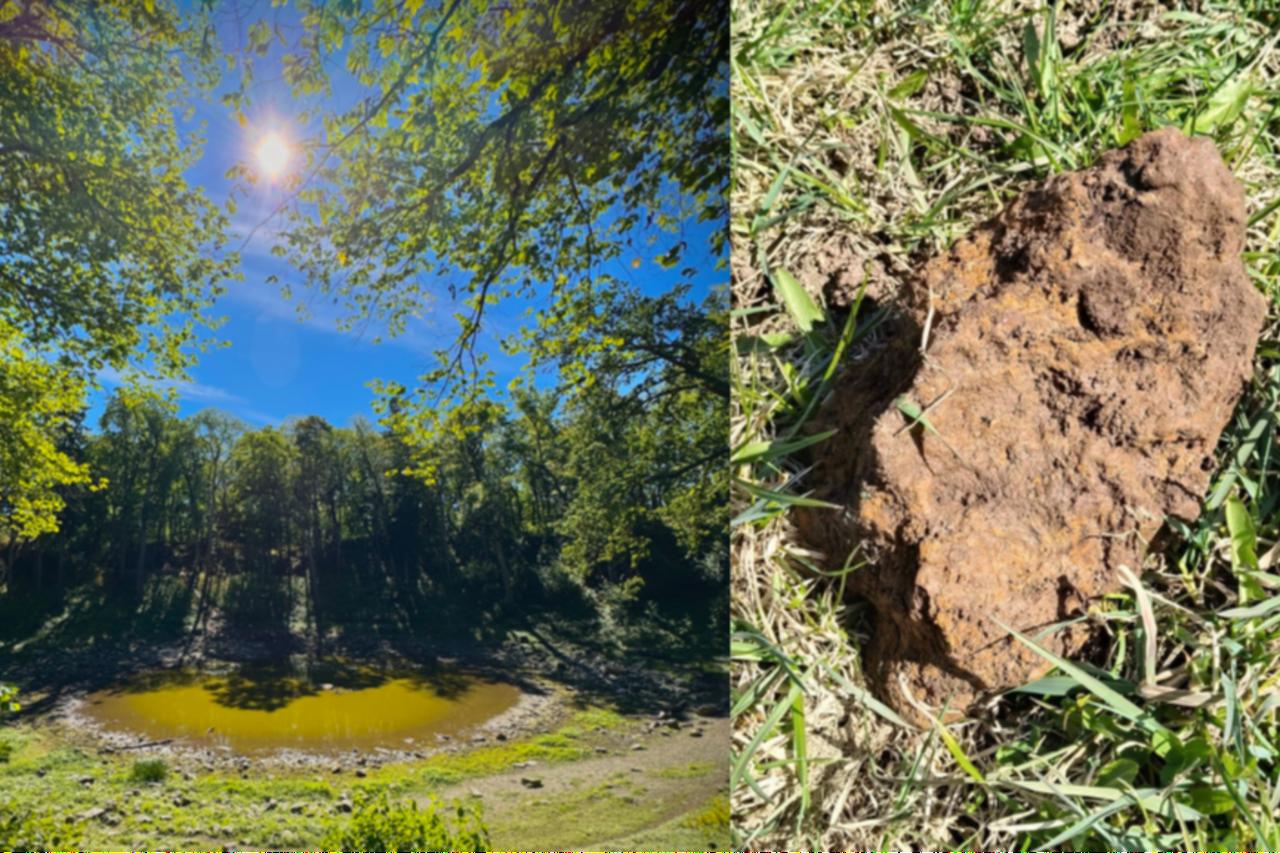


Scientists have uncovered what are believed to be the largest known fragments of an ancient meteorite on Estonia’s Saaremaa island, offering new material evidence from an impact thought to have taken place more than 3,000 years ago.
Polish researchers Andrzej Owczarek and Filip Nikodem found a 40-kilogram fragment, a second piece weighing 15 kilograms, and several smaller fragments during their research on the island, according to media reports cited by Anadolu Agency.
The fragments are believed to date to between 1,600 and 800 B.C., placing the meteorite strike in the Bronze Age, a period when societies across Europe were developing metalworking, trade networks, and more complex settlements.
Researchers said the find could challenge long-held theories that the meteorite mostly vaporized on impact or broke down into fine dust. A meteorite is a piece of space rock that survives its passage through Earth’s atmosphere and reaches the ground.
In a Facebook post, the Polish Meteorite Society said the discoveries may become “an important contribution” to verifying existing theories about the meteorite shower.
The society also congratulated the researchers, saying: "Congratulations to the seekers!”
The discovery on Saaremaa island is expected to help scientists reassess how much of the ancient meteorite survived after impact and how its fragments were scattered across the area.


 Set as preferred source
 Set as preferred source



 2 min read