Newsletters


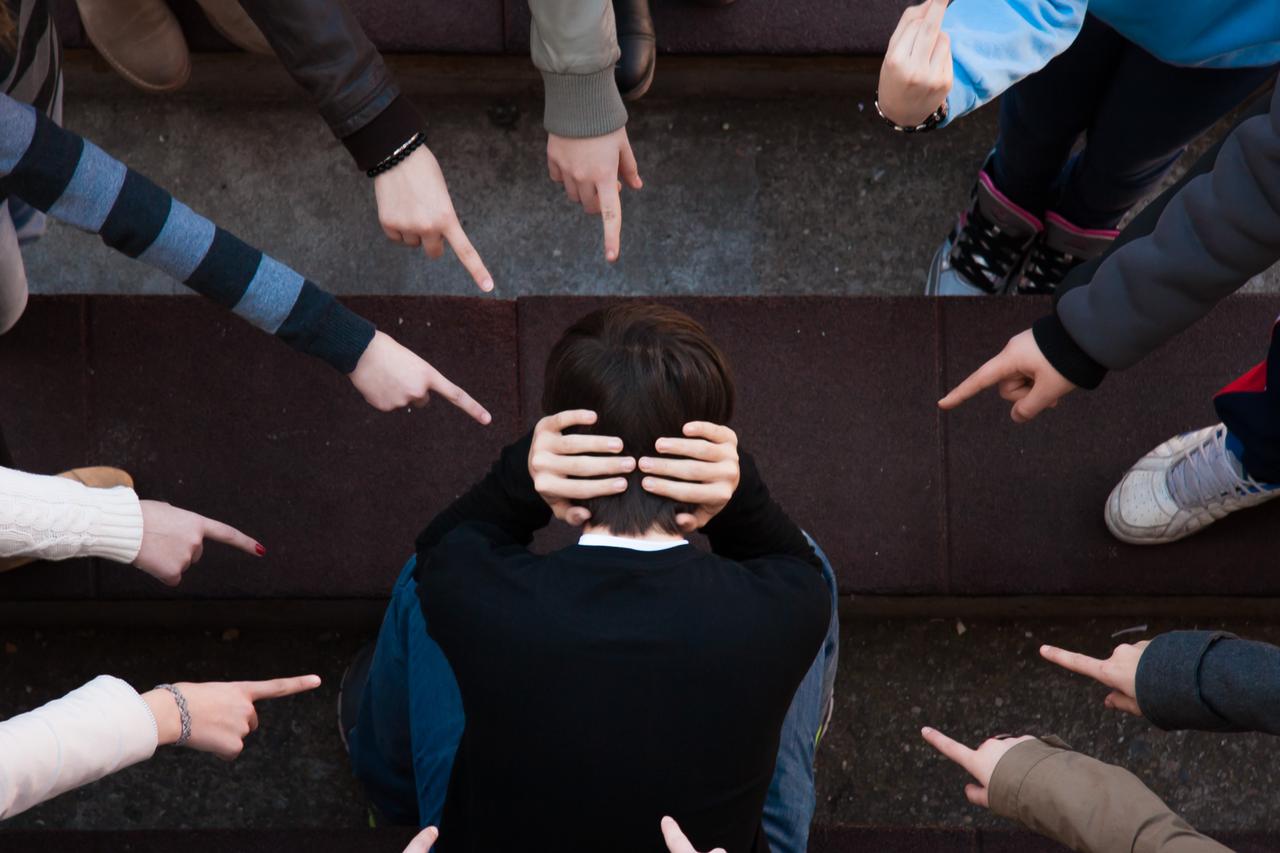


Türkiye is preparing to expand a “peer kindness” education model across the country after a parliamentary sub-commission completed a draft report proposing broad measures to tackle school bullying, cyberbullying, and violence among students.
The model, first launched in 25 schools in Istanbul, is among the proposals included in a draft report prepared by the Parliamentary Sub-Commission on the Investigation of Peer Bullying in Primary and Secondary Schools.
The 308-page draft report, completed after meetings with ministries, public institutions, civil society groups, and school visits, calls for a shift from a purely punitive response to a wider prevention model involving schools, families, digital platforms, and public authorities, Türkiye Daily reported.
The commission was established under Parliament’s Petition Commission after two women applied to Parliament seeking action and measures against peer bullying their children had faced at school.
The report argues that bullying should be addressed through a “holistic” approach covering education, administration, law, psychosocial support, media regulation, and children’s rights.
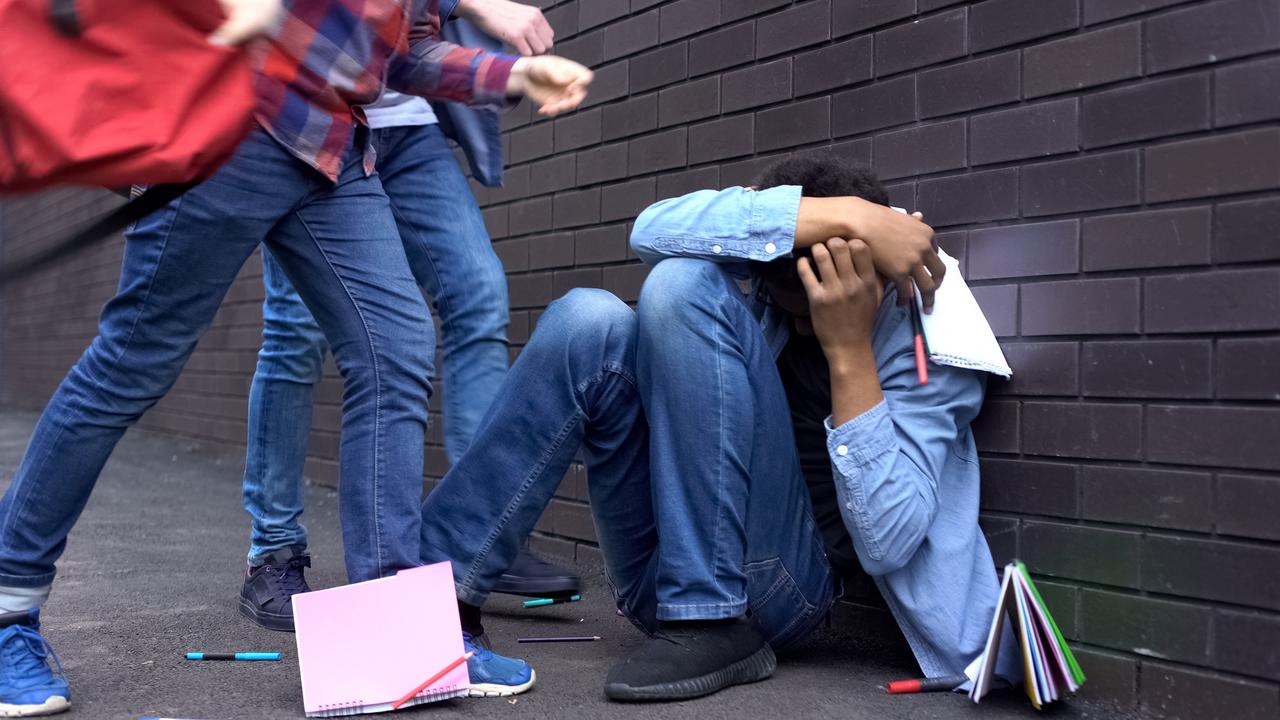

One of the report’s most notable proposals is the use of the term “peer kindness” instead of “peer bullying” in prevention work.
The report says the language used in anti-bullying efforts can shape both children’s behavior and the norms within school environments.
“In this direction, it is considered useful to use the expression ‘peer kindness,’ which reflects a more positive, supportive approach that encourages behavioral change, instead of the concept of ‘peer bullying,’” the report said, according to Anadolu Agency.
It added that “peer kindness” could help children develop a communication style based on empathy, respect, and tolerance, and that integrating the concept into guidance programs, school activities, and awareness work could support the prevention of negative behavior.
The report also recommends expanding peer-to-peer education, peer mediation, peer counseling, and peer mentoring models across schools, arguing that such systems could strengthen solidarity among students and improve the school climate.
The commission also proposes a “Safe School Climate Policy” based on restorative justice rather than punishment alone. Under this model, students would be able to report problems through accessible, secure, and anonymous systems with both digital and physical components.
Risk areas such as corridors, gardens, and dining halls would also face stronger monitoring, while schools would be encouraged to reduce overcrowding by bringing class sizes down to more manageable levels.
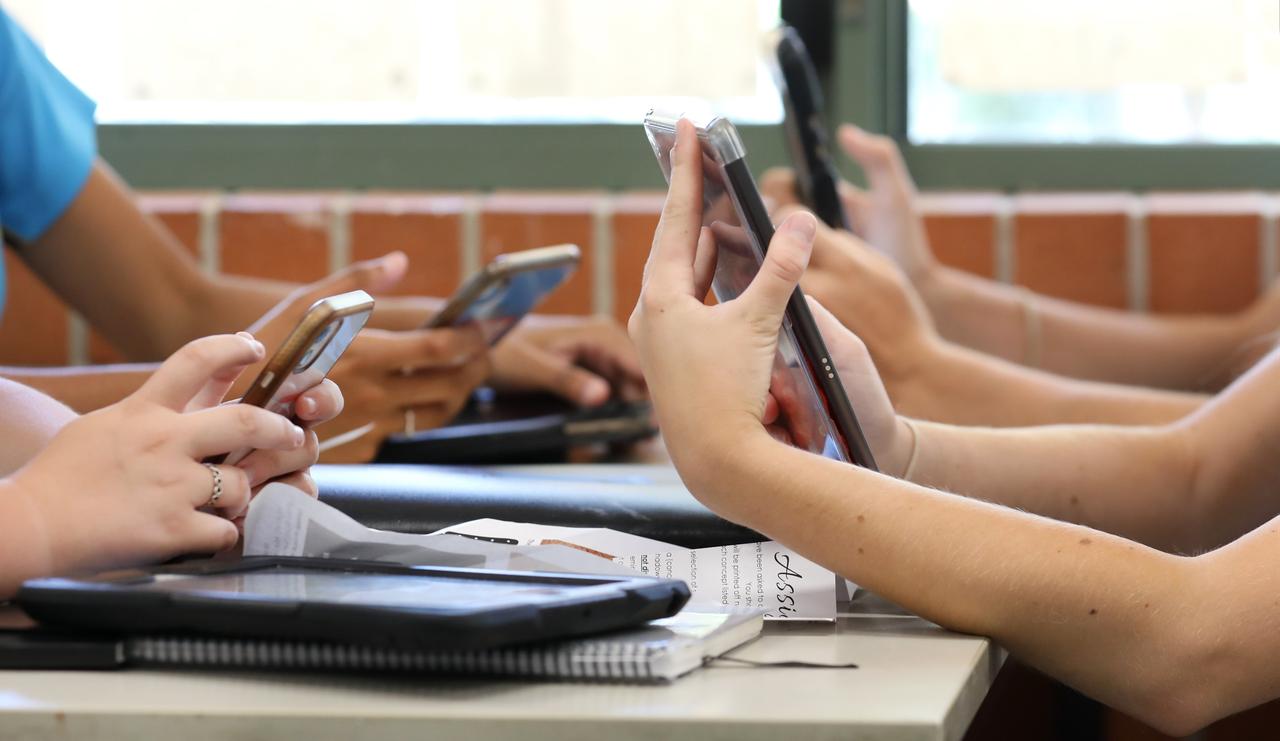
The report also focuses heavily on cyberbullying and the digital environment surrounding children.
It recommends expanding restrictions on mobile phone use in schools in line with a circular issued by the Ministry of National Education, as well as widening the use of phone lockers to reduce distraction and cyberbullying risks.
The report also calls for the activation of the SIBERAY program in schools and recommends that police and gendarmerie provide educational sessions on violence, bullying, complaint mechanisms, and the risks of involvement in crime.
Under proposals involving the Information and Communication Technologies Authority, or BTK, AI-supported early warning and intervention systems would be developed to detect bullying-related content on social media and digital platforms.
The draft also recommends tighter oversight of children’s content online, automatic reporting of risky content, time control systems, and parental control modules on gaming platforms, and a “Bullying Free Content Certificate” for media and digital platforms that produce content for children.
The report says media outlets, digital content producers, and online platforms should be encouraged to create films, series, animations, and social media content that offer positive role models, strengthen healthy peer relations, and promote empathy, inclusion, and cooperation.

The commission also proposes a “Parent Academy” model to involve families more directly in anti-bullying efforts.
The report says parents should receive practical and participatory training, not only theoretical briefings. These sessions would focus on behavioral skills such as empathy, active listening, and emotional awareness.
It also stresses the importance of fathers taking a more active role in children’s social and emotional development, describing their inclusion as critical for preventing violence and bullying.
Schools would also create consultation hours for parents through guidance services, while an inter-ministerial digital system would help monitor family involvement.
Where physical conditions allow, schools would set up therapy rooms and provide individual and group-based psychological support. The report also recommends adding psychological resilience education to the compulsory curriculum and expanding awareness training on neglect and abuse at preschool and primary school levels.
At the secondary school level, workshop-based programs would support students in emotional regulation, stress management, and healthy identity development. Methods such as bibliotherapy and cinema therapy could also be integrated into education processes.
The report includes several administrative and legal recommendations, including the addition of “short-term suspension from school” to existing disciplinary regulations.
It also says bullying outside school should be included in monitoring systems and assessed in cooperation with relevant institutions.
The Ministry of National Education would prepare a national “Action Plan to Combat Bullying” and distribute it to all schools.
The report further recommends creating a national “Coordination Board to Combat Peer Bullying” with the participation of the Education, Health, Family and Social Services ministries, as well as BTK, the Radio and Television Supreme Council, and other institutions.
This board would prepare an annual monitoring report including risk maps and impact analyses. The report also recommends establishing a permanent parliamentary commission on children’s rights, bringing child-related issues that are currently handled across different committees under one specialized body.
For child victims, the draft proposes a joint “Child Victim Support Line and Referral Protocol” involving the Education and Justice ministries.
The report also includes figures from the Ministry of National Education on students who received violence-related disciplinary penalties. According to the data cited in the report, 15,735 students received such penalties in the 2018 to 2019 academic year, 287 in 2019 to 2020, 25,020 in 2020 to 2021, 14,766 in 2021 to 2022, and 20,039 in 2022 to 2023.
The report frames violence, bullying, and discrimination against children as a long-term social risk. “Violence and bullying against children should be addressed as a national security issue,” it said, adding that preventing such behavior is not only about individual well-being, but also about building a healthy, productive, and solidaristic society.


 Set as preferred source
 Set as preferred source


 2 min read