

 Sign in
 Newsletters


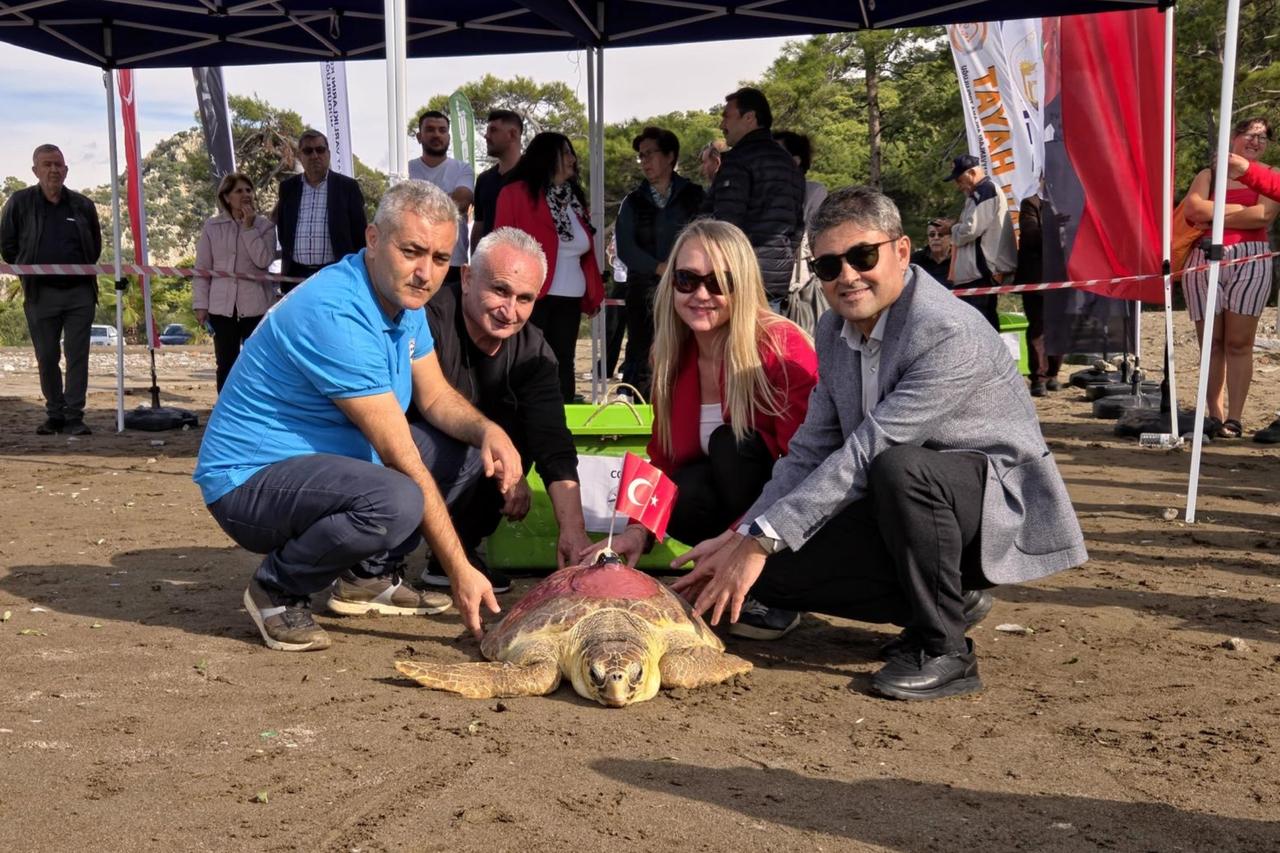


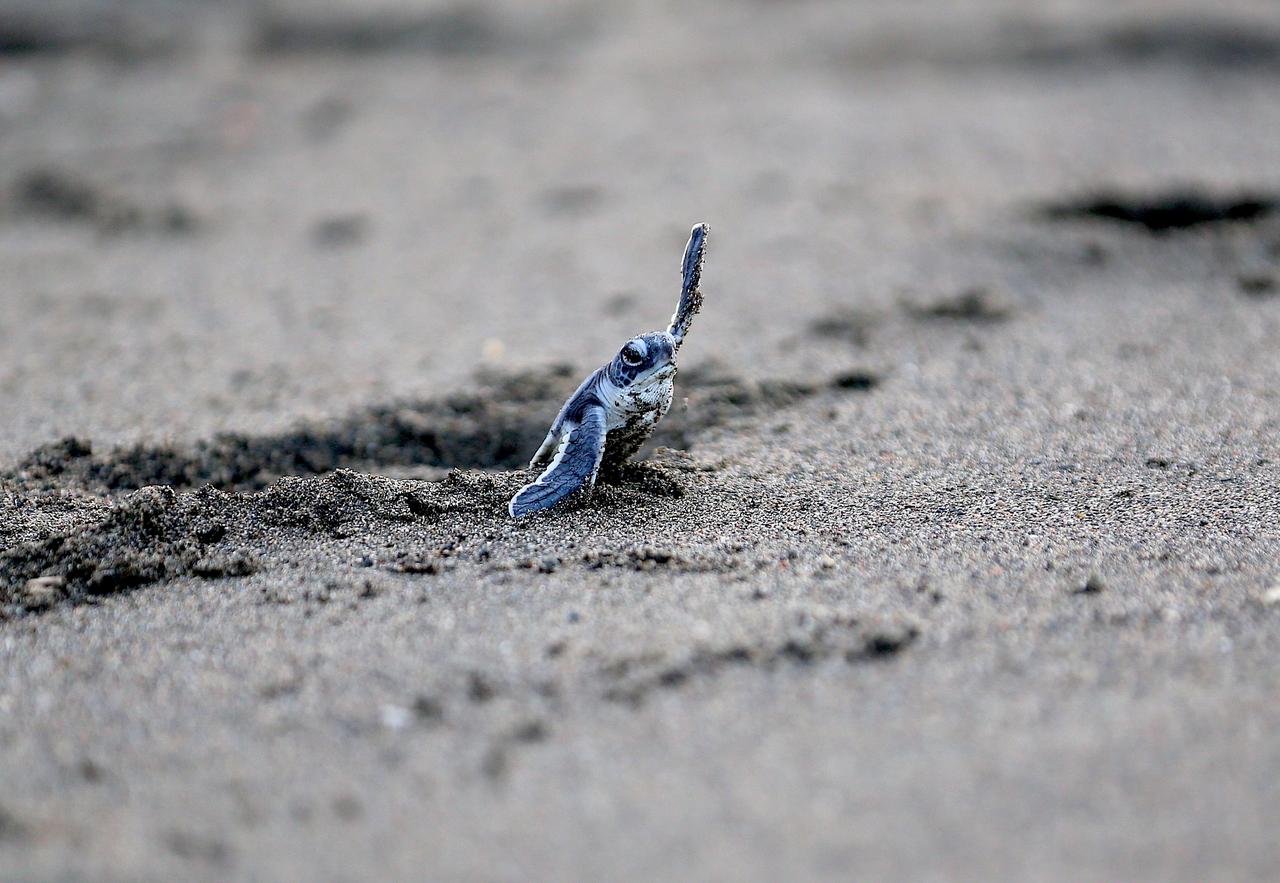
A loggerhead sea turtle named COP31 has traveled 175 kilometers (109 miles) along Türkiye's southwestern coast after being released with a satellite tracking device, drawing attention to marine conservation during the United Nations climate summit in Antalya.
Released from Iztuzu Beach in Mugla on Oct. 29 after rehabilitation, the turtle was last tracked off the coast of Fethiye, heading toward Antalya, according to Professor Yakup Kaska, director of the Sea Turtle Research, Rescue and Rehabilitation Center (DEKAMER). Researchers expect it to reach the Antalya area before the summit concludes.
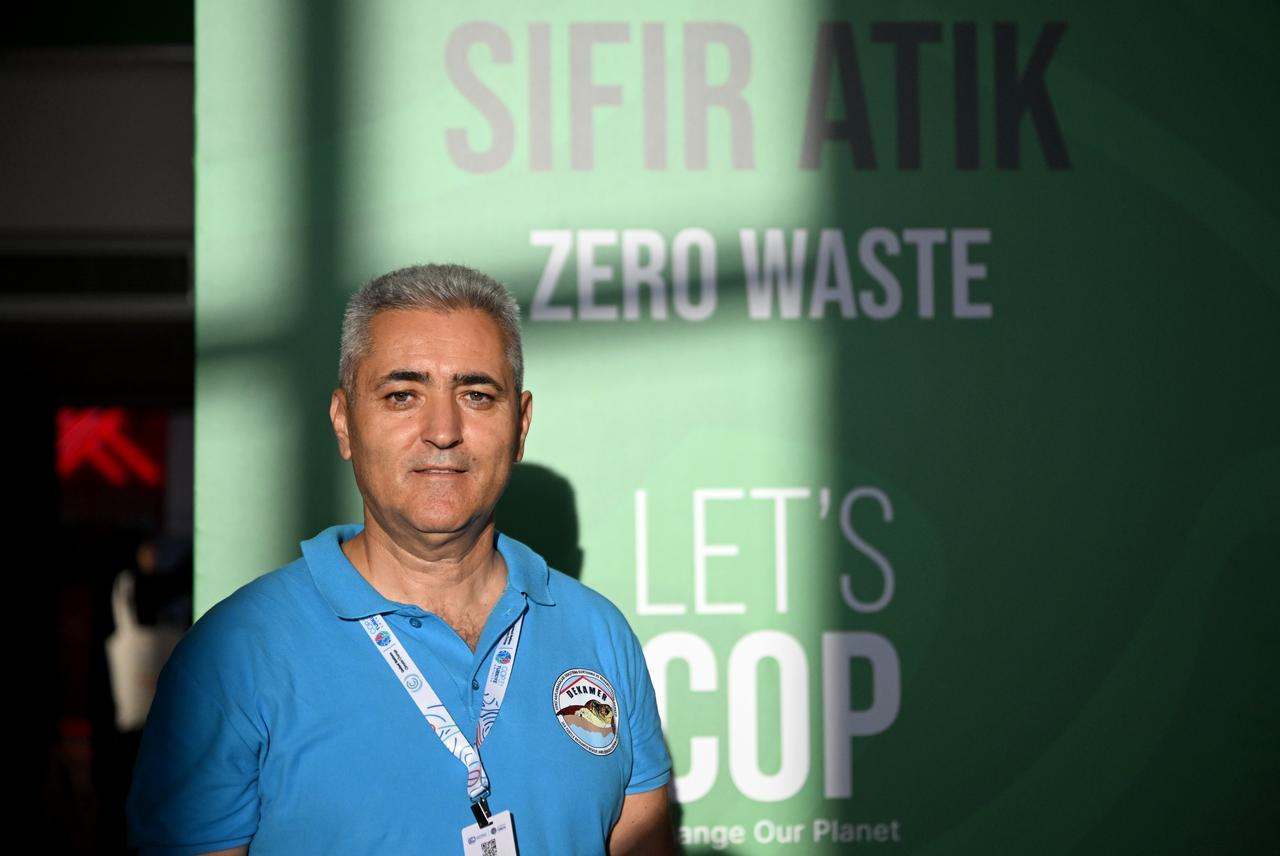
Speaking to Anadolu Agency (AA), Kaska said the turtle was named after the 31st Conference of the Parties (COP31) to the United Nations Framework Convention on Climate Change, which is being held in Antalya.
He said the selection of the loggerhead (Caretta caretta) as the summit’s mascot offered a chance to bring marine conservation into international climate discussions. The center also presented its work in a panel at COP31.
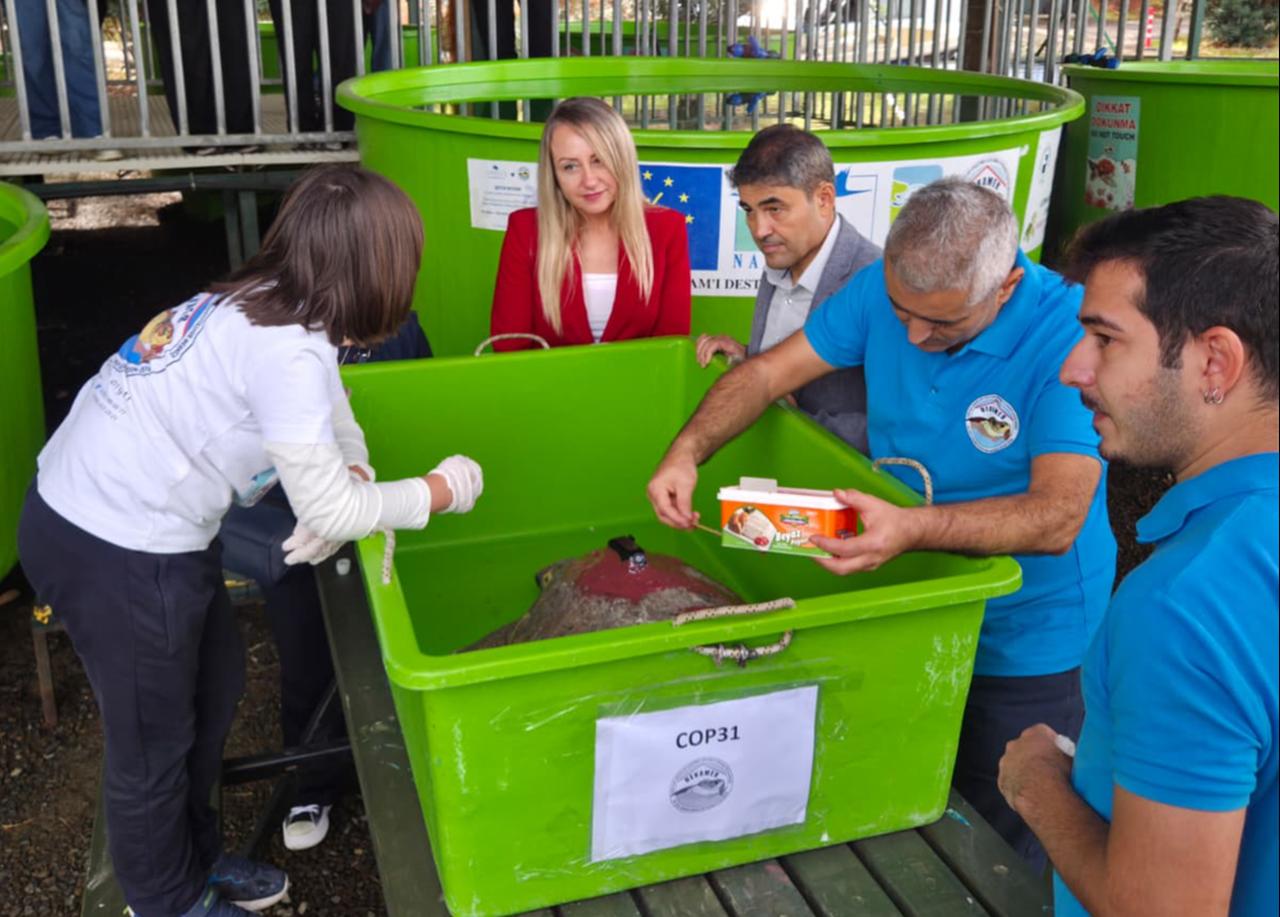

The research center also presented its conservation work during a panel at COP31, highlighting threats facing sea turtles and the importance of cooperation between countries.
After being fitted with a satellite tracking device, COP31 was released into the Mediterranean from Iztuzu Beach and has since covered 175 kilometers, with researchers continuing to follow its movements.
Kaska warned that climate change is affecting marine turtles in several ways, particularly through rising temperatures that can alter the sex distribution of hatchlings.
Unlike animals whose sex is determined by sex chromosomes, sea turtles develop as males or females depending on nest temperature during incubation.
Warmer nests are producing more females, with ratios already reaching approximately 70% to 80%, and a further increase of just 1 degree Celsius could potentially result in entirely female hatchlings, threatening future male populations.
Rising sea levels also pose a threat by putting nesting beaches at risk of flooding, while researchers are examining how sea turtles might adapt to changing environmental conditions.
Kaska also highlighted the ecological role of green sea turtles, describing them as the "gardeners of the seas" because their feeding on seagrass contributes to healthy marine ecosystems and oxygenation.
 1 min read

Beyond the environmental threats, Kaska emphasized that marine turtles move freely across national boundaries, making conservation efforts by individual countries insufficient to protect their populations.
He pointed to another satellite-tracked turtle named Tuba, which traveled approximately 20,000 kilometers (12,427 miles) and visited nearly 20 Mediterranean countries.
According to Kaska, the animal's journey demonstrates why international cooperation is necessary to ensure the survival of migratory marine species.
"If one country protects these species while others do not, it could lead to their extinction. That is why conferences like these are extremely important in bringing international cooperation to the forefront," he said.
Kaska added that Türkiye has carried out significant work to protect sea turtles and that COP31 offers an opportunity to share the country's conservation experience with the international community.


 Set as preferred source
 Set as preferred source



 1 min read


