Newsletters


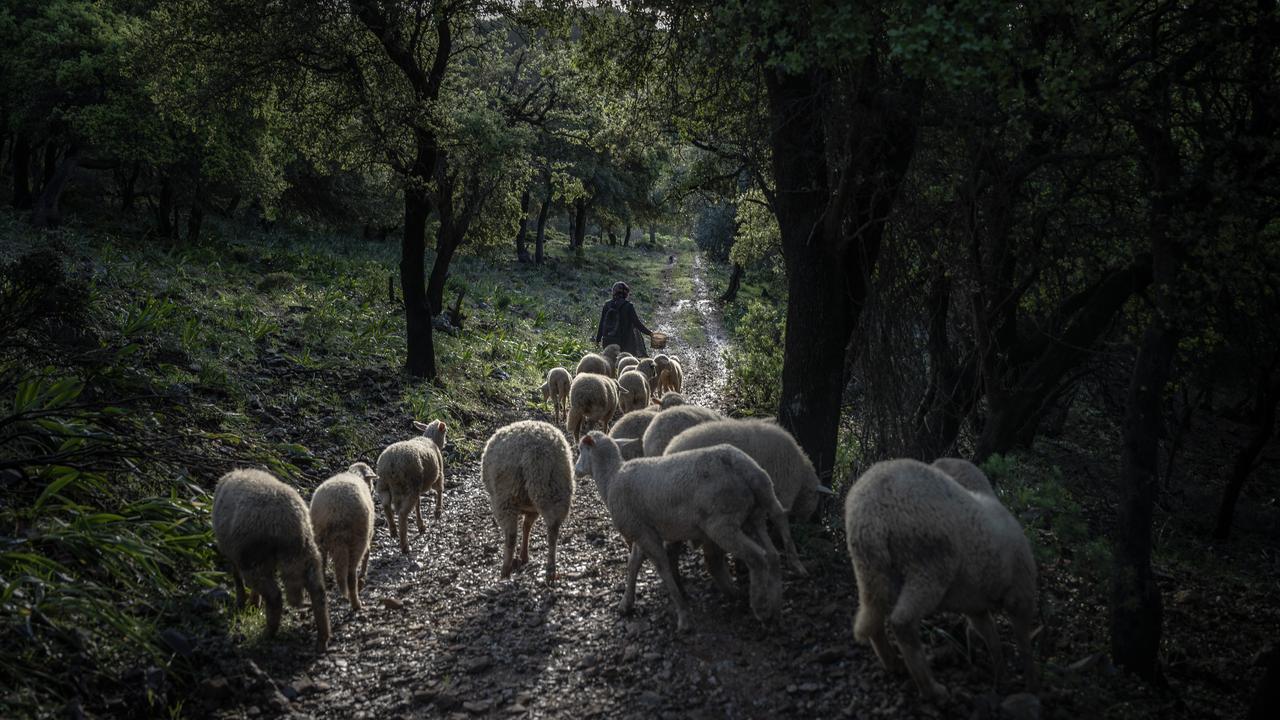
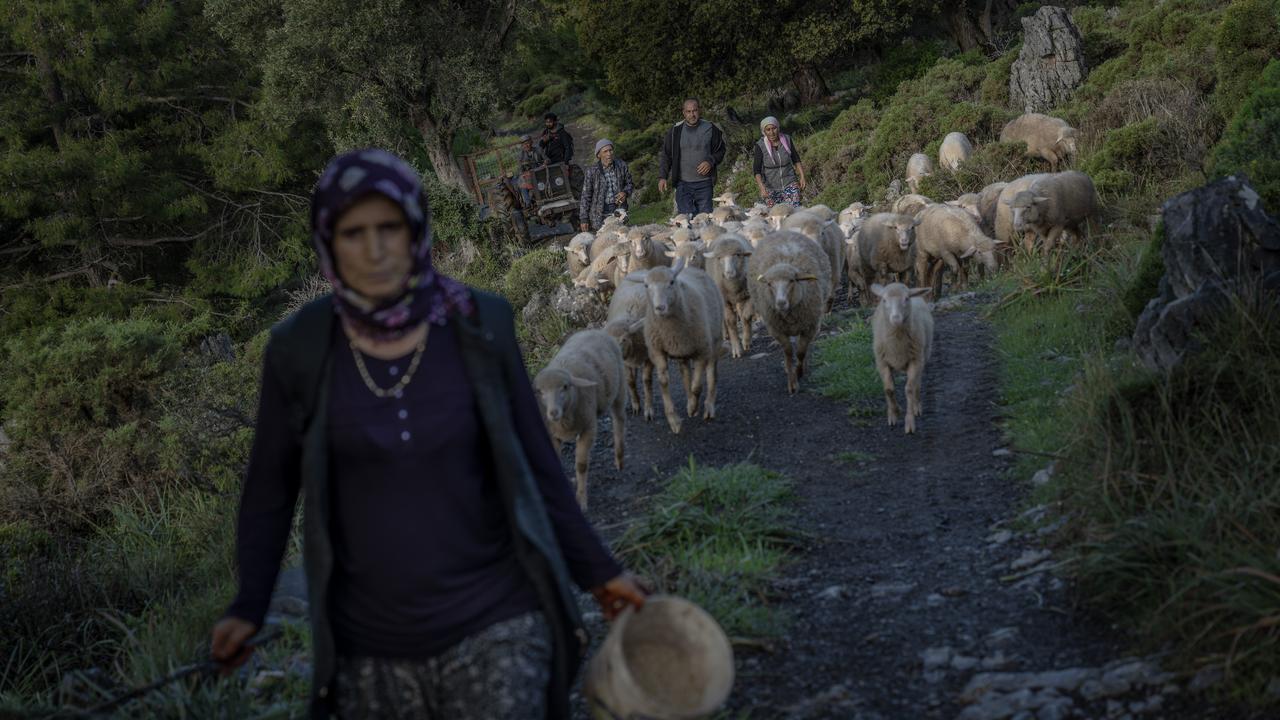
Herders from Denizli drive their flocks along rugged mountain trails toward the Kapıdag Peninsula in Dalaman, southwestern Türkiye, at the start of their annual seasonal migration—a journey that begins on foot and ends at sea.
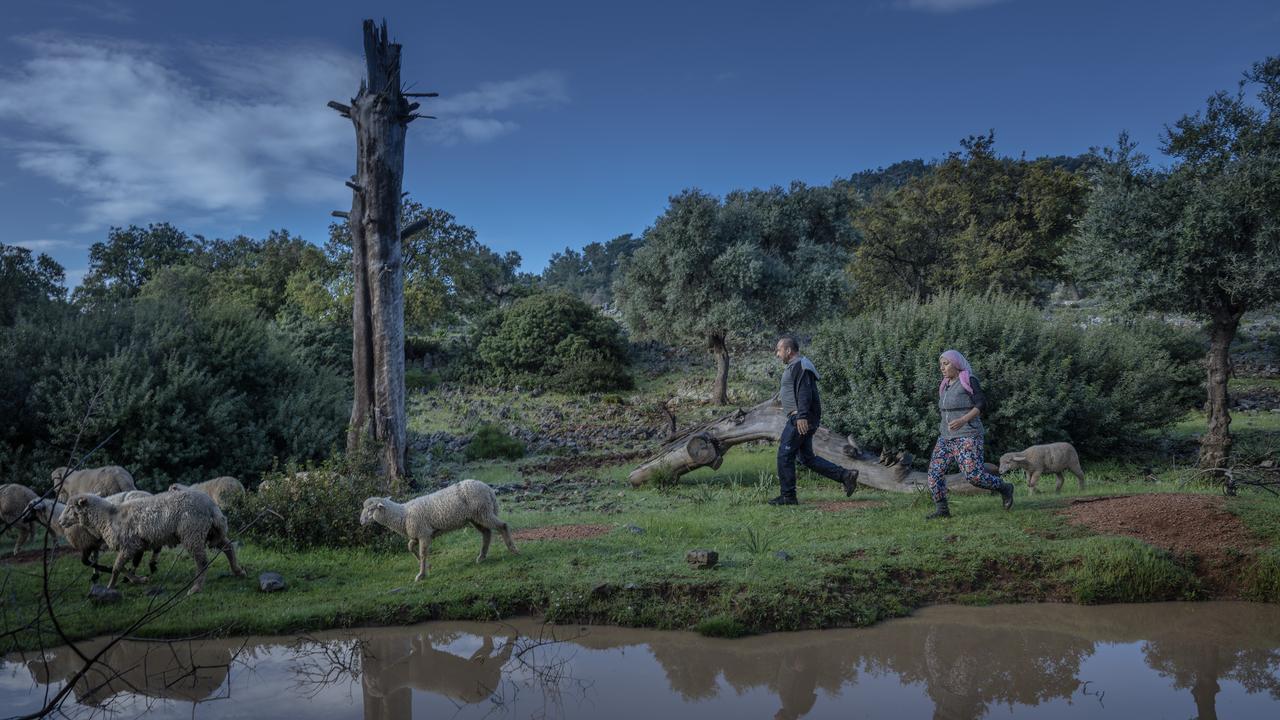
Each October, shepherds leave Denizli with their animals, setting off on a four-day walk across mountain paths toward the Aegean coast.
Tents are pitched each night along the route, the pace dictated entirely by the movement of the herd. The departure marks the beginning of a migration cycle repeated for generations.
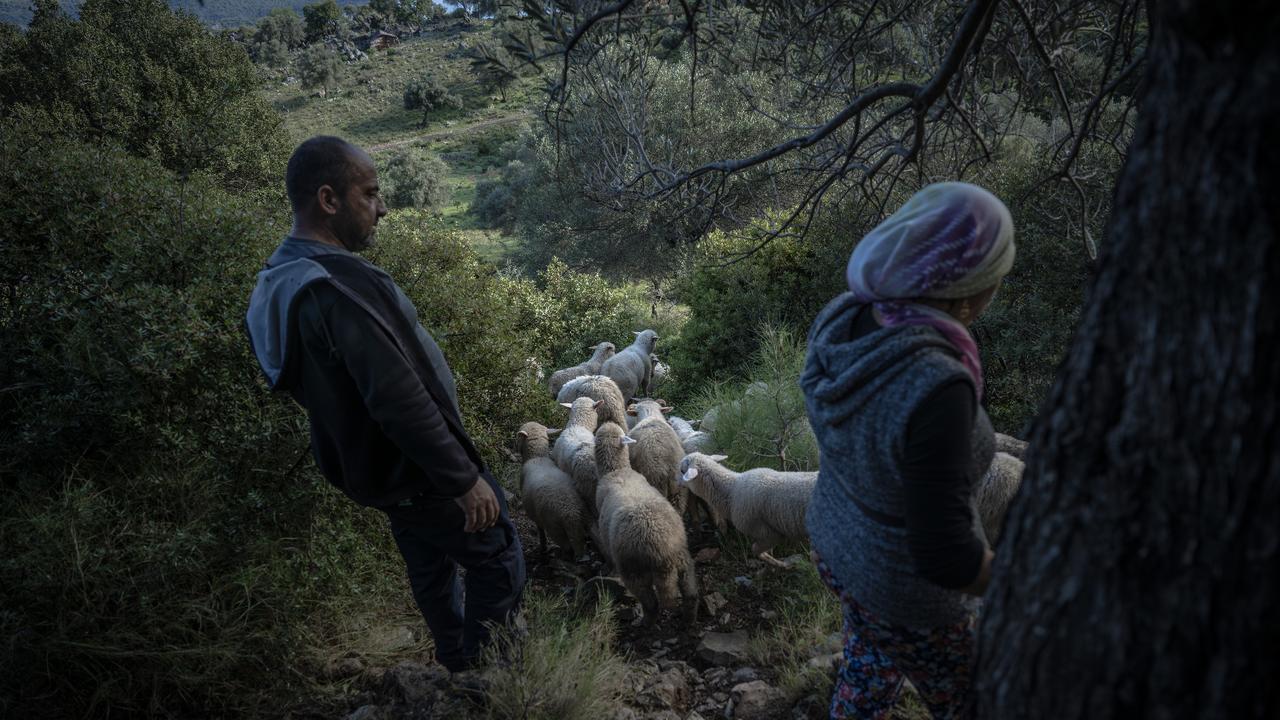
Herders navigate narrow, rocky trails that wind through the hills above Dalaman, guiding hundreds of sheep, goats and donkeys toward the peninsula.
The terrain offers no road access, making every kilometer a test of endurance for both shepherd and animal.
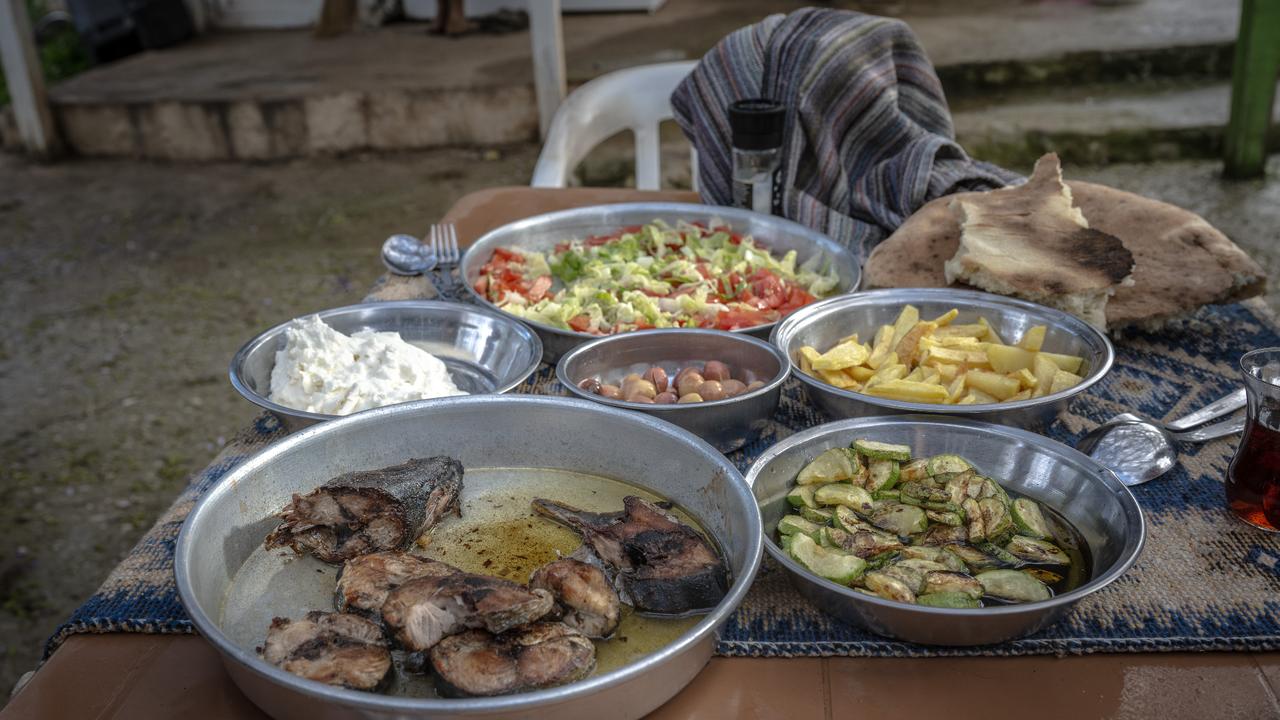
Upon reaching the Kapidag Peninsula, families settle into caves and basic shelters for the next six months.
With no electricity or running water, rainwater is collected in cisterns, some believed to date from the Ottoman era, and used as the sole drinking supply throughout the season.
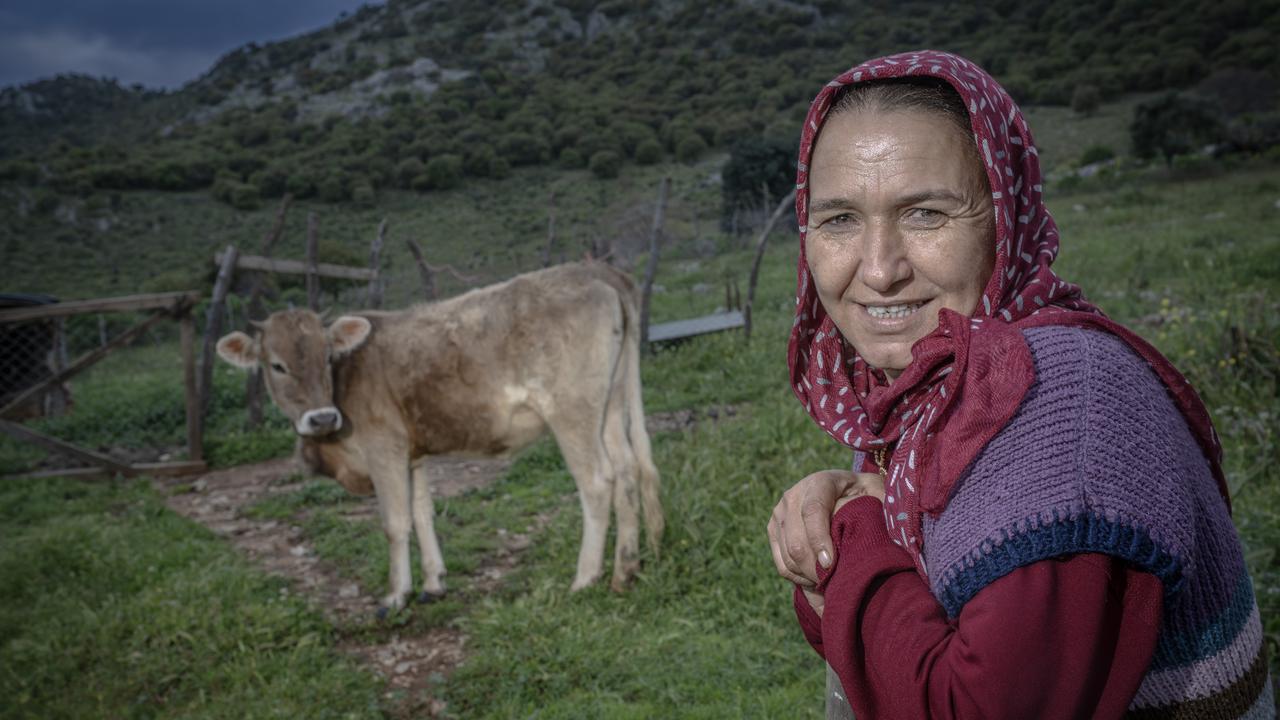
Shepherd Hanife Balci, who has worked the highlands with her husband for 23 years, tends to her goats on the Kapidag Peninsula in Dalaman, southwestern Türkiye.
Each animal in the flock has been given a name. "They are our livelihood," she said.
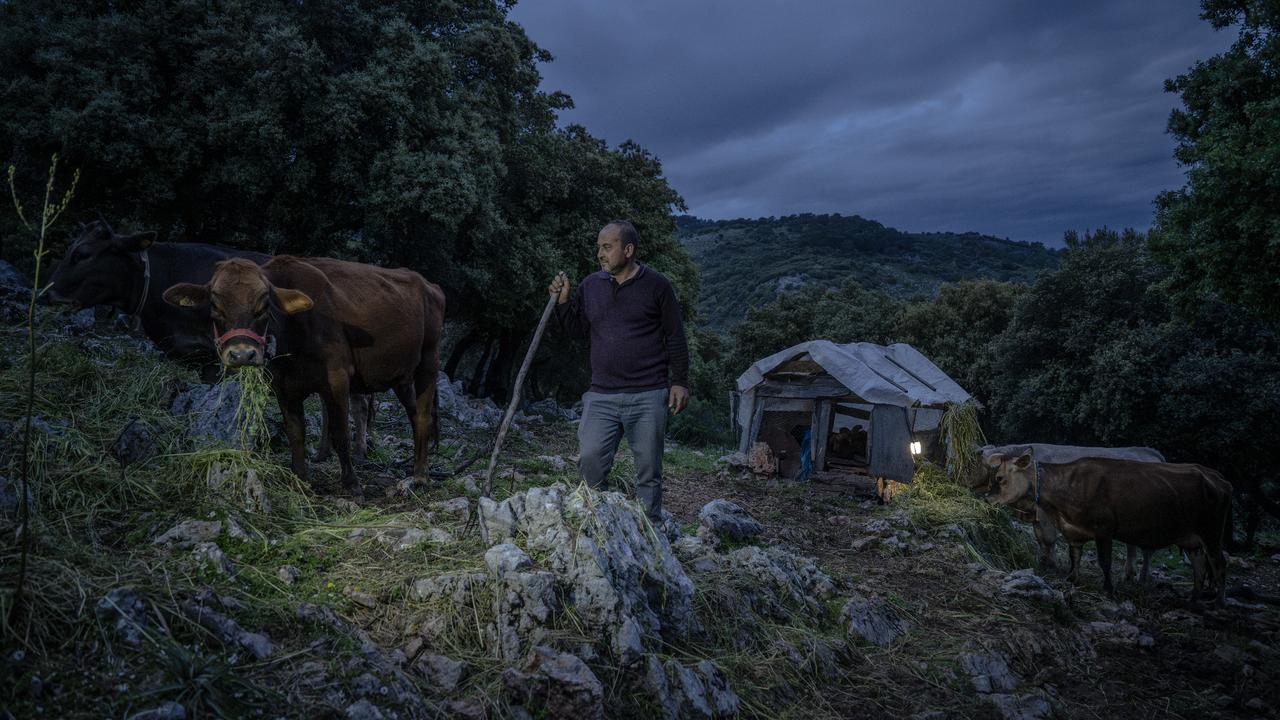
Shepherd Mutlu Sonmez, who keeps between 150 and 200 animals on the peninsula each season, monitors newborn lambs near their mothers in the early morning hours.
Days begin before dawn and are organized entirely around the flock's feeding and care schedule.
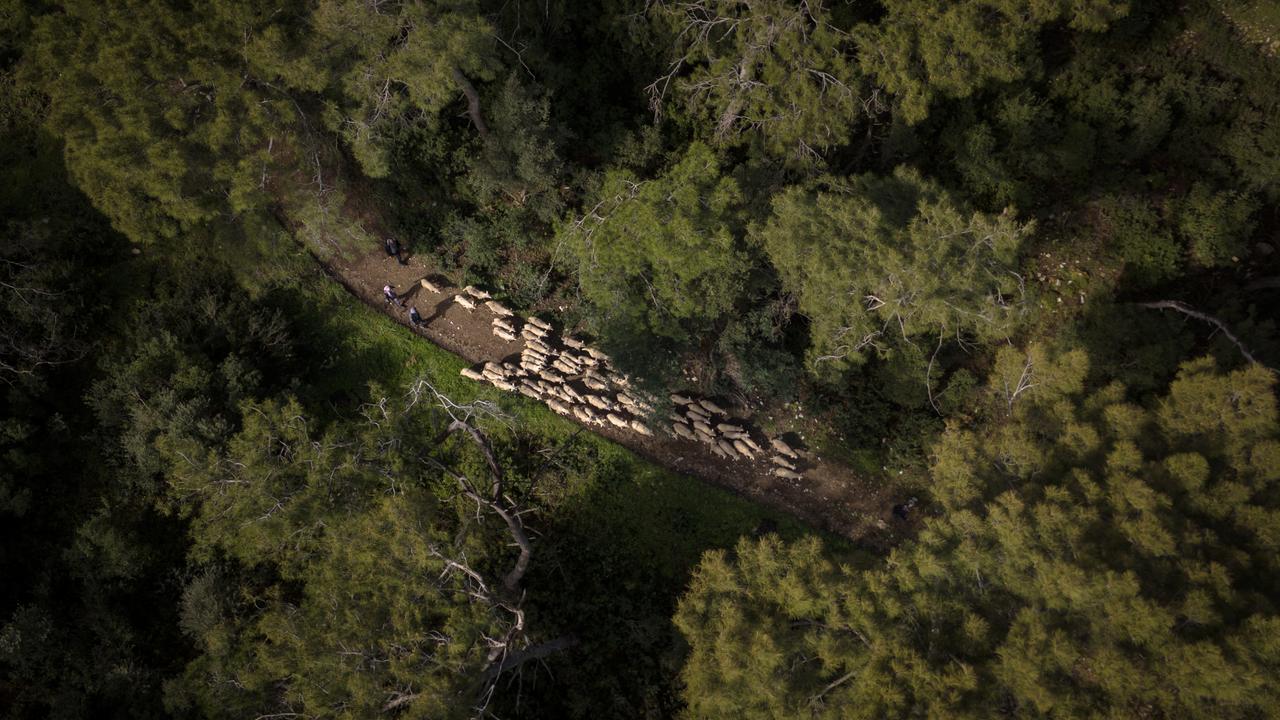
As the season draws to a close in late April or May, herders begin the 90-minute descent from the highlands to Marti Koyu along narrow cliff paths.
The animals move in close formation, guided by shepherds who have made this same descent dozens of times.
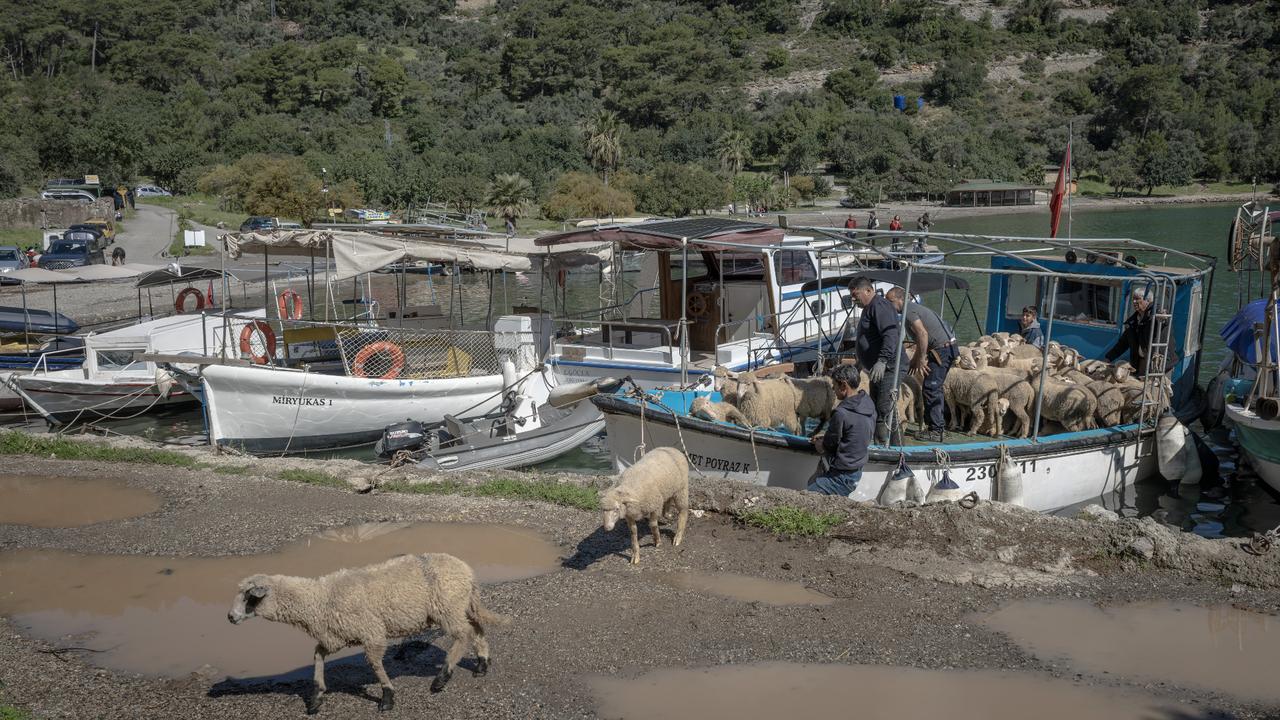
At Marti Koyu, a cove otherwise known for its turquoise waters and tourist traffic, the scene shifts at first light as shepherds work together to load the entire flock onto a waiting boat. The operation requires several hands and steady nerves.
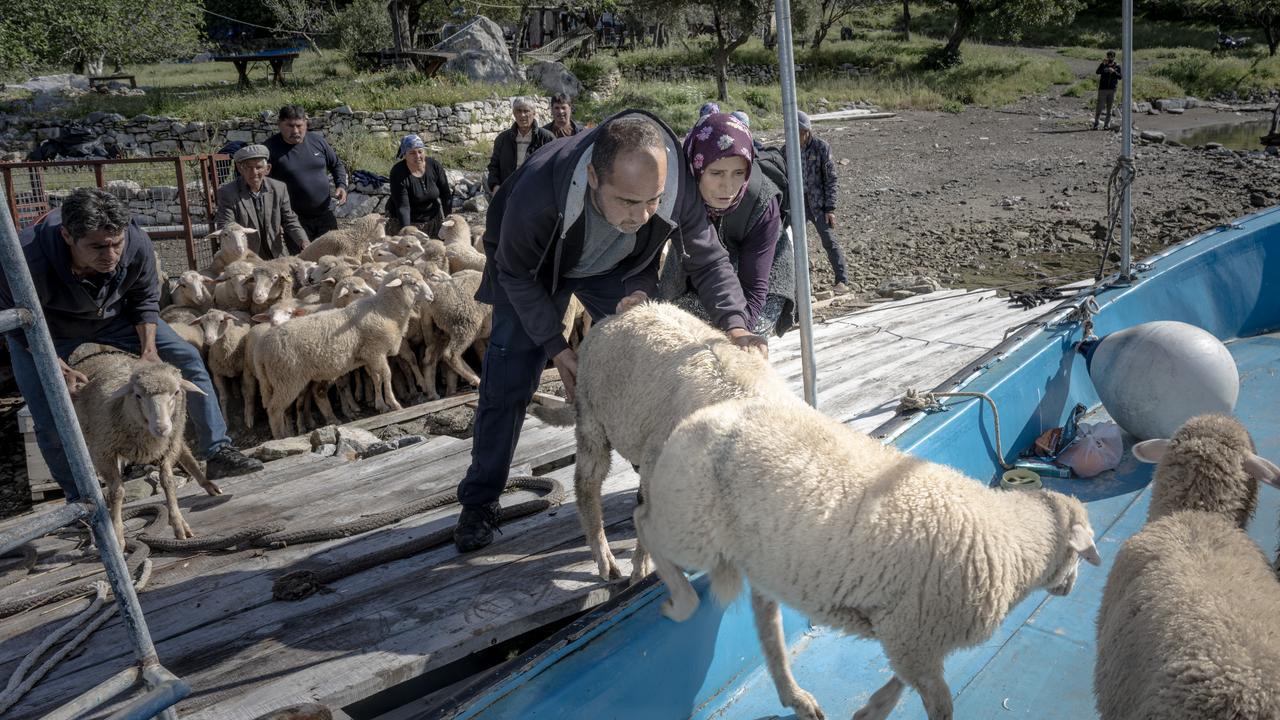
Sheep, goats, donkeys and chickens are guided aboard the vessel one by one. Some animals hesitate at the water's edge; others, accustomed to the annual crossing, board without resistance. Captain Necip Turk, who has operated the ferry crossing for decades, oversees the loading process.
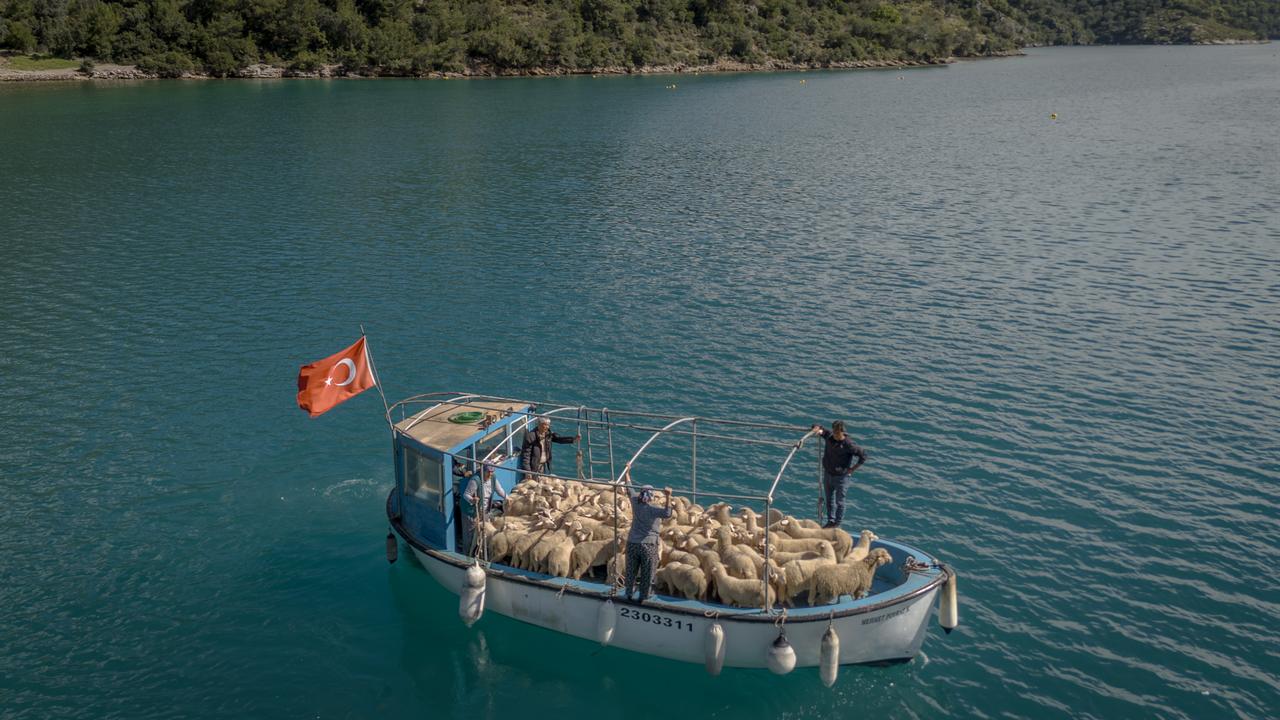
The flock crosses open water during the approximately 25-minute voyage from Marti Koyu to Sarsala Koyu.
Animals stand shoulder to shoulder on the deck, some scanning the horizon with apparent unease. Turk noted that animals rarely fall overboard, though chickens occasionally do.
At Sarsala Koyu, the animals are unloaded from the boat and transferred directly onto pickup trucks for the final leg of the journey back to Denizli.
The migration cycle—four days on foot, six months off-grid, and one crossing by sea—is complete until October, when it begins again.
 2 min read
 1 min read


 Set as preferred source