Newsletters





For thousands of years, pigeons carried messages across battlefields, fed families, and fertilized crops.
Today, metal spikes line building ledges across the world's cities to keep them away.
A new study published in the journal Antiquity traces how that dramatic reversal unfolded and how deeply intertwined the bird's history is with our own.
The research pushes back the timeline of pigeon domestication by nearly a millennium.
Scientists now place the earliest evidence of domestication at around 1,400 B.C., during the Bronze Age, which is nearly 1,000 years earlier than the oldest previously known structures built for pigeons—stone nesting houses found in Greece dating to around 300 B.C..


To reach that conclusion, a Dutch-led research team analyzed 159 ancient pigeon bones excavated at the Hala Sultan Tekke archaeological site on the shores of the Larnaca salt lake in southeast Cyprus.
By extracting collagen from bones, the scientists measured nitrogen-to-carbon ratios, markers closely tied to diet, and compared the results with those from human remains from other Bronze Age Cypriot sites.
The pigeons' dietary profile, dating to the 13th and 14th centuries B.C., closely overlapped with that of humans from the same period, indicating the birds were likely fed by people or foraging from human food supplies.
"The Hala Sultan Tekke pigeons overlapped pretty significantly with the results from humans from other Bronze Age Cypriot sites, showing that they likely ate a very similar diet to humans," said Anderson Carter, a bioarchaeologist at the University of Groningen in the Netherlands and lead author of the study.
The common pigeon, also known as the rock dove, originated in the Mediterranean region.
Genomic analysis has confirmed that today's urban birds are closely related to wild doves from the Middle East, further supporting the idea that domestication originated there millennia ago.
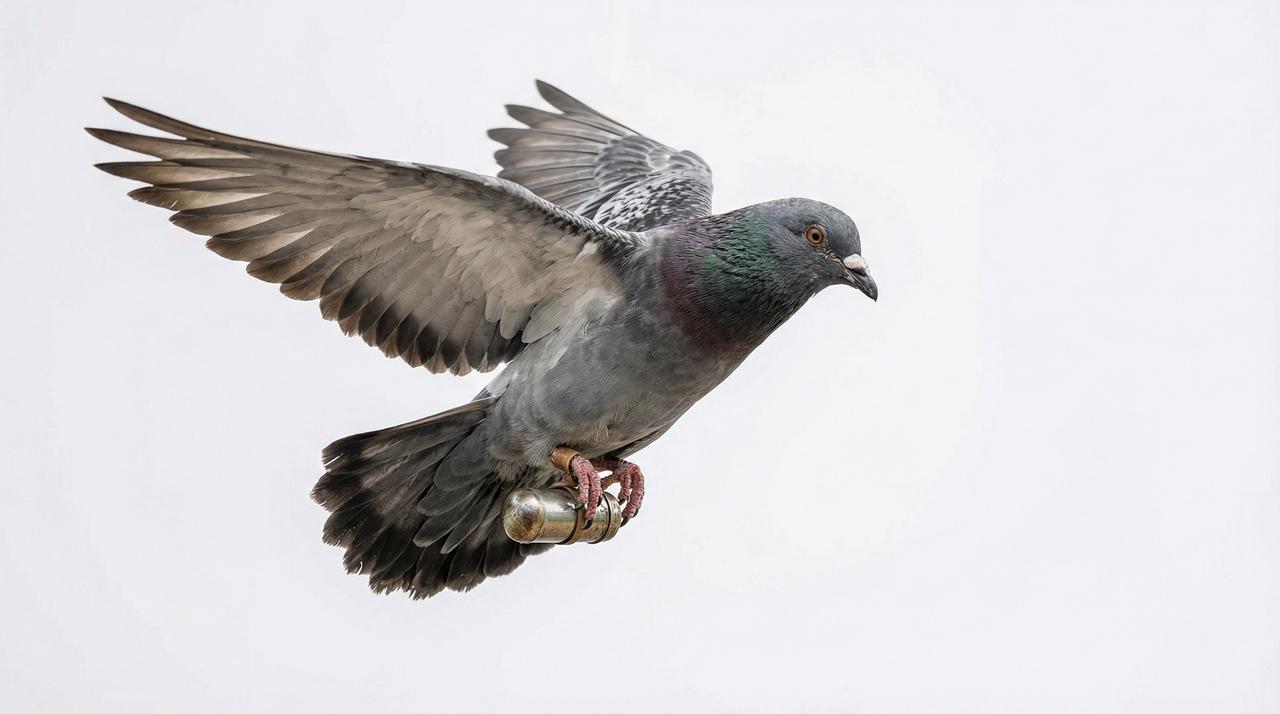
Pigeons remained a practical part of human life well into the modern era. They carried military communications during both world wars and continued to serve as messengers into the 19th and 20th centuries.
Their decline as working animals came swiftly with the arrival of the telegraph and then the telephone.
"Humans forgetting about pigeons happened relatively recently in human history," Carter said.
Once telecommunications made their role redundant, the birds did not disperse—centuries of conditioning had bound them to human settlements.
As industrial-era cities expanded, perceptions shifted. Pigeons came to be associated with filth and disease, and urban infrastructure began to reflect that hostility.
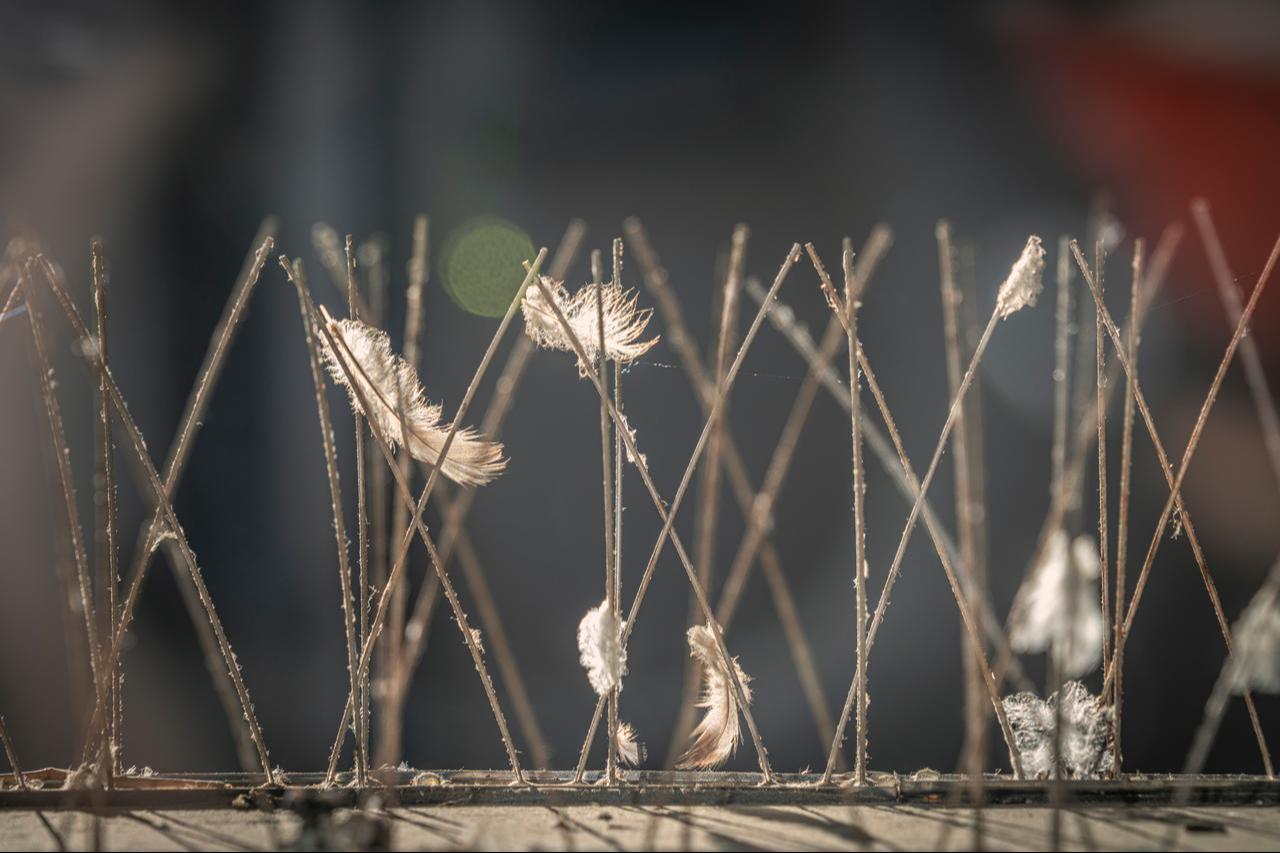
Anti-pigeon measures, from spikes atop buildings to chemical deterrents, are now standard features of city architecture worldwide.
Yet researchers argue the bird's current reputation obscures a far longer and more consequential relationship.
"One goal of the research is to change how we interact with and think about this bird," Carter said. "And start realizing that their story is also our story."


 Set as preferred source
 Set as preferred source



 3 min read