Newsletters


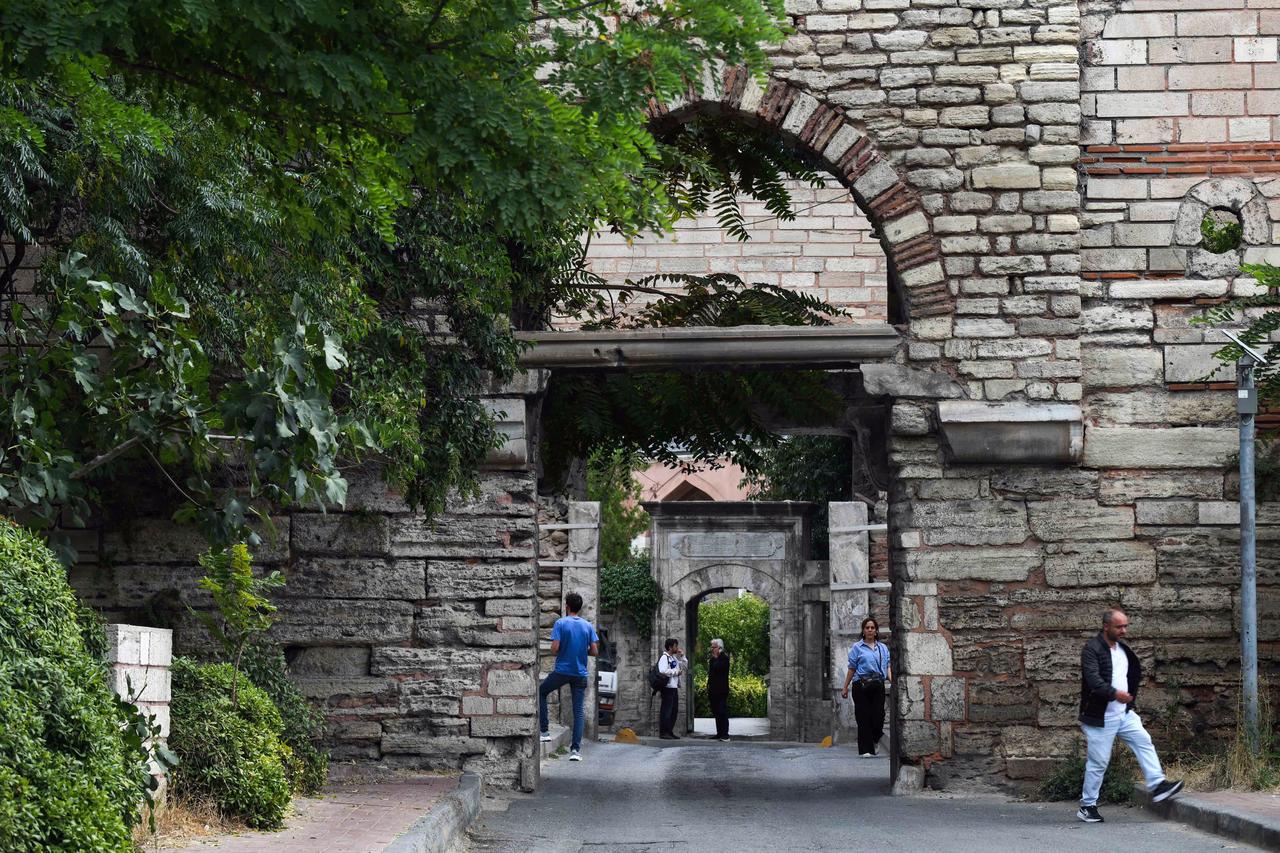


Silivrikapi, a gate on Istanbul's historic land walls, played an important role in the city's defense, trade and daily life from the Byzantine era through the Ottoman period. A mace hanging at the gate preserves traces of centuries-old military culture, according to Anadolu Agency's "Doors Opening to the City's History" series.
The gate stands on the Theodosian Walls, which were built in 413 under Emperor Theodosius and run from Sarayburnu toward Edirne. It takes its name from its position on the road toward Selymbria, known today as Silivri.
In the Byzantine period, it was called Pege Gate, a name linked to the nearby Balikli holy spring (ayazma). As the Silivri direction gained importance in the late Byzantine era, it became known as Silivri Gate.
The gate is part of a double-wall system, with a lower outer wall and a higher inner wall. In 1261, Byzantine commander Alexios Strategopoulos reportedly entered the city through the gate, ending Latin rule that began in 1204.
Gates on the walls helped secure the city and control who entered and left. People and goods were checked, and the hours when gates opened and closed shaped daily life. The route was also important for products arriving from Rumelia, the Ottoman territories in the Balkans.
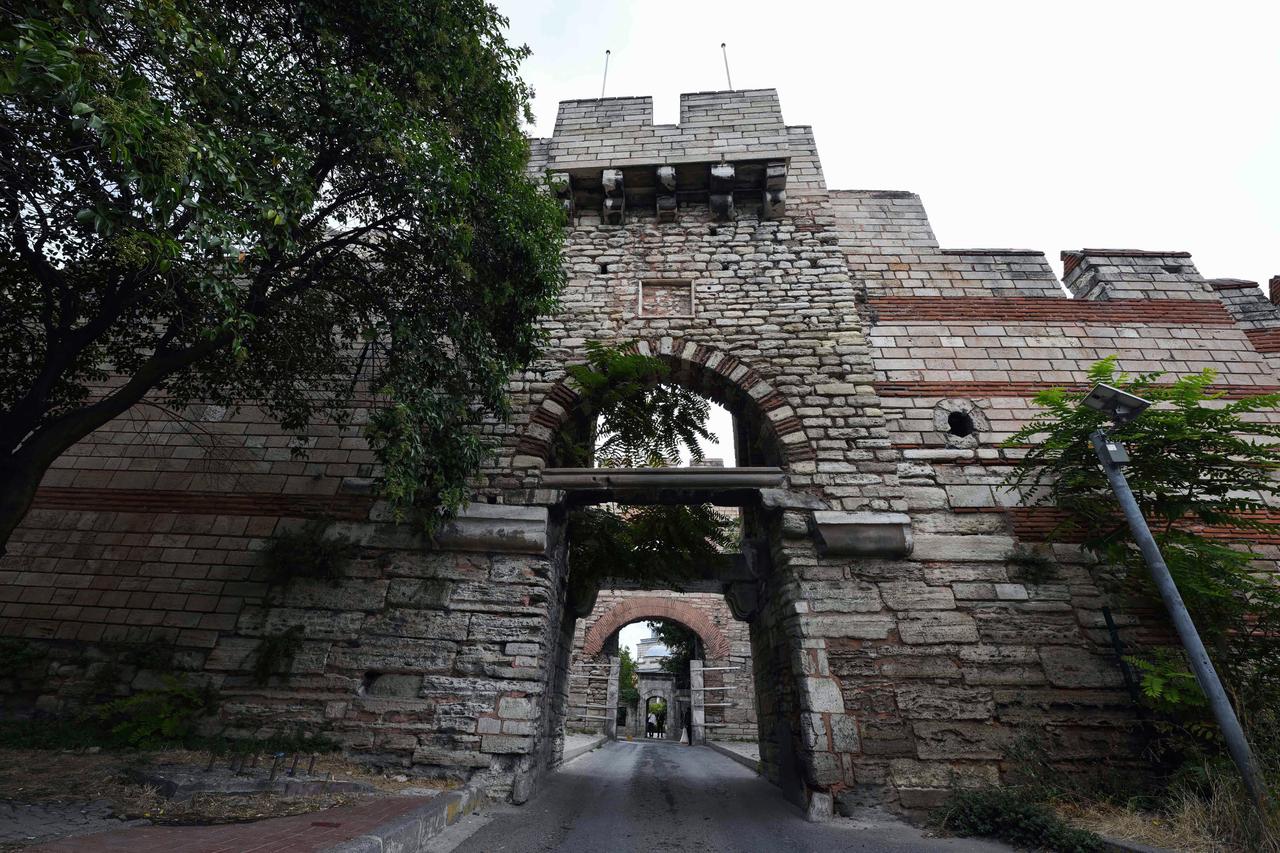

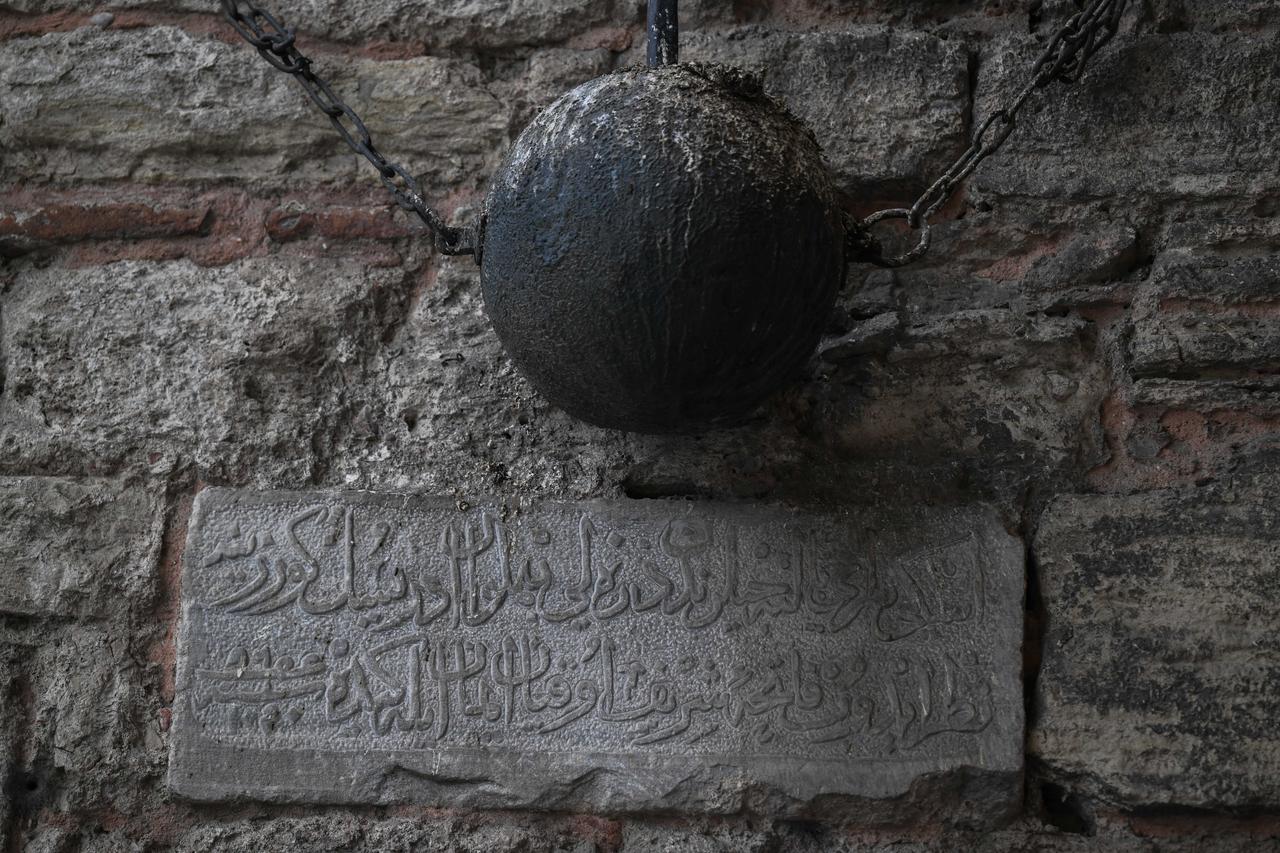
One distinctive feature was a Bozdogan mace hung on the wall. Maces were close-combat weapons that symbolized soldiers' achievements, and hanging them on city gates honored their owners.
The one at Silivrikapi is associated with Pehlivan Idris Aga, a former palace axe-bearer. An inscription below it asks those who look at the mace to recite the Fatiha, the opening chapter of the Quran.
"Here we see not only a weapon of war but also the memory of a person from that period being kept alive," said Prof. Kadir Pektas of Istanbul Medeniyet University's art history department.
The gate was damaged in the 1509 earthquake, known as the "Little Apocalypse," and was repaired under Sultan Bayezid II. Nearby, the Hadim Ibrahim Pasha Mosque, built in 1551 and attributed to the architect Sinan, was damaged in the 1894 earthquake.
In the 1980s, a hypogeum, an underground burial structure dating to the early fifth century, was uncovered near the gate. Marble reliefs from its four walls are kept at the Istanbul Archaeology Museums.
The original mace was moved to the Military Museum because of the risk of it falling or being stolen. The one visible at the gate today is a close replica.


 Set as preferred source
 Set as preferred source


 1 min read